
Medically reviewed by: Health is Heaven Medical Review Board | Published by Ganesh G Kamble, Health is Heaven | Published: April 22, 2026 · Last updated: July 20, 2026
Each morning, your adrenal glands execute one of the most precisely orchestrated events in human physiology. Within the first 20 to 30 minutes of waking, cortisol surges to 50 to 160% above its initial baseline. If you struggle with early-morning jitters, learning how to stop a morning cortisol spike naturally is essential for resetting your metabolic health. You can calculate your baseline metabolic parameters using our free metabolic age calculator. This process, known as the Cortisol Awakening Response (CAR), is a biological launch sequence required for vascular tone, hepatic glucose mobilization (a key metabolic function evaluated in our hepatic function and fatty liver disease NAFLD guide), immune priming, and cognitive activation. Notably, chronic cortisol elevation is also a primary driver of telogen effluvium, meaning stress regulation is a crucial adjunct to clinical hair loss treatments for men that work (and monitoring stages with our male pattern baldness calculator) before follicles become permanently inactive. Additionally, mitigating chronic stress is a foundational step in how to lower biological age naturally by protecting telomere integrity.
The clinical goal is not to eliminate this response. Cortisol is essential: a complete absence of morning cortisol, as occurs in primary adrenal insufficiency (Addison's disease), is a medical emergency. The goal is to optimize the CAR so it peaks cleanly and declines back toward baseline by late morning, rather than remaining pathologically elevated for hours. Chronic high-cortisol patterns are associated with visceral fat accumulation, sleep architecture disruption, making it essential to understand how to sleep better at night naturally, hippocampal volume reduction, and progressive insulin resistance. Therefore, managing cortisol is a fundamental component of how to lose belly fat naturally. Integrating structured science based stress management techniques is vital to reduce this cumulative allostatic load and prevent long-term systemic damage.
This guide covers the clinical science of the CAR, the physiological factors that dysregulate it, and six evidence-based morning protocols grounded in endocrinology and circadian biology. As with any health intervention, consult a qualified healthcare provider before making significant changes, particularly if you suspect an underlying adrenal or hormonal condition.
SPONSORED CONTENT
Health is Heaven Interactive Tools
Is Chronic Stress Driving Your Morning Cortisol?
Elevated morning cortisol is often downstream of accumulated sleep debt and chronic psychological stress. Use these two tools to establish your baseline before starting any CAR protocol.
What Is a Morning Cortisol Spike? The Clinical Mechanism
The Cortisol Awakening Response is a distinct neuroendocrine event that occurs in the first 20 to 45 minutes after spontaneous awakening. Unlike the broader diurnal cortisol rhythm, which peaks at approximately 8:00 AM and reaches its nadir around midnight, the CAR is a rapid, superimposed spike triggered specifically by the act of waking. It is not simply an extension of the circadian rhythm. Studies using abrupt versus gradual alarm-induced awakenings confirm that the CAR is uniquely coupled to the transition from sleep to wakefulness.
The cascade begins in the hypothalamus, where corticotropin-releasing hormone (CRH) is secreted into the hypophyseal portal system. CRH acts on the anterior pituitary to stimulate adrenocorticotropic hormone (ACTH) release. ACTH travels through the bloodstream to the adrenal cortex, specifically the zona fasciculata, where it drives the enzymatic conversion of cholesterol to cortisol via the steroidogenesis pathway (StAR protein transport, CYP11A1, CYP17A1, and CYP11B1 enzyme activity). This HPA axis cascade takes approximately 10 to 15 minutes from initiation to cortisol output, which is why the cortisol peak appears 20 to 30 minutes post-awakening rather than immediately.
Research published in Psychoneuroendocrinology has shown that the CAR is influenced by psychological anticipation of the coming day. Individuals expecting a high-demand or threatening day show a significantly larger CAR than those anticipating a restful one, demonstrating that the brain pre-activates the HPA axis based on anticipated load, not just the mechanical act of waking.
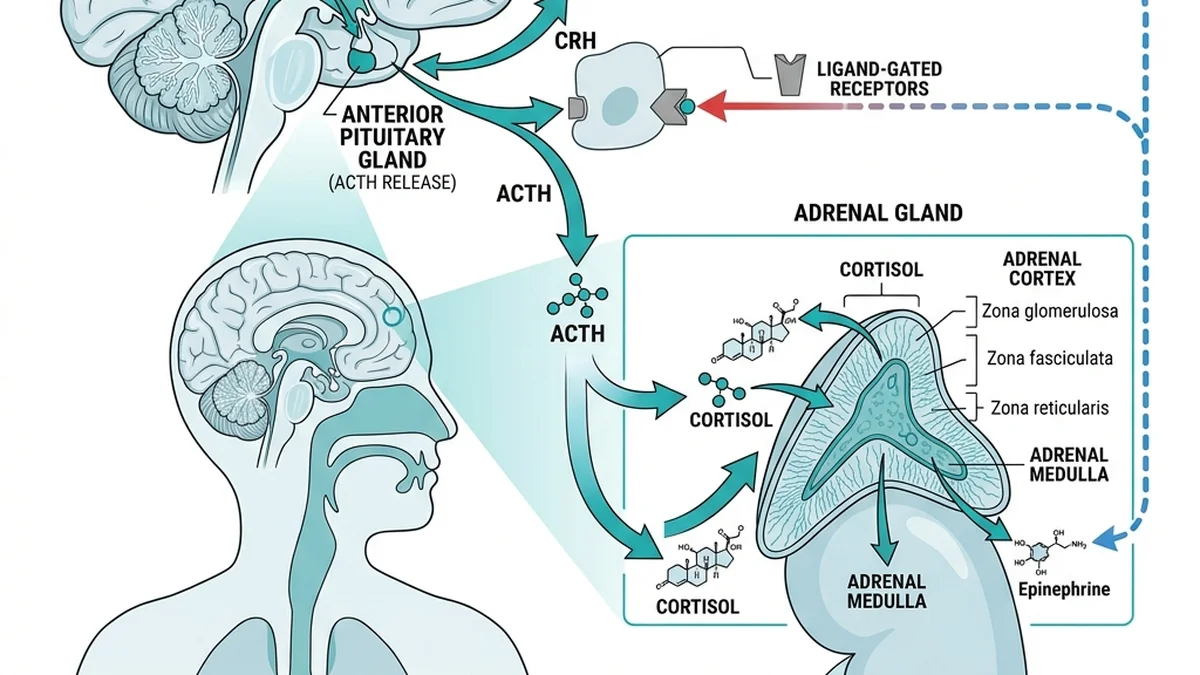
Cortisol performs essential functions during this morning window:
- Hepatic gluconeogenesis: Cortisol acts on glucocorticoid receptors (GRs) in the liver to upregulate phosphoenolpyruvate carboxykinase (PEPCK) and glucose-6-phosphatase, driving glucose production from amino acids and glycerol. This provides the brain's primary fuel substrate for the first active hours of the day before the first meal.
- Immune modulation: The morning cortisol surge suppresses pro-inflammatory cytokine production (TNF-alpha, IL-6) and modulates leukocyte trafficking from bone marrow. This is part of the normal immunomodulatory cycle and helps calibrate immune readiness for the day.
- Cardiovascular activation: Cortisol sensitizes vascular smooth muscle to catecholamines (norepinephrine, epinephrine) and upregulates angiotensin II receptors, increasing peripheral vascular resistance and supporting the blood pressure required for standing upright, effectively opposing orthostatic hypotension.
- Cognitive priming: Moderate cortisol levels facilitate working memory, sustained attention, and prefrontal cortex activity via mineralocorticoid receptor (MR) activation in the hippocampus, which predominates at the lower cortisol concentrations typical of the early post-waking period.
When the CAR Becomes Dysregulated: Clinical Consequences
The CAR becomes clinically problematic when it is chronically exaggerated, when the normal decline back toward baseline is blunted, or when cortisol remains abnormally elevated across the full daily rhythm. Bruce McEwen at Rockefeller University described this pattern as allostatic overload: the cumulative physiological cost of repeated or chronic stress-driven HPA axis activation. This persistent neuroendocrine drive can increase intestinal permeability, proving that stabilizing the gut brain axis and anxiety pathways is necessary to reduce chronic systemic stress.
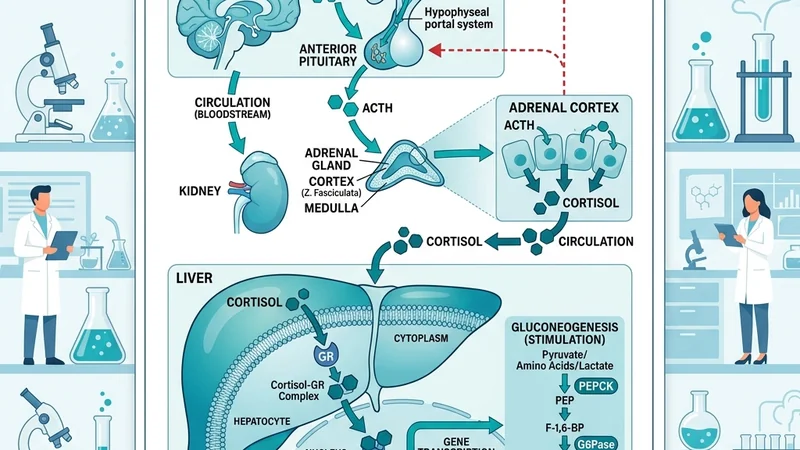
The downstream consequences of a dysregulated CAR include:
- Visceral adiposity: Glucocorticoid receptors are expressed at substantially higher density in omental (visceral) fat than in subcutaneous fat. Chronic cortisol exposure selectively drives lipid deposition in visceral depots via lipoprotein lipase (LPL) upregulation. Visceral adipose tissue then secretes pro-inflammatory adipokines and free fatty acids directly into the portal Circulation, further impairing hepatic insulin sensitivity.
- Insulin resistance: Cortisol inhibits insulin-stimulated glucose uptake in peripheral tissues by suppressing GLUT4 translocation in skeletal muscle and adipose tissue. Simultaneously, cortisol-driven hepatic gluconeogenesis raises fasting glucose. The resulting compensatory hyperinsulinemia can progressively impair pancreatic beta cell function.
- Sleep architecture disruption: Cortisol and melatonin maintain a reciprocal rhythm. Elevated afternoon and evening cortisol suppresses pineal melatonin secretion via CRH pathway modulation of the suprachiasmatic nucleus (SCN) output to the pineal gland. This delays sleep onset, reduces deep NREM sleep duration, and creates a negative feedback loop where fragmented sleep then elevates the next morning's CAR further.
- Hippocampal neuroplasticity impairment: Chronic glucocorticoid excess accelerates hippocampal neuronal apoptosis and reduces BDNF (brain-derived neurotrophic factor) synthesis. This mechanism underlies the association between chronic stress and impaired episodic memory, and partly explains the elevated risk of depressive illness in chronically high-cortisol states.
- Immune dysregulation: While acute cortisol is anti-inflammatory, chronic sustained elevation leads to glucocorticoid resistance in immune cells, producing a paradoxical pro-inflammatory shift. This is one mechanism behind the increased infection susceptibility and persistent low-grade inflammation seen in individuals with chronic allostatic load.
| Protocol | Physiological Mechanism | Actionable Target | Clinical Impact |
|---|---|---|---|
| 1. Retinal Photon Anchor | Melanopsin activation in ipRGCs; RHT pathways to SCN master clock. | 10–20 mins outdoor light within 30–60 mins of waking. | Robust morning cortisol peak and clean afternoon decline. |
| 2. 90-Minute Caffeine Delay | Competitive adenosine receptor block; prevents early catecholamine surge. | Delay caffeine intake by 90–120 minutes post-waking. | Prevents late morning cortisol spikes and afternoon energy crashes. |
| 3. Electrolyte Rehydration | OVLT osmoreceptor restoration; blunts posterior pituitary vasopressin (AVP) output. | 400–500 mL water with trace electrolytes immediately upon waking. | Reduces volume-depletion stress and lowers baseline HPA axis stimulation. |
| 4. Controlled Movement | AMPK pathways drive GLUT4 translocation; parasympathetic cold shock reset. | 10–15 mins low-intensity walk or a 30–60s cold shower. | Upregulates non-insulin glucose disposal and stabilizes autonomic tone. |
| 5. Anti-Inflammatory Breakfast | Blunts insulin kinetics; prevents reactive hypoglycemia-activated CRH response. | 20–30g protein + healthy fats; zero refined sugars or juices. | Maintains stable post-CAR blood sugar curves and avoids cortisol rebounds. |
| 6. Sleep Optimization | NREM growth hormone pulse; physiological HPA feedback modulation. | 7–9 hours sleep; cool room (18–20°C); consistent sleep/wake times. | Lowers morning cortisol baseline and reduces accumulated allostatic load. |
6 Evidence-Based Protocols to Optimize the Morning CAR
Protocol 1: The Retinal Photon Anchor (Morning Light Exposure)
The single most powerful behaviorally modifiable input to the Cortisol Awakening Response is light exposure in the first 30 to 60 minutes of waking. The mechanism operates through intrinsically photosensitive retinal ganglion cells (ipRGCs), a specialized class of retinal cells that express the photopigment melanopsin, which is maximally sensitive to short-wavelength light at approximately 480 nm in the blue spectrum.
ipRGCs project directly to the suprachiasmatic nucleus (SCN) via the retinohypothalamic tract (RHT). The SCN is the master circadian pacemaker, a paired nucleus of approximately 10,000 neurons in the anterior hypothalamus that coordinates the timing of the HPA axis through its projections to the paraventricular nucleus (PVN), where the CRH neurons that initiate the cortisol cascade reside. A strong early photon signal anchors the circadian clock to local solar time, establishing a precise cortisol off-ramp: a predictable decline from the morning peak toward a low baseline by early afternoon.
Without this morning photon anchor, the SCN continues to operate in a state of relative uncertainty about local time, prolonging low-amplitude CRH drive throughout the day. Research published in the Journal of Clinical Endocrinology and Metabolism (Scheer and Buijs, 1999) demonstrated that morning bright light exposure significantly elevated morning salivary cortisol in subjects who received light versus those in dim conditions, consistent with the idea that a robust morning cortisol peak followed by a clean decline, rather than a flat blunted curve, represents a healthy anchored CAR.
Outdoor sunlight provides approximately 50,000 to 100,000 lux even under overcast conditions, compared to indoor lighting which typically delivers only 100 to 500 lux. Even 10 to 20 minutes of outdoor exposure within 30 to 60 minutes of waking may meaningfully support CAR entrainment. On cloudy days or during winter months at northern latitudes, a 10,000 lux broad-spectrum light therapy lamp placed at approximately 50 cm can partially substitute, though outdoor exposure is preferred due to the full spectral richness of natural light.
Dr. Andrew Huberman (Stanford Neuroscience) on the clinical impact of morning light on cortisol regulation, circadian entrainment, and daytime alertness.
Protocol 2: The 90-Minute Caffeine Delay
Consuming caffeine immediately upon waking is one of the most physiologically counterproductive morning behaviors in common practice. Understanding why requires a review of adenosine kinetics and the pharmacodynamics of caffeine.
Adenosine is a purine nucleoside that accumulates progressively in the interstitial fluid of the brain as a byproduct of neuronal metabolism during waking hours (Process S, or sleep pressure). It binds to adenosine A1 and A2A receptors with increasing occupation, producing the graduated fatigue and sleepiness that builds throughout the day and drives sleep onset at night. Caffeine is a non-selective competitive antagonist at these receptors: it occupies the adenosine receptors without activating them, temporarily masking fatigue signals without reducing adenosine levels.
The critical problem with early-morning caffeine is twofold. First, during the CAR window (0 to 90 minutes post-waking), adenosine levels are near their natural daily low point after overnight cerebrospinal fluid clearance. There is relatively little adenosine to block at this time. Caffeine's stimulatory effect in this window is therefore substantially mediated through a second mechanism: stimulation of catecholamine release. Caffeine indirectly increases norepinephrine and epinephrine output, which further activates the adrenal cortex and extends cortisol elevation beyond its natural decline window.
Research by Lovallo et al. (2006) published in Psychosomatic Medicine demonstrated that caffeine consumed in the morning produced significant cortisol increases across the waking hours compared to placebo, with effects that were measurable even in habitual caffeine consumers. Second, by occupying adenosine receptors during the low-adenosine morning window, early caffeine delays the natural adenosine re-accumulation that creates healthy midday mental fatigue. When caffeine eventually wears off in the early afternoon, the adenosine that has been accumulating since waking all binds simultaneously to now-unoccupied receptors, producing the characteristic afternoon energy crash.
The practical protocol: consume no caffeine during the first 90 to 120 minutes after waking. Allow the natural CAR to complete its arc and begin declining. Consume the first caffeine dose after this window for optimal alertness, reduced crash severity, and a lower cortisol co-elevation burden in the late morning.
Protocol 3: Electrolyte Rehydration as First Input
During 7 to 8 hours of sleep, the body loses 400 to 600 mL of water through respiratory losses (exhaled water vapor) and transepidermal diffusion, even without visible sweating. This mild but consistent overnight dehydration has a direct, mechanistically traceable effect on the HPA axis.
Reduced plasma volume activates overlapping physiological systems. The osmoreceptors in the hypothalamic organum vasculosum of the lamina terminalis (OVLT) detect the rise in serum osmolality and trigger arginine vasopressin (AVP, antidiuretic hormone) release from the posterior pituitary. Simultaneously, reduced renal perfusion pressure activates the renin-angiotensin-aldosterone system (RAAS), generating angiotensin II. Both AVP and angiotensin II are stress signals that share proximal activation of hypothalamic CRH neurons with the cortisol pathway. Mild morning dehydration is, in mechanistic terms, a physiological stressor that can sustain elevated CRH drive and prolong the morning cortisol window.
The rehydration protocol: consume 400 to 500 mL of water within 10 minutes of waking, before any other input including caffeine. Adding a small quantity of electrolytes (sodium, potassium, and magnesium) supports rapid plasma volume restoration and may blunt the AVP-mediated cortisol co-elevation. Avoid substituting coffee or juice for this initial water intake, as both contain compounds that complicate the hormonal environment at this time. To calculate precise daily hydration targets based on your weight, activity level, and climate, use the free water intake calculator.
Protocol 4: Controlled Morning Movement
Brief, low-intensity physical activity in the first hour after waking may support healthy CAR completion through multiple converging pathways. Skeletal muscle contraction activates AMP-activated protein kinase (AMPK), which upregulates insulin-independent glucose uptake via GLUT4 translocation and reduces hepatic gluconeogenesis demand. This lowers the morning glucose-cortisol co-elevation that would otherwise be sustained by the liver's cortisol-driven glucose output without external glucose disposal. Even a 10 to 15 minute walk activates this pathway sufficiently to begin this effect. For beginners, incorporating the best yoga poses for beginners is an excellent way to introduce gentle, low-intensity movement that stabilizes autonomic tone without triggering a secondary cortisol spike.
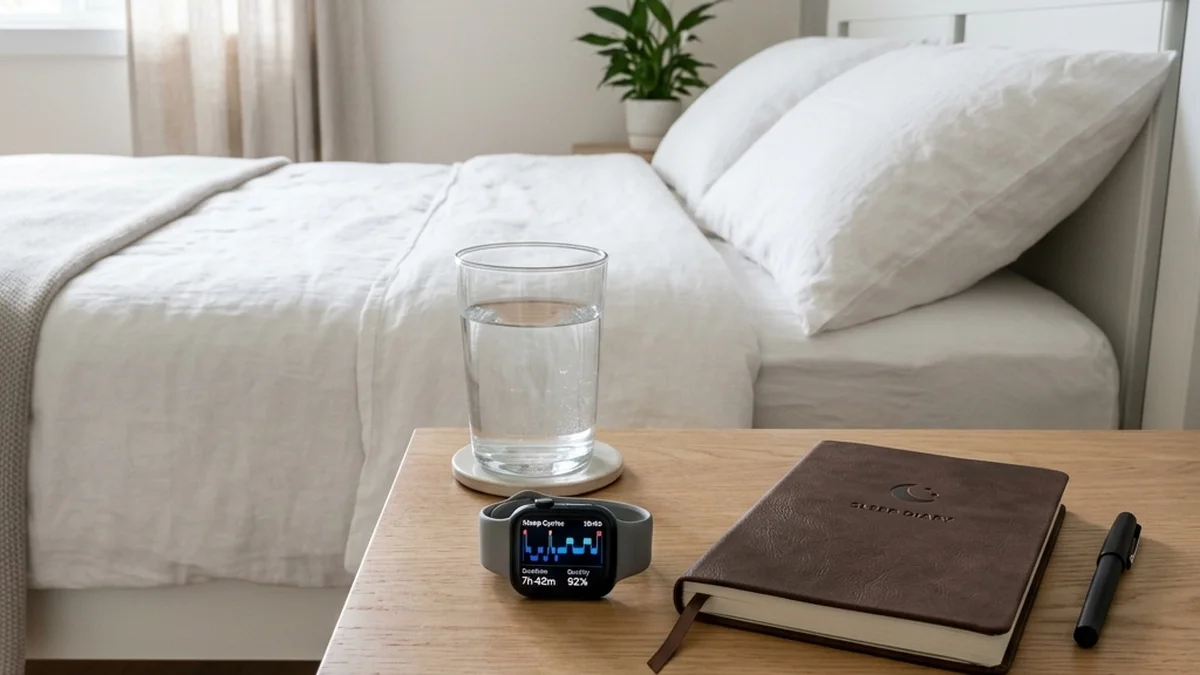
Cold water immersion has received growing research attention as a morning protocol. Brief cold exposure (a 30 to 60 second cold shower, or brief immersion in cool water below 15 degrees Celsius) produces a rapid norepinephrine surge followed by a parasympathetic rebound as body temperature stabilizes. This controlled hormetic stress may help reset autonomic balance toward a calmer post-CAR state, though the clinical trial evidence in non-athletic general populations remains preliminary. Individuals with cardiovascular conditions should consult a physician before attempting cold water immersion.
An important caution: high-intensity interval training (HIIT) or heavy resistance training immediately upon waking, while the CAR is at its peak, adds an additional acute cortisol stimulus to an already-elevated baseline. For individuals with already dysregulated CAR patterns, this can extend the cortisol elevation further into the late morning. Low to moderate intensity movement (walking, light yoga, mobility work, low-intensity cycling) is preferable in the immediate post-waking window. Reserve high-intensity training for 2 or more hours after waking, after the primary CAR has resolved.
Protocol 5: Anti-Inflammatory Breakfast Composition
The composition of the first meal significantly influences the post-CAR cortisol trajectory through three specific nutritional mechanisms.
Glycemic load and reactive hypoglycemia prevention. A high-glycemic index breakfast (refined carbohydrates, sweetened cereals, fruit juice) produces a rapid blood glucose spike followed by an exaggerated insulin response. The subsequent reactive hypoglycemia (blood glucose falling below fasting baseline by 90 to 120 minutes post-meal) triggers a secondary cortisol release via hypoglycemia-activated hypothalamic CRH secretion. This secondary spike compounds the CAR and extends the elevated cortisol period into the midday. Starting the day with 20 to 30 g of protein alongside healthy fats (avocado, eggs, nuts, olive oil) blunts glycemic variability and reduces the probability of this secondary cortisol rebound.
Omega-3 fatty acids and HPA axis tone. EPA (eicosapentaenoic acid) and DHA (docosahexaenoic acid) from marine sources inhibit the arachidonic acid pathway, reducing the synthesis of pro-inflammatory prostaglandins and leukotrienes. Systemic low-grade inflammation is a recognized activator of the HPA axis through cytokine-mediated CRH stimulation. Regular supplementation using the best omega-3 supplements buying guide is associated with reduced basal cortisol levels in studies published in Psychoneuroendocrinology, though dietary omega-3 alone is not a substitute for the lifestyle protocols described in this guide.
Magnesium. Magnesium acts as a natural N-methyl-D-aspartate (NMDA) receptor antagonist. Glutamate-mediated NMDA receptor overactivation in the hypothalamic paraventricular nucleus (PVN) is one pathway through which stress signals are transduced into CRH release. Dietary magnesium deficiency is associated with elevated urinary cortisol excretion. Food sources include dark leafy greens (spinach, Swiss chard), pumpkin seeds, dark chocolate (70%+), almonds, and legumes. Magnesium glycinate supplementation at 200 to 400 mg elemental magnesium per day is generally well-tolerated but should be discussed with a healthcare provider before use, particularly in individuals with kidney conditions.
Protocol 6: Sleep Architecture Optimization (The Night Before)
The single largest modifiable driver of next-morning CAR magnitude is the quality of the preceding night's sleep. Sleep architecture optimization is therefore the foundational protocol, upon which all others depend. Following comprehensive sleep hygiene tips for insomnia is critical to stabilize these overnight circadian pathways and prevent morning cortisol surges. Furthermore, managing this morning vascular tone is a key part of managing high blood pressure naturally, as exaggerated waking cortisol spikes can drive arterial hypertension.
During deep NREM (slow-wave) sleep, the anterior pituitary releases growth hormone (GH) in its primary nocturnal pulse. GH and cortisol are physiologically antagonistic at the cellular level: GH promotes anabolic tissue repair, cellular autophagy (which is regulated by the circadian clock and specific fasting hours for autophagy timeline markers), and fat mobilization, while cortisol drives catabolism, glycogenolysis, and immune suppression. When deep NREM sleep is fragmented or insufficient, GH secretion is reduced, and one downstream consequence is a less-modulated CAR and an elevated morning cortisol baseline.
Research published in Psychoneuroendocrinology has demonstrated that partial sleep deprivation, defined as sleeping 4 to 6 hours instead of the recommended 7 to 9 hours for adults, significantly increases morning salivary cortisol output. Even a single night of sleep disruption produces measurable elevations in next-morning cortisol profiles. Chronic sleep debt compounds these effects progressively, creating a sustained allostatic load that behavioral morning protocols alone cannot fully compensate for.
Key sleep hygiene inputs that directly reduce CAR exaggeration include: consistent wake and sleep times (maintaining circadian phase stability), minimal blue-light exposure in the 2 hours before bed (to protect melatonin onset), avoiding alcohol within 3 hours of sleep (alcohol suppresses REM and fragments sleep architecture in the second half of the night; for chronic alcohol users who rely on the substance to manage morning stress, learning how to choose a rehab center with a medical detox protocol is essential to reset the HPA axis safely), and maintaining a bedroom temperature of 18 to 20 degrees Celsius (cool ambient temperature supports the body temperature drop required for deep NREM onset).
Use the Sleep Debt Calculator to establish your current accumulated sleep debt. If chronic stress, anxiety, or psychological burden is the primary driver of poor sleep, incorporating protocols for managing anxiety naturally without medication can help lower hyperarousal before bedtime, while the therapy needs assessment online can assist you in evaluating whether professional mental health support may be appropriate for your situation.
Health psychologist Kelly McGonigal (Stanford) on how stress perception influences physiological cortisol outcomes and how reframing your relationship with stress may improve long-term health.
Supplement Evidence Review: What the Research Currently Supports
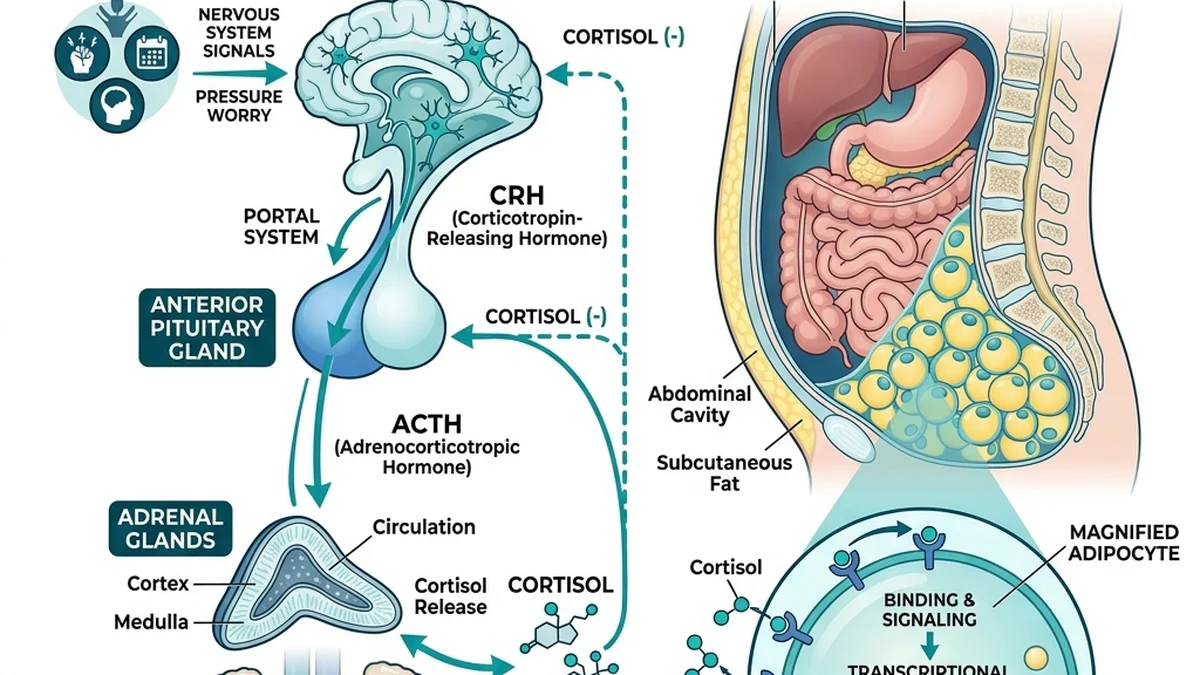
Several adaptogenic and nutritional compounds have been studied for their ability to modulate cortisol output. These are not replacements for the behavioral protocols described above. No supplement should be initiated without discussing it with a qualified healthcare provider, particularly in individuals with existing medical conditions, pregnancy, or who take prescription medications.
Ashwagandha (KSM-66 extract, Withania somnifera). A double-blind, randomized, placebo-controlled trial published in the Indian Journal of Psychological Medicine (Chandrasekhar et al., 2012) found that 300 mg twice daily of a high-concentration ashwagandha root extract produced a statistically significant 27.9% reduction in morning serum cortisol compared to placebo over 60 days, alongside improvements in self-reported stress and anxiety scores. The proposed mechanism involves downregulation of hypothalamic CRH expression via withanolide bioactives. The KSM-66 standardized extract is the most extensively studied form. Ashwagandha may interact with thyroid medications, immunosuppressants, and sedative drugs.
Phosphatidylserine (PS). Multiple studies, including work by Monteleone and colleagues published in Neuroendocrinology, have shown that phosphatidylserine at 400 to 800 mg per day can blunt the ACTH and cortisol response to exercise-induced and psychological stressors. PS is a phospholipid component of neuronal cell membranes and appears to modulate the limbic-hypothalamic-pituitary-adrenal axis at the hippocampal feedback level. Its safety profile is generally favorable, though it may have mild anticoagulant properties at high doses and should be used with caution in those on blood thinners.
Rhodiola Rosea. A randomized controlled trial published in Phytotherapy Research found that a standardized Rhodiola extract (200 to 400 mg/day of SHR-5) reduced subjective stress and partially attenuated the expected cortisol rises in medical students during examination periods. The proposed mechanisms include inhibition of monoamine oxidase (MAO) activity and modulation of the HPA axis via the rosavin and salidroside compounds. Rhodiola may cause mild insomnia if taken late in the day and can interact with stimulant medications.
L-Theanine. An amino acid found naturally in green and white tea, L-theanine potentiates GABAergic inhibitory neurotransmission and facilitates alpha-wave brain activity associated with relaxed alertness. Studies have shown that 200 to 400 mg of L-theanine can reduce subjective stress and salivary cortisol responses to cognitive tasks in healthy adults. When present in green tea alongside caffeine, L-theanine may moderate some of caffeine's acute stimulatory and cortisol-elevating effects, which may explain why tea-based caffeine intake is reported to produce less jitteriness than equivalent doses of coffee by some individuals.
Magnesium glycinate or malate. Magnesium is a cofactor in over 300 enzymatic reactions, including those governing neurotransmitter synthesis and receptor binding. An inverse relationship between dietary magnesium intake and both urinary cortisol excretion and perceived stress has been documented in epidemiological studies. Supplemental magnesium at 200 to 400 mg elemental magnesium per day, preferably as glycinate or malate for superior bioavailability versus the less-absorbable oxide form, may support HPA axis tone in individuals with suboptimal dietary magnesium intake, which is common in populations consuming processed food-dominant diets.
Tracking Your Morning Cortisol Awakening Response: Practical Signals
Several measurable proxy indicators can help you assess whether your CAR protocol is producing a benefit, without requiring laboratory equipment in most cases:
- Morning energy quality without stimulants: A normally functioning CAR should produce a clean, progressive rise in alertness and energy within the first 20 to 40 minutes of waking without requiring immediate caffeine. Persistent deep grogginess (sleep inertia) lasting beyond 45 to 60 minutes may indicate a blunted or delayed CAR, often linked to insufficient deep NREM sleep the night before.
- Morning heart rate variability (HRV): HRV measured while still lying down immediately upon waking reflects the autonomic tone of the nervous system. Higher HRV indicates greater parasympathetic dominance and a well-regulated HPA axis. Lower-than-usual HRV upon waking is one of the earliest signals of accumulated physiological stress and impending CAR exaggeration. Consumer-grade wearables (Oura ring, WHOOP, Garmin) can provide reliable morning HRV trends over days to weeks.
- Morning blood pressure pattern: Cortisol sensitizes vascular smooth muscle to catecholamines. Consistently elevated early-morning systolic blood pressure (above 130 mmHg before rising) may reflect a prolonged CAR. Use the Blood Pressure Checker and refer to our blood pressure chart by age to log morning readings and identify trends over time.
- Salivary cortisol testing: At-home saliva test kits allow formal measurement of the CAR. The standard protocol involves 4 to 5 saliva collections in the first 60 minutes post-waking. Results are analyzed by a laboratory and expressed as area under the curve (AUC), which can be compared to population reference ranges.
When to Seek Professional Medical Evaluation
The protocols in this guide address modifiable behavioral contributors to a dysregulated CAR in otherwise healthy adults. They are not appropriate substitutes for medical evaluation if signs of a pathological cortisol disorder are present.
Seek professional evaluation if you experience:
- Unexplained central obesity with a rounded face (moon face) and fat deposits at the back of the neck (buffalo hump), particularly combined with thin skin and easy bruising, which may suggest Cushing's syndrome (pathological hypercortisolism)
- Purple or reddish-pink stretch marks (striae) on the abdomen, thighs, or upper arms that appear rapidly
- Persistent severe morning fatigue, low blood pressure, extreme dizziness on standing, unexplained weight loss, and skin hyperpigmentation, which may indicate primary adrenal insufficiency (Addison's disease) or secondary adrenal insufficiency from pituitary dysfunction
- Rapidly progressing hypertension, hyperglycemia, or mood disturbances not explained by lifestyle factors
- Long-term use of oral corticosteroids (prednisone, dexamethasone, hydrocortisone), as these suppress the natural HPA axis and significantly alter the CAR profile
Formal diagnostic tests for cortisol include morning serum cortisol (collected between 7:00 and 9:00 AM), 24-hour urinary free cortisol, late-night salivary cortisol, and the low-dose dexamethasone suppression test. These tests are ordered and interpreted by an endocrinologist or internal medicine physician.
Frequently Asked Questions
What is the Cortisol Awakening Response and how long does it last?
The Cortisol Awakening Response (CAR) is a rapid, significant increase in cortisol secretion that occurs within the first 20 to 45 minutes after waking. It typically represents a 50 to 160% rise above the initial waking baseline, peaking around 20 to 30 minutes post-awakening before gradually declining through the late morning. The CAR is regulated by the hypothalamic-pituitary-adrenal (HPA) axis and is partly driven by psychological anticipation of the day ahead.
Is a high morning cortisol always a problem?
No. The Cortisol Awakening Response is physiologically necessary. Cortisol activates hepatic gluconeogenesis to provide glucose for the brain, primes the immune system, supports cardiovascular tone upon standing, and facilitates memory consolidation. The problem arises when cortisol remains pathologically elevated throughout the day or is chronically elevated due to ongoing stress, which is associated with sleep disruption, visceral fat accumulation, and immune dysregulation.
How does caffeine affect the morning cortisol spike?
Caffeine competitively inhibits adenosine A1 and A2A receptors in the brain and simultaneously stimulates additional cortisol release from the adrenal glands. When consumed during the peak CAR window (within the first 60 to 90 minutes of waking), caffeine can amplify and prolong the cortisol elevation. Waiting 90 to 120 minutes before consuming caffeine allows the natural CAR to complete its arc before introducing external stimulation.
Can you measure your own Cortisol Awakening Response at home?
Yes. Salivary cortisol testing kits allow at-home measurement of the CAR. The standard protocol involves collecting 4 to 5 saliva samples within the first hour of waking, which are then analyzed by a laboratory. Results are expressed as area under the curve (AUC). A doctor can order formal serum or 24-hour urinary free cortisol tests if clinical concern exists.
How does poor sleep affect morning cortisol levels?
Sleep deprivation and fragmented sleep are consistently associated with elevated next-morning cortisol levels. During deep NREM (slow-wave) sleep, growth hormone (GH) is secreted in its primary nocturnal pulse. GH and cortisol are physiologically antagonistic; insufficient GH release during poor sleep contributes to an exaggerated next-morning CAR. Research published in Psychoneuroendocrinology has demonstrated that even a single night of partial sleep restriction can significantly increase morning cortisol output.
Scientific References
- Chrousos GP. Stress and disorders of the stress system. Nature Reviews Endocrinology.
- McEwen BS. Neurobiology of stress and allostasis. Neurobiology of Learning and Memory.
- Sapolsky RM. Stress, the aging brain, and the mechanisms of neuron death. MIT Press.
- Hannibal KE, et al. Chronic stress, cortisol dysfunction, and pain. Physical Therapy Journal Journal Journal Journal.
Medical Disclaimer: This article is for general educational purposes only and does not constitute professional medical advice, diagnosis, or treatment. Always consult a qualified healthcare provider with questions about a medical condition. Do not stop or start medications without clinical supervision. See our full Medical Disclaimer and Editorial Policy.

Ganesh G Kamble
Ganesh G. Kamble is the founder and editor of Health is Heaven. He built this site after losing his father to a preventable condition, with the mission of providing clear, trackable health indicators so others can act early. His background is in the IT industry (16 years as an enterprise consultant) and he is not a medical professional; all medical content, formulas, and guides are reviewed by a credentialed medical reviewer/board before publication.