
Medically reviewed by: Health is Heaven Medical Review Board | Published by Ganesh G Kamble, Health is Heaven | Published: April 13, 2026 · Last updated: September 15, 2026
Determine Your Sleep Debt and Deficit
If you wake up feeling fatigued or want to track how much sleep you have missed over the past week, use our clinically designed calculator. Enter your nightly sleep duration into the free sleep debt calculator to instantly measure your accumulated sleep deficit.
Open Sleep Debt Calculator →1. Keep a Consistent Sleep Schedule: Circadian Biology and the SCN (Night Overview)
Going to bed and waking up at the same time every day, including on weekends, is one of the most powerful ways to support healthy sleep. This consistency anchors your circadian rhythm, which is the internal biological clock that coordinates physiological processes over a 24-hour cycle. The master regulator of this rhythm is the suprachiasmatic nucleus (SCN), a tiny region in the brain's hypothalamus containing about 20,000 neurons.
The SCN regulates the production of key hormones, body temperature changes, and gene expression based on the time of day. When you maintain a regular sleep schedule, the SCN coordinates the release of melatonin in the evening, preparing your body to fall asleep. If you shift your sleep schedule by sleeping in on weekends, you cause a temporary misalignment similar to jet lag, which makes it harder to fall asleep on Sunday night and leads to fatigue on Monday morning.
To support SCN coordination, try to keep your wake-up time consistent within a 30-minute window every day. If you go to bed late occasionally, it is usually better to wake up at your regular time and make up for the loss later with a short nap, rather than sleeping in and disrupting your circadian rhythm.
2. Morning Light Exposure: Retinal Signaling and Melatonin Suppression
Exposure to bright light early in the day is a key signal that sets your internal clock. When sunlight hits your eyes, it is detected by specialized cells in the retina called intrinsically photosensitive retinal ganglion cells (ipRGCs). These cells contain the light-sensitive protein melanopsin, which is highly responsive to blue light wavelengths present in natural sunlight.
When ipRGCs detect light, they send electrical signals directly to the SCN via the retinohypothalamic tract. The SCN then signals the pineal gland to stop producing melatonin, the hormone that promotes sleep. This suppression of melatonin helps you wake up and increases morning alertness. It also sets a timer for the evening, ensuring that melatonin production begins at the right time to help you fall asleep later.
Aim to get 10 to 30 minutes of natural sunlight within an hour of waking up. On clear days, 10 minutes is usually sufficient, while cloudy or overcast mornings may require 20 to 30 minutes. If you wake up before sunrise, using a high-lux light therapy box (10,000 lux) can provide a similar stabilizing effect on your circadian rhythm.
3. Avoid Bright Light in the Evening: Blue Light and Pineal Suppression
Just as morning light is essential for waking up, reducing light exposure in the evening is critical for falling asleep. Exposure to artificial light in the evening, especially the blue wavelengths emitted by smartphones, tablets, computers, and energy-efficient LED bulbs, can disrupt your sleep. Blue light penetrates the eye efficiently, stimulating melanopsin-containing cells and signaling the SCN that it is still daytime.
This light exposure suppresses melatonin release from the pineal gland, delaying the onset of sleep and reducing the amount of deep sleep you achieve. According to recent 2026 research published in sleep chronobiology journals, using a light-emitting screen in the hours before bed can shift your circadian rhythm by up to 1.5 hours, making you feel alert when you should be winding down. This mechanism is particularly pronounced in individuals aged 18-35, whose photosensitivity to blue light remains elevated compared to older adults.
To protect your melatonin production, dim household lights and turn off bright overhead fixtures two hours before bed. Limit screen use during this time, or use blue-light filtering software and amber-tinted glasses to reduce blue light exposure. Creating a dim environment in the evening supports natural melatonin synthesis, helping your body prepare for sleep.
4. Keep Your Bedroom Cool: Hypothalamic Thermoregulation
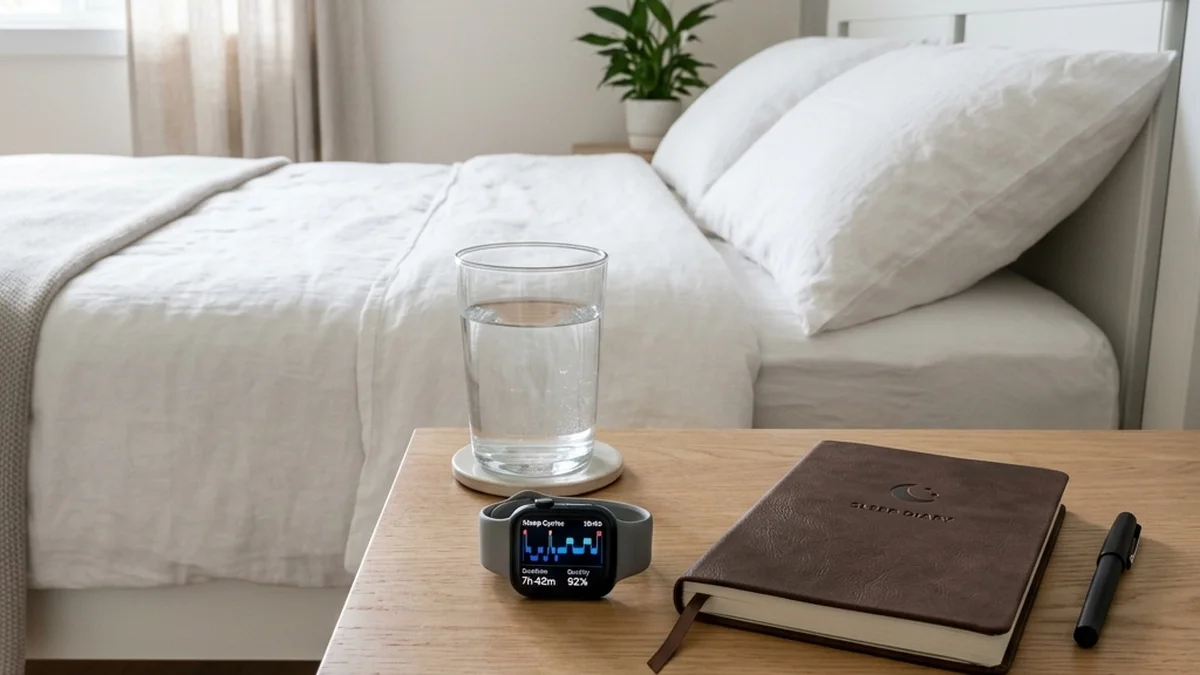
Your body temperature naturally changes throughout the day as part of your circadian cycle. In the late afternoon, your core body temperature peaks and then begins to fall, reaching its lowest point in the early morning. This drop in core temperature is a key signal that helps initiate sleep, as it is regulated by the preoptic area of the hypothalamus.
To support this drop in temperature, it is helpful to keep your bedroom cool. A room that is too warm can interfere with your body's ability to release heat, leading to restlessness and waking up during the night. Clinical research suggests that the optimal room temperature for sleep is between 60 and 67 degrees Fahrenheit (15 to 19 degrees Celsius).
If you cannot adjust your thermostat, you can support temperature regulation by using breathable cotton or linen bedding, keeping a window open, or using a fan to circulate air. Taking a warm bath or shower 90 minutes before bed can also help, as it increases blood flow to your hands and feet, allowing your core temperature to drop quickly when you get out.
5. Make the Bedroom Dark and Quiet: Minimizing Sensory Arousals
Your brain continues to process sensory information even while you sleep. Exposure to light and noise during the night can cause brief arousals, which are short bursts of brain activity that disrupt your sleep quality without fully waking you up. These disruptions can reduce the amount of deep, restorative sleep you get, leaving you feeling tired the next day.
Light entering the bedroom, such as from streetlights, electronic devices, or passing cars, can penetrate the eyelids and stimulate the SCN, suppressing melatonin and fragmenting sleep. Noise, especially sudden sounds, can activate the sympathetic nervous system, raising your heart rate and shifting you into lighter stages of sleep.
To create a quiet, dark environment, consider using blackout curtains to block outside light, or wear a comfortable eye mask. To manage noise, you can use a white noise machine or a fan to create a steady background sound, or use earplugs to block out disruptive noises.
6. Limit Caffeine After Noon: Adenosine Receptor Kinetics
To understand how caffeine affects sleep, it is helpful to look at adenosine, a chemical that builds up in the brain during the day. As you stay awake, adenosine levels rise, binding to receptors in the brain and increasing what is known as sleep pressure, which is the natural drive to sleep. During sleep, your body clears adenosine, resetting the cycle for the next day.
Caffeine works as an adenosine receptor antagonist. Because its molecular structure is similar to adenosine, it binds to these receptors without activating them, blocking adenosine from binding. This temporarily masks sleep pressure, making you feel alert. However, caffeine has a half-life of about 5 to 7 hours, and a quarter-life of up to 12 hours, meaning a significant amount remains in your system long after consumption.
To prevent caffeine from interfering with your sleep, it is best to avoid it after 12:00 PM. This cutoff gives your body enough time to clear the stimulant, allowing adenosine to bind to its receptors and support a natural transition to sleep in the evening.
7. Avoid Alcohol Close to Bedtime: Sleep Architecture Disruption
While alcohol is a sedative that can help you fall asleep faster, it has a negative impact on overall sleep quality (and you can track your clearance rate with our blood alcohol content calculator; for chronic alcohol users seeking to restore their sleep architecture, learning how to choose a rehab center with professional medical detox capabilities is key). Alcohol disrupts your sleep architecture, which is the natural structure of sleep stages, including light sleep, deep sleep, and Rapid Eye Movement (REM) sleep. REM sleep is particularly important for cognitive processes like memory consolidation and emotional regulation.
Initially, alcohol acts as a central nervous system depressant, increasing slow-wave (deep) sleep in the first half of the night. However, as your liver metabolizes the alcohol, its sedative effects wear off, leading to a rebound effect. This metabolism can trigger mild withdrawal symptoms, increase waking, and suppress REM sleep during the second half of the night.
Furthermore, alcohol relaxes the muscles in the throat, which can worsen breathing issues like snoring and sleep apnea. To protect your sleep quality, it is best to avoid alcohol for at least 3 to 4 hours before bedtime, allowing your body to process it before you sleep.
8. Avoid Large Meals Late: Digestion and Metabolic Conflicts
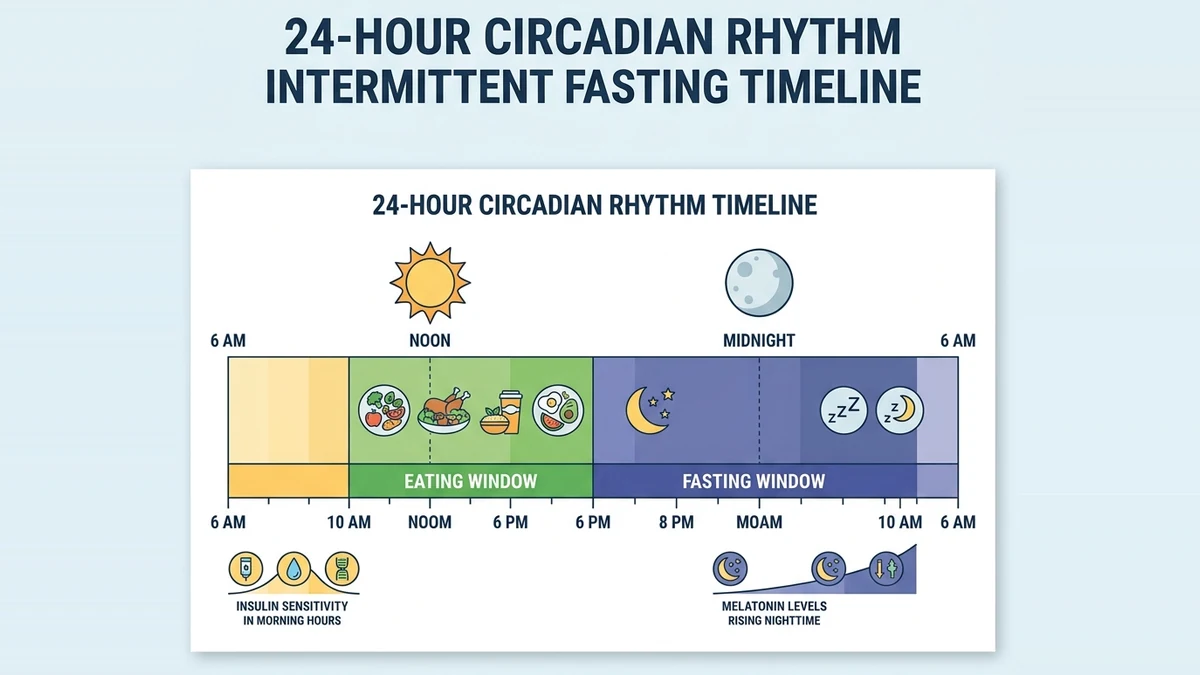
Consuming heavy meals close to bedtime can interfere with sleep quality. Digestion requires significant energy, increasing blood flow to the digestive tract and raising your metabolic rate and body temperature. This increase in temperature directly conflicts with the natural

Ganesh G Kamble
Ganesh G. Kamble is the founder and editor of Health is Heaven. He built this site after losing his father to a preventable condition, with the mission of providing clear, trackable health indicators so others can act early. His background is in the IT industry (16 years as an enterprise consultant) and he is not a medical professional; all medical content, formulas, and guides are reviewed by a credentialed medical reviewer/board before publication.