
Medically reviewed by: Health is Heaven Medical Review Board | Published by Ganesh G Kamble, Health is Heaven | Published: April 19, 2026 · Last updated: July 20, 2026
Anxiety is one of the most common and clinically significant mental health concerns worldwide, and finding strategies for managing anxiety naturally without medication has become a primary clinical focus for millions seeking somatic relief. According to the World Health Organization (WHO), an estimated 4 percent of the global population currently live with a diagnosed anxiety disorder. Millions more experience sub-clinical anxious feelings that, while not meeting the formal diagnostic criteria for a psychiatric condition, still significantly impair cognitive performance, occupational productivity, sleep quality, and overall physiological wellbeing. For individuals seeking to understand their mental health, including specialized methods like emdr therapy for ptsd cost and benefits, standard diagnostic tools such as our therapy needs assessment online assist in translating emotional and somatic symptoms into structured categories, helping prepare for meaningful discussions with licensed professionals on the best online therapy platforms.
Modern clinical neuroscience conceptualizes anxiety not simply as a character trait or temporary mood, but as a complex physiological state driven by specific central nervous system pathways. When anxiety becomes chronic, it shifts from a survival mechanism into a systemic stressor that affects cardiovascular function, hormonal balance, gastrointestinal motility, and cellular inflammation. This clinical guide details ten evidence-based, scientifically validated approaches to down-regulate the nervous system, mitigate chronic stress, and restore homeostatic balance. These interventions can complement professional psychotherapy and pharmacological management or serve as standalone preventive practices for daily stress regulation. Exploring additional science based stress management techniques can provide further tools to calm sympathetic activation and build resilience.

Evaluate Your Mental Health and Sleep Support
If you are experiencing symptoms of chronic stress, nervousness, or sleep disruption, use our free, clinically validated tools to evaluate your symptom severity and calculate your sleep metrics. Take the Therapy Needs Self-Assessment to structure your symptoms, or check your recovery requirements with the free sleep debt calculator. Additionally, adopting structured protocols on how to sleep better at night naturally or exploring simple home remedies for acid reflux can systematically resolve anxious arousal before bed.
Open Therapy Needs Self-Assessment →1. The Neurobiology of Anxiety: Amygdala Hyperactivity and HPA Axis Deregulation
To effectively manage anxiety, it is essential to understand the underlying neurological mechanisms that generate the anxious state. At the core of the brain's threat-detection system is the amygdala, a pair of small, almond-shaped nuclei located deep within the temporal lobes. The amygdala processes sensory inputs and determines whether a stimulus represents a threat. When a threat is perceived, the amygdala initiates a rapid response by activating the hypothalamus, which serves as the command center for the endocrine and autonomic nervous systems.
This activation triggers two primary pathways:
SPONSORED CONTENT
- The Sympathomedullary (SAM) Pathway: This pathway provides an immediate, short-term response. The hypothalamus stimulates the adrenal medulla via the sympathetic nervous system to release catecholamines (adrenaline and noradrenaline). This release causes immediate physical changes: increased heart rate, elevated blood pressure (which can be evaluated using our blood pressure chart by age), bronchial dilation, and blood flow redirection to skeletal muscles.
- The Hypothalamic-Pituitary-Adrenal (HPA) Axis: This pathway manages the long-term stress response. The hypothalamus releases Corticotropin-Releasing Hormone (CRH), which prompts the anterior pituitary gland to secrete Adrenocorticotropic Hormone (ACTH). ACTH travels through the bloodstream to the adrenal cortex, stimulating the synthesis and release of glucocorticoids, primarily cortisol.

Cortisol binds to glucocorticoid receptors throughout the body, mobilizing glucose stores, suppressing non-essential functions (such as digestion and reproduction), and modulating immune activity. Under normal conditions, a negative feedback loop regulates this system: rising cortisol levels bind to receptors in the hippocampus and hypothalamus, shutting down further CRH and ACTH release. However, in cases of chronic anxiety, this negative feedback loop becomes impaired. The brain experiences glucocorticoid receptor resistance, leading to persistent HPA axis hyperactivity and chronically elevated cortisol levels, which damage neural tissue, particularly within the hippocampus, and alter neurotransmitter balance (including GABA, serotonin, and dopamine). Chronically elevated morning cortisol levels can trigger physical symptoms like a racing heart and morning anxiety. Learning how to stop a morning cortisol spike is critical for breaking this HPA axis feedback loop and restoring baseline balance.
2. Daily Physical Activity: BDNF Stimulation and Neurogenesis
Regular physical exercise is one of the most powerful lifestyle interventions available for reducing anxiety. A 2022 clinical review published in JAMA Psychiatry demonstrated that adults engaging in physical activity equivalent to 2.5 hours of brisk walking per week—which delivers the same health benefits of walking 30 minutes a day—experienced a 25 percent lower risk of depression and anxiety compared to inactive peers. The mechanisms behind the anxiolytic effects of exercise are both physiological and neurochemical.
During aerobic exercise, the brain increases the expression of Brain-Derived Neurotrophic Factor (BDNF), a protein that supports neural survival, synaptic plasticity, and neurogenesis (the growth of new neurons) in the hippocampus. Chronic anxiety is associated with hippocampal atrophy (shrinkage), and BDNF-induced neurogenesis helps repair and rebuild these pathways, improving cognitive flexibility and emotional regulation. Additionally, exercise increases the synthesis of beta-endorphins (natural pain relievers) and modulates the levels of serotonin, noradrenaline, and gamma-aminobutyric acid (GABA), which helps stabilize mood and reduce autonomic nervous system arousal. If high-intensity exercise feels too taxing during periods of acute stress, initiating a routine with the best yoga poses for beginners offers a low-impact alternative that stimulates GABA synthesis and encourages parasympathetic activation.
Clinical exercise guidelines for anxiety management suggest:
- Type: Moderate-intensity aerobic exercise (such as brisk walking, swimming, cycling, or rowing) combined with resistance training.
- Duration: 30 to 45 minutes per session, 4 to 5 times per week, aiming for at least 150 minutes of moderate-intensity activity weekly.
- Intensity: Working at 60 to 70 percent of your maximum heart rate, which you can calculate using our free target heart rate calculator.
3. Diaphragmatic Breathing: Vagus Nerve Stimulation and HRV Calibration
Diaphragmatic breathing (also known as abdominal or deep breathing) is a fast-acting tool that can reduce acute anxiety and physiological arousal in minutes. In moments of panic or high stress, breathing becomes shallow and rapid, a state known as hyperventilation. Shallow breathing reduces carbon dioxide levels in the blood, causing vasoconstriction (narrowing of blood vessels) and worsening physical symptoms such as dizziness, tingling, and heart palpitations. Deep breathing reverses this process.
When you breathe deeply using the diaphragm, the expansion of the abdomen stimulates the vagus nerve, the primary nerve of the parasympathetic nervous system. Vagal stimulation releases acetylcholine, a neurotransmitter that signals the heart to slow down, reduces blood pressure, and relaxes muscle tension. This shifts the body's balance away from sympathetic dominant flight-or-fight activity toward parasympathetic recovery and relaxation. This autonomic shift is also a foundational mechanism of managing high blood pressure naturally by decreasing vasoconstrictive sympathetic drive.
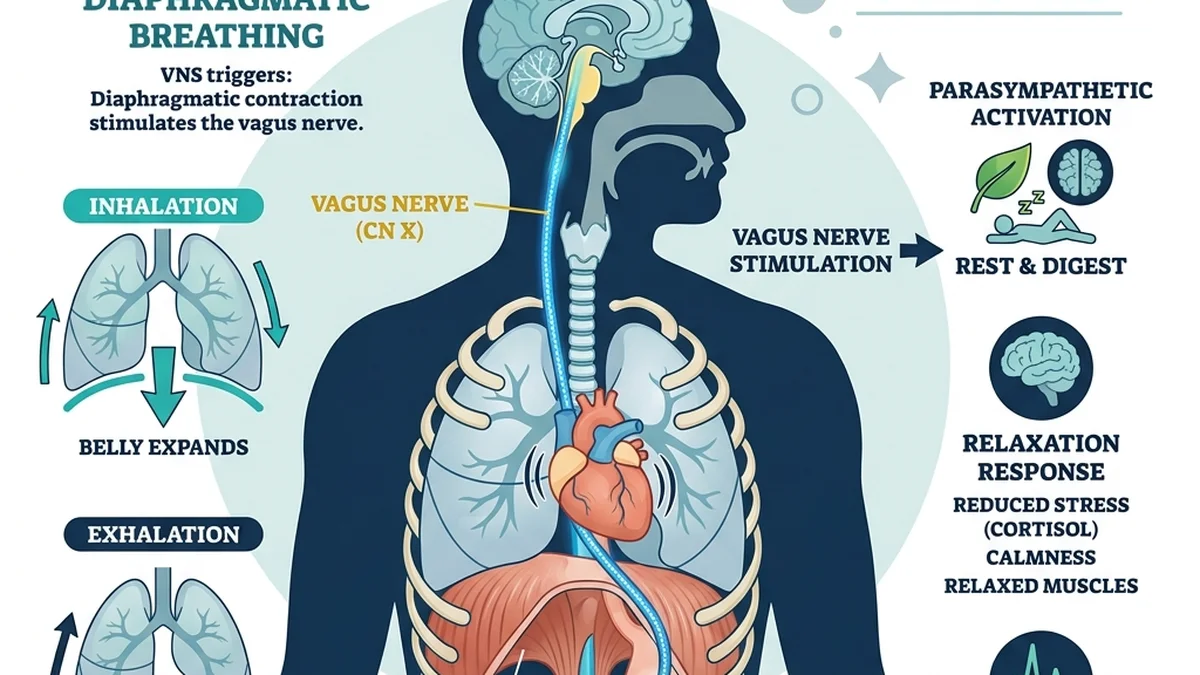
A simple, evidence-based technique is the 4-4-6 Resonant Breathing Protocol:
- Inhale slowly through the nose for 4 seconds, allowing the abdomen to expand outward while keeping the chest relatively still.
- Hold the breath gently for a count of 4 seconds.
- Exhale slowly through pursed lips for 6 seconds, letting the abdomen sink inward. Extending the exhale longer than the inhale is the key to maximizing vagal activation.
- Repeat this cycle for 5 to 10 minutes. Practicing this protocol twice daily can help stabilize Heart Rate Variability (HRV) and build resilience to stress over time.
4. Caffeine Elimination: Mitigating Adenosine Receptor Antagonism
Caffeine is a central nervous system stimulant consumed by millions daily, but for individuals prone to anxiety, it can act as a trigger for panic attacks and chronic nervousness. Caffeine's primary mechanism of action is adenosine receptor antagonism. Adenosine is an inhibitory neurotransmitter that accumulates in the brain throughout the day, binding to adenosine receptors to promote drowsiness and physical relaxation. By blocking these receptors, caffeine prevents adenosine from binding, leading to increased alertness.
However, blocking adenosine receptors also increases the release of excitatory neurotransmitters, particularly dopamine, glutamate, and noradrenaline. This neurotransmitter surge stimulates the HPA axis and triggers the release of adrenaline, raising heart rate, elevating blood pressure, and causing muscle tension. In people with high anxiety sensitivity, these physical changes are often interpreted by the amygdala as signs of danger, creating a loop that can lead to acute panic. A study published in Neuropsychopharmacology showed that caffeine doses as low as 150 mg (about one cup of strong coffee) can increase anxiety and trigger panic attacks in susceptible individuals.
If you choose to reduce or eliminate caffeine, it is important to do so gradually over 7 to 10 days rather than stopping abruptly. Sudden caffeine withdrawal can cause temporary side effects, including severe headaches, fatigue, irritability, and rebound anxiety. Slowly transition to decaffeinated alternatives or herbal teas to help minimize these withdrawal symptoms.
5. Sleep Hygiene and Circadian Synchronization
Sleep and anxiety share a close, bidirectional relationship: chronic anxiety disrupts sleep quality, while sleep deprivation increases reactivity to stress and impairs emotional regulation. According to the American Academy of Sleep Medicine, sleeping less than 7 hours per night impairs executive function, raises cortisol levels, and reduces the brain's ability to regulate the amygdala. This happens because sleep deprivation weakens the functional connectivity between the prefrontal cortex and the amygdala, making it harder for the brain's rational regions to calm emotional responses. Implementing structured sleep hygiene tips for insomnia is a critical behavioral intervention to restore this prefrontal connectivity and lower next-day anxiety.
To improve sleep quality and stabilize your nervous system, focus on circadian rhythm synchronization. The circadian master clock, located in the suprachiasmatic nucleus of the brain, coordinates the daily cycle of cortisol (which should peak in the morning) and melatonin (which should rise in the evening). Disrupting this cycle can cause hormonal imbalances that worsen anxiety. You can track your baseline sleep patterns and evaluate any deficits using our free sleep debt calculator.
A clinical sleep hygiene protocol for anxiety management includes:
- Consistent Sleep Schedule: Go to bed and wake up at the same time every day, including on weekends, to stabilize your circadian rhythm.
- Morning Light Exposure: Step outside within 30 minutes of waking for 10 to 15 minutes of natural sunlight. This exposure halts melatonin production and sets a timer for its release later that evening.
- Digital Wind-down: Avoid blue-light emitting screens (phones, tablets, computers) for at least 60 minutes before bed. Blue light stimulates melanopsin receptors in the eyes, which delays melatonin release.
- Optimized Environment: Keep the bedroom dark, quiet, and cool, ideally between 60°F and 67°F (15°C to 19°C), to support the body's natural temperature drop during sleep.
6. Mindfulness Meditation: MBSR Clinical Efficacy and Cortical Thickening
Mindfulness meditation, particularly structured Mindfulness-Based Stress Reduction (MBSR), has strong clinical support as an intervention for anxiety disorders. A randomized clinical trial published in JAMA Psychiatry compared an 8-week MBSR program directly with escitalopram, a standard selective serotonin reuptake inhibitor (SSRI) medication. The study found that MBSR was equally effective at reducing anxiety symptoms, offering a non-pharmacological option with minimal side effects.
Structural neuroimaging studies show that consistent mindfulness practice can lead to physical changes in the brain. Over time, practitioners show increased gray matter density in the prefrontal cortex, hippocampus, and temporoparietal junction, alongside a reduction in the volume of the amygdala. These structural changes correspond to better cognitive control, improved emotional regulation, and a less reactive threat-detection system.
A simple mindfulness protocol for beginners involves:
- Focused Attention: Sit comfortably in a quiet space for 10 to 15 minutes. Focus your attention on the physical sensation of your breath as it enters and leaves your body.
- Non-Judgmental Awareness: When your mind drifts (which is natural), notice the distraction without judgment or frustration. Simply label the thought (for example, "planning" or "worrying") and gently guide your focus back to the breath. This act of redirecting attention is the core exercise that strengthens prefrontal pathways.
7. Reducing Alcohol Consumption: Preventing the Hangxiety Loop
Many individuals use alcohol as a self-medication strategy to manage social anxiety or unwind after a stressful day (in cases of chronic dependence, learning how to choose a rehab center is essential for executing a safe medical detoxification). Alcohol acts as a central nervous system depressant by binding to GABA-A receptors, mimicking the effects of the brain's primary calming neurotransmitter. This action slows neural communication, which temporarily reduces anxiety, slows a racing mind, and promotes initial relaxation. For patients comparing treatment intensity options, analyzing the inpatient vs outpatient rehab cost is a critical step in establishing the right recovery setting.
However, the brain maintains balance through counter-regulatory mechanisms. As alcohol is metabolized and leaves the system, the brain tries to compensate for the artificial sedation. It down-regulates GABA receptors and increases the release of glutamate, the primary excitatory neurotransmitter. This shift creates a state of neural hyperexcitability, leading to the physical sensation of next-day anxiety (often referred to as "hangxiety").
For individuals with pre-existing anxiety, this rebound effect can be severe, sometimes triggering intense panic attacks. Additionally, alcohol disrupts sleep architecture by suppressing rapid eye movement (REM) sleep, which worsens next-day fatigue and reduces emotional resilience. Minimizing or eliminating alcohol is a key step in stabilizing baseline neurochemistry and breaking this cycle.
8. Nature Exposure: Phytoncides and Cortisol Down-Regulation
Spending time in natural environments (a practice known as forest bathing or shinrin-yoku in Japan) has measurable, physiological benefits for stress reduction. A study published in Scientific Reports analyzed data from over 20,000 participants and found that spending at least 120 minutes per week in natural settings (such as parks, forests, or beaches) was associated with significantly higher levels of self-reported health and wellbeing.
These benefits are driven by both sensory and biochemical factors. Trees and plants release organic compounds called phytoncides to protect themselves from insects and disease. When humans inhale these compounds, it stimulates the activity of natural killer (NK) cells and reduces the production of stress hormones like cortisol and adrenaline. Additionally, viewing natural patterns (fractals) and listening to natural sounds shifts autonomic balance away from sympathetic dominance toward parasympathetic recovery, helping to lower heart rate and reduce blood pressure.
9. Social Connection: Oxytocin Synthesis and Nervous System Co-Regulation
Human beings are evolutionary wired for social connection, and isolation acts as a chronic stressor that can amplify anxiety. Positive social interactions stimulate the release of oxytocin, a peptide hormone synthesized in the hypothalamus. Oxytocin plays a key role in social bonding and emotional regulation by directly inhibiting amygdala activity, lowering blood pressure, and reducing HPA axis sensitivity to stress.
Additionally, close relationships support nervous system co-regulation. When we interact with someone we trust, our autonomic nervous system can synchronize with theirs, helping to stabilize heart rate and promote a sense of safety. You do not need a large social network to benefit; maintaining a few close relationships where you feel heard and supported is highly protective. If you are feeling overwhelmed, consider participating in support groups, community activities, or volunteering to help build these supportive connections.
10. Digital Hygiene: News Limits and Social Media Dopamine Cycles
Constant exposure to news and social media can act as a significant trigger for modern anxiety. Most news and social media platforms rely on algorithms designed to capture attention by prioritizing sensational or alarming content. Regularly consuming this content can keep the amygdala in a state of high alert, reinforcing the belief that the environment is unsafe.
Social media use can also trigger unhealthy comparison loops, where users compare their daily lives to the curated highlights of others. This comparison can create feelings of inadequacy and social anxiety, while the search for validation (likes and comments) can create unstable dopamine feedback loops. To help protect your mental wellbeing, establish a digital hygiene protocol:
- Set Boundaries: Choose specific times to check the news (for example, 15 minutes in the morning and afternoon) rather than scrolling throughout the day.
- Manage Notifications: Turn off non-essential notifications on your phone to reduce frequent distractions.
- Establish Screen-Free Zones: Keep screens out of the bedroom and avoid using them during meals to encourage face-to-face interaction and support better sleep.
11. Cognitive Behavioral Therapy (CBT): Cognitive Reappraisal and Exposure
Cognitive Behavioral Therapy (CBT) is widely considered the gold standard psychotherapy for anxiety. CBT operates on a straightforward model: our thoughts, emotions, and behaviors are interconnected, and changing how we think and act can directly improve how we feel. As digital mental health platforms grow, understanding if is online therapy effective for delivering CBT protocols helps patients choose the right access point. Unlike unstructured therapy, CBT is goal-oriented, practical, and focused on helping patients build concrete skills for daily life.

CBT uses two main clinical strategies to address anxiety:
- Cognitive Restructuring: This process helps individuals identify and challenge common thinking errors (cognitive distortions) that fuel anxiety, such as catastrophizing (assuming the worst outcome) or mind-reading (assuming others are judging them). By examining the evidence for these thoughts, individuals can learn to replace them with more balanced perspectives.
- Exposure Therapy: Avoidance is a common response to anxiety, but it actually reinforces fear over time. Exposure therapy helps individuals gradually approach feared situations in a safe, controlled way. This practice allows the brain to experience the anxiety peak and naturally decline without the feared outcome occurring, a process known as habituation.
If you find that anxiety is significantly affecting your daily life, relationships, or work, consider working with a licensed therapist. For brief distractions in moments of acute stress, tools like our Stress Buster Game can also provide a helpful cognitive break.
12. Clinical Interventions: Comparing Lifestyle, Therapy, and Pharmacological Options
When developing an anxiety management plan, it is helpful to understand the range of available options. The table below compares common lifestyle, therapeutic, and pharmacological approaches, noting their typical onset, primary mechanism, and common considerations.
| Intervention | Typical Onset | Primary Mechanism | Key Considerations |
|---|---|---|---|
| Diaphragmatic Breathing | Minutes | Vagus nerve activation; parasympathetic dominance | No cost; can be practiced anywhere; immediate symptom relief. |
| Aerobic Exercise | Weeks | BDNF release; hippocampal neurogenesis; neurotransmitter regulation | Requires consistency; provides long-term cardiovascular benefits. |
| CBT (Psychotherapy) | Months | Cognitive restructuring; behavioral exposure; prefrontal control | Addresses root cognitive patterns; provides lasting skills. |
| SSRIs (Pharmacotherapy) | 4 to 6 weeks | Serotonin transporter inhibition; synaptic availability | Prescription required; requires daily adherence; potential side effects. |
| Beta-Blockers | Hours (as needed) | Sympathetic beta-receptor antagonism | Reduces physical symptoms (shaking, heart rate); does not address worry. |
13. Daily Anxiety Tracking Checklist
Using a structured checklist can help you track your daily stress management practices and identify patterns in your wellbeing. You can also explore our guide on the top science based stress management techniques for clinical tips. Share this log with your healthcare provider during checkups to help adjust your management plan.
| Practice | Daily Target | Weekly Checklist (M / T / W / T / F / S / S) | Notes / Observations |
|---|---|---|---|
| Aerobic Activity | 30+ minutes | [ ] [ ] [ ] [ ] [ ] [ ] [ ] | Record type of exercise and heart rate. |
| Resonant Breathing | 10 minutes (2x daily) | [ ] [ ] [ ] [ ] [ ] [ ] [ ] | Track changes in heart rate or tension. |
| Caffeine Limit | Less than 100 mg (or 0 mg) | [ ] [ ] [ ] [ ] [ ] [ ] [ ] | Note any coffee, tea, or soda consumption. |
| Nature Exposure | 20+ minutes | [ ] [ ] [ ] [ ] [ ] [ ] [ ] | Record time spent in parks or green spaces. |
| Digital Hygiene | Screen-free 60 mins before bed | [ ] [ ] [ ] [ ] [ ] [ ] [ ] | Note sleep quality and sleep latency. |
| Mindfulness Practice | 10+ minutes | [ ] [ ] [ ] [ ] [ ] [ ] [ ] | Note any challenges with focus or distraction. |
14. Clinical Frequently Asked Questions
What is the difference between daily stress and a clinical anxiety disorder?
Daily stress is typically a reaction to a clear external trigger, such as a deadline at work or a family disagreement, and generally resolves once the trigger is gone. In contrast, clinical anxiety is characterized by persistent, excessive worry that occurs even in the absence of an immediate threat. It often involves physical symptoms like heart palpitations or insomnia, can feel difficult to control, and can interfere with daily activities or relationships.
How long does it take for lifestyle changes to show a noticeable effect on anxiety?
Some interventions, such as diaphragmatic breathing or spending time in nature, can provide immediate, short-term relief by lowering acute physical arousal. Long-term changes, including regular exercise, improved sleep hygiene, or consistent mindfulness practice, typically require 4 to 8 weeks of steady practice to show lasting changes in baseline stress levels and emotional regulation.
Can dietary choices impact anxiety levels?
Yes. Diet can influence anxiety through several metabolic pathways. Consuming high-sugar foods or refined carbohydrates can cause rapid spikes and crashes in blood glucose. These glucose drops can trigger the release of adrenaline, causing symptoms that mimic or worsen feelings of panic. Additionally, since a significant portion of the body's serotonin receptors are located in the gut, supporting gut health with a diet rich in fiber and fermented foods can positively influence mood regulation. As explored in our clinical guide on the gut brain axis and anxiety, this bidirectional communication path plays a major role in mood disorders.
Why does anxiety often feel worse in the morning?
This is primarily driven by the cortisol awakening response (CAR). In the hour after waking, the body naturally increases cortisol production by 50 to 75 percent to help mobilize energy for the day. For individuals with chronic stress or HPA axis sensitivity, this normal hormone surge can feel like a sudden wave of morning anxiety, often accompanied by a rapid heart rate or racing thoughts.
How can I tell if a physical symptom is caused by anxiety or a medical condition?
Anxiety can cause many real physical symptoms, including chest tightness, dizziness, and digestive issues, which can overlap with symptoms of cardiovascular, respiratory (which can be clinically cross-referenced with our cold and flu symptom management guide), or thyroid conditions. Furthermore, chronic somatic anxiety can trigger diffuse hair shedding; addressing underlying stress is key when evaluating hair loss treatments for men that work (and mapping progress with our male pattern baldness calculator). Because of this overlap, it is important to have new or unexplained physical symptoms evaluated by a physician to rule out underlying medical causes and ensure you receive an accurate diagnosis.
15. High-Authority Educational Videos
To deepen your understanding of anxiety disorders and learn practical strategies for managing stress, watch these educational video guides from leading clinical institutions and medical professionals.
Mayo Clinic: Understanding Anxiety
Dr. Craig Sawchuk, a clinical psychologist at the Mayo Clinic, explains the symptoms, causes, and treatments for anxiety disorders.
TED Talk: Staying Calm Under Stress
Neuroscientist Daniel Levitin shares cognitive strategies for staying calm and making rational decisions under acute stress.
Scientific References
- Chrousos GP. Stress and disorders of the stress system. Nature Reviews Endocrinology.
- McEwen BS. Neurobiology of stress and allostasis. Neurobiology of Learning and Memory.
- Sapolsky RM. Stress, the aging brain, and the mechanisms of neuron death. MIT Press.
- Hannibal KE, et al. Chronic stress, cortisol dysfunction, and pain. Physical Therapy Journal Journal Journal Journal.
Medical Disclaimer: This article is for general educational purposes only and does not constitute professional medical advice, diagnosis, or treatment. Always consult a qualified healthcare provider with questions about a medical condition. Do not stop or start medications without clinical supervision. See our full Medical Disclaimer and Editorial Policy.

Ganesh G Kamble
Ganesh G. Kamble is the founder and editor of Health is Heaven. He built this site after losing his father to a preventable condition, with the mission of providing clear, trackable health indicators so others can act early. His background is in the IT industry (16 years as an enterprise consultant) and he is not a medical professional; all medical content, formulas, and guides are reviewed by a credentialed medical reviewer/board before publication.