
Medically reviewed by: Health is Heaven Medical Review Board | Published by Ganesh G Kamble, Health is Heaven | Published: April 19, 2026 · Last updated: August 11, 2026
Evaluate Your Mental Health and Hydration Metrics
If you are experiencing symptoms of chronic stress, nervousness, or digestive irregularities, use our free, clinically validated tools to evaluate your symptom severity and check your hydration needs. Take the Therapy Needs Self-Assessment to structure your symptoms, or check your recovery requirements with the free water intake calculator.
Open Therapy Needs Self-Assessment →1. Understanding the Gut-Brain Axis: A Bidirectional Highway
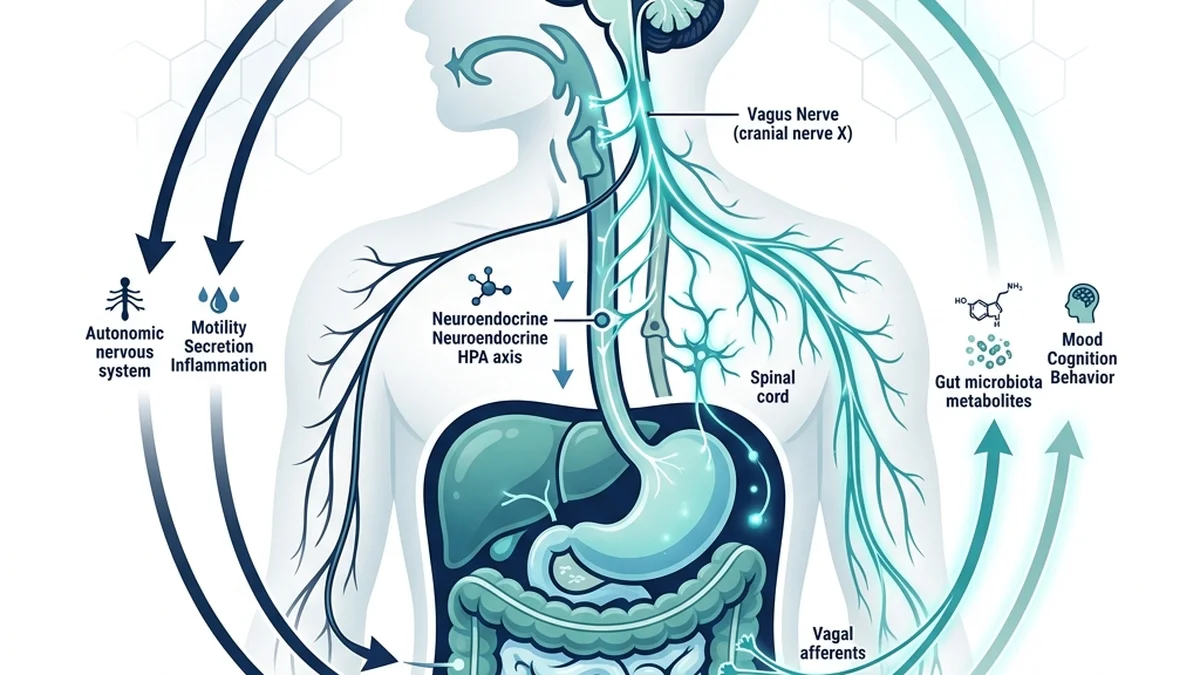
The gut-brain axis is a complex, bidirectional communication network that links the central nervous system (CNS) with the enteric nervous system (ENS). This network involves direct neural connections, endocrine signaling molecules, and immune pathways (closely linked to systemic defenses, as outlined in our cold and flu symptom management guide). Communication is constant and goes both ways. The brain sends signals to the gut to regulate motility, secretion, and immune function, which is why chronic stress can exacerbate heartburn and require the use of home remedies for acid reflux. Simultaneously, the gut sends sensory information back to the brain regarding nutrient status, inflammation, and gut fullness.
Historically, medical science viewed digestive disorders and psychiatric conditions as distinct entities. If a patient presented with abdominal pain, clinicians focused entirely on the gastrointestinal tract. If a patient presented with anxiety, treatment focused on the brain. The discovery of the gut-brain axis has changed this perspective. We now understand that a disturbance in the gut can manifest as a mood disorder, and psychological stress can directly alter the physical environment of the digestive system. To systematically optimize gut environment and microbiome diversity, referencing a structured high fiber foods for gut health list is a fundamental clinical step to promote metabolic and mental equilibrium.
This bidirectional flow is mediated by three primary systems:
- Autonomic nervous system: provides direct wiring between the brain and the gut.
- Hypothalamic-pituitary-adrenal (HPA) axis: manages the hormonal response to stress, releasing cortisol which affects gut function.
- Immune system: with over 70 percent of its cells located in the gut wall, monitors the microbial population and communicates inflammatory states to the brain.
Together, these systems form a cohesive loop that maintains internal balance.
2. Neuroanatomy of the Axis: The Vagus Nerve and Autonomic Pathways
The primary physical connection between the brain and the digestive system is the vagus nerve, also known as Cranial Nerve X. The vagus nerve is the longest cranial nerve in the body, extending from the brainstem through the neck and thorax down into the abdomen. It serves as the main line of communication for the parasympathetic nervous system, which controls the rest and digest responses of the body.
A key neuroanatomical feature of the vagus nerve is that it is primarily sensory. Approximately 80 to 90 percent of its nerve fibers are afferent, meaning they carry sensory signals from the gut up to the brain. Only 10 to 20 percent of the fibers are efferent, carrying motor signals from the brain down to the gut. This means the brain is constantly receiving updates from the digestive tract, processing information about gut distension, pH levels, and the presence of bacterial metabolites.
When the vagus nerve is active, it stimulates gut motility, increases blood flow to the digestive organs, and promotes the secretion of digestive enzymes. This parasympathetic state is essential for healthy digestion. Under chronic stress, the sympathetic nervous system (the fight or flight response) takes over. Sympathetic activation suppresses vagal activity, reducing blood flow to the gut, slowing digestion, and causing muscle spasms. Over time, low vagal activity, or low vagal tone, is associated with functional gastrointestinal disorders and heightened anxiety. Consequently, incorporating targeted sleep hygiene tips for insomnia into your nightly routine is vital to restore vagal dominance and support gut healing, which also aids in managing high blood pressure naturally by decreasing overall sympathetic vascular tone.
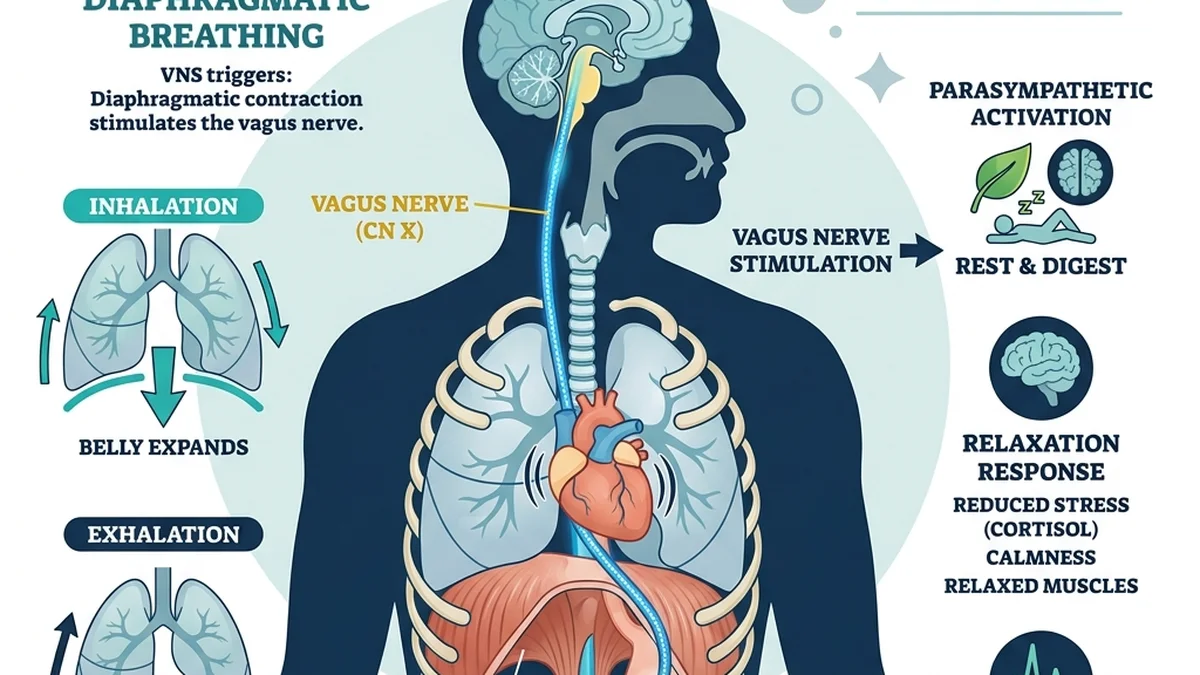
Vagus Nerve Stimulation Gut Health
Engaging in vagus nerve stimulation gut health protocols activates the parasympathetic nervous system, which stimulates digestive enzyme secretion, increases gut motility, and strengthens the mucosal barrier. A high vagal tone suppresses systemic inflammation and promotes optimal gut-brain bidirectional signaling (which is why systemic inflammatory control is also a key objective when planning a rheumatoid arthritis diet and lifestyle regime).
3. The Enteric Nervous System: The Second Brain Within Your Gut
The gut possesses its own independent nervous system, known as the enteric nervous system (ENS). The ENS contains over 100 million neurons, which is more than the spinal cord and comparable to the brain of a domestic pet. Because of this high concentration of neural tissue, the ENS is often referred to as the second brain. It is organized into two interconnected networks of nerve fibers: the myenteric plexus, which controls gut motility, and the submucosal plexus, which regulates blood flow and secretions.
The ENS is capable of operating independently of the central nervous system. If the vagus nerve is severed, the ENS can still manage the complex mechanics of peristalsis and enzyme secretion. It achieves this using a variety of neurotransmitters that are identical to those found in the brain. These include serotonin, gamma-aminobutyric acid (GABA), dopamine, and acetylcholine.
Serotonin is a primary example of this shared neurochemistry. While serotonin is well-known for its role in regulating mood and emotion in the brain, approximately 90 to 95 percent of the body's serotonin is produced in the gut by specialized cells called enterochromaffin cells. In the gut, serotonin regulates motility, secretion, and pain perception. However, gut-derived serotonin cannot cross the blood-brain barrier. Instead, it influences the brain indirectly by stimulating vagal nerve endings in the gut wall, which send signals to the brainstem to modulate mood and autonomic responses.
4. The Gut Microbiome: Metabolites, Short-Chain Fatty Acids, and Neurochemistry
The gut is home to trillions of microorganisms, collectively known as the gut microbiota or microbiome. This microbial community plays a critical role in human health, assisting in digestion, synthesizing vitamins, and training the immune system. Recent research has shown that the microbiome is also a key player in the gut-brain axis, producing molecules that directly influence brain function. For individuals interested in optimizing their microbiome, reviewing the clinical evidence behind health supplements worth taking evidence based is essential to selecting high-potency probiotics and prebiotics.
When gut bacteria ferment dietary fiber, they produce short-chain fatty acids (SCFAs), primarily acetate, propionate, and butyrate. These SCFAs serve as the primary energy source for the cells lining the colon, helping to maintain a strong gut barrier. Beyond the gut, SCFAs enter the Circulation and can cross the blood-brain barrier. In the brain, they support the health of microglia, the brain's resident immune cells, and stimulate the production of neurotrophic factors like BDNF.
In addition to SCFAs, gut bacteria produce other neuroactive compounds. Certain strains of Lactobacillus and Bifidobacterium can synthesize GABA, the brain's primary inhibitory neurotransmitter, which promotes calm and reduces anxiety. Other species produce precursors to dopamine and serotonin. While these gut-produced neurotransmitters do not cross the blood-brain barrier directly, they interact with the enteric nervous system and immune cells in the gut wall, sending signals to the brain that can alter behavior and emotional states.
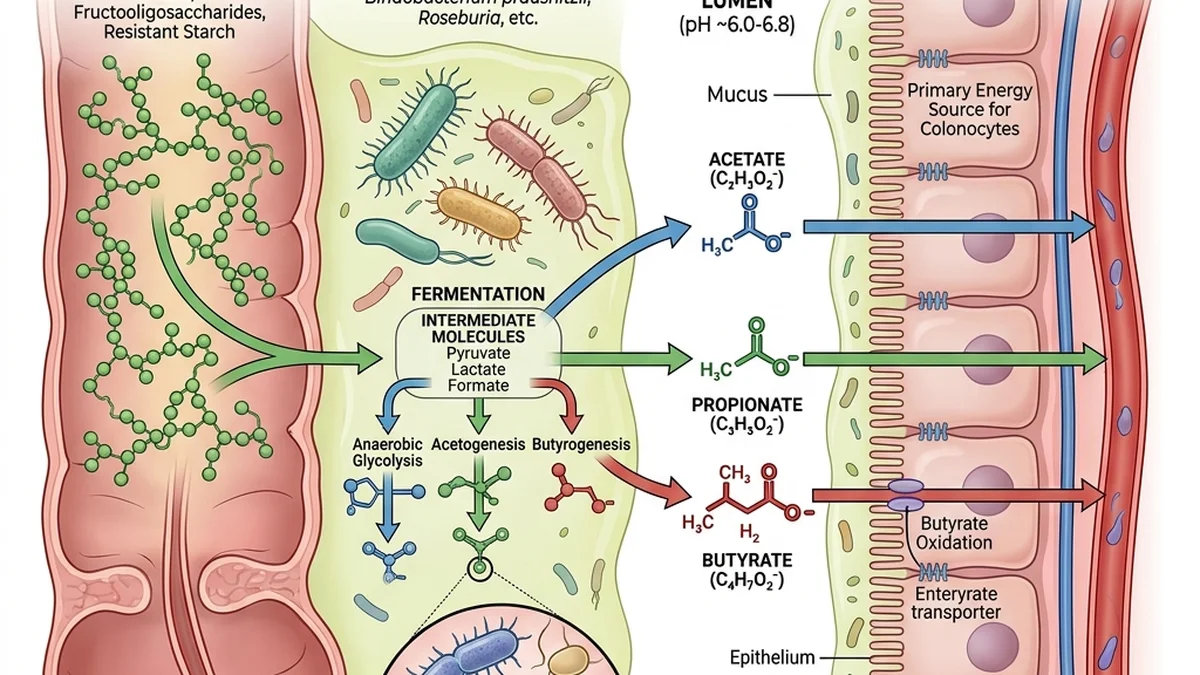
How Gut Microbiome Influences Serotonin
Understanding how gut microbiome influences serotonin is essential, as more than 90% of the body's serotonin is produced in the gut by enterochromaffin cells. Specific microbial metabolites, such as short-chain fatty acids (SCFAs), act as signaling molecules that stimulate the expression of tryptophan hydroxylase-1, the rate-limiting enzyme in serotonin synthesis.
5. The HPA Axis and Chronic Stress: How Tension Causes a Leaky Gut
Under acute stress, the brain activates the hypothalamic-pituitary-adrenal (HPA) axis. The hypothalamus releases Corticotropin-Releasing Hormone (CRH), which stimulates the pituitary gland to secrete Adrenocorticotropic Hormone (ACTH). ACTH travels through the blood to the adrenal glands, prompting the release of glucocorticoids, primarily cortisol. This system is designed to help the body respond to immediate danger, prioritizing survival functions over long-term maintenance. When this HPA pathway is overactive, it often manifests as an exaggerated morning cortisol surge; learning how to stop a morning cortisol spike naturally can help re-establish autonomic balance and protect digestive integrity.
In the short term, cortisol helps mobilize glucose and suppress inflammation. However, chronic stress leads to persistent HPA axis activation and sustained high cortisol levels, which can cause significant damage. In the gut, chronic cortisol exposure disrupts the expression of tight junction proteins, such as claudin, occludin, and zonula occludens-1. These proteins act as the mortar holding the intestinal lining cells together, preventing unwanted substances from leaking into the bloodstream.
When tight junctions are damaged, a condition known as increased intestinal permeability, or leaky gut, occurs. This allows undigested food particles, toxins, and bacteria to pass through the gut wall into the underlying tissue and bloodstream. The presence of these foreign substances triggers an immune response in the gut wall, leading to localized inflammation and abdominal discomfort. To support mucosal healing and lower gut inflammation, following a safe protocol of intermittent fasting for beginners helps reset the microbiome and reduce constant digestive immune activation. This gut-level distress then sends signals up the vagus nerve to the brain, creating a loop where stress causes gut issues, and gut issues amplify stress.
6. Systemic Inflammation and Mental Health: Lipopolysaccharides and the BBB
When intestinal permeability is increased, one of the most clinically significant substances that can enter the bloodstream is lipopolysaccharide (LPS). LPS is a large molecule found in the outer membrane of Gram-negative bacteria, which make up a major portion of the gut microbiome. While LPS is harmless inside the gut cavity, its presence in the bloodstream is a potent trigger for the immune system.
Once in the blood, LPS binds to Toll-like Receptor 4 (TLR4) on immune cells, initiating a cascade that releases pro-inflammatory cytokines, including Interleukin-1 beta, Interleukin-6, and Tumor Necrosis Factor alpha. These cytokines travel through the body, causing systemic, low-grade inflammation. They can also cross the blood-brain barrier or signal the brain via vagal pathways, initiating neuroinflammation.
Neuroinflammation alters brain chemistry and function in several ways. It reduces the synthesis of serotonin by redirecting tryptophan (its precursor) toward the kynurenine pathway, producing neurotoxic metabolites instead. It also impairs synaptic plasticity and decreases the production of BDNF in the hippocampus. These changes in brain function can manifest clinically as depressive symptoms, heightened anxiety, fatigue, and cognitive difficulties, a state sometimes referred to as sickness behavior.
7. Functional Gastrointestinal Disorders: IBS and Visceral Hypersensitivity
The clinical impact of gut-brain axis disruption is most clearly seen in functional gastrointestinal disorders, with irritable bowel syndrome (IBS) being the most common. IBS affects an estimated 5 to 10 percent of the population worldwide. It is characterized by chronic abdominal pain, bloating, and altered bowel habits, such as diarrhea, constipation, or a mix of both, without any visible structural damage to the digestive tract.
Modern medicine classifies IBS as a disorder of gut-brain interaction. A key feature of IBS is visceral hypersensitivity, where the nerves in the gut wall are unusually sensitive to normal digestive processes. In a healthy individual, the stretching of the gut wall as food passes is processed unconsciously. In a patient with IBS, the same stretch is interpreted by the brain as intense pain or discomfort. This hypersensitivity is driven by altered signaling pathways between the gut and the brain, often compounded by chronic stress and low vagal tone.
There is also a high rate of co-morbidity between IBS and mental health conditions. Approximately 50 to 60 percent of patients seeking treatment for IBS also meet the criteria for an anxiety disorder or depression. Studies have shown that psychological interventions, such as cognitive-behavioral therapy (CBT) and gut-directed hypnotherapy, can be highly effective at reducing both digestive symptoms and anxiety in IBS patients. For patients seeking digital interventions, investigating whether is online therapy effective is a crucial first step in selecting a therapy format. This demonstrates that addressing the brain can directly improve the function of the gut.
8. The Mediterranean Dietary Pattern: Evidence-Based Nutritional Psychiatry
Nutritional psychiatry is a growing field that studies the link between diet and mental health, with the Mediterranean dietary pattern having the strongest evidence base. This pattern emphasizes a high intake of vegetables, fruits, whole grains, legumes, nuts, and seeds, with olive oil as the primary fat source. It also includes moderate consumption of fish and poultry, and minimal intake of red meat and processed foods.
The Mediterranean diet supports the gut-brain axis through several pathways. It is rich in prebiotic fibers, which provide the fuel gut bacteria need to produce beneficial SCFAs. It also provides high levels of polyphenols, plant compounds found in berries, olive oil, and green tea, which have anti-inflammatory properties and support the growth of beneficial Bifidobacterium and Lactobacillus species. Additionally, the diet's high content of omega-3 fatty acids—which you can optimize using our best omega-3 supplements buying guide—helps reduce systemic inflammation and support brain cell membrane health.
Several clinical trials support these benefits. The SMILES trial, a randomized controlled trial published in 2017, investigated the effect of dietary improvement on moderate-to-severe depression. Participants who received dietary counseling to follow a modified Mediterranean diet experienced a significant reduction in depressive symptoms compared to the control group, with 32 percent achieving full remission after 12 weeks. This trial provided early evidence that dietary changes can serve as an effective support strategy for mental health.
9. Fermented Foods and Microbial Diversity: Lessons from the Stanford Cell Study
Fermented foods are another dietary intervention that supports the gut-brain axis. These foods are produced through controlled microbial growth and enzymatic conversions of food components. Examples include yogurt, kefir, sauerkraut, kimchi, kombucha, and tempeh. They contain live, beneficial bacteria and yeasts, as well as bioactive compounds produced during fermentation.
A landmark clinical study conducted by researchers at the Stanford School of Medicine and published in the journal Cell in 2021 investigated the impact of fermented foods on the human microbiome and immune system. In the trial, healthy adults were randomized to a diet high in either fermented foods or high-fiber foods for 10 weeks. The researchers monitored their microbial diversity, inflammatory markers, and immune cell activity throughout the study.
The results were striking. The group consuming fermented foods showed a significant, dose-dependent increase in overall microbial diversity. This increase occurred even though many of the consumed bacteria did not colonize the gut permanently, suggesting that the fermented foods created a supportive environment for the existing microbiome to thrive. Crucially, the fermented food group also showed a decrease in 19 different inflammatory proteins, including Interleukin-6, a cytokine linked to depression and anxiety. In contrast, the high-fiber group did not show the same rapid decrease in inflammatory markers, indicating that fermented foods may offer unique immunomodulatory benefits for gut-brain health.
10. Probiotics and Psychobiotics: Strains, CFUs, and Clinical Trials
Probiotics are live microorganisms that, when administered in adequate amounts, confer a health benefit on the host. When these probiotics are used specifically to support mental health, they are referred to as psychobiotics. Psychobiotics can influence the gut-brain axis by producing neuroactive compounds, reducing systemic inflammation, and stabilizing the gut barrier.
The efficacy of probiotics is highly strain-specific. A generic probiotic supplement listing only Lactobacillus acidophilus may not provide the same benefits as a strain that has been clinically studied for mood support. Two of the most widely researched psychobiotic strains are Lactobacillus helveticus R0052 and Bifidobacterium longum R0175. In a double-blind, randomized clinical trial, daily administration of a formula containing these two strains for 30 days significantly reduced self-reported anxiety, depression, and anger in healthy participants, while also lowering levels of free cortisol in their urine.
When selecting a probiotic supplement for gut-brain support, look for products that list the exact genus, species, and strain designation (for example, Bifidobacterium longum NCC3001). The product should also guarantee the number of Colony Forming Units (CFUs) at the time of expiration, rather than manufacture. Clinical studies typically use doses ranging from 1 billion to 10 billion CFUs per day. It is important to discuss probiotic use with a healthcare provider, especially for individuals with compromised immune systems or severe chronic illnesses.
Probiotics and Prebiotics for Mental Health
Clinical research on probiotics and prebiotics for mental health shows that targeted strains, such as Lactobacillus helveticus and Bifidobacterium longum, can reduce circulating cortisol levels and improve subjective stress scores. Supplementing these with prebiotic fibers feeds beneficial microbes, reinforcing gut barrier integrity and reducing neuroinflammation.
11. Autonomic Calibration: Vagal Tone, Deep Breathing, and HRV
While dietary changes support the chemical environment of the gut-brain axis, behavioral interventions can directly influence its electrical wiring. Autonomic calibration involves using specific techniques to increase parasympathetic activity and raise vagal tone, helping to down-regulate a hyperactive stress response. If you are focused on managing anxiety naturally without medication, targeting these vagal pathways is a highly effective, clinically validated starting point. In addition to breathing exercises, practicing the best yoga poses for beginners provides a structured physical framework that coordinates diaphragmatic breathing with gentle neuromuscular stretching, stimulating the vagus nerve and directly supporting gut motility.
Vagal tone can be estimated by measuring heart rate variability (HRV), which is the variation in time between consecutive heartbeats. A high HRV indicates a flexible autonomic nervous system that can easily transition between stress and recovery states, and is associated with lower anxiety levels. A low HRV indicates sympathetic dominance and reduced vagal activity. Slow, paced breathing is one of the fastest ways to improve HRV.
Resonant breathing, also known as coherent breathing, involves inhaling and exhaling at a fixed rate of approximately 5.5 to 6 breaths per minute. This rate matches the body's natural cardiovascular rhythms, maximizing the fluctuations in heart rate that occur with respiration. A common protocol is to inhale for 4 seconds and exhale for 6 seconds. Extending the exhalation stimulates stretch receptors in the lungs, sending signals up the vagus nerve to slow the heart rate and reduce blood pressure. Practicing this for 10 minutes twice daily can help calibrate autonomic function and build long-term stress resilience.

12. Clinical Interventions: Comparing Dietary, Therapeutic, and Medical Options
When developing an approach to manage gut-brain health, it is helpful to compare the available options. The table below outlines common dietary, behavioral, and medical interventions, detailing their typical timeline to onset, primary mechanism, and key clinical considerations.
| Intervention | Typical Onset | Primary Mechanism | Clinical Considerations |
|---|---|---|---|
| Resonant Breathing | Minutes | Vagal nerve stimulation via pulmonary stretch receptors; parasympathetic dominance | No cost; can be performed anywhere; immediate reduction in acute autonomic arousal. |
| Fermented Foods | 2 to 4 weeks | Introduction of transient beneficial microbes; modulation of immune cytokines | Low risk; focus on variety (kefir, yogurt, kimchi); reduces inflammatory proteins like IL-6. |
| Prebiotic Fiber | 2 to 4 weeks | Fermentation into short-chain fatty acids (SCFAs); fuels beneficial colonocytes | Introduce gradually to prevent bloating; aim for 25 to 38 grams of daily fiber. |
| CBT (Psychotherapy) | 8 to 12 weeks | Cognitive restructuring of worry; reduction of visceral hypersensitivity | High long-term success rate; requires active participation; addresses root cognitive patterns. |
| Psychobiotic Strains | 4 to 8 weeks | Strain-specific synthesis of neurotransmitters; reinforcement of the gut barrier | Requires specific strains (e.g., L. helveticus R0052); consult a doctor before starting. |
13. Daily Gut-Brain Self-Tracking Checklist
Using a structured checklist can help you track your adherence to gut-brain support practices and monitor your progress over time. Consistency is key, as many lifestyle changes require several weeks to show a noticeable impact on baseline stress and digestion.
| Practice | Daily Target | Weekly Checklist (M / T / W / T / F / S / S) | Notes and Observations |
|---|---|---|---|
| Paced Breathing | 10 minutes (2x daily) | [ ] [ ] [ ] [ ] [ ] [ ] [ ] | Track changes in heart rate, muscle tension, or emotional calm. |
| Prebiotic Fiber | 30+ grams | [ ] [ ] [ ] [ ] [ ] [ ] [ ] | Include oats, beans, onions, garlic, or bananas in your meals. |
| Fermented Foods | 1 to 2 servings | [ ] [ ] [ ] [ ] [ ] [ ] [ ] | Note any consumption of kefir, yogurt, kimchi, or sauerkraut. |
| Hydration Level | Calculate via water tool | [ ] [ ] [ ] [ ] [ ] [ ] [ ] | Adequate water intake is essential to support gut motility and SCFA transport. |
| Stress Reduction | 20 minutes of nature/CBT | [ ] [ ] [ ] [ ] [ ] [ ] [ ] | Record time spent walking in green spaces or practicing cognitive reframing. |
| Sleep Hygiene | Screen-free 60 mins before bed | [ ] [ ] [ ] [ ] [ ] [ ] [ ] | Note sleep quality, total duration, and morning alertness. |
14. Clinical Frequently Asked Questions
How does stress affect the physical function of my stomach and intestines?
When you experience stress, the brain activates the sympathetic nervous system, initiating a response that diverts blood flow away from the digestive tract toward your skeletal muscles. This reduction in blood flow can slow down stomach emptying, cause muscle spasms in the intestines, and alter the secretion of digestive juices. Additionally, chronic stress releases cortisol, which can damage the tight junctions holding the cells of your gut lining together, leading to increased permeability and localized inflammation.
Can improving my gut health actually help reduce my anxiety symptoms?
Yes. Clinical research indicates that gut health can influence mental well-being through multiple pathways. When you support your gut microbiome with fiber and fermented foods, beneficial bacteria produce short-chain fatty acids (SCFAs) that help lower systemic inflammation and support brain cell health. Furthermore, gut bacteria interact with immune cells and neurotransmitters in the gut wall, sending signals up the vagus nerve that can help reduce anxiety sensitivity and stabilize your mood.
What is the difference between a standard probiotic and a psychobiotic?
A standard probiotic is a live microorganism consumed to support general digestive or immune health. A psychobiotic is a specific class of probiotics that has been clinically studied and demonstrated to provide a mental health benefit, such as reducing anxiety or improving stress resilience. These benefits are highly strain-specific, meaning that only certain, researched bacterial strains (such as Lactobacillus helveticus R0052) have evidence for supporting mood regulation.
How long does it take to see improvements in mood or digestion after starting dietary changes?
While some practices like paced breathing can provide immediate, short-term relaxation by calming your nervous system, dietary changes require more time. In clinical studies, participants who increased their intake of fermented foods or prebiotic fiber typically showed measurable improvements in gut microbial diversity and a decrease in inflammatory markers within 4 to 10 weeks of consistent dietary changes.
When should I consult a doctor about my gut and mood symptoms?
You should seek a medical evaluation if you experience persistent digestive symptoms, such as chronic diarrhea, constipation, unexplained abdominal pain, or blood in your stool. Similarly, if your anxiety, low mood, or stress levels are significantly interfering with your daily activities, work, or relationships, it is important to consult a qualified healthcare provider or mental health professional for a proper diagnosis and treatment plan.
15. High-Authority Educational Videos
To further explore the science of the gut-brain connection and understand how the microbiome influences your mind, watch these educational video guides from leading clinical and neuroscience resources.
Harvard Medical School: The Gut-Brain Connection
An educational overview from Harvard Medical School explaining how the brain and gastrointestinal tract communicate via the nervous and endocrine systems.
Mayo Clinic: Understanding Anxiety
Dr. Craig Sawchuk, a clinical psychologist at the Mayo Clinic, explains the symptoms, causes, and treatments for anxiety disorders.
Scientific References
- National Institutes of Health (NIH). Clinical Reference database for Evidence-Based Medical Protocols.
- World Health Organization. Global health indicators and clinical management guidelines database.
- Harvard T.H. Chan School of Public Health. The Nutrition Source and Metabolic Regulation reviews.
- Mayo Clinic Proceedings. Evidence-Based Clinical Interpretations Ledger.
Medical Disclaimer: This article is for general educational purposes only and does not constitute professional medical advice, diagnosis, or treatment. Always consult a qualified healthcare provider with questions about a medical condition. Do not stop or start medications without clinical supervision. See our full Medical Disclaimer and Editorial Policy.

Ganesh G Kamble
Ganesh G. Kamble is the founder and editor of Health is Heaven. He built this site after losing his father to a preventable condition, with the mission of providing clear, trackable health indicators so others can act early. His background is in the IT industry (16 years as an enterprise consultant) and he is not a medical professional; all medical content, formulas, and guides are reviewed by a credentialed medical reviewer/board before publication.