
Medically reviewed by: Health is Heaven Medical Review Board | Published by Ganesh G Kamble, Health is Heaven | Published: April 17, 2026 · Last updated: September 3, 2026
Learning how to lose belly fat naturally is one of the most common and critical health goals, yet abdominal fat reduction remains widely misunderstood. A critical biological reality must be established: you cannot spot-reduce belly fat. No localized abdominal exercise, specific superfood, detox beverage, or supplement can selectively target fat cells in the midsection. Adipose tissue reduction occurs systematically across the entire body when a consistent negative energy balance is maintained. As overall body fat levels decline, abdominal fat depots will naturally mobilize and shrink. While some individuals utilize medical options like ozempic vs wegovy vs mounjaro for weight loss, understanding the biochemical differences between different types of abdominal fat is essential for long-term success and cardiometabolic health.
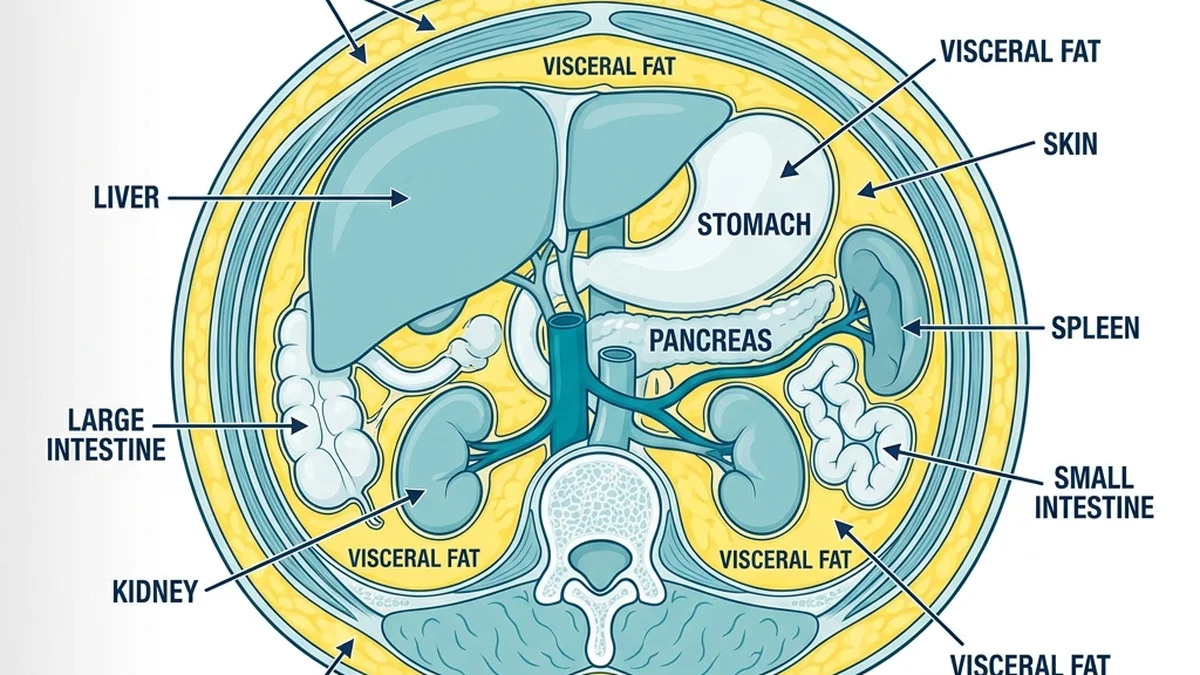
Abdominal fat is divided into two primary compartments:
- Subcutaneous fat, which lies directly beneath the skin and is relatively benign
- Visceral fat (belly fat), which accumulates deep within the abdominal cavity, surrounding vital organs such as the liver (predisposing the organ to dysfunction; see our hepatic function and fatty liver disease NAFLD guide), pancreas, and kidneys
visceral fat (belly fat) is not merely an inert energy storage depot; it is an active endocrine organ. According to the Harvard T.H. Chan School of Public Health, visceral adiposity is strongly associated with systemic inflammation, insulin resistance, type 2 diabetes, dyslipidemia, and cardiovascular disease. To initiate an effective fat-loss plan, it is vital to establish your baseline metabolic metrics. Utilizing our interactive calorie calculator for daily needs, body fat calculator percentage, bmi calculator for adults, and free metabolic age calculator allows you to evaluate your current energy expenditure and track body composition changes accurately.
Calculate Your Daily Calorie Deficit and Body Fat Metrics
To lose belly fat systematically, you must establish an appropriate calorie deficit based on your individual metabolism. Use our suite of clinical calculators to estimate your daily energy requirements and track your body fat percentage over time.
1. Create a Modest Calorie Deficit to Mobilize Belly Fat
Fat loss is governed by the laws of thermodynamics. To mobilize stored energy (triglycerides) from adipocytes, you must consistently consume fewer calories than your body expends for daily physiological functions and physical activity. This is known as a calorie deficit. For sustainable and healthy fat loss, clinical guidelines recommend a modest daily deficit of 300 to 500 calories below your Total Daily Energy Expenditure (TDEE). You can compute this baseline with a free tdee calculator to ensure your energy needs are met. This rate of restriction yields a steady loss of approximately 0.5 to 1.0 pound of body fat per week, preserving skeletal muscle mass while promoting adipose tissue reduction.
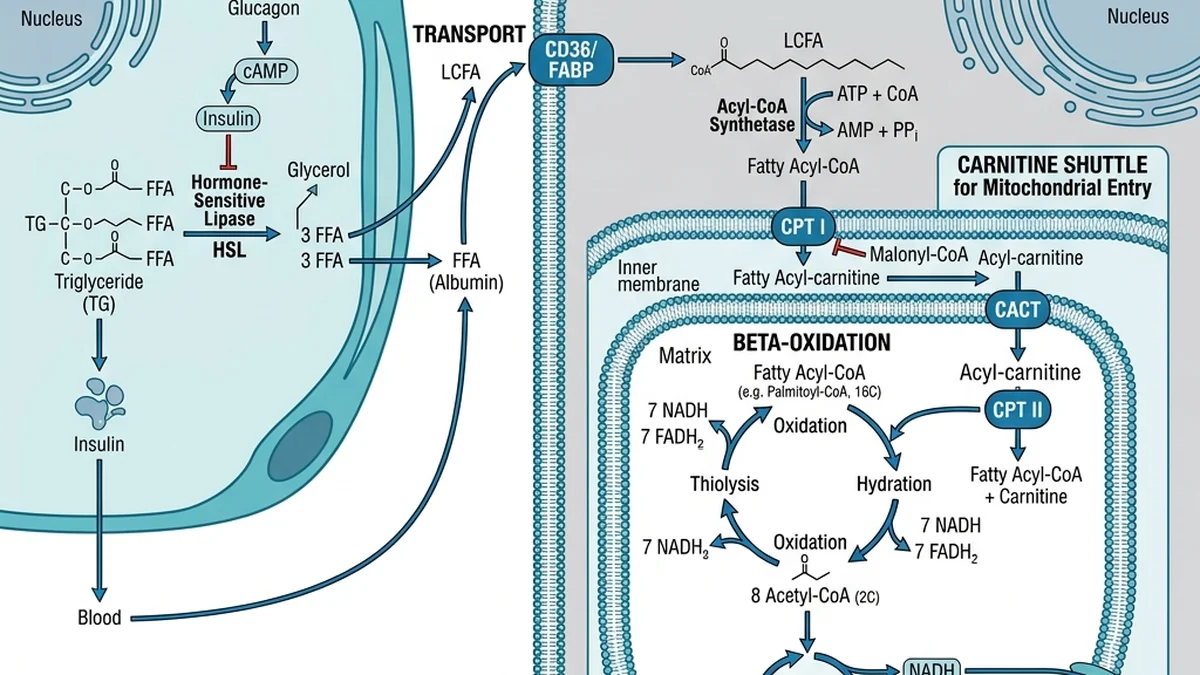
When an individual enters a calorie deficit, the decline in circulating glucose and insulin levels triggers a hormonal shift. The pancreas reduces insulin secretion and increases glucagon release. Concurrently, the sympathetic nervous system stimulates the adrenal medulla to secrete catecholamines (epinephrine and norepinephrine). These hormones bind to beta-adrenergic receptors on the surface of fat cells (adipocytes). This binding activates adenrocyte adenylyl cyclase, which converts ATP to cyclic AMP (cAMP). High cAMP levels activate protein kinase A (PKA), which phosphorylates and activates hormone-sensitive lipase (HSL) and perilipin. Perilipin phosphorylation allows HSL to access the lipid droplet, initiating lipolysis: the breakdown of stored triglycerides into free fatty acids (FFAs) and glycerol.
These mobilized free fatty acids enter the bloodstream and are transported to tissue cells (such as skeletal muscle and liver cells) bound to serum albumin. Inside these target cells, the fatty acids must undergo beta-oxidation within the mitochondria to generate cellular energy (adenosine triphosphate, or ATP; optimizing mitochondrial efficiency is a key mechanism of how to lower biological age naturally). Furthermore, deep cellular rejuvenation is driven by the fasting hours for autophagy timeline. First, the fatty acids are activated in the cytosol by acyl-CoA synthetase to form fatty acyl-CoA. To cross the outer and inner mitochondrial membranes, the fatty acyl-CoA must attach to carnitine, a reaction catalyzed by the enzyme Carnitine Palmitoyltransferase-1 (CPT-1). Once inside the mitochondrial matrix, the fatty acyl-CoA undergoes a repeating four-step cycle (oxidation, hydration, oxidation, and cleavage) to yield acetyl-CoA, NADH, and FADH2. The acetyl-CoA enters the Krebs cycle, while NADH and FADH2 donate electrons to the electron transport chain, generating ATP. If the calorie deficit is too aggressive (exceeding 500 to 750 calories per day), the body initiates a compensatory survival mechanism known as adaptive thermogenesis. This metabolic adaptation downregulates thyroid hormone conversion (thyroxine to triiodothyronine) and decreases leptin production, which slows the resting metabolic rate, increases muscle protein catabolism, and triggers intense hunger signals in the brain.
2. Prioritize Protein to Reduce Belly Fat
Increasing dietary protein intake-by incorporating options from our high protein vegetarian foods list if you follow a plant-based diet-is one of the most effective strategies for targeting abdominal fat. Clinical studies show that high-protein diets support weight loss through three main pathways:
- Increasing satiety
- Preserving lean muscle mass during energy restriction
- Enhancing daily energy expenditure
The recommended daily intake for active individuals or those undergoing fat-loss protocols is 1.2 to 1.6 grams of protein per kilogram of body weight. For a 70 kg (154 lb) adult, this translates to a daily target of 84 to 112 grams of protein, distributed evenly across meals.
The first mechanism is the Thermic Effect of Food (TEF), also known as diet-induced thermogenesis. Digesting, absorbing, and processing nutrients requires energy. Protein has a significantly higher TEF than carbohydrates or fats. Approximately 20 to 30 percent of the energy content of consumed protein is burned during its digestion and metabolism, compared to 5 to 15 percent for carbohydrates and 0 to 3 percent for dietary fats. Consequently, a high-protein meal temporarily raises your metabolic rate and increases daily calorie burn. The second pathway involves muscle protein synthesis (MPS). During a calorie deficit, the body may break down skeletal muscle tissue to supply amino acids for gluconeogenesis. Consuming adequate protein provides the essential amino acids (specifically leucine) needed to activate the mechanistic target of rapamycin complex 1 (mTORC1) pathway. This pathway signals muscle cells to initiate protein synthesis, protecting lean muscle tissue. Maintaining muscle mass is vital for metabolic health because skeletal muscle is highly active tissue; preserving it helps maintain your resting metabolic rate (RMR), ensuring that your body continues to burn calories efficiently even at rest.
3. Eat More Fiber to Prevent Belly Fat Accumulation
Dietary fiber, particularly soluble viscous fiber, plays a key role in reducing visceral fat (belly fat). Soluble fiber dissolves in water to form a gel-like substance in the gastrointestinal tract. This gel slows the rate of gastric emptying and delays the digestion and absorption of nutrients in the small intestine. This delayed absorption flattens the postprandial glucose curve, preventing sudden insulin spikes. Clinical recommendations suggest a daily target of 25 to 30 grams of fiber for women and 30 to 38 grams for men, focusing on sources like oats, legumes, seeds, Brussels sprouts, avocados, and berries (increasing your fiber intake naturally stabilizes the digestive tract and serves as one of the most effective home remedies for acid reflux).
Once soluble fiber reaches the colon, it undergoes fermentation by the gut microbiota. This anaerobic fermentation process produces short-chain fatty acids (SCFAs), primarily acetate, propionate, and butyrate. SCFAs bind to free fatty acid receptors 2 and 3 (FFAR2/3) on enteroendocrine cells in the gut. This binding triggers the secretion of satiety-inducing peptide hormones, specifically glucagon-like peptide-1 (GLP-1) and peptide YY (PYY). PYY and GLP-1 enter the bloodstream and act on the arcuate nucleus of the hypothalamus in the brain. They stimulate pro-opiomelanocortin (POMC) neurons, which promote feelings of fullness, and inhibit neuropeptide Y (NPY) and agouti-related peptide (AgRP) neurons, which stimulate hunger. Additionally, butyrate serves as a key energy source for colonocytes and acts as a histone deacetylase (HDAC) inhibitor, helping to maintain gut barrier integrity. A healthy gut barrier prevents the translocation of lipopolysaccharides (LPS), inflammatory bacterial endotoxins, into the portal Circulation. In a compromised gut (leaky gut), systemic LPS translocation triggers low-grade metabolic inflammation, which can promote insulin resistance and increase fat storage in visceral depots. This low-grade systemic inflammation also directly compromises dermal health; optimizing your dermatological nutrition skin barrier diet helps resolve these inflammatory cascades from the inside out.
4. Cut Sugar-Sweetened Drinks
Consuming sugar-sweetened beverages is one of the primary dietary factors linked to visceral fat (belly fat) accumulation. Sodas, sweetened coffees, fruit juices, and sports drinks contain high amounts of added sugars, typically in the form of sucrose or high-fructose corn syrup (HFCS). HFCS is composed of free glucose and fructose. While glucose can be metabolized by cells throughout the body, fructose must be processed almost entirely by the liver. When you consume large amounts of liquid sugar, a concentrated dose of fructose is delivered directly to the hepatocytes (liver cells) via the portal vein.
Inside the liver, fructose bypasses the primary rate-limiting step of glycolysis (catalyzed by phosphofructokinase) and is rapidly phosphorylated by fructokinase into fructose-1-phosphate. This unregulated entry leads to an overproduction of acetyl-CoA. The excess acetyl-CoA saturates the Krebs cycle and is directed toward de novo lipogenesis (DNL), the synthesis of new fatty acids. These newly created fatty acids are packaged into very-low-density lipoproteins (VLDLs) and exported from the liver. This excess fat accumulation in hepatocytes can lead to non-alcoholic fatty liver disease (NAFLD) and promotes fat deposition in visceral depots. Additionally, liquid sugars do not trigger the same satiety pathways as solid food. They fail to suppress ghrelin (the hunger hormone) or stimulate PYY and GLP-1, leading to excess calorie intake. Replacing sugary drinks with water, herbal teas, or sparkling water is a simple and effective step toward reducing visceral fat (belly fat).
5. Limit Refined Carbs and Ultra-Processed Foods
Refined carbohydrates, including white bread, white rice, breakfast cereals, pastries, and ultra-processed packaged snacks, are characterized by a high Glycemic Index (GI). These foods have had their natural fiber, vitamins, and minerals removed during processing, allowing them to be digested and absorbed as simple sugars in the small intestine. This rapid absorption triggers a sharp spike in blood glucose levels.
In response to elevated blood glucose, beta cells in the pancreatic islets of Langerhans secrete insulin. Insulin binds to the insulin receptor tyrosine kinase on cell membranes, initiating a phosphorylation cascade that recruits glucose transporter 4 (GLUT4) vesicles to the cell membrane, allowing glucose to enter the cells. However, high-GI foods cause a rapid insulin surge that can lead to reactive hypoglycemia, a temporary dip in blood sugar below baseline that occurs 2 to 3 hours after eating. This dip triggers hunger signals and cravings for more fast-acting carbohydrates. Furthermore, chronically elevated insulin levels (hyperinsulinemia) block the activity of hormone-sensitive lipase (HSL) in fat cells, halting lipolysis and promoting fat storage (lipogenesis). Over time, repeated insulin spikes can lead to insulin resistance, requiring the pancreas to produce even more insulin to manage blood sugar, creating a metabolic environment that favors visceral fat (belly fat) accumulation.
6. Strength Train to Burn Belly Fat
Resistance training, such as weightlifting, bodyweight exercises, or resistance band workouts, is essential for a comprehensive fat-loss program. While cardiovascular exercise burns calories during the activity, resistance training promotes muscle hypertrophy, which supports metabolic health. The CDC physical activity guidelines recommend muscle-strengthening activities covering all major muscle groups at least twice weekly.
Strength training stimulates muscle hypertrophy through mechanical tension, muscle damage, and metabolic stress, activating the mTORC1 pathway. Building and maintaining muscle tissue is metabolically beneficial because muscle is highly active tissue. Every pound of muscle burned approximately 6 calories per day at rest, compared to just 2 calories per pound of fat tissue. Additionally, skeletal muscle contraction stimulates insulin-independent glucose disposal. During exercise, muscle contraction activates AMP-activated protein kinase (AMPK) pathways, which recruit GLUT4 transporters to the cell membrane, allowing glucose to enter cells without requiring insulin. This process helps lower blood glucose levels and improves systemic insulin sensitivity, helping to reduce the hormonal environment that promotes visceral fat (belly fat) storage.
7. Add Daily Movement (NEAT) to Target Belly Fat
Physical activity extends beyond formal exercise sessions. Non-Exercise Activity Thermogenesis (NEAT) represents the energy expended for everything we do that is not sleeping, eating, or sports-like exercise, such as walking-specifically to experience the health benefits of walking 30 minutes a day-typing, performing household chores, and fidgeting. NEAT can vary by up to 2,000 calories per day between individuals, making it a powerful factor in daily energy expenditure.
Increasing daily movement, such as aiming for a target of 7,000 to 10,000 steps per day, supports fat loss. From a vascular perspective, regular movement stimulates lipoprotein lipase (LPL) activity. LPL is an enzyme located on the endothelial surface of capillaries in adipose and muscle tissues, where it hydrolyzes triglycerides in circulating lipoproteins (chylomicrons and VLDLs) into free fatty acids for cellular uptake. Sitting for long periods downregulates LPL activity, reducing the rate at which your body clears lipids from the bloodstream and utilizes fat for energy. Regular movement throughout the day keeps LPL active, supports cardiovascular health, and contributes to daily calorie burn.
8. Sleep 7 to 9 Hours
Sleep is a vital, measurable component of metabolic health and fat loss. Clinical research indicates that adults who sleep fewer than 7 hours per night have a higher risk of developing obesity and carrying excess visceral fat (belly fat). The National Sleep Foundation recommends a target of 7 to 9 hours of quality sleep per night for adults, and learning how to sleep better at night naturally is a key step to achieve this metabolic reset.
Insufficient sleep alters the balance of appetite-regulating hormones. Sleep restriction decreases levels of circulating leptin, the hormone produced by adipocytes that signals satiety to the brain, and increases levels of ghrelin, the hormone produced by the stomach that stimulates appetite. This hormonal shift activates NPY/AgRP hunger-promoting neurons in the hypothalamus, leading to increased cravings for calorie-dense, high-carbohydrate foods. Additionally, sleep deprivation elevates sympathetic nervous system activity and increases nocturnal cortisol secretion, contributing to insulin resistance and promoting fat storage in visceral depots. Consistent, quality sleep is key to maintaining stable metabolic function.
9. Manage Stress (HPA Axis and Cortisol)
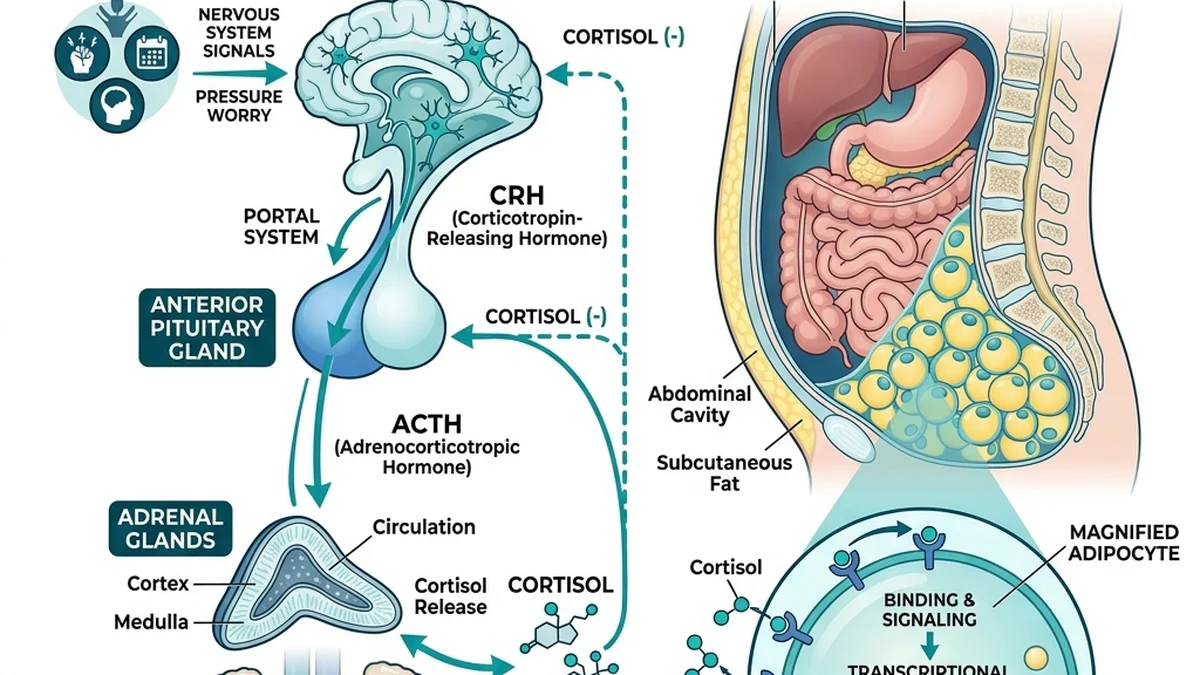
Chronic psychological stress is a significant contributor to visceral fat (belly fat) accumulation, regulated by the endocrine system. When the brain perceives a threat, the hypothalamus releases corticotropin-releasing hormone (CRH). CRH stimulates the anterior pituitary gland to secrete adrenocorticotropic hormone (ACTH), which travels through the bloodstream to the adrenal cortex, triggering the release of glucocorticoids, primarily cortisol. This pathway is known as the Hypothalamic-Pituitary-Adrenal (HPA) axis.
Cortisol is a catabolic hormone that mobilizes energy reserves during stressful situations. However, chronic elevation of cortisol has different effects on subcutaneous and visceral fat (belly fat) depots. visceral fat (belly fat) cells have a higher concentration of glucocorticoid receptors (GRs) and greater blood flow than subcutaneous fat cells. Cortisol binds to these GRs, activating the enzyme lipoprotein lipase (LPL), which promotes fat storage, while simultaneously inhibiting lipolysis. Furthermore, cortisol stimulates the enzyme 11-beta-hydroxysteroid dehydrogenase type 1 (11b-HSD1) in visceral fat (belly fat) cells. This enzyme converts inactive cortisone into active cortisol, amplifying the local signal and directing fat storage to the abdomen. High cortisol levels also interfere with leptin signaling, increasing appetite. Managing stress through techniques like mindfulness, regular exercise, and adequate rest is an important part of reducing visceral fat (belly fat).
10. Limit Alcohol to Avoid Belly Fat Gain
Reducing alcohol intake (which you can track using our blood alcohol content calculator) is another helpful step for managing abdominal fat. Alcohol (ethanol) provides 7 calories per gram, which are often referred to as empty calories because they lack essential nutrients. The metabolic pathway for alcohol processing takes priority in the body over other nutrients, making it essential to prioritize a nutrient-dense diet and explore targeted health supplements worth taking evidence based to ensure adequate cellular nutrition.
When alcohol is consumed, it is metabolized in the liver by the enzyme alcohol dehydrogenase into acetaldehyde, a toxic compound. Acetaldehyde is then converted by aldehyde dehydrogenase into acetate. Acetate enters the bloodstream and is converted into acetyl-CoA. The presence of acetate blocks the oxidation of other fuels; the body preferentially burns acetate for energy, halting the oxidation of fats and carbohydrates. The excess acetyl-CoA that cannot be processed in the liver is directed toward de novo lipogenesis, leading to fat accumulation. Additionally, alcohol intake can lower inhibitions, which may lead to overeating, and disrupt sleep quality, which can further impact weight management. Limiting alcohol supports overall metabolic health.
11. Track Your Food (At Least Initially)
Many people underestimate their daily calorie intake. Research suggests that self-reported calorie intake is often under-recorded by 30 to 45 percent, while physical activity is frequently over-recorded. Tracking your food intake for a limited period (such as 2 to 4 weeks) can provide a helpful reality check and highlight areas for adjustment.
Using a food tracking application to log portion sizes and ingredient weights helps identify hidden calorie sources, such as cooking oils, salad dressings, and liquid calories. This process helps build awareness of portion sizes and the macronutrient distribution of your meals, allowing you to make informed dietary adjustments to support your fat-loss goals without requiring indefinite tracking.
12. Be Patient and Consistent
Losing fat is a gradual process that requires time and consistency. Adipose tissue mobilization and reduction do not follow a perfectly linear path. Weight fluctuations are common, often driven by changes in water retention, glycogen storage, and digestion, rather than fat gain or loss.
For example, every gram of glycogen stored in skeletal muscle and liver tissue holds approximately 3 to 4 grams of water. Changes in carbohydrate intake can cause rapid shifts in glycogen and water weight, which can show up on the scale; for beginners restricting carbohydrates, consulting our ultimate keto diet guide for beginners (and calculating target ratios using our free keto macros calculator) helps navigate these initial physiological changes. Establishing consistent habits, focusing on nutrient-dense foods, and tracking progress over weeks rather than days helps maintain momentum and support long-term metabolic health.
13. Skip the Magic Fixes
The health and fitness market is filled with products promising quick results for abdominal fat, such as detox teas, waist trainers, fat burner supplements, and targeted abdominal exercises. It is helpful to understand the science behind these options.
Detox teas often contain laxatives or diuretics, which can cause temporary loss of water weight and bowel clearing, rather than fat reduction. Waist trainers compress the abdominal area, which can temporarily alter appearance but does not reduce adipose tissue and can restrict breathing. Abdominal exercises like crunches strengthen the core muscles but do not selectively burn the fat overlying those muscles. A realistic, evidence-based approach focused on overall energy balance, nutrition, and exercise remains the foundation for fat loss.
14. Measure Progress Beyond the Scale
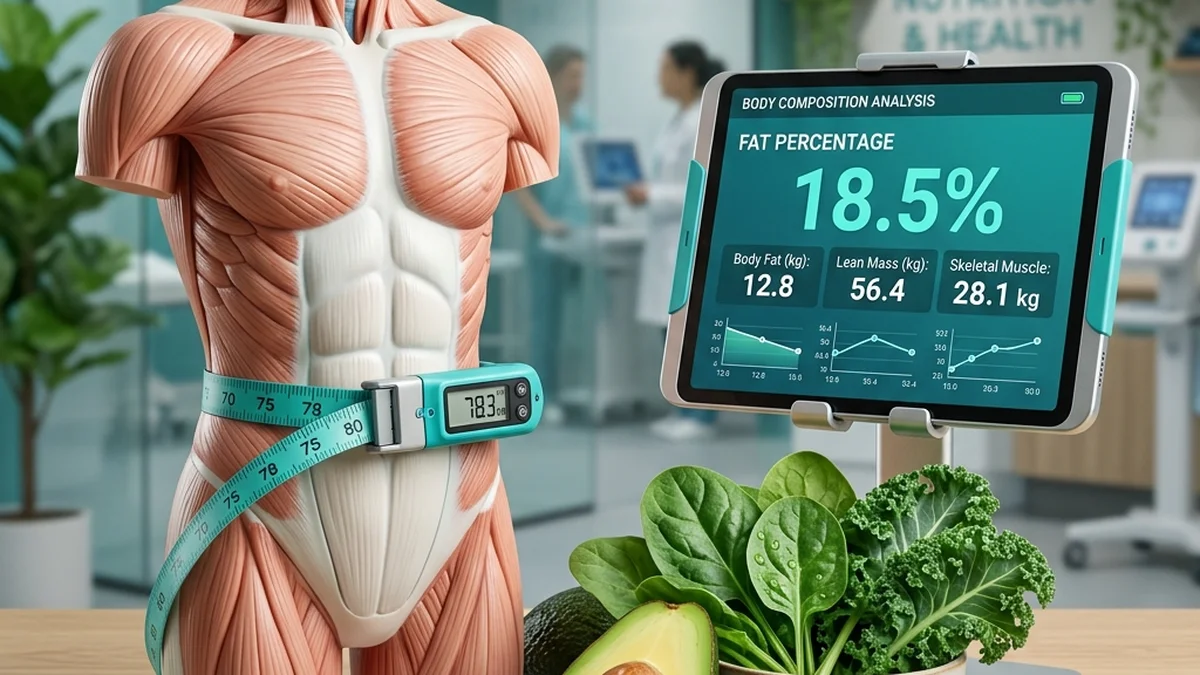
Waist circumference is a practical, clinical measurement for evaluating abdominal fat and metabolic risk. Scale weight alone does not distinguish between muscle mass, water weight, and fat tissue, making it an incomplete metric for tracking progress.
To measure waist circumference, place a measuring tape around your bare abdomen just above the hip bone, ensuring it is snug but not compressing the skin. According to the World Health Organization (WHO) and the National Institutes of Health (NIH), a waist circumference greater than 102 cm (40 inches) for men and 88 cm (35 inches) for women is associated with increased cardiometabolic risk. Tracking changes in waist circumference over time can provide a helpful indicator of visceral fat (belly fat) reduction and health progress.
15. Know When to Get Help
If you have established a consistent calorie deficit and regular exercise routine but are not seeing progress, it may be helpful to consult a healthcare provider. Several physiological factors can influence weight management, including thyroid function, hormone balance, and certain medications.
Conditions like hypothyroidism, polycystic ovary syndrome (PCOS), and insulin resistance can impact metabolic rate and fat storage. Following a targeted pcos diet plan pdf practical guide is often a clinical priority to manage these conditions. A primary care physician can evaluate these factors through blood tests and clinical assessment, while a registered dietitian can provide personalized nutritional guidance tailored to your health needs. For individuals with severe metabolic dysfunction who do not respond to lifestyle changes, evaluating the clinical viability and bariatric surgery cost with insurance options may be an appropriate step.
Clinical Comparison of Fat Mobilization and Storage Interventions
To understand the physiological impact of different fat loss strategies, the table below compares common interventions across metabolic efficacy, primary biological system, and clinical mechanism.
| Intervention Type | Metabolic Efficacy | Primary Biological System | Clinical Mechanism |
|---|---|---|---|
| Calorie Deficit (300-500 kcal) | High | Endocrine (Insulin & Glucagon) | Upregulates hormone-sensitive lipase (HSL) to initiate systemic lipolysis. |
| Resistance Training | Medium-High | Musculoskeletal & Metabolic | Stimulates GLUT4 translocation and increases resting metabolic rate via hypertrophy. |
| Sleep Extension (7-9 hrs) | Medium | Neuroendocrine (Leptin & Ghrelin) | Normalizes hypothalamic appetite signaling and reduces cortisol-mediated lipogenesis. |
| Stress Reduction Protocols | Medium | HPA Axis (Cortisol Pathways) | Downregulates glucocorticoid receptor activation in visceral fat (belly fat) cells. |
| Abdominal Crunches / Spot Exercises | Negligible | Musculoskeletal (Local) | Builds local muscle endurance without mobilizing overlying adipose tissue. |
Daily Satiety & Adiposity Tracking Checklist
A structured daily checklist can help you monitor your nutrition and lifestyle habits. Consistency is key for managing metabolic health.
| Lifestyle Target | Clinical Metric | Daily Standard | Completed (M / T / W / T / F / S / S) |
|---|---|---|---|
| Calorie Balance | Maintains a modest energy deficit | TDEE minus 300 to 500 kcal | [ ] [ ] [ ] [ ] [ ] [ ] [ ] |
| Protein Target | Preserves lean mass; supports satiety | Min 1.2g per kg body weight | [ ] [ ] [ ] [ ] [ ] [ ] [ ] |
| Viscous Fiber | Slows glucose absorption; stimulates SCFAs | Min 25 to 30 grams | [ ] [ ] [ ] [ ] [ ] [ ] [ ] |
| Hydration Level | Supports metabolic pathways and digestion | Min 2 to 3 liters of water | [ ] [ ] [ ] [ ] [ ] [ ] [ ] |
| Sleep Duration | Regulates leptin and ghrelin levels | 7 to 9 hours | [ ] [ ] [ ] [ ] [ ] [ ] [ ] |
Clinical Frequently Asked Questions
Why is visceral fat (belly fat) considered more dangerous than subcutaneous fat?
visceral fat (belly fat) is located deep in the abdominal cavity and surrounds vital organs. It is metabolically active and has a higher density of glucocorticoid receptors and blood flow than subcutaneous fat. Visceral adipocytes release free fatty acids and inflammatory cytokines directly into the portal vein, which carries them to the liver, contributing to insulin resistance, hepatic steatosis, and systemic inflammation.
How does cortisol promote fat storage specifically in the abdominal region?
Chronic stress activates the HPA axis, releasing cortisol from the adrenal cortex. visceral fat (belly fat) cells have a higher concentration of glucocorticoid receptors than subcutaneous fat cells. Cortisol binds to these receptors, activating lipoprotein lipase (LPL) to promote fat storage while inhibiting lipolysis. It also stimulates the enzyme 11b-HSD1, which amplifies local cortisol levels in visceral fat (belly fat) depots.
What is the role of peptide YY (PYY) and GLP-1 in managing appetite?
PYY and GLP-1 are satiety hormones secreted by L-cells in the small intestine in response to the presence of protein and soluble fiber. These hormones act on the arcuate nucleus of the hypothalamus in the brain to activate POMC satiety-promoting neurons and inhibit NPY/AgRP hunger-promoting neurons, helping to regulate food intake.
Why do sugar-sweetened beverages contribute significantly to visceral fat (belly fat)?
Sugar-sweetened beverages contain high amounts of added sugars, including fructose. Fructose metabolism occurs primarily in the liver, where it bypasses a key rate-limiting step of glycolysis. This rapid processing can lead to an overproduction of acetyl-CoA, which is directed toward de novo lipogenesis (DNL), producing new fatty acids that contribute to visceral fat (belly fat) storage and fatty liver risk.
Can you target belly fat loss through abdominal exercises?
No, you cannot selectively target fat loss in a specific area of the body. Fat loss occurs systematically across the body when a consistent energy deficit is maintained. Abdominal exercises like crunches strengthen the underlying core muscles but do not selectively burn the fat overlying those muscles.
High-Authority Educational Videos
Watch these educational videos from leading medical institutions to learn more about the health risks of visceral fat and strategies for managing your metabolic health.
Cleveland Clinic: Exercise and Heart Health
Clinical experts at the Cleveland Clinic explain the physiology of physical activity and how much exercise is needed for metabolic and cardiovascular health.
Mayo Clinic: GLP-1 Weight Loss & Metabolism
Medical experts on the Mayo Clinic Health Matters Podcast discuss weight loss mechanics, lifestyle modifications, and metabolic changes.
Scientific References
- National Institutes of Health (NIH). Clinical Reference database for Evidence-Based Medical Protocols.
- World Health Organization. Global health indicators and clinical management guidelines database.
- Harvard T.H. Chan School of Public Health. The Nutrition Source and Metabolic Regulation reviews.
- Mayo Clinic Proceedings. Evidence-Based Clinical Interpretations Ledger.
Medical Disclaimer: This article is for general educational purposes only and does not constitute professional medical advice, diagnosis, or treatment. Always consult a qualified healthcare provider with questions about a medical condition. Do not stop or start medications without clinical supervision. See our full Medical Disclaimer and Editorial Policy.

Ganesh G Kamble
Ganesh G. Kamble is the founder and editor of Health is Heaven. He built this site after losing his father to a preventable condition, with the mission of providing clear, trackable health indicators so others can act early. His background is in the IT industry (16 years as an enterprise consultant) and he is not a medical professional; all medical content, formulas, and guides are reviewed by a credentialed medical reviewer/board before publication.