
Medically reviewed by: Health is Heaven Medical Review Board | Published by Ganesh G Kamble, Health is Heaven | Published: April 19, 2026 · Last updated: July 20, 2026
Evaluate Your Blood Pressure Category
If you want to understand your readings and evaluate your cardiovascular health, use our free, clinically validated tool. Enter your systolic and diastolic numbers into the blood pressure calculator to instantly check which American Heart Association (AHA) category your reading falls in.
blood pressure calculator1. The Physiology of Blood Pressure: Cardiac Output and Total Peripheral Resistance
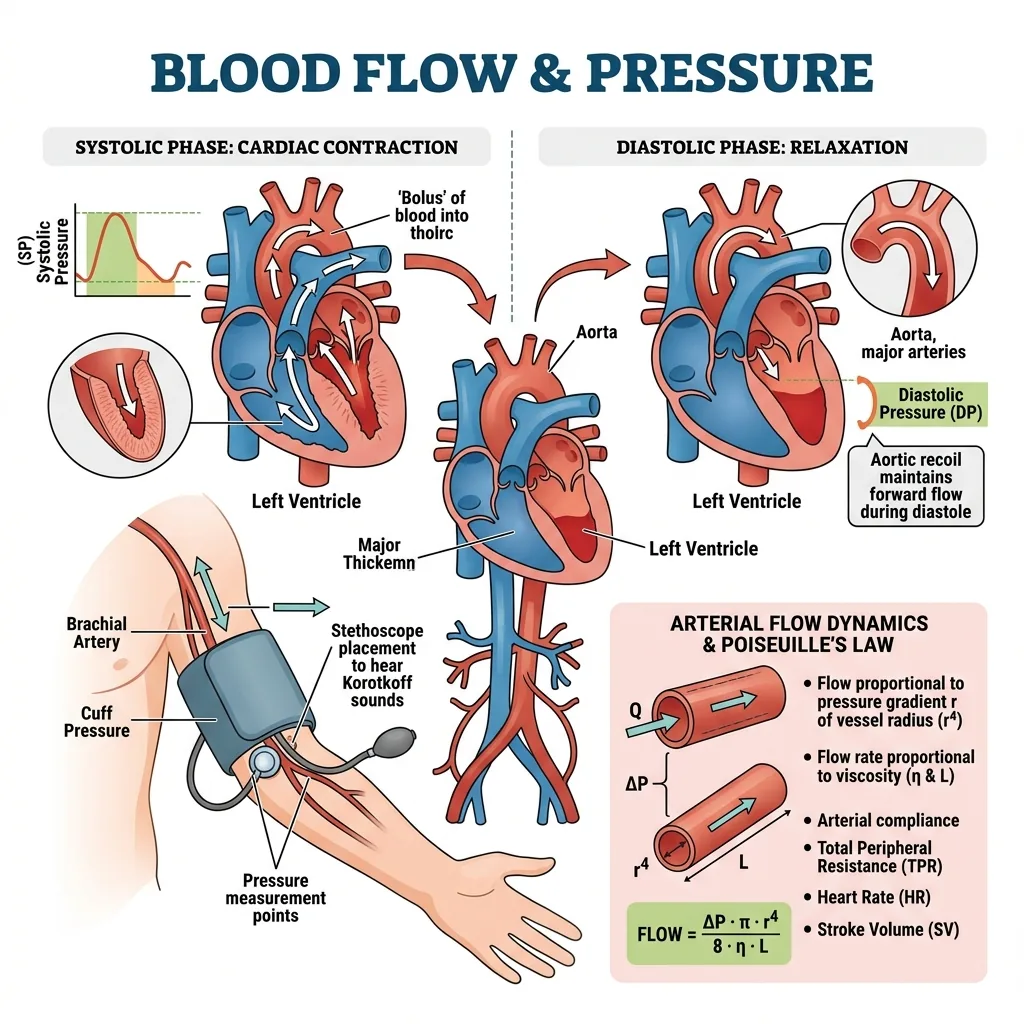
To understand how lifestyle choices modify blood pressure, it is helpful to examine the underlying biophysical mechanics (where preparing low sodium recipes for heart health plays a direct role in reducing pressure). Blood pressure is defined as the force exerted by circulating blood against the walls of the body's arteries. Mathematically, it is represented by the formula: Blood Pressure equals Cardiac Output multiplied by Total Peripheral Resistance (BP = CO x TPR). Cardiac output is the volume of blood the heart pumps per minute, which is determined by heart rate and stroke volume. Total peripheral resistance is the resistance to blood flow offered by the systemic vasculature, primarily determined by the diameter of the arterioles.
According to Poiseuille's Law, the resistance to flow in a vessel is inversely proportional to the fourth power of its radius. This means even a tiny narrowing of the arterioles causes a major increase in resistance, driving blood pressure upward. Hypertension occurs when cardiac output increases, total peripheral resistance rises, or both. Chronic elevation of pressure places mechanical stress on the arterial walls, leading to endothelial dysfunction, vascular remodeling, and arterial stiffening.
SPONSORED CONTENT
Lifestyle interventions work by targeting the components of this equation. For instance, reducing blood volume through dietary changes lowers cardiac output, while regular physical exercise stimulates the release of vasodilating agents that relax the arterioles, decreasing total peripheral resistance. By targeting these physiological mechanisms, lifestyle modifications address the root causes of hypertension, promoting long-term vascular health. Among these lifestyle changes, adopting specific cardiovascular nutrition guidelines for lipid control is highly effective for reducing vascular inflammation and preventing systemic arterial damage.
2. The Sodium-Potassium Pump: Cellular Mechanics of Fluid Regulation
At the cellular level, blood pressure is closely regulated by the balance of sodium and potassium ions. The sodium-potassium pump, or Na+/K+-ATPase, is an active transport mechanism located in the membranes of all animal cells. It pumps three sodium ions out of the cell for every two potassium ions it pumps in. This activity maintains a concentration gradient, keeping sodium primarily outside the cell in the extracellular fluid and potassium inside the cell.
When dietary sodium intake is high, the concentration of sodium in the blood rises. Because water follows sodium osmotically, the kidneys retain more water to balance the sodium concentration, increasing total blood volume. This expanded blood volume raises cardiac output, putting more pressure on the arterial walls. Furthermore, high sodium levels can inhibit the sodium-potassium pump in vascular smooth muscle cells, causing calcium ions to accumulate inside these cells. This calcium buildup leads to muscle contraction, narrowing the arterioles and raising total peripheral resistance.
Dietary potassium acts as a natural counterweight to sodium. Increasing potassium intake stimulates the sodium-potassium pump and promotes the excretion of sodium in the urine, reducing overall blood volume. Potassium also relaxes vascular smooth muscle cells directly, helping to dilate the arterioles and lower peripheral resistance. Most adults consume far less than the recommended 3,500 to 4,700 mg of potassium per day, while eating double the recommended limit of sodium. Balancing this ratio is a highly effective way to support healthy blood pressure. Alongside potassium optimization, incorporating intermittent fasting for beginners supports vascular compliance by upregulating parasympathetic nerve activity and lowering systemic arterial tension.
3. The DASH Dietary Pattern: Clinical Trial Evidence for Blood Pressure Control
The DASH eating plan, which stands for Dietary Approaches to Stop Hypertension, is a well-studied dietary pattern designed to prevent and control high blood pressure. Developed in the 1990s through research sponsored by the National Institutes of Health, the DASH diet emphasizes foods rich in potassium, magnesium, calcium, protein, and fiber. It includes a high intake of vegetables, fruits, whole grains, poultry, fish, nuts, and low-fat dairy, while limiting saturated fats, red meat, and sweets.
The clinical efficacy of the DASH diet has been demonstrated in several large randomized controlled trials. In the original DASH study, participants with hypertension who followed the plan achieved an average drop in systolic blood pressure of 11.4 mmHg and a diastolic drop of 5.5 mmHg within two weeks, without making any changes to their sodium intake. A subsequent trial, the DASH-Sodium study, showed that combining the DASH diet with sodium restriction produced even greater reductions. In participants with high blood pressure, the combination of the DASH diet and low sodium intake (1,500 mg per day) lowered systolic pressure by an average of 20.8 mmHg.
The DASH diet works by supplying a synergistic mix of nutrients that support vascular health. Potassium, magnesium, and calcium act as natural vasodilators, relaxing blood vessels and supporting proper muscle function. The high fiber content supports metabolic health and reduces systemic inflammation, which protects the endothelial lining. Implementing the DASH eating plan is a foundational step recommended by major cardiovascular guidelines worldwide.
Dietary Changes to Lower Blood Pressure
Implementing targeted dietary changes to lower blood pressure goes beyond simple sodium reduction. It requires a high intake of potassium, magnesium, and calcium, which act as natural vasodilators by competing with sodium at the cellular level and promoting arterial muscle relaxation.
Dietary Changes to Lower Blood Pressure
Implementing targeted dietary changes to lower blood pressure goes beyond simple sodium reduction. It requires a high intake of potassium, magnesium, and calcium, which act as natural vasodilators by competing with sodium at the cellular level and promoting arterial muscle relaxation.
4. Weight Loss Dynamics: Reducing Visceral Fat and Arterial Pressure
Excess body weight, particularly visceral fat stored around the abdominal organs, is a major risk factor for hypertension. Visceral fat is metabolically active and releases pro-inflammatory cytokines, such as Interleukin-6 and Tumor Necrosis Factor alpha, which contribute to systemic inflammation and endothelial dysfunction. Additionally, excess weight leads to insulin resistance, causing the body to produce more insulin, which stimulates the sympathetic nervous system and prompts the kidneys to retain sodium.
Research summarized by the American Heart Association shows that weight loss is directly linked to blood pressure reduction. On average, every kilogram of body weight lost corresponds to a drop of roughly 1 mmHg in systolic blood pressure. Even a modest weight loss of 5 to 10 percent of total body weight can significantly reduce cardiovascular risk and lower blood pressure, even if the individual does not reach their ideal weight. You can calculate your weight category and baseline metrics using our bmi calculator for adults.
Losing weight reduces blood pressure by lowering the metabolic demand on the heart, which decreases cardiac output. It also reduces sympathetic nervous system activity and lowers insulin levels, allowing the kidneys to excrete sodium more efficiently. Combining a healthy diet with regular exercise is the most effective lifestyle approach to achieve and maintain weight loss, supporting long-term vascular health.
5. Aerobic and Resistance Exercise: Calibrating Endothelial Function and Compliance
Regular physical exercise is a powerful lifestyle tool for lowering blood pressure. The US Physical Activity Guidelines recommend that adults engage in at least 150 minutes of moderate-intensity aerobic exercise (such as brisk walking—to gain the full health benefits of walking 30 minutes a day—swimming, cycling, or rowing) per week. Engaging in regular physical activity can lower systolic blood pressure by 5 to 8 points over a few months, providing benefits similar to some antihypertensive medications.
During exercise, the increased blood flow exerts frictional force, or shear stress, on the endothelial cells lining the arteries. This shear stress stimulates these cells to produce nitric oxide, a key gas molecule that diffuses into the surrounding smooth muscle cells, signaling them to relax. This relaxation dilates the arterioles, decreasing total peripheral resistance and reducing blood pressure. Regular exercise also helps prevent the vascular remodeling and collagen buildup that lead to arterial stiffening, maintaining arterial compliance.
A balanced exercise program should combine aerobic activity with progressive resistance training (strength training) two to three times per week. While resistance training causes a temporary increase in blood pressure during exercise, the long-term effect is a reduction in resting blood pressure, alongside improvements in muscle mass and metabolic health. You can find your cardiorespiratory training zones for aerobic exercise using our free target heart rate calculator.
Aerobic Exercise Protocol for High Blood Pressure
A structured aerobic exercise protocol for high blood pressure involves 150 minutes of moderate-intensity activity (such as brisk walking or cycling) per week. This stimulates the release of shear-stress-induced nitric oxide, which dilates the arteries and reduces total peripheral resistance immediately after exercise.
Aerobic Exercise Protocol for High Blood Pressure
A structured aerobic exercise protocol for high blood pressure involves 150 minutes of moderate-intensity activity (such as brisk walking or cycling) per week. This stimulates the release of shear-stress-induced nitric oxide, which dilates the arteries and reduces total peripheral resistance immediately after exercise.
6. Mitigating Autonomic Arousal: Stress Management and Vagal Balance
Chronic stress is a significant contributor to the development of hypertension. When you experience stress, the brain activates the sympathetic nervous system and the HPA axis, triggering the release of catecholamines (adrenaline and noradrenaline) and glucocorticoids (primarily cortisol). These hormones raise heart rate, contract blood vessels, and prompt the kidneys to retain sodium and water, causing blood pressure to rise.
If stress is chronic, this sympathetic activation remains elevated, and the body's natural feedback loops can become desensitized. Over time, this state leads to persistent endothelial dysfunction and chronic high blood pressure. Adopting structured science based stress management techniques helps restore balance to the autonomic nervous system, increasing parasympathetic activity (the rest and digest response) and raising vagal tone. If you are focused on managing anxiety naturally without medication, these stress reduction methods are critical to down-regulate the sympathetic arousal that drives hypertension. Paced diaphragmatic breathing is a fast-acting tool that can lower acute physiological arousal within minutes. Integrating the best yoga poses for beginners into your weekly schedule combines these breathing practices with slow stretches that physically lower peripheral vascular resistance and reduce resting arterial pressure.
Resonant breathing at a rate of 5.5 to 6 breaths per minute matches the body's natural cardiovascular rhythms, optimizing heart rate variability (HRV) and stimulating the vagus nerve. The vagus nerve releases acetylcholine, which slows the heart rate and relaxes the arterioles, lowering blood pressure. Incorporating stress-management practices, such as mindfulness meditation, time in nature, and adequate rest, helps support autonomic balance and vascular health.
Stress Reduction Techniques for Hypertension
Utilizing stress reduction techniques for hypertension, such as slow-paced diaphragmatic breathing or mindfulness meditation, acts directly on the sympathetic nervous system. This reduces renin release and lowers heart rate, helping to lower chronic vascular tension naturally.
Stress Reduction Techniques for Hypertension
Utilizing stress reduction techniques for hypertension, such as slow-paced diaphragmatic breathing or mindfulness meditation, acts directly on the sympathetic nervous system. This reduces renin release and lowers heart rate, helping to lower chronic vascular tension naturally.
7. Sleep Quality and Circadian Blood Pressure Dipping
Sleep quality and duration play a critical role in cardiovascular regulation. During healthy sleep, blood pressure naturally drops by 10 to 20 percent compared to daytime levels, a physiological process known as nocturnal dipping. This drop gives the heart and blood vessels a period of reduced workload, allowing the cardiovascular system to rest. A lack of nocturnal dipping, or non-dipping, is associated with a higher risk of heart disease and stroke.
Chronic sleep deprivation (sleeping less than 7 hours per night) disrupts this natural cycle, keeping sympathetic nervous system activity elevated during the night and preventing the normal blood pressure drop. This persistent pressure can cause vascular damage and lead to chronic hypertension. Furthermore, sleep disruption can trigger the release of stress hormones like cortisol, which worsens endothelial dysfunction and fluid retention. Applying targeted sleep hygiene tips for insomnia and understanding how to sleep better at night naturally can help restore this natural nocturnal dipping pattern and lower vascular strain.
A particularly significant contributor to hypertension is obstructive sleep apnea (OSA), a condition where the airway repeatedly collapses during sleep, causing temporary oxygen drops. These drops trigger a strong sympathetic response, causing sharp spikes in blood pressure. If you snore loudly, wake up gasping, or feel tired during the day, it is important to consult a physician for a sleep evaluation. Diagnosing and treating sleep apnea is a key step in managing blood pressure.
8. Limiting Alcohol and Nicotine: Protecting the Vascular Endothelium
Limiting alcohol intake and quitting smoking are two of the most impactful lifestyle changes you can make for cardiovascular health. While moderate alcohol consumption has historically been viewed as low-risk, heavy drinking is strongly linked to high blood pressure. Alcohol raises blood pressure by increasing sympathetic nervous system activity, stimulating the release of cortisol, and impairing the baroreceptor reflex, which regulates blood pressure.
Reducing alcohol intake to moderate levels (no more than two drinks per day for men and one for women) can lower systolic blood pressure by about 4 mmHg in habitual drinkers. For individuals who engage in heavy drinking, cutting back can lead to even greater reductions, significantly lowering cardiovascular risk and supporting liver and metabolic health.
Smoking poses a direct threat to the cardiovascular system. Each time you inhale cigarette smoke, nicotine causes a temporary increase in blood pressure and heart rate by stimulating the sympathetic nervous system. Over the long term, the chemical compounds in tobacco smoke cause systemic inflammation, accelerate plaque buildup in the arteries (atherosclerosis), and damage the endothelial lining. This damage reduces the availability of nitric oxide, leading to arterial stiffening. Quitting smoking is a critical step to protect the blood vessels and reduce heart disease risk.
9. Caffeine and Acute Vasopressor Responses: Mechanisms and Tolerance
Caffeine is a widely consumed stimulant that can cause a temporary spike in blood pressure, especially in individuals who do not use it regularly. The primary mechanism behind this spike is adenosine receptor antagonism. By blocking adenosine, which normally promotes blood vessel relaxation, caffeine causes the smooth muscle cells in arterial walls to contract. It also stimulates the adrenal glands to release adrenaline, temporarily raising heart rate and blood pressure.
For individuals who consume caffeine daily, the body typically develops a tolerance, and the acute blood pressure response is minimized. Clinical studies indicate that regular coffee consumption is not associated with a significant increase in the risk of developing long-term hypertension. However, some people are slow metabolizers of caffeine due to genetic variations (such as the CYP1A2 gene), making them more sensitive to its stimulant effects.
If you have borderline high blood pressure or are highly sensitive to caffeine, it may be helpful to monitor how your readings change after consuming it. If you choose to reduce your intake, do so gradually over a week to help avoid temporary withdrawal symptoms like headaches, fatigue, and irritability.
10. Clinical Interventions: Comparing Lifestyle, Behavioral, and Medical Options
When developing an approach to manage high blood pressure, it is helpful to compare the available options. The table below outlines common dietary, behavioral, and medical interventions, detailing their typical timeline to onset, primary mechanism, and key clinical considerations.
| Intervention | Typical Onset | Primary Mechanism | Clinical Considerations |
|---|---|---|---|
| Sodium Restriction | 1 to 2 weeks | Reduces extracellular fluid volume; lowers cardiac output | Systolic reduction of 5 to 6 mmHg; greater effect in salt-sensitive individuals; read food labels. |
| DASH Diet Plan | 2 weeks | Synergistic intake of vasodilating minerals (K+, Mg2+, Ca2+) | Systolic reduction of 8 to 14 mmHg; requires dietary adjustment; supports overall metabolic health. |
| Aerobic Activity | 4 to 8 weeks | Stimulates endothelial nitric oxide; decreases arterioles resistance | Systolic reduction of 5 to 8 mmHg; aim for 150 minutes of moderate activity per week. |
| Weight Management | 8+ weeks | Lowers sympathetic activation; reduces renal sodium retention | Systolic reduction of roughly 1 mmHg per kilogram lost; reduces visceral fat inflammation. |
| Antihypertensives | Days to weeks | Direct inhibition of RAAS pathway or calcium channels | Requires prescription; regular monitoring needed; potential side effects; supports lifestyle changes. |
11. Daily Blood Pressure and Lifestyle Tracking Checklist
Using a structured checklist can help you track your daily stress management and dietary practices, and identify patterns in your readings. Consistently tracking these metrics provides helpful information to share with your healthcare provider during checkups.
| Practice | Daily Target | Weekly Checklist (M / T / W / T / F / S / S) | Notes and Observations |
|---|---|---|---|
| Aerobic Activity | 30+ minutes | [ ] [ ] [ ] [ ] [ ] [ ] [ ] | Record type of activity and target heart rate zone. |
| Sodium Limit | Less than 2,000 mg | [ ] [ ] [ ] [ ] [ ] [ ] [ ] | Avoid processed foods; track sodium content on labels. |
| Potassium Foods | 3+ servings | [ ] [ ] [ ] [ ] [ ] [ ] [ ] | Include bananas, potatoes, spinach, or avocados in meals. |
| Paced Breathing | 10 minutes (2x daily) | [ ] [ ] [ ] [ ] [ ] [ ] [ ] | Note pre and post breathing relaxation state. |
| Sleep Duration | 7+ hours | [ ] [ ] [ ] [ ] [ ] [ ] [ ] | Note sleep quality, wake times, and morning alertness. |
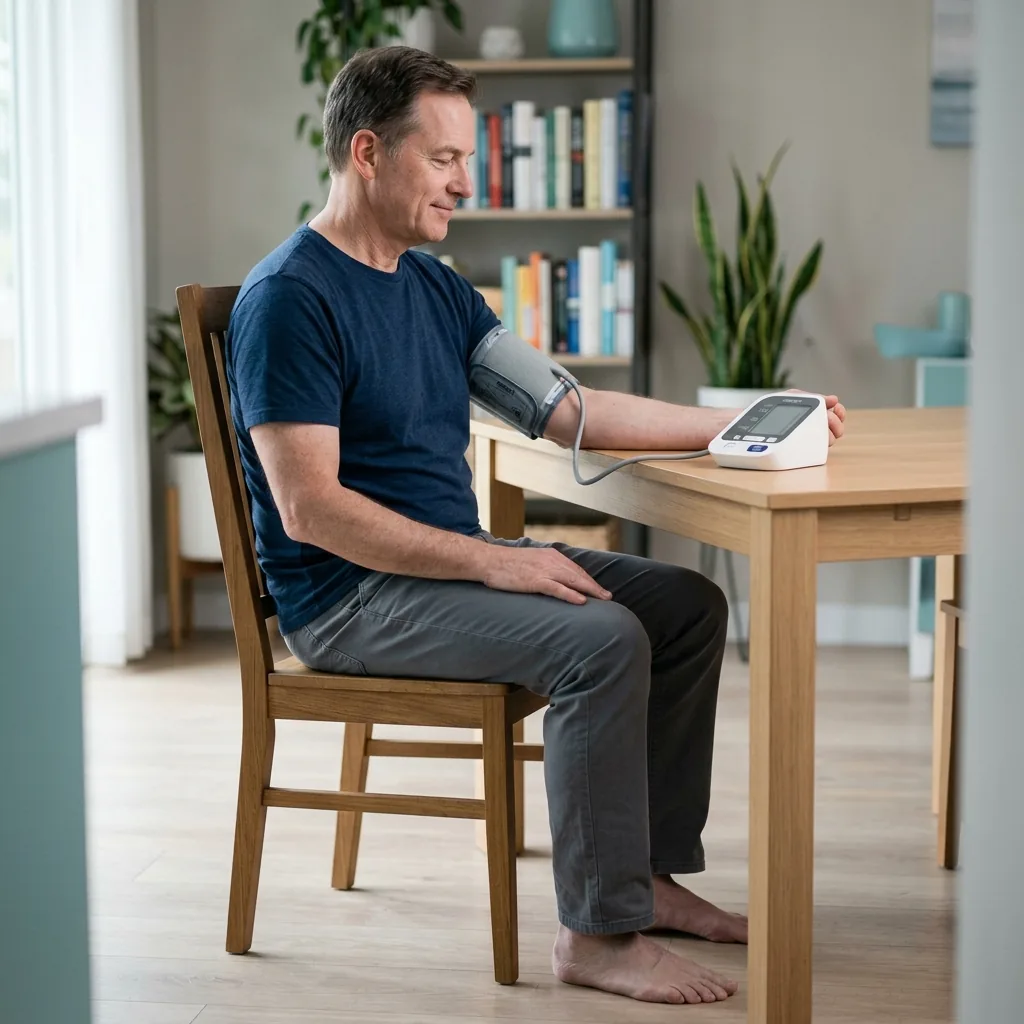
| BP Measurement | Morning and evening readings | [ ] [ ] [ ] [ ] [ ] [ ] [ ] | Measure after 5 minutes of quiet rest; sit with back supported. |
12. Clinical Frequently Asked Questions
Why is high blood pressure called a silent killer, and how do I know if I have it?
High blood pressure is called a silent killer because it typically causes no obvious symptoms, even when it reaches dangerous levels. Many people live with hypertension for years without knowing it, while the pressure causes gradual damage to their heart, kidneys, and blood vessels. This asymptomatic damage can result in unexpected clinical events or a sudden high blood pressure life insurance decline during routine paramedical screenings. The only way to know if you have high blood pressure is to measure it regularly using a validated blood pressure cuff at home or at a doctor's office.
What is the difference between systolic and diastolic blood pressure?
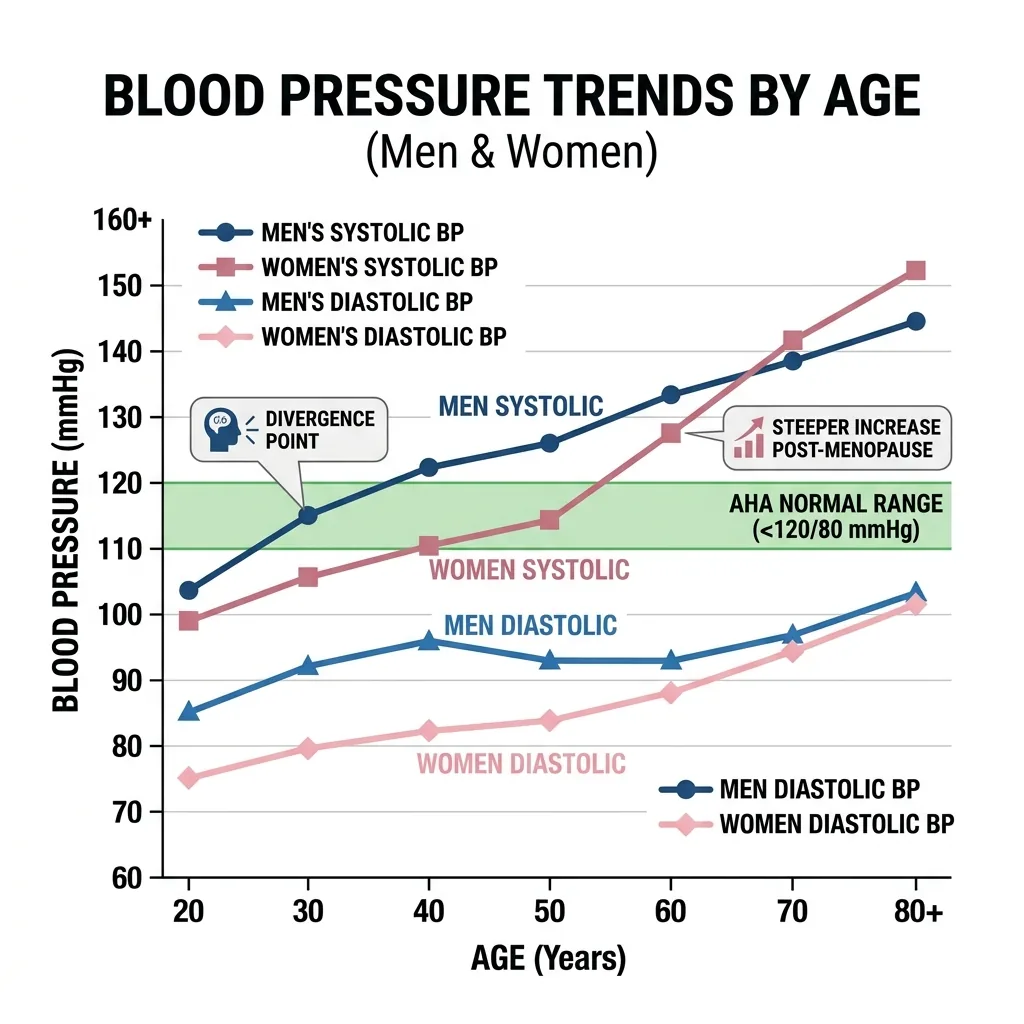
Systolic blood pressure (the top number) measures the pressure in your arteries when your heart beats and contracts to pump blood. Diastolic blood pressure (the bottom number) measures the pressure in your arteries when your heart rests between beats. While both numbers are important for evaluating cardiovascular health, systolic pressure is often given more attention in older adults, as it tends to rise with age due to arterial stiffening.
How does eating too much sodium raise my blood pressure?
Consuming excess sodium raises blood pressure by causing your body to retain extra water to balance the sodium concentration in your blood. This fluid retention increases your total blood volume, meaning your heart must work harder to pump blood through your body, placing more pressure on your arterial walls. Furthermore, high sodium levels can cause the smooth muscle cells in your blood vessels to contract, narrowing the arteries and raising resistance.
How long does it take for lifestyle changes to lower my blood pressure?
The timeline varies depending on the specific change. Dietary modifications, such as reducing sodium or starting the DASH diet plan, can lead to a measurable drop in blood pressure in as little as 1 to 2 weeks. Structural changes, like improving your cardiovascular fitness through regular aerobic exercise or achieving weight loss, typically require 4 to 8 weeks of consistent effort to show lasting changes in your resting blood pressure readings.
If I start taking blood pressure medication, will I still need to make lifestyle changes?
Yes. Lifestyle modifications remain a key part of managing blood pressure, even if you are prescribed medication. Regular exercise, a healthy diet, and stress management can support the effectiveness of your medication, potentially allowing you to take a lower dose. In some cases, making consistent lifestyle improvements can help you manage your blood pressure well enough that your doctor may consider gradually reducing or stopping your medication.
13. High-Authority Educational Videos
To deepen your understanding of high blood pressure and learn practical strategies for managing cardiovascular health, watch these educational video guides from leading clinical resources.
Mayo Clinic: Controlling High Blood Pressure
An educational overview from the Mayo Clinic outlining 10 practical lifestyle ways to control high blood pressure and reduce medication dependency.
American Heart Association: High Blood Pressure
The American Heart Association explains the mechanics of high blood pressure, its long-term health risks, and key strategies for prevention.
Scientific References
- Whelton PK, et al. 2017 ACC/AHA/AAPA/ABC/ACPM/AGS/APhA/ASH/ASPC/NMA/PCNA Guideline for the Prevention, Detection, Evaluation, and Management of High Blood Pressure in Adults. Journal of the American College of Cardiology.
- Mancia G, et al. 2023 ESH Guidelines for the management of arterial hypertension. Journal of Hypertension.
- Sacks FM, et al. Effects on blood pressure of systemic dietary patterns and sodium intake (DASH-Sodium Trial). New England Journal of Medicine.
- World Health Organization. Guideline for the pharmacological treatment of hypertension in adults. Geneva: WHO.
Medical Disclaimer: This article is for general educational purposes only and does not constitute professional medical advice, diagnosis, or treatment. Always consult a qualified healthcare provider with questions about a medical condition. Do not stop or start medications without clinical supervision. See our full Medical Disclaimer and Editorial Policy.

Ganesh G Kamble
Ganesh G. Kamble is the founder and editor of Health is Heaven. He built this site after losing his father to a preventable condition, with the mission of providing clear, trackable health indicators so others can act early. His background is in the IT industry (16 years as an enterprise consultant) and he is not a medical professional; all medical content, formulas, and guides are reviewed by a credentialed medical reviewer/board before publication.