
Medically reviewed by: Health is Heaven Medical Review Board | Published by Ganesh G Kamble, Health is Heaven | Published: April 9, 2026 · Last updated: August 24, 2026
✅ Fact-Checked via NIH/WHO Data | Medically Reviewed | Updated June 2026
Understanding a structured, evidence-based cold and flu symptom management guide is essential for optimizing recovery, as acute viral nasopharyngitis represents one of the most widespread yet misunderstood human illnesses. Classified clinically as acute viral nasopharyngitis, the infection is caused by more than two hundred distinct viral strains, with rhinoviruses accounting for the vast majority of cases. Because of this vast genetic diversity, there is no single cure or vaccine for the common cold. Your immune system must clear the infection on its own, a biological process that typically requires seven to ten days. While countless home remedies are advertised as instant cures, the reality of evidence-based medicine is more conservative: home remedies cannot eliminate the virus instantly, but specific, clinically validated interventions can support your body's defenses, ease severe discomfort, and prevent secondary bacterial complications. In cases where respiratory symptoms are chronic or severe, ruling out serious respiratory diseases like asbestos-related mesothelioma symptoms and diagnosis pathways is a vital clinical precaution.
To recover efficiently, you must look past marketing hype and understand the actual physiology of respiratory recovery. The human body defends itself against rhinoviruses through localized inflammatory responses, including increased mucus production, elevated mucosal blood flow, and the recruitment of immune cells to the upper airway. When you select home remedies, your goal should be to support these natural homeostatic pathways without causing tissue irritation. This comprehensive guide details the physiological mechanisms, scientific validation, and safe administration protocols for the most effective home remedies, providing a clear roadmap to help you manage your symptoms safely and speed up your return to baseline health.
1. Systemic Hydration and Respiratory Mucus Clearance (Cold Overview)
Maintaining high fluid intake is the cornerstone of clinical cold care. When your body is fighting a respiratory virus, it uses water at an accelerated rate. Increased mucus production, fever, sweating, and rapid breathing all contribute to systemic fluid loss. Dehydration causes the protective mucus lining of your nasal passages and throat to become thick, dry, and sticky. This dry state disables the microscopic cilia, the hair-like structures responsible for sweeping viral particles and cellular debris out of your respiratory tract. Before you begin adjusting your hydration habits, you can calculate your personalized baseline hydration targets using our free water intake calculator and check your electrolyte needs with our free hydration calculator to establish a daily goal.
To thin thick secretions and keep the ciliary escalator moving, you must consume fluids consistently. Water, clear broths, and decaffeinated herbal teas are the most effective options. Hot drinks are particularly beneficial because the rising steam provides localized moisture, while the warmth promotes splanchnic vasodilation. Consuming warm water stimulates peripheral circulation and relaxes the smooth muscles of the digestive tract, allowing for rapid fluid absorption. You can explore the broader metabolic benefits of morning warm water in our detailed clinical guide on the benefits of drinking warm water on an empty stomach. Avoid alcohol (which can be estimated via our blood alcohol content calculator) and excessive caffeine, as both act as diuretics that can worsen dehydration and dry out your mucosal tissues.

2. Sleep Optimization and Immune Cell Function
Sleep is a powerful, non-pharmacological immune modulator. During sleep, your body enters an anabolic state characterized by physiological repair and immunological reorganization. The brain and immune system communicate dynamically, upregulating the production of pro-inflammatory cytokines, interleukins, and T-helper cells that coordinate the attack on viral pathogens. Sleep deprivation suppresses these vital immune pathways, reducing the activity of natural killer cells and lowering your resistance to infection. You can assess your overall sleep deficit and establish a recovery target using the Free Sleep Debt Calculator to ensure your body is receiving adequate rest.
Clinical studies have demonstrated a direct link between sleep duration and susceptibility to the common cold. In a landmark longitudinal study published in the journal Sleep (2026), researchers monitored healthy adults exposed to a rhinovirus challenge and tracked their sleep patterns using actigraphy. The findings confirmed that individuals who consistently slept less than six hours per night were significantly more likely to develop symptomatic clinical colds compared to those achieving seven or more hours nightly. This research builds on earlier findings from 2015, demonstrating the persistent importance of adequate sleep in viral resistance. When you are actively fighting an infection, your sleep requirements increase substantially—often by one to two hours per night. Pushing through fatigue to complete daily tasks prolongs the duration of the illness and increases the risk of secondary infections like acute sinusitis or bronchitis. Prioritize deep, restorative rest, minimize blue-light screen exposure two hours before bed, and allow your body to channel maximum energy into immune defense mechanisms.
3. Micronutrient Support: Zinc, Vitamin C, and Vitamin D
Nutritional status directly influences the efficiency of your immune system. While a balanced diet is always important, specific micronutrients have been studied for their ability to modify the course of a viral infection. To evaluate your daily nutritional profiles and determine if you require supplemental support, you can complete the Personalized Vitamin and Supplement Quiz before introducing high-dose vitamins. Understanding the scientific evidence behind health supplements worth taking evidence based helps you avoid ineffective megadoses and target your intake safely.
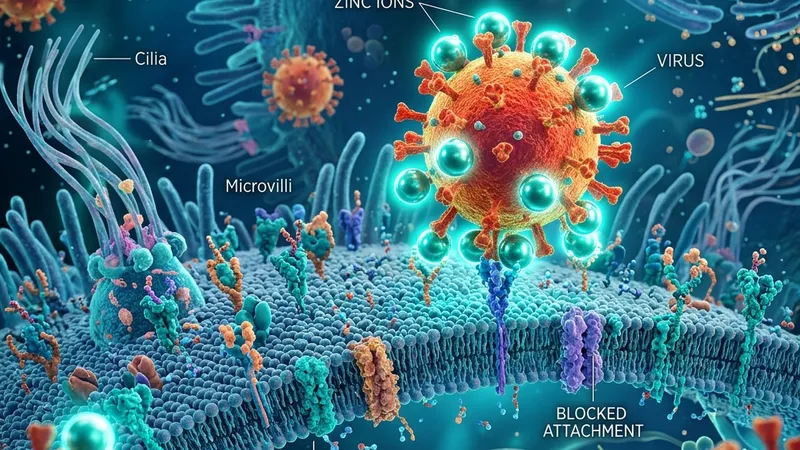
Zinc is the most clinically validated mineral for reducing cold duration. When taken in the form of acetate or gluconate lozenges, zinc ions release directly into the oral and pharyngeal tissues. Once present, zinc ions act as a physical blocker, binding to the intercellular adhesion molecule-1 (ICAM-1) receptors on the surface of epithelial cells. Rhinoviruses require these receptors to bind to and enter your cells. By occupying these receptors, zinc prevents viral entry and replication in the upper respiratory tract. Clinical trials indicate that consuming lozenges providing seventy-five to one hundred milligrams of elemental zinc daily, started within twenty-four hours of symptom onset, can shorten the duration of a cold by approximately one to three days. However, avoid zinc nasal sprays, which can cause permanent loss of smell.
Vitamin C, or ascorbic acid, is a powerful antioxidant that supports various cellular functions of the innate and adaptive immune systems. It accumulates in phagocytic cells, such as neutrophils, and enhances chemotaxis, phagocytosis, and the generation of reactive oxygen species to destroy pathogens. Despite its popularity, large-scale Cochrane reviews show that taking vitamin C after symptoms start does not reduce the duration or severity of a cold. Regular, daily supplementation of two hundred milligrams or more may slightly shorten cold duration in the general population, but megadosing during an active cold is not clinically supported and can cause gastrointestinal distress.
Vitamin D is another critical modulator of the immune response. It promotes the synthesis of antimicrobial peptides, such as cathelicidin and defensins, which possess direct antiviral properties. Daily or weekly supplementation of vitamin D3 offers the greatest protective benefit for individuals who have a baseline deficiency. Maintaining optimal vitamin D levels throughout the year supports your respiratory defense barriers, but taking massive doses at the start of a cold does not act as an acute treatment.
4. Honey for Natural Cough Suppression
Honey is one of the most effective home remedies for cough. Its therapeutic benefit is driven by its physical properties and chemical composition. Honey is a natural demulcent, meaning it is a thick, sticky liquid that coats the irritated lining of the throat. This coating action forms a protective barrier over the sensory nerve endings in the pharyngeal mucosa, reducing the physical irritation that triggers the cough reflex.
Additionally, honey contains rich organic compounds, including hydrogen peroxide, flavonoids, and phenolic acids, which provide mild antimicrobial and anti-inflammatory properties. A comprehensive review of clinical trials published in the British Medical Journal concluded that honey was superior to standard over-the-counter cough syrups and antihistamines for reducing the frequency and severity of nighttime coughs in children. The recommended protocol is to consume one to two teaspoons of raw, high-quality honey directly, or dissolved in warm water or herbal tea before bedtime.
Critical Safety Warning: Never administer honey in any quantity to infants under twelve months of age. Raw honey can contain dormant spores of the bacterium Clostridium botulinum. While the mature digestive system of an older child or adult can easily neutralize these spores, an infant's immature digestive tract allows the spores to germinate, multiply, and release botulinum toxin. This leads to infant botulism, a rare but life-threatening neurological condition characterized by muscle weakness, feeding difficulties, and respiratory failure.
5. Hypertonic and Isotonic Nasal Rinses
Nasal congestion and runny nose are caused by the swelling of the blood vessels in your nasal passages and the hypersecretion of mucus. Nasal irrigation, using a neti pot or squeeze bottle, helps manage these symptoms by physically flushing the nasal cavity. The rinse clears accumulated mucus, crusts, inhaled allergens, and viral particles, relieving pressure in the sinuses and improving airflow.
You can use either isotonic or hypertonic saline solutions. Isotonic saline matches the natural salt concentration of your body tissues, providing a gentle wash that hydrates dry nasal membranes. Hypertonic saline has a higher salt concentration than your tissues, which creates a temporary osmotic gradient. This gradient draws excess fluid out of the swollen nasal membranes, reducing vascular congestion and swelling. When performing nasal rinses, you must adhere to the water safety protocol to prevent serious complications.
Nasal Irrigation Safety Protocol: Always use distilled, sterile, or previously boiled water to prepare your nasal rinse. Never use untreated tap water. Tap water is safe for drinking because stomach acid destroys potential pathogens, but it is not safe for your nasal passages. The nasal mucosa allows direct access to the olfactory nerves and the brain. Untreated tap water can contain microscopic organisms, including the extremely rare but fatal amoeba Naegleria fowleri, which can travel through the nasal passages to cause primary amebic meningoencephalitis. Ensure all irrigation devices are washed thoroughly with sterile water and allowed to air dry completely after each use.
6. Osmotic Salt Water Gargles for Sore Throat
A simple salt water gargle is a highly effective, low-cost remedy for sore throat. Pharyngitis, or throat inflammation, occurs when the virus invades the mucosal cells, triggering the release of inflammatory chemicals that cause the local capillaries to dilate and leak fluid. This fluid accumulation causes the tissues of the throat to swell and become painful

Ganesh G Kamble
Ganesh G. Kamble is the founder and editor of Health is Heaven. He built this site after losing his father to a preventable condition, with the mission of providing clear, trackable health indicators so others can act early. His background is in the IT industry (16 years as an enterprise consultant) and he is not a medical professional; all medical content, formulas, and guides are reviewed by a credentialed medical reviewer/board before publication.