
Medically reviewed by: Health is Heaven Medical Review Board | Published by Ganesh G Kamble, Health is Heaven | Published: April 19, 2026 · Last updated: June 18, 2026
The global narrative surrounding addiction and recovery is fundamentally broken. It is consistently framed as a purely moral failure, a lack of dietary willpower, a failure of personal character, or a refusal to implement basic self-discipline. Clinically, chemical addiction is a completely unrecoverable bio-mechanical feedback loop in the brain's reward centers. When a biological system reaches a certain threshold of substance exposure, the neural pathways physically alter, making self-directed cessation highly difficult, if not impossible. Investigating inpatient vs outpatient rehab is not about choosing between a luxury retreat or a casual support group; it is about selecting a physical, structural intervention designed to reboot a failed neurological operating system and safely manage the dangerous biology of detoxification.
At healthisheaven.com, we approach addiction treatment precisely as nervous system engineering. The clinician must evaluate the patient's biological threat level (the severity of withdrawal and psychiatric comorbidities) and align it with the appropriate level of structural containment. The choice dictates not only the immediate safety of medical detoxification but also the long-term success of cognitive rewriting. However, selecting between inpatient and outpatient care introduces massive clinical, financial, and logistical variables.
In this relentlessly factual clinical and financial breakdown, we will dissect the biological mechanisms of addiction and withdrawal. We will expose the strict, unforgiving criteria that insurance companies and medical boards use to dictate care, analyze the structural differences between inpatient containment and outpatient live-environment integration, and outline how to utilize our integrated tools to calculate your foundational treatment needs.
SPONSORED CONTENT
Evaluate Your Treatment and Sleep Metrics
Use our free clinical estimators to evaluate your baseline mental health indicators, therapy needs, and sleep debt parameters before choosing a recovery program.
The Architect's Protocol
Ganesh G Kamble - Founder & Principal Systems Strategist
"From a purely systemic layout, treating addiction requires analyzing the environment and the biology in tandem. Insurance companies will gladly pay thousands of dollars for emergency room admissions, cardiovascular medication, or psychiatric crisis management, yet they actively resist funding the upfront cost of comprehensive inpatient rehabilitation that resolves the root cause. You must understand how to mathematically document your clinical markers under the ASAM criteria so that underwriters recognize that paying for rehab is physically cheaper than paying for your chronic, emergency-driven decline."
The Neurobiology of Chemical Addiction: Why Willpower Fails
To accurately choose between inpatient and outpatient rehab, you must first understand the biological reality of chemical dependence. The human brain operates on a complex network of chemical messengers and electrical signals designed to keep us alive. When addictive substances enter this system, they hijack the pathways, causing physical structural alterations that render basic willpower useless.
1. The Mesolimbic Dopaminergic Reward Pathway
The primary target of all addictive substances is the mesolimbic dopamine system. This pathway, originating in the Ventral Tegmental Area (VTA) and projecting to the Nucleus Accumbens (NAc) and prefrontal cortex, is the brain's survival engine. It is designed to reinforce survival behaviors, such as eating, drinking water, and reproducing, by releasing dopamine, the neurotransmitter of anticipation and reinforcement.
While natural rewards produce moderate, controlled spikes in dopamine, substances of abuse bypass the system's checks and balances. Alcohol, opioids, stimulants, and sedatives flood the NAc with dopamine levels that are 5 to 10 times higher than natural reinforcers. This intense surge tells the brain that the substance is critical to survival, creating an urgent, subconscious drive to seek the substance again, even when the rational prefrontal cortex recognizes the long-term damage.
2. Neuroadaptation and Allostatic Shifts
With repeated exposure, the brain initiates homeostatic compensation mechanisms to protect itself from overstimulation. The primary neuroadaptation is the downregulation of dopamine D2 receptors and the reduction of natural dopamine synthesis. Simultaneously, the brain upregulates dynorphin, an opioid peptide that suppresses dopamine release, creating a persistent state of anhedonia, the inability to experience pleasure from natural rewards.
This creates a severe allostatic shift. The baseline reward threshold is permanently elevated. The individual no longer consumes the substance to achieve euphoria; they consume it simply to elevate their dopamine levels to a normal baseline and escape the psychological pain of withdrawal. This neurobiological entrapment is the biological engine of addiction, making professional clinical intervention necessary to break the cycle.

3. GABA and Glutamate Homeostasis: The Danger of Seizures
For substances that act as Central Nervous System (CNS) depressants, such as alcohol and benzodiazepines, the neuroadaptation affects the balance between Gamma-Aminobutyric Acid (GABA) and glutamate. GABA is the primary inhibitory neurotransmitter, while glutamate is the primary excitatory neurotransmitter. To maintain balance, the brain matches chronic GABA stimulation by downregulating GABA receptors and upregulating NMDA glutamate receptors.
When the substance is suddenly removed, this balance is shattered. The inhibitory GABA brakes are gone, while the excitatory glutamate system is highly upregulated. This causes massive, uncontrolled neural firing, leading to severe autonomic instability, Delirium Tremens (DTs), grand mal seizures, and cardiac arrest. This dangerous mechanism is why sudden withdrawal from alcohol or benzodiazepines requires inpatient medical supervision to ensure survival.
Furthermore, chronic substance exposure triggers significant neuroinflammatory responses. Microglia, the resident immune cells of the central nervous system, become chronically activated, releasing pro-inflammatory cytokines such as tumor necrosis factor-alpha (TNF-alpha) and interleukin-1 beta (IL-1b). This neuroinflammatory cascade disrupts synaptic pruning, impairs neuroplasticity in the hippocampus (the brain's learning and memory hub), and accelerates the degradation of the blood-brain barrier. Consequently, the brain's ability to form new cognitive pathways is severely compromised, which reinforces the compulsion to seek drugs and alcohol to temporarily suppress the systemic neural inflammation.
Medical Detoxification: The Critical First Line of Care
Before evaluating inpatient vs outpatient rehab, you must determine if the patient requires medical detoxification. Detox is the process of clearing substances from the body while managing withdrawal symptoms. It is not treatment; it is the physical stabilization required before psychological therapy can begin.
1. The CIWA-Ar Protocol for Alcohol Withdrawal
For alcohol detoxification, clinicians utilize the Clinical Institute Withdrawal Assessment for Alcohol (CIWA-Ar). This standardized 10-item scale measures symptoms including nausea, tremors, sweats, anxiety, agitation, tactile disturbances, auditory disturbances, visual disturbances, headache, and orientation. Each item is scored from 0 to 7, creating a cumulative clinical score:
- Score under 10 (Mild Withdrawal): Typically does not require pharmacological intervention, but requires close observation.
- Score 10 to 15 (Moderate Withdrawal): Indicates the need for medication, such as long-acting benzodiazepines, to prevent seizure progression.
- Score over 15 (Severe Withdrawal): Indicates high risk of DTs and seizures, demanding immediate inpatient medical management and aggressive medication protocols.
2. The COWS Protocol for Opioid Withdrawal
For opioid detoxification (heroin, oxycodone, fentanyl), clinicians use the Clinical Opiate Withdrawal Scale (COWS). This 11-item scale monitors resting heart rate, sweating, restlessness, pupil size, bone or joint aches, runny nose or tearing, GI upset, tremor, yawning, anxiety or irritability, and gooseflesh. While opioid withdrawal is highly painful, it is rarely life-threatening unless complicated by severe dehydration. Medication tapers utilizing buprenorphine or comfort medications are administered to manage symptoms.
Inpatient Rehab: The Contained Biosphere
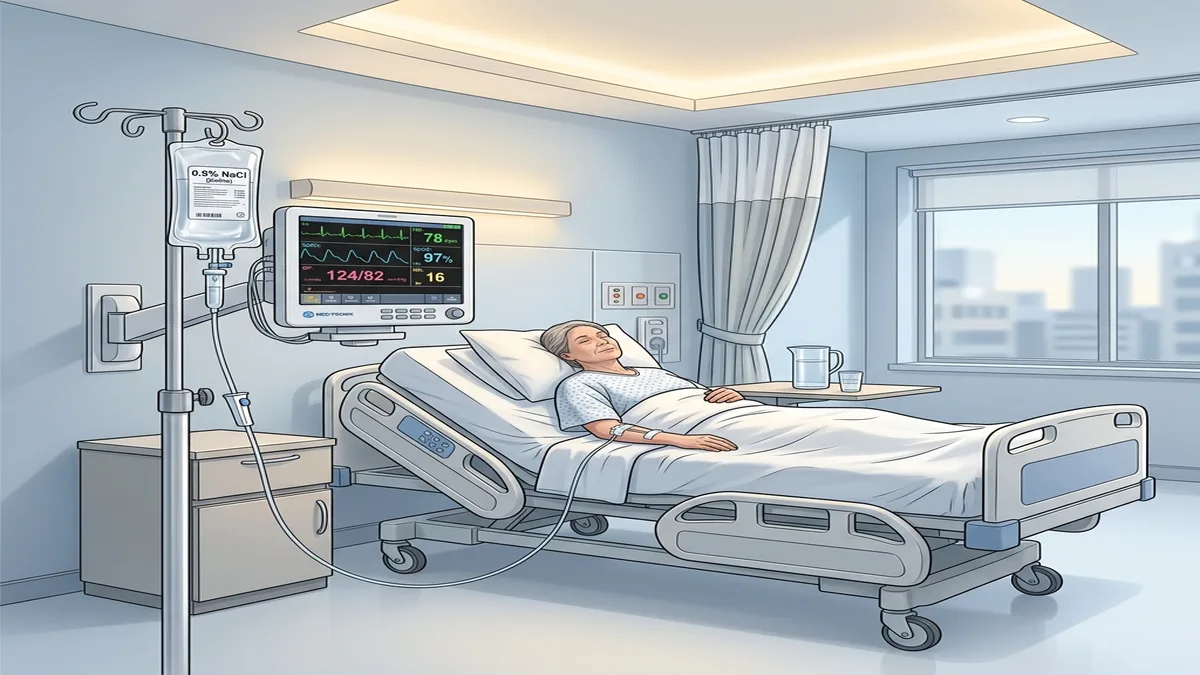
Inpatient (residential) rehabilitation is a maximum-structure environment where patients reside at the treatment facility 24 hours a day. Typical program durations range from 30, 60, to 90 days. This level of care creates a completely contained, controlled environment designed to support early recovery.
The Strategic Advantages of Inpatient Care
- Absolute Environmental Control: The primary advantage is the physical impossibility of obtaining substances. The brain is isolated from external triggers and access, allowing the dopamine pathways to begin downregulating and repairing.
- Intensive Dual-Diagnosis Support: Addiction is rarely isolated. It is almost universally paired with underlying mental health conditions, such as major depression, bipolar disorder, or PTSD. Inpatient settings offer immediate access to psychiatrists to manage dual-diagnosis cases.
- High-Frequency Therapeutic Intervention: Patients undergo between 5 to 7 hours of daily structured therapy, including Cognitive Behavioral Therapy (CBT), Dialectical Behavior Therapy (DBT), and Eye Movement Desensitization and Reprocessing (EMDR), accelerating cognitive rebuilding.
The Logistical and Financial Barriers
The primary barrier to inpatient care is financial. Luxury residential facilities can cost between 20,000 and 50,000 dollars per month, making them inaccessible without top-tier private insurance. Furthermore, leaving employment and family responsibilities for 30 to 90 days creates a massive structural gap, which can increase anxiety and stress during the transition back home.
Outpatient Rehab: The Real-World Live Patch
Outpatient rehabilitation allows the patient's daily routine to remain active. Patients reside at home and commute to the clinical facility for structured programming throughout the week. Outpatient care exists in three primary tiers of increasing intensity:
1. The Tiers of Outpatient Treatment
- Partial Hospitalization Program (PHP): The highest level of outpatient care. Patients attend therapy at the facility for 5 to 8 hours per day, 5 to 7 days per week, returning home only to sleep.
- Intensive Outpatient Program (IOP): The standard mid-tier. Patients attend programming for 3 to 4 hours per day, 3 to 5 days per week, often in the evenings to accommodate work or school schedules.
- Outpatient Program (OP): The maintenance tier. Patients participate in 1 to 2 hours of individual or group therapy per week, serving as a transitional support phase during long-term recovery.
The Strategic Advantages of Outpatient Care
- Real-World Practice: Outpatient forces the patient to immediately integrate coping mechanisms into their daily environment. They must deal with everyday stressors (work pressure, family dynamics, social triggers) and process those experiences in therapy the following day.
- Minimal Life Disruption: Patients can maintain employment, continue education, and support family structures, avoiding the professional gaps and personal disruption associated with inpatient stays.
- Lower Financial Cost: Outpatient programs are significantly less expensive than residential care, making them highly accessible and widely covered by commercial insurance policies.
The Critical Vulnerability: Environmental Risk
The primary threat vector of outpatient care is the home environment. If a patient resides in a toxic home setting, lives with active users, or faces intense daily triggers, outpatient care has a high failure rate. Attempting to reprogram the brain's reward centers while they are actively exposed to the environmental inputs that triggered the addiction is clinically difficult. An intact, supportive home network is necessary for outpatient success.
The ASAM Criteria: How Medical Boards and Insurance Decide
When selecting inpatient vs outpatient rehab, you do not simply choose based on preference. Insurance underwriters and medical boards determine the authorized level of care using the highly standardized American Society of Addiction Medicine (ASAM) Criteria. This system evaluates six dimensions of health to match the patient with the correct tier of containment:
The Six Dimensions of ASAM Assessment
- Acute Intoxication and/or Withdrawal Potential: Evaluates the severity of current intoxication and the risk of life-threatening withdrawal symptoms (e.g., seizures or severe DTs). High risk requires inpatient medical detox.
- Biomedical Conditions and Complications: Examines physical health conditions, such as liver disease, cardiovascular issues, or pregnancy, that require monitoring.
- Cognitive, Behavioral, and Cognitive Conditions: Assesses co-occurring psychiatric disorders, cognitive impairment, or suicidal ideation that demand immediate stabilization.
- Readiness to Change: Evaluates the patient's internal motivation, resistance to treatment, or external legal mandates to choose care.
- Relapse, Continued Use, or Continued Problem Potential: Examines the patient's history of treatment, their immediate cravings, and their vulnerability to rapid relapse without constant supervision.
- Recovery Environment: Assesses the safety, stability, and supportiveness of the patient's immediate home environment.
If Dimension 1, 3, or 6 indicates high severity, the ASAM algorithm mandates inpatient admission to ensure patient safety and clinical efficacy. If these dimensions indicate low risk, the patient is referred to outpatient care to support integration.
It is clinically imperative to document these dimensions with objective, quantitative data. When submitting prior authorization requests to insurance carriers, medical directors look for specific biological markers, standardized screening scores (such as the CIWA-Ar for alcohol or COWS for opioids), and documented failures of lower levels of care. Presenting a vague narrative of addiction is almost guaranteed to result in a denial. A detailed, multi-dimensional assessment showing high risk across multiple ASAM domains is the only way to secure coverage for residential rehabilitation.

Clinical Step-Down Protocols: The Pathway to Long-Term Sobriety
A critical error in treatment planning is viewing recovery as a single, static event. True cognitive recovery requires a structured step-down protocol. Rather than discharging a patient directly from an intensive inpatient biosphere back to an unstructured home environment, evidence-based systems mandate a gradual transition. The standard protocol steps down from Residential Detoxification, to a 30-day Inpatient stabilization program, followed by a 4-week Partial Hospitalization Program (PHP), then transitioning to an Intensive Outpatient Program (IOP) for 8 to 12 weeks, and finally maintaining stability through weekly Outpatient therapy and support group engagement.
This progressive step-down system gradually reduces clinical supervision while increasing the patient's exposure to real-world stressors. It allows the recovering nervous system to slowly recalibrate, building structural resilience and preventing the cognitive overload that routinely causes immediate post-discharge relapses. Long-term sobriety is statistically correlated with the length of treatment engagement; completing a full step-down protocol yields significantly higher success rates than completing an isolated inpatient stay.
Actionable Self-Tracking Protocols: Sleep and Therapy Integration
To systematically support the rebuilding of neurological pathways during and after rehab, patients must establish quantitative health tracking protocols. Chronic substance abuse severely disrupts sleep architecture and alters emotional stability. In early sobriety, tracking sleep metrics and therapeutic milestones is essential to identify neurological recovery patterns and detect early warning signs of emotional relapse.
Establish a daily sleep and therapy log. Monitor your sleep duration, sleep debt recovery, and emotional regulation trends. Use our specialized tools, such as the Sleep Debt Calculator and the Therapy Needs Self-Assessment, to maintain detailed logs of your physiological restoration. By tracking these variables, you transform recovery from a subjective emotional struggle into a structured, scientifically managed pathway to biological health.
2026 Global Rehab Cost Comparison Matrix
To support your financial planning, here is the cost breakdown and waiting timelines for inpatient and outpatient rehab across the United States, United Kingdom, Canada, Australia, and major international medical options.
| Country / Region | Inpatient Rehab Cost (30 Days) | Outpatient Rehab Cost (Monthly) | Average Public Wait Time | Primary Insurance Coverage |
|---|---|---|---|---|
| United States | $15,000 - $35,000 | $3,000 - $8,000 (IOP/PHP) | N/A (Private System) | Commercial Insurance (HMO/PPO) |
| United Kingdom | £6,000 - £12,000 | £1,500 - £3,500 | 3 - 9 Months (NHS wait lists) | NHS covered if priority requirements met |
| Canada | $12,000 - $25,000 CAD | $2,500 - $6,000 CAD | 2 - 6 Months (Provincial wait) | Provincially covered but heavily rationed |
| Australia | $14,000 - $28,000 AUD | $3,000 - $7,000 AUD | 1 - 4 Months (Public Medicare) | Medicare public options or private health |
| International Tiers | $4,000 - $8,000 (JCI Accredited) | N/A (Exclusively Inpatient) | Immediate Placement | Exclusively cash pay or specialty loans |
Clinical Videos on Choosing Tiers of Care
To help you visualize the operational differences and clinical settings of inpatient and outpatient rehab, we have embedded detailed video guides below. These resources explain the therapeutic schedules, medical detox protocols, and how to determine the correct level of care for your specific situation.
Frequently Asked Questions
How do I know if I need inpatient or outpatient rehab?
The decision is dictated by clinical safety metrics. If you have a history of severe withdrawal symptoms (seizures, hallucinations), lack a supportive and substance-free home environment, or suffer from severe co-occurring mental health conditions that require stabilization, inpatient rehab is medically necessary. If you have a supportive home and stable physical health, outpatient care (IOP or PHP) may be appropriate.
Does health insurance cover inpatient rehab?
Most commercial insurance policies cover inpatient rehabilitation, but they require prior authorization. The insurance company will evaluate your clinical records against the ASAM criteria. If they determine that your condition does not meet the medical necessity thresholds for residential care, they may only authorize outpatient levels of care, leaving you to pay the gap out of pocket.
What is the typical daily schedule in an inpatient rehab?
Inpatient programs follow a structured daily routine. A typical day includes morning medical check-ins, breakfast, individual therapy, group counseling sessions, educational workshops, lunch, cognitive behavioral therapy exercises, recreational therapy, dinner, and support group meetings. This high-frequency scheduling is designed to rebuild daily routine and coping skills.
Can I keep my job while attending outpatient rehab?
Yes, maintaining employment is one of the primary benefits of outpatient care. Intensive Outpatient Programs (IOP) frequently offer evening or early morning schedules, allowing you to participate in treatment for 9 to 15 hours per week without disrupting your work schedule. However, you must manage your energy and stress levels carefully to support recovery.
Scientific References
- American Society of Addiction Medicine (ASAM). Treatment Criteria for Addictive, Substance-Related, and Co-Occurring Conditions.
- Volkow ND, et al. Neurobiology of addiction: a neurochemical perspective. New England Journal of Medicine.
- Koob GF, et al. Neurobiology of addiction: allostatic shifts in reward pathways. Nature Neuroscience.
- National Institute on Drug Abuse (NIDA). Principles of Drug Addiction Treatment: A Research-Based Guide.
Medical Disclaimer: This article is for general educational purposes only and does not constitute professional medical advice, diagnosis, or treatment. Always consult a qualified healthcare provider with questions about a medical condition. Do not stop or start medications without clinical supervision. See our full Medical Disclaimer and Editorial Policy.

