
Medically reviewed by: Health is Heaven Medical Review Board | Published by Ganesh G Kamble, Health is Heaven | Published: April 19, 2026 · Last updated: October 28, 2026
Some stress is normal and even useful. The kind of pressure that helps you focus before a presentation or hit a deadline tends to fade once the situation passes. The kind that becomes a clinical problem is chronic stress, which is ongoing physiological pressure that does not let your body return to its homeostatic baseline. According to the American Psychological Association, chronic stress is linked to higher rates of cardiovascular disease, metabolic syndrome, sleep disorders, clinical anxiety, and depression. To counteract these effects, implementing science based stress management techniques is essential to restore autonomic balance, while our guide on managing anxiety naturally without medication provides additional somatic support. When stress is sustained, it ceases to be a psychological state and becomes a systemic physical threat. This systemic impact is heavily mediated by the bidirectional communication between your enteric nervous system and your brain, meaning that regulating the gut brain axis and anxiety is central to physical stress recovery.
This guide covers ten evidence-based stress management techniques that have rigorous scientific support. None of these is a single, magic cure. Instead, the most effective clinical approach involves combining two or three of these methods and executing them with daily consistency. By understanding the underlying biochemical pathways of the stress response, you can transition from passive coping to active physiological calibration. To check your current baseline, you can use our therapy needs assessment online to evaluate if professional clinical support could benefit your recovery process.
The Biology of the Stress Response: The HPA and SAM Axes
To manage stress effectively, you must understand what happens inside your body when a stressor is perceived. The brain recognizes a threat through the amygdala, which sends a distress signal to the hypothalamus. This activates two distinct but overlapping pathways: the Sympathetic-Adrenal-Medullary (SAM) axis and the Hypothalamic-Pituitary-Adrenal (HPA) axis. The SAM axis is the rapid response system, stimulating the adrenal medulla via direct neural connections to release catecholamines, specifically adrenaline and noradrenaline, into the bloodstream within milliseconds. This results in immediate vasoconstriction, bronchodilation, and an elevated heart rate.
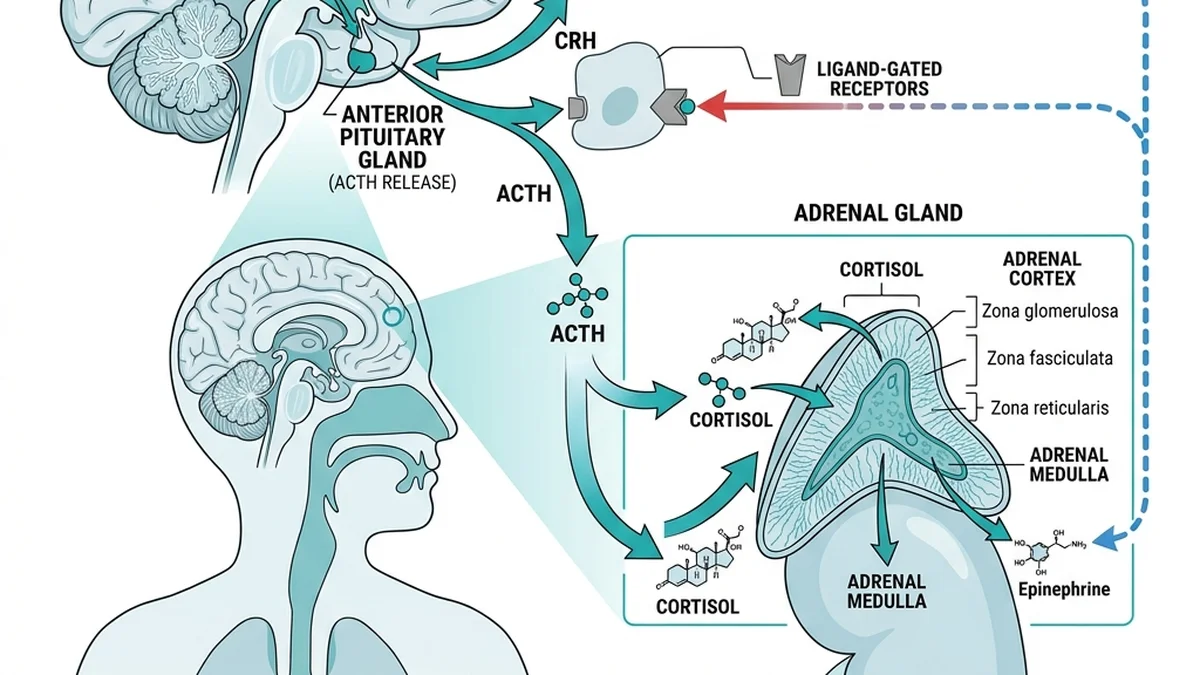
Simultaneously, the HPA axis initiates a slower, endocrine-driven feedback loop. The hypothalamus releases Corticotropin-Releasing Hormone (CRH), which prompts the anterior pituitary gland to secrete Adrenocorticotropic Hormone (ACTH). ACTH travels through the bloodstream to the adrenal cortex, triggering the synthesis and release of glucocorticoids, primarily cortisol. A classic manifestation of this pathway is the morning cortisol rise; if you feel this surge is excessive, you can apply targeted endocrine protocols on how to stop a morning cortisol spike naturally. Cortisol mobilizes energy resources by stimulating gluconeogenesis in the liver and inhibiting glucose uptake in skeletal muscle via the down-regulation of GLUT4 transporters. Simultaneously, it suppresses non-survival functions such as digestion, reproduction, and immune activity.
In acute situations, this dual response is highly adaptive. However, when stressors are continuous, the negative feedback mechanism of the HPA axis, which relies on glucocorticoid receptors in the hippocampus and prefrontal cortex to halt CRH and ACTH release, becomes desensitized. This state of glucocorticoid receptor resistance leads to chronic systemic inflammation, hippocampal atrophy, and cardiovascular remodeling. Research conducted through 2026 continues to demonstrate that the stress management techniques detailed below are designed to restore receptor sensitivity and promote parasympathetic homeostasis through sustained neuroplastic adaptation and autonomic recalibration.
Somatic Manifestations of Chronic Endocrine Activation
When cortisol remains elevated over weeks or months, it manifests physically across multiple organ systems. In the gastrointestinal tract, chronic stress compromises the mucosal barrier, leading to increased intestinal permeability, which is often termed leaky gut. This allows lipopolysaccharides from gut bacteria to translocate into the bloodstream, triggering systemic low-grade inflammation. Stress also alters the composition of the gut microbiota, reducing beneficial short-chain fatty acid producing strains and magnifying systemic inflammatory signaling via the gut-brain axis.
In the cardiovascular system, sustained adrenaline and cortisol cause arterial stiffness and endothelial dysfunction. High cortisol stimulates the expression of alpha-1 adrenergic receptors on blood vessels, making them hyper-reactive to noradrenaline, which leads to chronic hypertension. Furthermore, chronic HPA axis dysregulation alters lipid metabolism-which you can monitor using our free metabolic age calculator-elevating circulating low-density lipoprotein (LDL) cholesterol and promoting visceral fat deposition. These combined somatic factors highlight why stress management is a critical preventive medical intervention rather than a simple lifestyle luxury. This cardiovascular connection is why implementing stress reduction protocols is a critical pillar of managing high blood pressure naturally.
1. Regular Physical Activity: The Endorphin and BDNF Pathway
Exercise is one of the most thoroughly validated methods for reducing chronic stress. From a biochemical perspective, physical activity acts as an acute, controlled stressor that trains the body to manage stress more efficiently. During exercise, your body synthesizes catecholamines and cortisol, but once the activity stops, these levels drop below your pre-exercise baseline. This process recalibrates your autonomic nervous system, lowering your resting heart rate and improving cardiovascular compliance over time.
Physical activity also stimulates the production of Brain-Derived Neurotrophic Factor (BDNF). This protein supports neuroplasticity and neurogenesis, particularly in the dentate gyrus of the hippocampus, which is the brain region responsible for memory, emotional regulation, and turning off the HPA axis. Cortisol-induced neuronal damage is directly countered by BDNF-mediated cellular growth. Additionally, exercise increases the release of beta-endorphins, which act as natural pain relievers and mood-stabilizing neuromodulators. Aim for a clinical target of 150 minutes of moderate-intensity aerobic exercise per week, which can be split into 30-minute sessions five days a week. If high-intensity cardiovascular work is too demanding during high-stress periods, starting with the best yoga poses for beginners provides a low-impact, restorative alternative that still offers substantial autonomic nervous system benefits.
2. Controlled Diaphragmatic Breathing: Vagus Nerve Activation
Slow, deep breathing is a rapid and highly effective way to deactivate the stress response in real time. Standard breathing under stress is shallow and thoracic, which is a pattern that signals to the brain that a threat is present. By shifting to diaphragmatic breathing, you physically pull the lungs downward, expanding the chest cavity and stimulating the vagus nerve. The vagus nerve is the main pathway of the parasympathetic nervous system, which is the rest-and-digest branch of your autonomic nervous system.

Vagus nerve activation releases acetylcholine, a neurotransmitter that directly binds to muscarinic receptors on the heart, slowing the firing of the sinoatrial node. This lowers your heart rate and increases heart rate variability (HRV), which is a key marker of autonomic resilience. Two structured protocols are particularly effective. The first is box breathing, where you inhale for 4 seconds, hold for 4 seconds, exhale for 4 seconds, and hold for 4 seconds. The second is 4-7-8 breathing, which involves inhaling for 4 seconds, holding for 7 seconds, and exhaling slowly through the mouth for 8 seconds. The prolonged exhalation is the key mechanism that maximizes vagal stimulation. Practice this for 5 to 10 minutes twice daily to improve your cardiac vagal tone.
3. Mindfulness Meditation: Prefrontal Re-patterning
Mindfulness-Based Stress Reduction (MBSR) has been a subject of clinical research since the late twentieth century. Neuroimaging studies demonstrate that consistent mindfulness meditation alters the structure and function of key brain regions. Specifically, it reduces gray matter density in the amygdala, which is the brain's emotional alarm system, and increases gray matter density in the prefrontal cortex, which is responsible for executive control, decision-making, and emotional regulation.
Mindfulness practice also modulates the Default Mode Network (DMN), a network of interacting brain regions that is highly active during rumination, mind-wandering, and self-referential thought. In chronically stressed individuals, the DMN is hyper-connected, leading to persistent worry. Mindfulness helps shift the brain's activity from the DMN to the Task-Positive Network (TPN), which is active during present-moment sensory focus. A daily practice of 10 to 15 minutes of focused attention, where you sit quietly and bring your focus back to the sensation of your breath whenever your mind wanders, is sufficient to produce measurable changes in emotional regulation within six to eight weeks.
4. Circadian Rhythm Restoration: Sleep and Glymphatic Clearance
Sleep and stress have a complex, bidirectional relationship. High cortisol levels disrupt your sleep architecture, leading to lighter sleep, frequent awakenings, and a reduction in slow-wave and rapid eye movement (REM) sleep. In turn, sleep deprivation acts as a primary biological stressor, causing elevated baseline cortisol levels the following day. This circular pathway leads to chronic exhaustion and heightened stress reactivity. To break this loop, implementing structured sleep hygiene tips for insomnia and learning how to sleep better at night naturally is key to restore sleep architecture and down-regulate daytime stress.
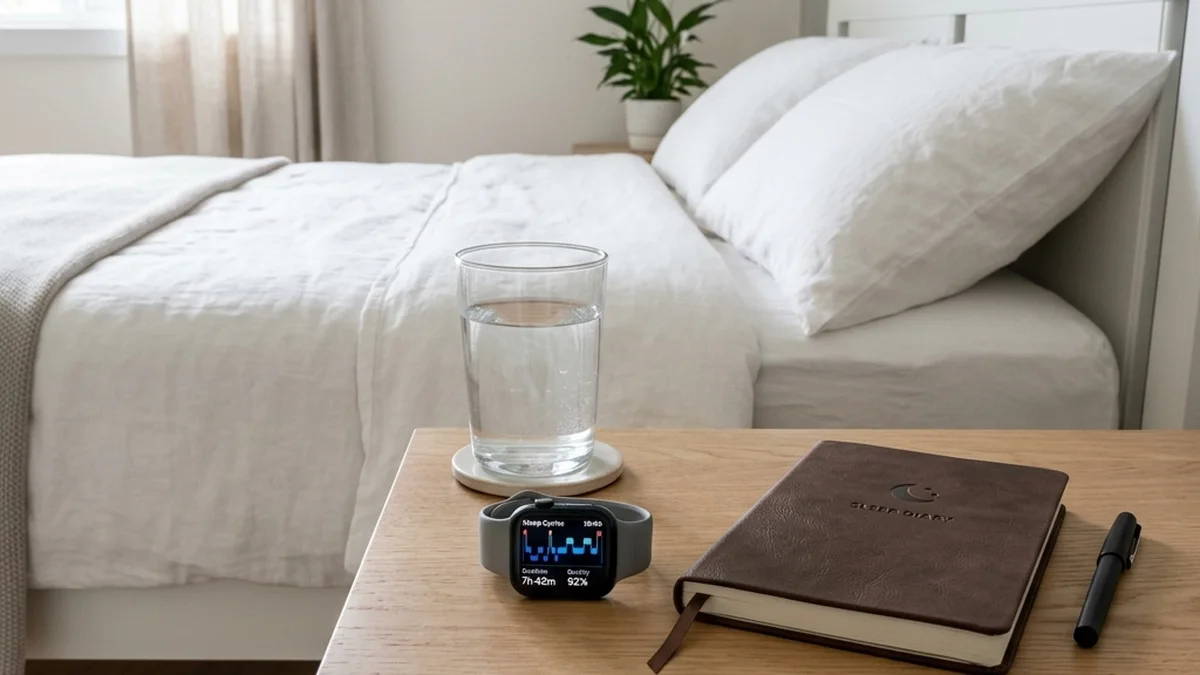
During deep, slow-wave sleep, your brain activates the

Ganesh G Kamble
Ganesh G. Kamble is the founder and editor of Health is Heaven. He built this site after losing his father to a preventable condition, with the mission of providing clear, trackable health indicators so others can act early. His background is in the IT industry (16 years as an enterprise consultant) and he is not a medical professional; all medical content, formulas, and guides are reviewed by a credentialed medical reviewer/board before publication.