
Medically reviewed by: Health is Heaven Medical Review Board | Published by Ganesh G Kamble, Health is Heaven | Published: April 19, 2026 · Last updated: August 21, 2026
Learning how to choose a rehab center that matches your clinical needs is critical, as the neurobiological infrastructure of chemical addiction is a highly complex biological hijacking. Substance dependency is not a moral failure or a simple deficit in willpower. Rather, it is a chronic, physiological hijacking of the dopaminergic pathways within the mesolimbic reward system. When a biological system is repeatedly exposed to high doses of exogenous chemicals, the brain adapts by downregulating dopamine D2 receptors and accumulating delta-FosB within the nucleus accumbens. This creates a state of severe physiological adaptation. Attempting to cease chemical use without structured support is a high-risk medical process that can result in cardiovascular failure, neurological damage, or death. Understanding the mechanics of a professional drug and alcohol rehab (and monitoring acute consumption risk using our blood alcohol content calculator) is the first step toward reclaiming biological sovereignty.
At Health is Heaven, we analyze clinical recovery through a rigorous medical and systems engineering lens. You cannot resolve severe chemical dependence through sheer willpower or emotional appeal. The brain's baseline hardware must be stabilized, its neural pathways remodeled, and its cognitive software reprogrammed. A certified clinical facility operates as the controlled environment required to execute this massive physiological recovery. By approaching the crisis as a logistical and clinical engineering problem, individuals and families can systematically navigate the medical tiers of rehabilitation. For a comparison of treatment levels, see our guide on inpatient vs outpatient rehab cost.
In this clinical guide, we will examine the global landscape of seeking a drug and alcohol rehab. We will break down how commercial insurance policies underwrite inpatient and outpatient care, detail the pharmacokinetics of medical detoxification, and explain how to utilize metabolic tracking tools to monitor the physical damage of withdrawal.
Assess Your Clinical Recovery and Mental Health Baselines
Before selecting a rehabilitation pathway, it is essential to audit your baseline psychological and metabolic indicators. Chronic substance use severely disrupts sleep architecture and mental health dynamics. Use our validated clinical assessments to establish your baseline today.
The Bio-Hardware Hierarchy: Levels of Care in Drug and Alcohol Rehab
Seeking help at a drug and alcohol rehab requires navigating a structured step-down medical hierarchy. This system is designed to transition the patient from high-intensity medical stabilization to independent, self-regulated living. Each level of care corresponds to specific physiological and psychological goals.
1. Acute Medical Detoxification (Days 1 to 7)
The initial phase of recovery is the most physically dangerous. During acute medical detox, the primary objective is to prevent life-threatening withdrawal symptoms while the toxin is cleared from the bloodstream. In cases of severe alcohol or benzodiazepine dependence, sudden cessation can trigger a hyper-adrenergic state, characterized by profound hypertension, tachycardia, hallucinations, and generalized tonic-clonic seizures. In opioid dependence, withdrawal triggers severe autonomic hyperactivity, muscle spasms, and severe gastrointestinal distress.
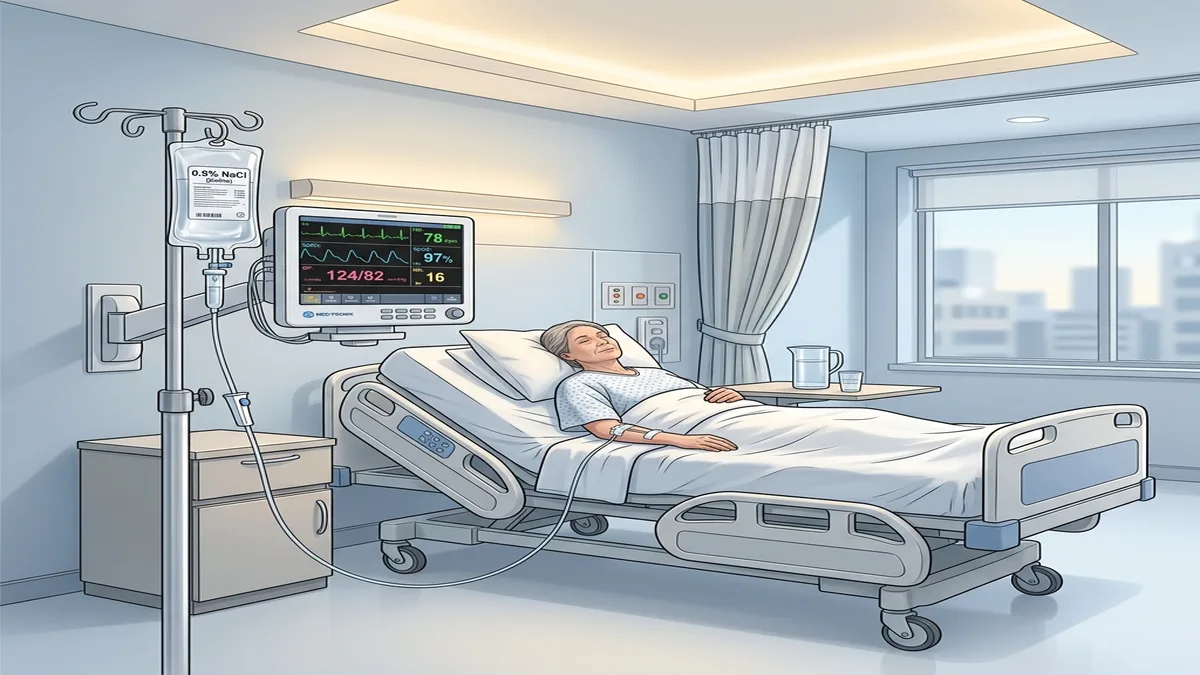
To mitigate these risks, medical staff utilize pharmacological tapering protocols. For alcohol withdrawal, clinicians monitor symptoms using the Clinical Institute Withdrawal Assessment for Alcohol (CIWA-Ar) scale and administer long-acting benzodiazepines like chlordiazepoxide or diazepam on a reactive or scheduled taper. For opioid withdrawal, clinicians use the Clinical Opiate Withdrawal Scale (COWS) and administer partial agonists like buprenorphine or alpha-2 adrenergic agonists like clonidine to suppress sympathetic nervous system hyperactivity. This phase must occur in a 24-hour medical ward with continuous telemetry and clinical oversight.
2. Residential Inpatient Treatment (Days 8 to 30+)
Once the patient is medically stable and free from physical withdrawal, they transition to residential inpatient treatment. In this phase, the focus shifts from physical stabilization to psychological restructuring and neuroplastic remodeling. The patient resides full-time in a secure, substance-free environment, isolated from external triggers and stressors. This phase is critical because the brain is in a state of severe post-acute withdrawal, characterized by heightened vulnerability to cravings and relapse. Recent 2026 clinical research underscores that the mesolimbic dopamine system requires sustained environmental support during this transitional window to prevent premature relapse.
During residential care, clinicians deploy intensive therapeutic modalities, including Cognitive Behavioral Therapy (CBT), Dialectical Behavior Therapy (DBT), and emdr therapy for ptsd cost and benefits protocols for trauma resolution. In outpatient or aftercare settings, evaluating whether is online therapy effective can support patients in maintaining long-term recovery gains. Many individuals choose the best online therapy platforms as a key part of their aftercare program to maintain ongoing contact with credentialed therapists. The objective is to identify the underlying trauma, cognitive distortions, or co-occurring mental health disorders (such as major depressive disorder or generalized anxiety disorder) that drive the self-medication loop. Patients also begin participating in peer support groups and receive nutritional therapy to rebuild metabolic health.
3. Partial Hospitalization (PHP) and Intensive Outpatient (IOP) Programs
As the patient stabilizes, they step down to a Partial Hospitalization Program (PHP) or an Intensive Outpatient Program (IOP). PHP provides a transitional level of care where patients receive clinical treatment for 5 to 8 hours per day, 5 to 7 days per week, but return to a supportive home environment or a sober living home at night. IOP further reduces clinical contact to 3 to 4 hours per day, 3 to 5 days per week, allowing patients to begin returning to work, school, or family responsibilities.
These step-down phases are essential for testing newly acquired coping strategies in real-world environments. Clinicians continue to monitor the patient's biological markers, conduct regular drug screenings, and provide ongoing group and individual therapy to reinforce long-term behavioral change.
The Pharmacokinetics of Withdrawal: Substance-Specific Timelines and Symptomatology
Physiological detoxification is governed by the pharmacokinetics of the specific substance of abuse. Sudden cessation triggers acute withdrawal, a state characterized by neurotransmitter imbalance and autonomic instability. Clinicians manage this phase using substance-specific protocols to ensure safety and comfort:
- Alcohol: Withdrawal begins 6 to 24 hours after the last drink. Peak symptoms occur between 48 and 72 hours, with potential complications like Delirium Tremens (DTs), characterized by profound confusion, hallucinations, and autonomic instability. The acute phase resolves within 5 to 7 days.
- Opioids: Symptoms of short-acting opioid (e.g., heroin, oxycodone) withdrawal commence within 6 to 12 hours, peaking at 72 hours, and lasting 7 to 10 days. Long-acting opioids (e.g., methadone) have an onset of 24 to 48 hours, peaking within 4 to 6 days. Symptoms include severe muscle aches, autonomic hyperarousal, and gastrointestinal distress.
- Benzodiazepines: Short-acting benzodiazepine withdrawal starts within 1 to 2 days, while long-acting variants can delay onset to 7 days. Symptoms peak at 2 to 4 weeks and can persist for months as protracted withdrawal. Sudden cessation carries a high risk of rebound hyperexcitability, status epilepticus, and cardiovascular crisis.
- Stimulants: Cocaine and amphetamine withdrawal begins within 24 hours (the "crash" phase), peaking at 3 to 5 days, and lasting 1 to 2 weeks. It is primarily characterized by severe dysphoria, anhedonia, fatigue, and intense cravings.
Following acute detoxification, patients often experience Post-Acute Withdrawal Syndrome (PAWS). This condition is characterized by persistent emotional volatility, cognitive impairment, and sleep disturbances, driven by the slow recalibration of the mesolimbic dopamine system. PAWS can persist for 6 to 24 months, requiring sustained clinical support.
Understanding the Brain Chemistry of Substance Abuse
To effectively participate in a recovery plan, it is critical to understand the neurobiological changes that occur under the influence of chronic substance abuse. The following expert presentation details how alcohol and drugs interact with neurotransmitters, altering the brain's baseline function.
The Neurobiological Hijacking: Brain Chemistry Under Addiction
At the center of substance dependence is the dysregulation of the mesolimbic dopamine system. Under normal conditions, this pathway rewards natural, survival-promoting behaviors (such as eating or social bonding) by releasing moderate amounts of dopamine. However, addictive substances bypass these natural circuits, releasing supraphysiological amounts of dopamine directly into the synaptic cleft. This excessive surge causes a profound sense of euphoria, which the brain's learning mechanisms prioritize above all other survival needs.
Over time, the brain attempts to restore homeostasis through several maladaptive mechanisms:
- D2 Receptor Downregulation: Chronic dopamine flooding causes the brain to reduce the density of D2 dopamine receptors in the nucleus accumbens, blunting the reward response to everyday pleasures like food, social connection, or hobbies — a state clinicians call anhedonia, which drives continued substance use just to feel normal.
- Delta-FosB Accumulation: This transcription factor accumulates in reward-circuit neurons with repeated exposure and is unusually stable, persisting for weeks after the last use. It sensitizes the brain's response to drug-related cues (a lighter, a specific street corner, a particular emotional state), which is the biological basis of cravings that can resurface long after physical withdrawal has ended.
- Prefrontal Cortex Hypofunction: The prefrontal cortex, responsible for impulse control and weighing long-term consequences, shows reduced activity and connectivity in chronic substance use. This is why relapse is not simply a failure of willpower — the specific brain region responsible for exercising willpower is itself functionally impaired.
- Allostatic Load: The brain's stress-response systems (particularly corticotropin-releasing factor) become chronically upregulated, creating a persistent negative emotional baseline between doses. This is a major driver of relapse, since using the substance again temporarily relieves a discomfort the brain itself created through its own adaptation.
This is why structured, multi-phase clinical treatment — rather than willpower alone — is the evidence-based standard: it addresses each of these mechanisms in sequence, from acute medical stabilization through the months of neuroplastic recovery needed for the reward system to recalibrate.
Insurance Coverage and the Real Cost of Treatment
Cost is one of the biggest barriers families face when choosing a rehab center, and coverage varies significantly by country and insurance type.
- United States: The Mental Health Parity and Addiction Equity Act requires most group health plans that offer addiction treatment benefits to cover them at parity with medical/surgical benefits — meaning comparable copays, coverage limits, and prior-authorization rules. In practice, out-of-pocket costs still vary widely: inpatient residential treatment commonly runs from roughly $10,000 to over $40,000 for a 30-day program depending on facility level and location, while outpatient programs (PHP/IOP) typically cost a few thousand dollars per month. Medicaid and Medicare both cover addiction treatment, though facility and provider availability varies by state.
- United Kingdom: NHS-funded addiction treatment is available at no direct cost through local drug and alcohol services, though waitlists can be long depending on region and demand. Private rehab in the UK is faster to access but self-funded, typically ranging from a few thousand to over £10,000 for a residential stay.
- Canada and Australia: Both have publicly funded addiction treatment options through their respective provincial/territorial and state health systems, alongside a private-pay sector with shorter wait times and higher cost, broadly mirroring the US/UK public-versus-private tradeoff.
Before committing to a facility, always verify in writing (not just verbally) what your specific insurance plan covers, whether the facility is in-network, and what the estimated out-of-pocket cost will be for each level of care — detox, residential, PHP, and IOP each bill separately and coverage can differ between them.
Questions to Ask Before Choosing a Facility
- Is the facility licensed and accredited (in the US, look for Joint Commission or CARF accreditation)?
- Does the medical staff include a physician or psychiatrist on-site or on-call for medical detox, not just counselors?
- What is the staff-to-patient ratio, and are counselors licensed (LCSW, LPC, or equivalent) rather than solely peer-support staff?
- Does the program treat co-occurring mental health conditions (dual diagnosis), given how common depression, anxiety, and trauma are alongside substance use disorders?
- What does aftercare planning look like, and is there a structured step-down to PHP/IOP and ongoing outpatient support built into the program?
How much does drug and alcohol rehab cost?
In the US, inpatient residential treatment commonly ranges from roughly $10,000 to over $40,000 for a 30-day program depending on facility level and location, while outpatient programs cost a few thousand dollars per month. The Mental Health Parity and Addiction Equity Act requires most US group health plans that cover addiction treatment to do so at parity with medical benefits, which can substantially reduce out-of-pocket cost.
What is the difference between inpatient and outpatient rehab?
Inpatient (residential) treatment requires living full-time at the facility, typically for early, higher-risk recovery. Outpatient treatment (PHP or IOP) allows the patient to live at home while attending several hours of treatment per day, several days per week, and is usually a step-down after inpatient or residential care, or an appropriate starting point for milder cases. See our full inpatient vs outpatient comparison.
Is medical detox always necessary?
For alcohol and benzodiazepine dependence in particular, sudden unsupervised cessation can be medically dangerous or fatal due to seizure risk and severe autonomic instability, making medically supervised detox strongly advisable. Opioid and stimulant withdrawal is generally not life-threatening in the same way but is still safer and more comfortable with medical support.
How long does withdrawal last?
It varies by substance: alcohol withdrawal typically resolves within 5-7 days, short-acting opioids within 7-10 days, and benzodiazepines can take several weeks with protracted symptoms lasting longer. Post-Acute Withdrawal Syndrome (PAWS) — persistent emotional and cognitive symptoms after the acute phase ends — can last 6 to 24 months and is a major reason ongoing outpatient support matters.
What should I look for in a rehab facility?
Licensing and accreditation (such as Joint Commission or CARF in the US), on-site or on-call medical staff for detox, licensed counselors, treatment for co-occurring mental health conditions, and a clear aftercare/step-down plan are the key things to verify before committing.
Does insurance cover rehab?
In the US, most group health plans that offer addiction treatment benefits must cover them at parity with medical/surgical benefits under federal law. Coverage specifics (in-network facilities, prior authorization, length of stay approved) vary by plan, so verifying benefits in writing before admission is essential.
Why is relapse so common even after successful treatment?
Because the neurobiological changes driving addiction — reduced dopamine receptor density, sensitized cue-reactivity from delta-FosB accumulation, and impaired prefrontal cortex control — take far longer to normalize than the physical withdrawal period. This is why structured aftercare and ongoing outpatient support, not just completing an initial program, are core to sustained recovery.
Can someone recover from addiction without going to rehab?
Some people do recover through outpatient therapy, support groups, or medication-assisted treatment alone, particularly for milder substance use disorders. However, for severe dependence — especially alcohol or benzodiazepine dependence where withdrawal itself carries medical risk — a structured, medically supervised program significantly improves both safety and long-term outcomes.
Sources
- Substance Abuse and Mental Health Services Administration (SAMHSA). Finding Quality Treatment for Substance Use Disorders.
- National Institute on Drug Abuse (NIDA). Principles of Drug Addiction Treatment: A Research-Based Guide.
- U.S. Centers for Medicare & Medicaid Services. Mental Health Parity and Addiction Equity Act.
- Volkow ND, et al. Neurobiologic Advances from the Brain Disease Model of Addiction. New England Journal of Medicine, 2016.
- UK NHS. Getting Help for Alcohol and Drug Problems.
Medical Disclaimer: This article is for general educational purposes only and does not constitute professional medical, legal, or insurance advice. Substance withdrawal can be medically dangerous or fatal; always seek immediate medical supervision before stopping alcohol, benzodiazepines, or other substances. If you or someone you know is in crisis, contact the SAMHSA National Helpline (1-800-662-4357) or your local emergency services. See our full Medical Disclaimer and Editorial Policy.

Ganesh G Kamble
Ganesh G. Kamble is the founder and editor of Health is Heaven. He built this site after losing his father to a preventable condition, with the mission of providing clear, trackable health indicators so others can act early. His background is in the IT industry (16 years as an enterprise consultant) and he is not a medical professional; all medical content, formulas, and guides are reviewed by a credentialed medical reviewer/board before publication.