
Medically reviewed by: Health is Heaven Medical Review Board | Published by Ganesh G Kamble, Health is Heaven | Published: April 10, 2026 · Last updated: June 4, 2026
You wake up, examine your skin in the mirror, and note another flareup of painful cystic acne along your jawline. Later in the day, you struggle with sudden fatigue, intense sugar cravings, or the ongoing frustration of irregular menstrual cycles. For millions of women, these symptoms are not isolated concerns; they are interconnected markers of polycystic ovary syndrome (PCOS). PCOS is a complex endocrine and metabolic disorder affecting an estimated 8 to 13 percent of reproductive-aged women globally, according to the World Health Organization. While popular media often characterizes PCOS solely as a fertility issue, clinical medicine recognizes it as a systemic metabolic condition driven by hormone feedback loops and cellular signaling anomalies.
Living with PCOS requires moving past generic advice like eating less and exercising more. The underlying biology of the condition makes standard weight management protocols ineffective and frustrating. To manage your symptoms and protect your long-term health, you must target the core driver of the condition: insulin resistance. By aligning your dietary patterns with your cellular physiology, you can regulate blood sugar levels, lower androgen production, and restore ovulatory function. This guide provides a detailed clinical breakdown of the physiological mechanisms behind PCOS and outlines a comprehensive, science-backed dietary protocol to optimize your metabolic and reproductive health.
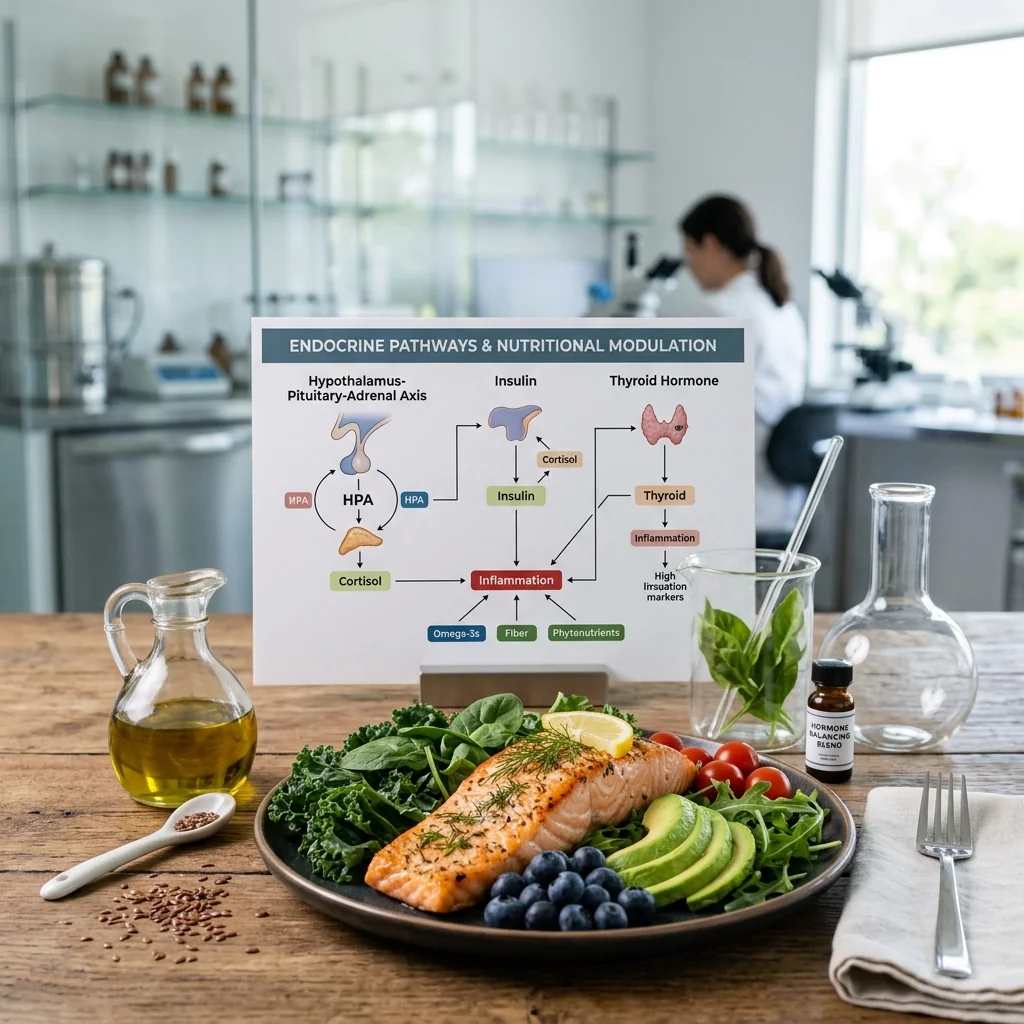
The Endocrine Architecture: Insulin Resistance and Androgen Overproduction
At the center of PCOS biology lies a profound disruption in the communication between your brain, pancreas, and ovaries. This disruption is governed by two primary forces: hypothalamic-pituitary-ovarian axis dysfunction and insulin resistance. Under standard physiological conditions, the hypothalamus releases gonadotropin-releasing hormone in regular pulses. This signals the pituitary gland to release follicle-stimulating hormone and luteinizing hormone, which guide follicle development in the ovaries. In women with PCOS, the frequency of gonadotropin-releasing hormone pulses is abnormally high, leading to an elevated ratio of luteinizing hormone to follicle-stimulating hormone. This hormonal imbalance prevents follicles from maturing fully, resulting in follicular arrest, where immature follicles accumulate in the ovaries, resembling small cysts on an ultrasound.
SPONSORED CONTENT
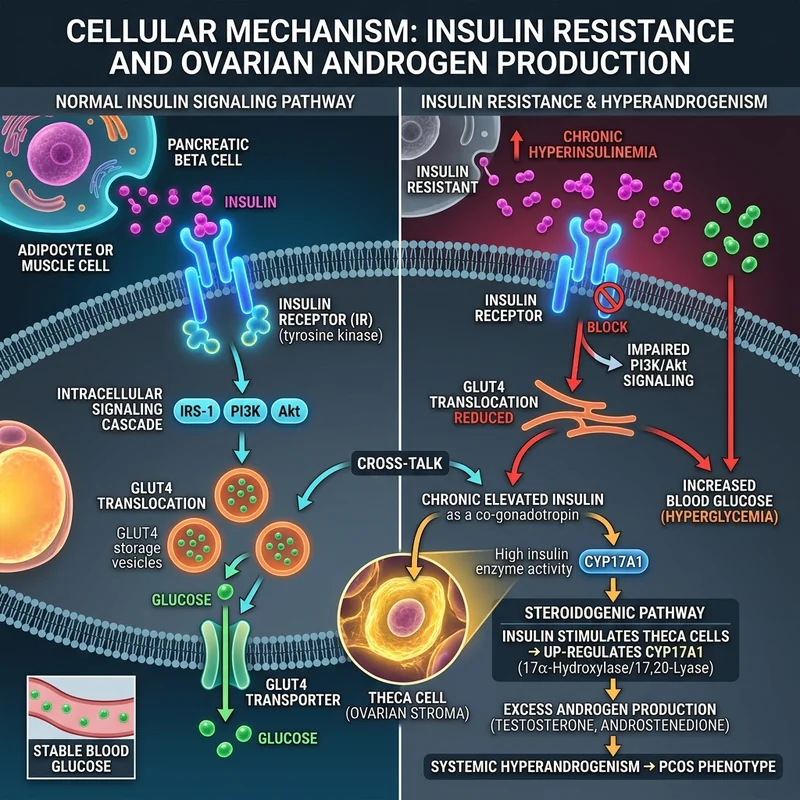
This follicular arrest is compounded by insulin resistance, a metabolic state where your body's cells respond poorly to the hormone insulin. When you consume carbohydrates, they are broken down into glucose, which enters your bloodstream. The pancreas responds by secreting insulin, which acts as a key to open glucose-insulin receptors (specifically GLUT4 transporters) on the surface of your muscle and fat cells, allowing glucose to enter and be used for energy. In women with insulin-resistant PCOS, this receptor signaling pathway is impaired (often due to abnormal phosphorylation of the insulin receptor substrate-1 protein). The keys no longer turn the locks easily, and glucose remains in your blood, prompting your pancreas to produce even more insulin to compensate. This leads to chronic hyperinsulinemia, meaning you have elevated insulin levels circulating in your blood.
This excess insulin acts directly on the ovaries. While muscle and fat cells become resistant to insulin, the ovaries remain highly sensitive to it. Circulating insulin acts synergistically with luteinizing hormone to stimulate the ovarian theca cells, which are the cells responsible for producing steroid hormones. Under this constant insulin stimulation, the theca cells overproduce male hormones, primarily testosterone and androstenedione. This excess of circulating androgens causes the classic symptoms of PCOS: facial hair growth (hirsutism), male-pattern hair thinning (alopecia), and severe cystic acne. In addition, high local androgen levels within the ovaries further suppress follicle maturation, locking you into a cycle of anovulation and metabolic dysfunction.
Hyperinsulinemia also acts on the liver to suppress the production of sex hormone-binding globulin, a protein that binds to testosterone in your bloodstream, keeping it inactive. When sex hormone-binding globulin levels are low, more testosterone circulates in its free, active form, worsening your physical symptoms. Because insulin resistance and hyperinsulinemia are central to this pathway, managing blood sugar levels is the most effective way to lower free androgens and restore ovarian function. Additionally, because PCOS increases your risk of developing type 2 diabetes by nearly four times, tracking your metabolic markers is crucial. You can evaluate your baseline markers and potential risks by using our Free Diabetes Risk Assessment & A1C Converter to establish a tracking baseline.
The Core Dietary Pillars: Glycemic Index, Fiber, and Protein Calibration
To break the cycle of hyperinsulinemia and ovarian hyperstimulation, your primary focus must be stabilizing postprandial glucose levels, which are your blood sugar levels after eating. You can achieve this stabilization by implementing three core dietary changes: choosing low-glycemic carbohydrates, increasing soluble and insoluble fiber intake, and calibrating your protein-to-carbohydrate ratio. These changes reduce the workload on your pancreas, lowering circulating insulin levels and giving your cells a chance to restore insulin sensitivity over time.
The glycemic index measures how quickly a carbohydrate-containing food raises blood sugar levels compared to pure glucose. High-glycemic foods, such as white bread, white rice, processed cereals, and sugary beverages, cause a rapid spike in blood sugar, prompting a massive surge of insulin from the pancreas. Low-glycemic foods, including non-starchy vegetables, legumes, whole oats, and berries, are digested slowly, causing a gradual, manageable rise in blood sugar and a muted insulin response. When planning meals, you should focus on the glycemic load, which considers both the glycemic index and the actual amount of carbohydrates in a typical serving. Transitioning to low-glycemic, low-load foods is the first line of nutritional therapy for PCOS.
Fiber is another vital tool for glycemic control. Dietary fiber is divided into two forms: soluble and insoluble. Soluble fiber, found in oats, chia seeds, flaxseeds, and beans, dissolves in water to form a gel-like substance in your digestive tract. This gel slows gastric emptying and delays carbohydrate absorption, preventing rapid glucose spikes. Insoluble fiber, found in dark leafy greens, cruciferous vegetables, and whole grains, adds bulk to your stool and supports gut health by promoting regular bowel movements. Clinical research shows that a high-fiber diet improves insulin sensitivity and helps regulate blood lipids in women with metabolic syndrome. You should aim for at least 30 to 35 grams of total fiber per day, emphasizing whole-food sources.
To optimize your glycemic response, you should never consume carbohydrates alone. You should always pair carbohydrates with clean protein and healthy fats, a practice known as protein calibration. Protein stimulates the release of glucagon-like peptide-1 and peptide YY, hormones that signal fullness to your brain and slow down digestion. When you consume protein alongside a carbohydrate, the protein buffers the absorption rate of glucose, resulting in a flatter blood sugar curve. You should aim for a ratio of about 1.0 to 1.5 grams of protein for every gram of net carbohydrates in a meal. For example, pairing a cup of berries with Greek yogurt or adding tofu to a quinoa bowl creates a calibrated meal that prevents the rapid blood sugar rise and subsequent insulin surge that triggers ovarian androgen production.
The Role of Lipids and Chronic Low-Grade Inflammation
While blood sugar management is crucial, PCOS is also characterized by chronic, low-grade systemic inflammation and lipid imbalances. Women with PCOS often show elevated levels of inflammatory markers, such as C-reactive protein and inflammatory cytokines, which directly worsen insulin resistance. Additionally, the hormonal imbalances in PCOS can lead to dyslipidemia, typically marked by high triglycerides, low high-density lipoprotein (HDL) cholesterol, and elevated small, dense low-density lipoprotein (LDL) particles. To address these lipid abnormalities and soothe systemic inflammation, you must select your dietary fats with clinical precision.
You should focus on increasing your intake of monounsaturated fatty acids (MUFAs) and polyunsaturated fatty acids (PUFAs), particularly omega-3 fatty acids. Monounsaturated fats, found in extra virgin olive oil, avocados, and almonds, improve insulin sensitivity and support healthy cholesterol profiles. Omega-3 fatty acids, specifically eicosapentaenoic acid (EPA) and docosahexaenoic acid (DHA) found in fatty fish like wild-caught salmon, sardines, and mackerel, are powerful anti-inflammatory agents. They compete with pro-inflammatory arachidonic acid in cellular membranes, reducing the production of inflammatory molecules. Clinical studies indicate that omega-3 supplementation in women with PCOS reduces circulating testosterone levels and improves lipid panels. You should aim to consume fatty fish at least twice a week or discuss a high-quality, third-party-tested fish oil supplement with your doctor.
Conversely, you must strictly limit or eliminate pro-inflammatory fats. These include trans fats and industrial seed oils high in omega-6 fatty acids, such as soybean, corn, cottonseed, and canola oils. While omega-6 fatty acids are essential in small amounts, the modern diet contains an excessive ratio of omega-6 to omega-3 fats, which can drive inflammatory pathways. You should avoid processed, deep-fried, and pre-packaged foods, which are typically prepared with these refined oils. Instead, focus on whole-food fat sources like raw nuts, seeds, and extra virgin olive oil for cooking. Reducing systemic inflammation protects your blood vessels, supports liver health, and improves cellular communication, helping to reverse insulin resistance.
Clinical Eating Patterns Compared: Choosing the Right Protocol
When selecting a dietary framework for PCOS, you will encounter several competing philosophies. The most heavily researched patterns in clinical literature are the Mediterranean Diet, the Low Glycemic Index Diet, and Moderately Low Carbohydrate approaches. Each pattern offers unique metabolic benefits, and understanding their differences will help you choose the protocol that matches your personal goals, lifestyle, and clinical needs.
| Dietary Pattern | Carbohydrate Target | Primary Food Sources | Clinical Benefits | Key Limitations |
|---|---|---|---|---|
| Mediterranean Diet | Moderate (40 to 45% of daily calories) | Vegetables, fruits, legumes, whole grains, extra virgin olive oil, wild fish | Improves insulin sensitivity, lowers C-reactive protein, supports cardiovascular health | May require careful portion control for weight management |
| Low Glycemic Index | Variable (focus on quality over quantity) | Lentils, chickpeas, berries, non-starchy vegetables, steel-cut oats | Stabilizes postprandial glucose, reduces hunger, lowers testosterone levels | Requires learning glycemic values and reading food labels |
| Moderately Low Carb | Lower (100 to 130 grams per day) | Lean proteins, non-starchy vegetables, nuts, seeds, minimal whole grains | Rapid reduction in insulin levels, aids weight loss, improves ovulation rates | Can be difficult to maintain long-term; risk of low energy initially |
| Ketogenic Diet | Very Low (under 20 to 50 grams per day) | Fatty meats, eggs, butter, oils, leafy greens, avocados, cheese | Significant improvement in fasting insulin, rapid weight reduction | High dropout rates; potential negative impact on thyroid and lipid panels if poorly designed |
The Mediterranean Diet is widely considered the gold standard for long-term metabolic health. By emphasizing plant-based whole foods, olive oil, and seafood, this pattern naturally supplies a high density of antioxidants, polyphenols, and fiber, which target systemic inflammation. The Low Glycemic Index Diet focuses strictly on carbohydrate quality, allowing you to consume a wider variety of foods while maintaining stable blood sugar. Moderately Low Carbohydrate approaches reduce the absolute glucose load on your body, prompting a faster drop in circulating insulin, which can be highly effective for women struggling with significant insulin resistance or looking to stimulate ovulation. For most women, a hybrid approach combining Mediterranean principles with low-glycemic, moderate-carbohydrate boundaries offers the best balance of clinical efficacy and long-term sustainability.
Targeted Supplementation: Inositol, Vitamin D, and Omega-3
While diet is the foundation of PCOS management, targeted supplementation can help speed up your metabolic recovery and support reproductive health. In the clinical literature, three supplements show the most consistent evidence for improving insulin sensitivity and restoring ovulatory function: inositol, vitamin D, and omega-3 fatty acids. You should always discuss these supplements with your physician before starting, as dosing should be personalized based on your lab results and potential interactions with medications.
Inositol is a naturally occurring sugar alcohol that plays a crucial role in cellular communication. It acts as an inositol phosphoglycan second messenger, which is a molecule that transmits signals from the insulin receptor to the inside of the cell, telling it to absorb glucose. Women with PCOS often have a deficiency in this second messenger pathway, particularly in their ovaries. Supplementing with inositol, specifically a combination of myo-inositol and d-chiro-inositol in the body's natural 40:1 ratio, has been shown to restore insulin signaling. This improvement in insulin sensitivity helps lower circulating insulin levels, reduces ovarian androgen synthesis, and improves egg quality. Clinical trials indicate that 4,000 mg of myo-inositol daily is highly effective for restoring regular cycles and ovulation in women with PCOS. To track your menstrual cycles and log your baseline fertility patterns, use our Fertility & Ovulation Predictor to identify fertile windows.

Vitamin D is a pro-hormone that influences over a thousand genes in the human body, including those involved in insulin secretion and reproductive function. Research indicates that up to 85 percent of women with PCOS are deficient in vitamin D. Vitamin D receptors are located in the ovaries, uterus, and pancreas. Calcitriol, the active form of vitamin D, stimulates the expression of insulin receptors and assists in follicle maturation. Correcting a vitamin D deficiency improves menstrual regularity, follicular development, and metabolic profiles. You should request a 25-hydroxyvitamin D blood test to determine your baseline and target a blood level between 40 and 60 ng/mL, using a high-quality vitamin D3 supplement combined with vitamin K2 to ensure safe calcium absorption.
Exercise Integration: Resistance Training and GLUT4 Activation
Physical activity is a powerful partner to a PCOS-friendly diet. Exercise improves insulin sensitivity through pathways that do not rely on insulin. When your muscles contract during exercise, a pathway is activated via AMP-activated protein kinase (AMPK) that triggers GLUT4 glucose transporters to move to the surface of the muscle cells. This allows your muscles to absorb glucose directly from your bloodstream without requiring insulin. This non-insulin-mediated glucose uptake remains active for several hours after your workout, lowering your overall insulin demand and helping to empty glycogen stores.
For women with PCOS, resistance training, which is weightlifting or bodyweight strength work, is particularly valuable. Building skeletal muscle tissue increases your body's glucose storage capacity, as muscle is the primary destination for circulating glucose. A higher muscle mass translates to a larger metabolic sink for clearing blood sugar. You should aim for two to three resistance training sessions per week, focusing on compound movements that recruit large muscle groups, such as squats, deadlifts, chest presses, and rows. This approach builds functional strength and maximizes metabolic improvement.
You can combine strength work with cardiovascular exercise, but you should avoid chronic, high-intensity cardio sessions that can trigger a prolonged stress response. Excessive high-intensity exercise can raise cortisol levels, which can worsen insulin resistance and disrupt gonadotropin-releasing hormone pulses. Instead, focus on a mix of low-intensity steady-state (LISS) cardio, such as brisk walking, swimming, or cycling, and occasional high-intensity interval training (HIIT) sessions that are kept short (under 20 minutes) with adequate recovery. Walking for 10 to 15 minutes immediately after meals is a simple, highly effective way to utilize postprandial glucose and blunt insulin spikes.
Clinical Video Insights: Understanding PCOS and Insulin Resistance
To help you understand the physiological pathways of PCOS, we have compiled two high-authority educational videos. These resources explain the clinical science behind follicular development, androgen excess, and the cellular mechanisms of insulin resistance in detail.
Your Metabolic and PCOS Tracking Protocol
Managing PCOS requires consistent monitoring of your diet, activity, and cycle indicators. By tracking these variables, you can observe how specific lifestyle adjustments impact your metabolic health and identify patterns over time. Use this checklist as a template for your daily and weekly health journal.

- Daily Glycemic Log: Record your primary meals, noting whether you successfully paired carbohydrates with protein and healthy fats. Verify that all grains and starches consumed were low-glycemic.
- Cycle Tracking: Log daily indicators including basal body temperature, cervical mucus consistency, and urinary LH surge results. Note any symptoms like cystic acne flareups, fatigue, or mood changes.
- Daily Post-Meal Walks: Walk at a moderate pace for 10 to 15 minutes immediately following your largest meal of the day to clear postprandial glucose.
- Weekly Resistance Training: Complete two to three strength training sessions, ensuring you target major muscle groups to activate non-insulin-mediated glucose clearance.
- Hydration and Supplements: Track your intake of pure water and check off your daily supplementation schedule (e.g., inositol, vitamin D3/K2, omega-3) once approved by your physician.
Frequently Asked Questions
Can you cure PCOS with diet?
PCOS is a genetic endocrine disorder, and there is no clinical cure. However, a targeted diet and lifestyle protocol can manage and reverse symptoms. By improving insulin sensitivity, you can lower androgen levels, clear skin flareups, reduce sugar cravings, and restore regular ovulation. Many women achieve complete symptom remission and cycle regularity through consistent dietary changes.
Do I need to avoid gluten and dairy for PCOS?
There is no clinical evidence showing that all women with PCOS should avoid gluten and dairy. If you have celiac disease, a gluten sensitivity, or a dairy allergy, eliminating these foods will reduce systemic inflammation. However, if you tolerate them well, they can remain part of your diet. Focus on high-quality, unsweetened dairy (like Greek yogurt, which is rich in protein) and fiber-rich, low-glycemic whole grains.
What is the best fruit for PCOS?
The best fruits for PCOS are low-glycemic options that are rich in fiber and antioxidants. Berries (blueberries, raspberries, blackberries, strawberries) are excellent choices because they have a low glycemic load and contain polyphenols that support insulin sensitivity. Other suitable options include apples, pears, and citrus fruits. You should consume fruits whole rather than juiced, and pair them with a protein source to buffer blood sugar absorption.
How does myo-inositol help with PCOS?
Myo-inositol acts as a precursor for inositol phosphoglycan second messengers, which are molecules that transmit insulin signals inside your cells. In women with PCOS, this signal transmission is often impaired, contributing to insulin resistance. Supplementing with myo-inositol restores this signaling, allowing cells to clear glucose efficiently. This reduces the pancreas's need to produce excess insulin, lowering the stimulation of ovarian theca cells and helping to normalize testosterone levels and support ovulation.
How long does it take for a PCOS diet to show results?
Cellular changes and hormonal balance take time to reflect on the surface. While some women experience improved energy levels and fewer sugar cravings within two to three weeks of changing their diet, major hormonal shifts require more time. Ovarian follicles take about 90 days to develop. Therefore, you should maintain a consistent dietary protocol for at least 12 weeks to observe measurable improvements in menstrual cycle regularity, acne clearance, and fasting insulin levels.
Conclusion and Clinical Guidance
Reversing the symptoms of PCOS requires a shift in your daily habits. Instead of chasing quick-fix solutions or restrictive weight-loss protocols, focus on supporting your metabolic physiology. By structuring your meals around low-glycemic carbohydrates, soluble and insoluble fiber, and protein calibration, you can stabilize blood sugar, lower circulating insulin, and reduce the hormonal triggers that drive androgen production.
Every small, consistent adjustment you make (from taking a 10-minute post-meal walk to choosing anti-inflammatory fats and checking off your cycle markers) helps to rebuild insulin sensitivity. Work closely with a qualified healthcare provider or a registered dietitian to monitor your lab markers and tailor a protocol to your body's needs. Your metabolic health is a reflection of daily cellular signaling: small, steady choices can guide your body back toward balance.
Medical Disclaimer: Polycystic ovary syndrome (PCOS) is a complex medical condition. This guide is for educational purposes only and does not constitute personal medical advice, diagnosis, or treatment. Always work with your physician, endocrinologist, or registered dietitian before introducing supplements or making significant changes to your diet and exercise program. See our full Medical Disclaimer.

