
Medically reviewed by: Health is Heaven Medical Review Board | Published by Ganesh G Kamble, Health is Heaven | Published: April 9, 2026 · Last updated: June 13, 2026
The skincare market would have you believe that radiant, resilient skin is the exclusive result of a twelve-step topical routine or a triple-digit serum. While high-quality topical care plays an important role, advanced dermatological nutrition skin barrier science confirms a more fundamental truth: your skin is a direct reflection of your internal biochemistry. The nutrients you ingest serve as the structural building blocks for dermal cell membranes, collagen matrices, and natural lipid barrier systems. This guide breaks down the clinical connection between nutrition and dermatology, highlighting the exact foods supported by human clinical trials and the biophysical mechanisms that drive dermal health.
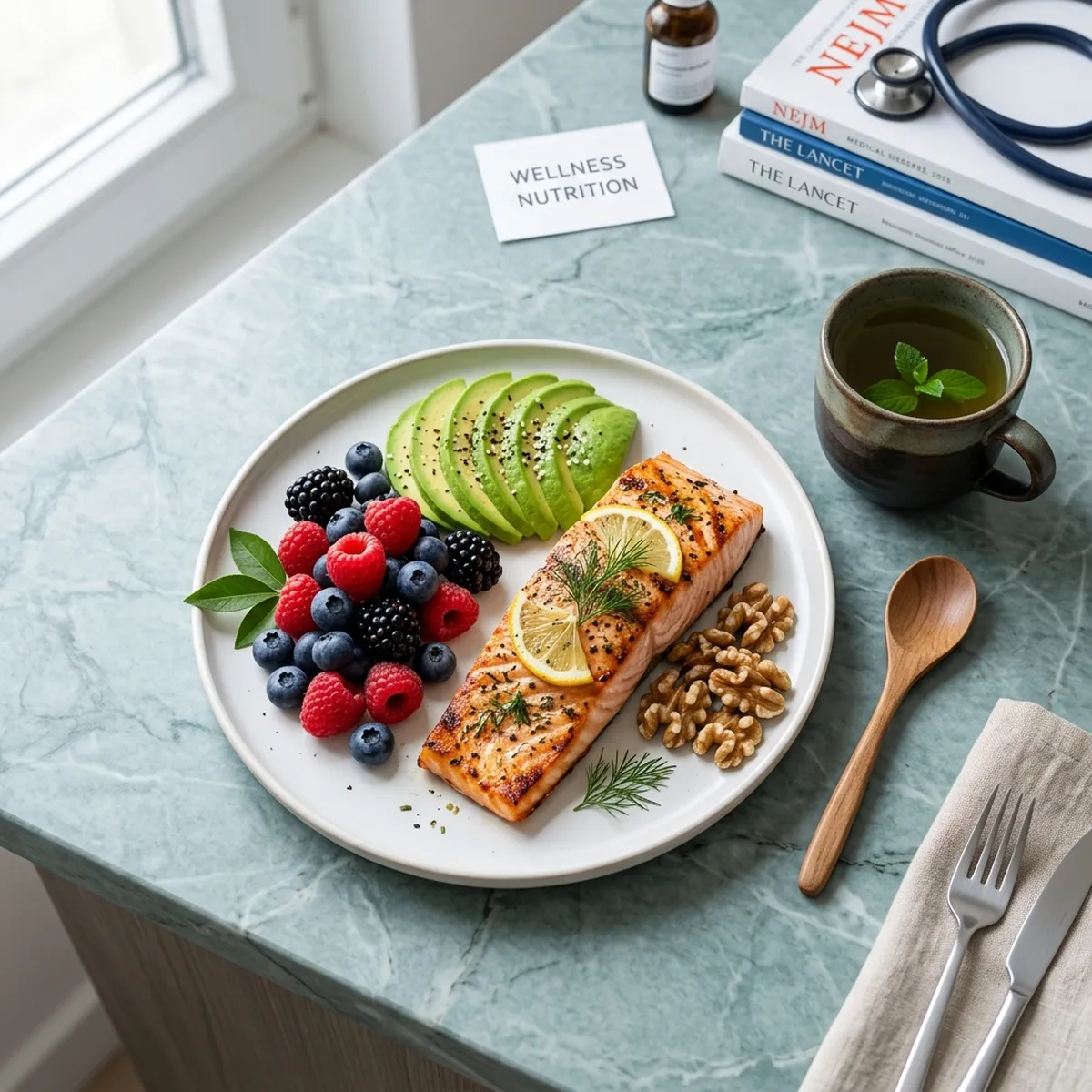
To establish a clear pathway toward skin health, you must first evaluate your current physiological baseline. A generic dietary change will not yield optimal results if your underlying hydration levels, metabolic markers, or topical routines are misaligned. Before modifying your diet to improve your dermatological nutrition skin barrier, it is highly recommended to complete a targeted self-assessment to identify your specific skin type and hydration needs. You can use our interactive clinical suite tools to generate a personalized profile instantly.
SPONSORED CONTENT
Verify Your Physiological Baseline
Dermatology meets biochemistry: establish your clinical metrics before modifying your diet.
1. Biophysical Mechanisms of Skin Health
To understand how dietary choices impact the epidermis and optimize your dermatological nutrition skin barrier, it is necessary to examine the underlying biophysical and biochemical pathways. Your skin is composed of three primary layers: the epidermis (outer barrier), the dermis (structural support), and the hypodermis (subcutaneous fat). The physiological state of these layers depends entirely on metabolic precursors supplied by capillary circulation to the dermal papillae.
Dermatological Nutrition Skin Barrier: Dermal Collagen Synthesis and Vitamin C
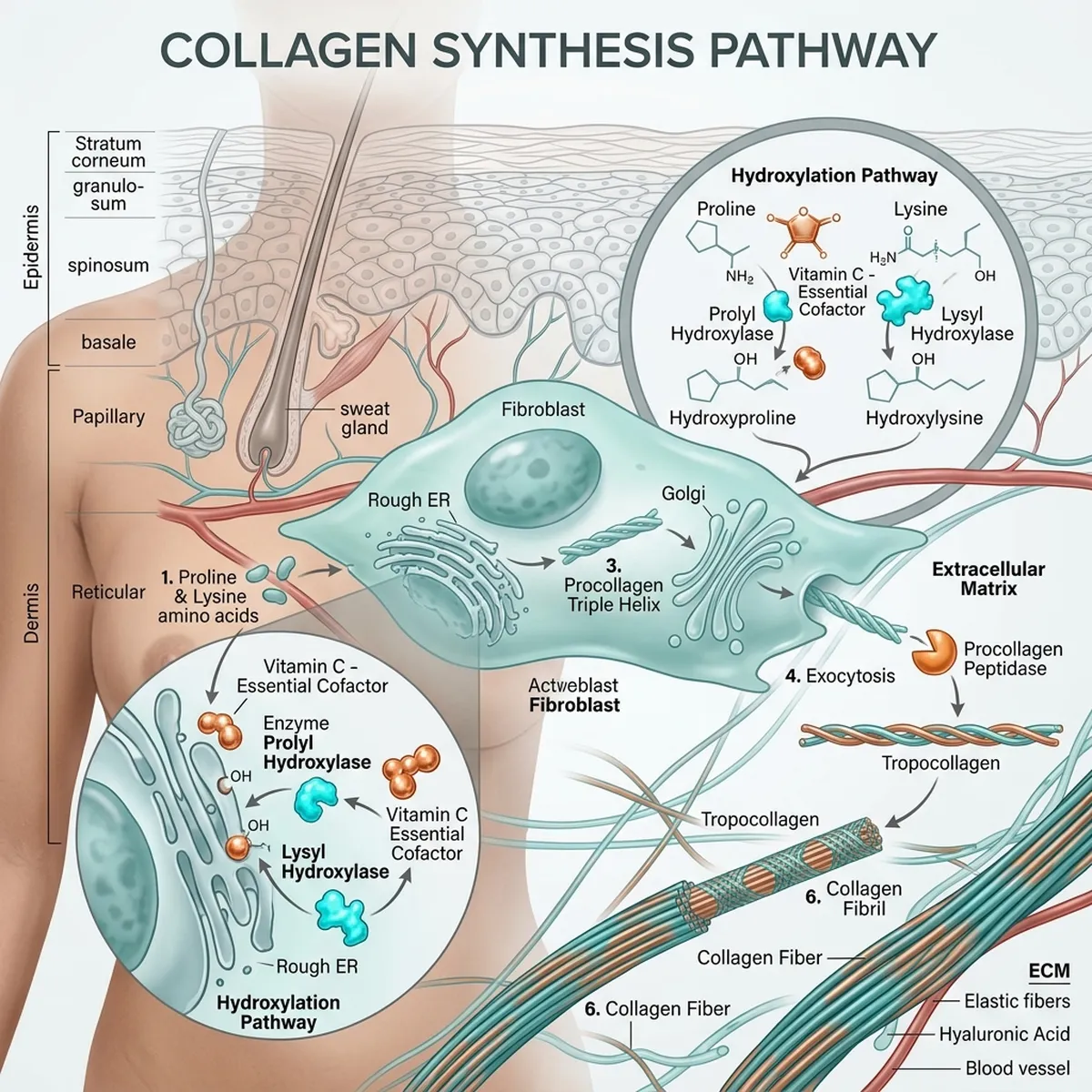
Collagen accounts for approximately 80 percent of the dry weight of the dermis, providing tensile strength and structural integrity for the dermatological nutrition skin barrier. Dermal collagen synthesis is a complex enzymatic process. Fibroblasts synthesize procollagen triple-helix polypeptide chains, which must undergo post-translational modification to form stable collagen fibers. This step requires the hydroxylation of proline and lysine amino acid residues.
The enzymes responsible for this reaction, prolyl hydroxylase and lysyl hydroxylase, require ascorbic acid (Vitamin C) as an obligate electron donor to build a strong dermatological nutrition skin barrier. Without adequate Vitamin C, these enzymes cannot maintain their active state, leading to the formation of unstable collagen fibers that rapidly degrade. This biochemical failure manifests clinically as micro-structural collapse, tissue fragility, and accelerated wrinkle formation. In addition, Vitamin C acts as a potent free radical scavenger, neutralizing reactive oxygen species (ROS) generated by solar ultraviolet radiation and environmental toxins.
Dermatological Nutrition Skin Barrier: Glycemic Index and Sebum
Sebaceous glands produce sebum, a complex mixture of triglycerides, wax esters, squalene, and free fatty acids that lubricates the skin and maintains the dermatological nutrition skin barrier. Sebum production is under tight hormonal control, specifically driven by androgens. Clinical research has established a direct link between dietary carbohydrates and sebum composition through the insulin-like growth factor 1 (IGF-1) signaling pathway.
Ingesting high-glycemic-index foods (sugary beverages, white bread, processed snacks) causes a rapid spike in blood glucose. This triggers a corresponding surge in pancreatic insulin secretion. Elevated insulin levels stimulate hepatic production of IGF-1. Both insulin and IGF-1 activate the intracellular metabolic regulator known as mammalian target of rapamycin complex 1 (mTORC1).
The activation of mTORC1 drives several downstream dermal changes. First, it upregulates lipogenesis in sebaceous glands, increasing sebum production. Second, it promotes follicular hyperkeratinization, causing skin cells within the pore to stick together rather than shedding naturally. The combination of excess sebum and accumulated dead skin cells creates an anaerobic environment inside the follicle. This environment is ideal for the rapid colonization of Propionibacterium acnes (P. acnes), triggering the inflammatory cascade of acne vulgaris. Conversely, low-glycemic diets have been shown in randomized controlled trials to reduce IGF-1 levels, decrease sebaceous gland size, and significantly improve acne severity.
Dermatological Nutrition Skin Barrier: Epidermal Lipids and Fatty Acid Pathways
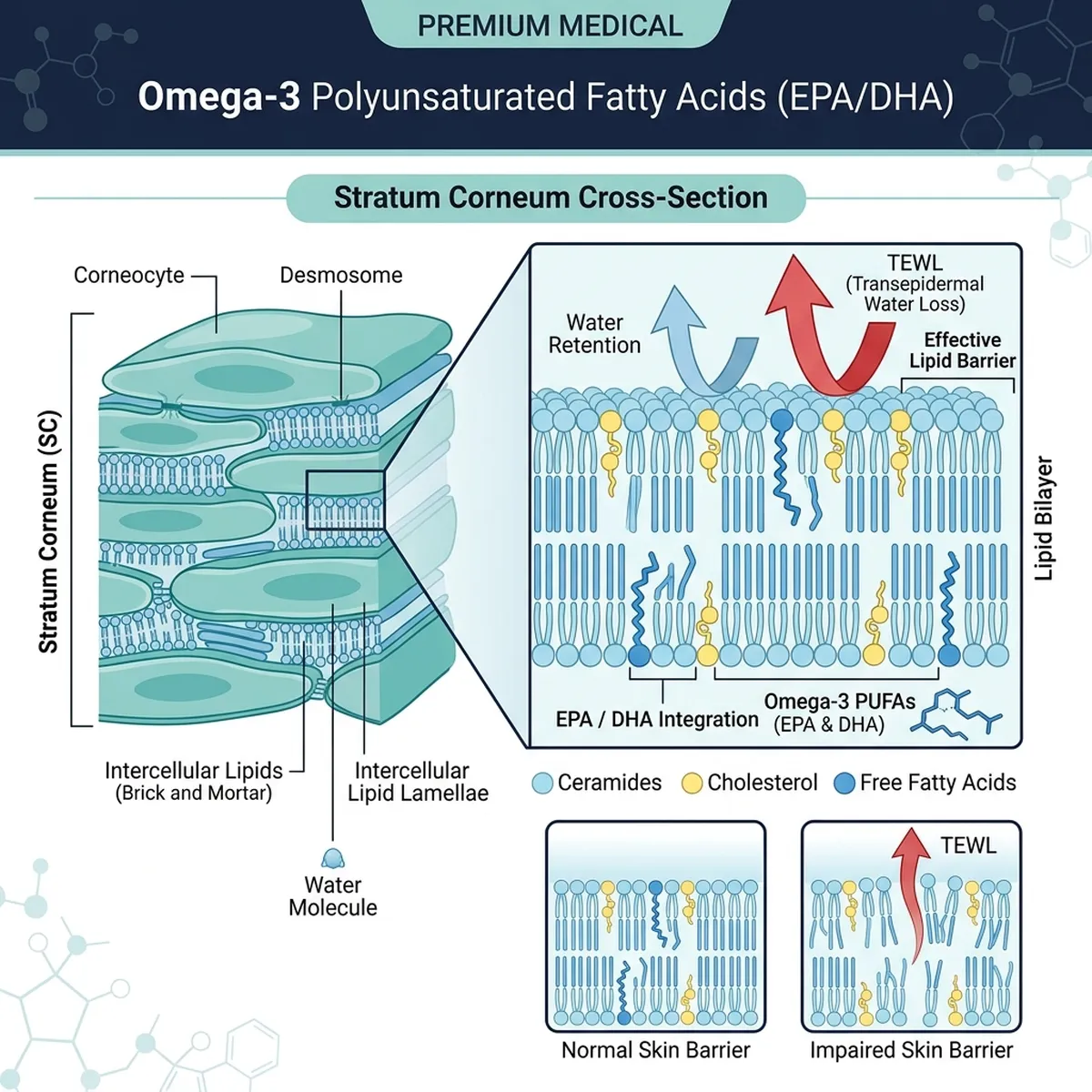
The outermost layer of the epidermis, the stratum corneum, functions as a semi-permeable physical barrier that defines the dermatological nutrition skin barrier. It is often described using a "bricks and mortar" model. The cellular bricks are keratinocytes (corneocytes), while the surrounding mortar consists of a highly ordered intercellular lipid matrix. This matrix is composed of ceramides, cholesterol, and free fatty acids in a precise 1-to-1-to-1 molar ratio.
Dietary fats directly influence the composition of these intercellular lipids. Omega-3 polyunsaturated fatty acids, specifically eicosapentaenoic acid (EPA) and docosahexaenoic acid (DHA), along with the Omega-6 fatty acid linoleic acid, are critical for maintaining this barrier. Linoleic acid is a key component of acylceramides, which form the structural envelope of the stratum corneum. A deficiency in linoleic acid forces the body to substitute oleic acid in ceramide structures, resulting in a disorganized, leaky lipid barrier. This disruption increases transepidermal water loss (TEWL), leaving the skin dry, hypersensitive, and vulnerable to environmental irritants. EPA and DHA further support the skin by producing anti-inflammatory eicosanoids, which downregulate systemic inflammatory pathways that exacerbate conditions like atopic dermatitis and psoriasis.
Dermatological Nutrition Skin Barrier: The Gut-Skin Axis
The gut-skin axis describes the complex relationship between the gastrointestinal microbiome and the dermatological nutrition skin barrier. The gut microbiome influences systemic immunology by modulating gut barrier integrity and producing metabolic byproducts. In a healthy gut, beneficial bacteria ferment dietary fiber to produce short-chain fatty acids (SCFAs), such as acetate, propionate, and butyrate.
SCFAs enter the systemic circulation and act on immune cells to promote the differentiation of regulatory T cells, which suppress excess inflammation. However, a diet high in processed foods, sugar, and saturated fats promotes gut dysbiosis (an imbalance in microbial populations). This state leads to a breakdown of the gut epithelial barrier, a condition known as intestinal hyperpermeability or leaky gut.
When the gut barrier is compromised, bacterial components like lipopolysaccharides (LPS) escape into the bloodstream. Systemic LPS triggers a pro-inflammatory immune response, elevating blood levels of inflammatory cytokines such as tumor necrosis factor alpha (TNF-alpha), interleukin 6 (IL-6), and interleukin 1 beta (IL-1beta). These cytokines travel to dermal tissues, where they bind to local receptors and upregulate inflammatory pathways, worsening inflammatory skin conditions like rosacea, eczema, and psoriasis. Modifying the diet to support gut health is therefore a primary strategy for resolving chronic skin inflammation and strengthening the dermatological nutrition skin barrier.

2. Top 12 Evidence-Based Foods for Skin Health
To translate this biochemical understanding into daily nutrition to improve the dermatological nutrition skin barrier, we must identify the specific foods with the strongest evidence in clinical research. The following twelve foods provide the necessary micro-nutritional building blocks to optimize collagen production, support the lipid barrier, and suppress systemic inflammation.
1. Wild-Caught Fatty Fish
When considering a dermatological nutrition skin barrier diet, wild-caught salmon, mackerel, sardines, and herring are the premier dietary sources of long-chain Omega-3 fatty acids, eicosapentaenoic acid (EPA), and docosahexaenoic acid (DHA). A single 150-gram serving of wild salmon provides over 2.5 grams of these essential fats. Unlike short-chain plant-derived Omega-3s, marine-derived EPA and DHA require no metabolic conversion, allowing them to integrate directly into cell membranes.
In addition to supporting the intercellular lipid matrix of the stratum corneum, EPA and DHA act as substrates for the synthesis of resolvins and protectins. These specialized pro-resolving lipid mediators actively turn off the inflammatory response in dermal tissues. Clinical trials have demonstrated that consistent intake of fatty fish or concentrated marine oils reduces UV-induced erythema (sunburn sensitivity) and decreases the severity of inflammatory conditions like eczema. Fatty fish is also a rich source of selenium, a trace mineral that cofactorizes glutathione peroxidase, a primary antioxidant enzyme protecting the skin from oxidative stress.
2. Avocados
Avocados are characterized by their exceptionally high content of monounsaturated fatty acids (MUFAs) which support the dermatological nutrition skin barrier, specifically oleic acid, along with lipid-soluble vitamins. MUFAs are integrated into the phospholipid bilayer of skin cells, helping to maintain membrane fluidity and flexibility. Fluid cell membranes are critical for the efficient transport of nutrients into cells and the removal of metabolic waste products.
Furthermore, avocados are a rich source of d-alpha-tocopherol (Vitamin E), the primary lipid-soluble antioxidant in the skin. Vitamin E accumulates in sebum and is transported to the stratum corneum via sebaceous secretion. Once on the surface, Vitamin E acts as a shield against lipid peroxidation, preventing environmental toxins and solar radiation from degrading the lipid barrier. Studies suggest that the combination of Vitamin E and MUFAs in avocados works synergistically to improve skin elasticity and hydration, making it a valuable addition to an anti-aging dietary protocol.
3. Walnuts
While most nuts are high in Omega-6 fatty acids, walnuts provide nutrients that benefit the dermatological nutrition skin barrier, standing out due to their high ratio of Omega-3 to Omega-6 fats. They are particularly rich in alpha-linolenic acid (ALA), a plant-based Omega-3 fatty acid. A 30-gram serving of walnuts provides approximately 2.5 grams of ALA, which the body converts to EPA and DHA, though at a low conversion rate. Nevertheless, ALA itself plays a direct role in supporting the epidermal lipid barrier.
Additionally, walnuts are an excellent source of zinc and selenium, two minerals vital for cutaneous wound healing and immune function. Zinc acts as a cofactor for DNA polymerase and is involved in the division and differentiation of keratinocytes. It also downregulates the inflammatory pathway mediated by NF-kB, helping to soothe irritated skin. The combination of ALA, zinc, and selenium makes walnuts a powerful tool for accelerating skin repair and maintaining structural barrier integrity.
4. Sweet Potatoes
Sweet potatoes are one of the most concentrated sources of beta-carotene, a carotenoid pigment that serves as a precursor to Vitamin A and is highly beneficial for the dermatological nutrition skin barrier. A single medium baked sweet potato provides over 1,400 micrograms of Vitamin A activity, which is equivalent to more than 150 percent of the recommended daily intake. Beta-carotene is absorbed in the small intestine and converted to retinol, the active form of Vitamin A.
Retinol is a critical signaling molecule in the skin. It binds to specific nuclear receptors (RAR and RXR) in keratinocytes, promoting cellular differentiation and accelerating epidermal turnover. This process helps to shed damaged surface cells, resulting in a smoother skin texture and a more even tone. Furthermore, beta-carotene acts as a natural systemic photoprotectant. It accumulates in the epidermis and dermis, absorbing solar ultraviolet radiation and neutralizing free radicals generated by UVA exposure, providing a baseline level of protection against photoaging.
5. Red and Yellow Bell Peppers
Red and yellow bell peppers are exceptional sources of Vitamin C (ascorbic acid) which serves as a core nutrient for the dermatological nutrition skin barrier, with a single cup of chopped red pepper delivering over 190 milligrams of this nutrient. This is more than twice the daily value required to prevent deficiency. As discussed, Vitamin C is an obligate cofactor for prolyl and lysyl hydroxylase, the enzymes that stabilize the collagen triple-helix structure in the dermis.
In addition to its role in collagen synthesis, Vitamin C is a powerful water-soluble antioxidant. It works in tandem with Vitamin E, regenerating oxidized tocopherol molecules back to their active state. Red and yellow bell peppers also contain high levels of carotenoids, including lutein and zeaxanthin, which have been shown in clinical studies to improve skin hydration, elasticity, and overall radiance by protecting dermal components from oxidative degradation.
6. Tomatoes
Tomatoes are the primary dietary source of lycopene, a powerful carotenoid antioxidant that protects the dermatological nutrition skin barrier. Lycopene is exceptionally efficient at quenching singlet oxygen, one of the most destructive reactive oxygen species generated by solar UV radiation. Clinical trials have demonstrated that consuming lycopene-rich tomato paste daily for 10 to 12 weeks reduces UV-induced erythema by up to 40 percent.
To maximize the bioavailability of lycopene, tomatoes should be cooked and paired with a source of healthy fat, such as olive oil or avocado. Processing and heat break down the plant cell walls and convert lycopene from its all-trans configuration to the more easily absorbed cis-isomers. Pairing it with lipid carriers enhances intestinal absorption, ensuring that this protective antioxidant reaches dermal tissues where it can prevent the degradation of collagen and elastin caused by UV exposure.
7. Berries
Blueberries, blackberries, raspberries, and strawberries are dense sources of nutrients for the dermatological nutrition skin barrier, specifically polyphenols, particularly anthocyanins and ellagic acid. Anthocyanins give berries their deep red, purple, and blue colors and are potent antioxidants. They prevent the upregulation of matrix metalloproteinases (MMPs), enzymes that degrade collagen and elastin in response to UV radiation and stress.
Ellagic acid has been shown in animal and cell studies to inhibit the inflammatory cascade triggered by UV exposure, preventing the breakdown of the dermal matrix. Berries also have a low glycemic load, meaning they do not cause rapid insulin spikes that could trigger sebaceous gland lipogenesis. Incorporating a cup of fresh or frozen berries into your daily diet provides a steady supply of these protective polyphenols to preserve dermal structural proteins.
8. Green Tea
Green tea is widely studied for its high concentration of catechins, a class of antioxidants that support the dermatological nutrition skin barrier, including polyphenolic antioxidants. The most abundant and bioactive catechin in green tea is epigallocatechin-3-gallate (EGCG). EGCG has powerful anti-inflammatory and anti-androgenic properties, making it highly effective for regulating sebum production and suppressing inflammatory cascades.
Clinical trials suggest that drinking green tea regularly improves skin micro-circulation and oxygenation, enhancing the delivery of nutrients to the dermis. Furthermore, EGCG has been shown to inhibit the 5-alpha-reductase enzyme, which converts testosterone to the more potent dihydrotestosterone (DHT). By reducing local DHT levels in sebaceous glands, EGCG helps to normalize sebum production and reduce the severity of hormonal acne. Green tea should be consumed without sugar or dairy, as sugar spikes insulin and dairy can interfere with polyphenol absorption.
9. Extra Virgin Olive Oil
Extra virgin olive oil (EVOO) is a cornerstone of the Mediterranean diet, rich in lipids that nourish the dermatological nutrition skin barrier, specifically in monounsaturated fats (primarily oleic acid) and polyphenolic compounds like oleocanthal and hydroxytyrosol. Hydroxytyrosol is one of the most powerful natural antioxidants, capable of protecting lipids throughout the body, including those in the skin's cell membranes and intercellular matrix.
Large-scale epidemiological studies suggest that a high intake of monounsaturated fats from olive oil is associated with a lower risk of severe facial photoaging. The anti-inflammatory polyphenols in EVOO help to suppress systemic inflammation by inhibiting cyclooxygenase (COX) enzymes, similar to the action of non-steroidal anti-inflammatory drugs. Utilizing EVOO as your primary cooking oil and salad dressing base ensures a consistent intake of these protective lipid-soluble components.
10. Fermented Foods
Kefir, Greek yogurt, sauerkraut, kimchi, and kombucha are rich sources of live probiotics that benefit the dermatological nutrition skin barrier, delivering probiotic microorganisms. Probiotic consumption supports the gut microbiome by introducing beneficial bacterial strains, such as Lactobacillus and Bifidobacterium. As discussed, a healthy gut microbiome produces short-chain fatty acids (SCFAs) that promote immune tolerance and suppress systemic inflammation.
Clinical studies on the gut-skin axis have shown that regular consumption of fermented dairy or vegetables can improve skin barrier function, increase epidermal hydration, and reduce the frequency of inflammatory flares in patients with acne, eczema, and rosacea. When selecting fermented foods, ensure they contain live, active cultures and are free from added sugars, which would counteract the anti-inflammatory benefits.
11. Pumpkins and Pumpkin Seeds
Pumpkin seeds (pepitas) are one of the most concentrated plant-based sources of minerals for the dermatological nutrition skin barrier, notably zinc, a trace mineral essential for skin cell division and wound healing. A 30-gram serving of pumpkin seeds provides approximately 2.2 milligrams of zinc, covering a significant portion of the daily requirement. Zinc is a crucial cofactor for over 300 enzymes, including those involved in the synthesis of structural proteins.
Zinc plays a key role in regulating the activity of the immune system. It reduces the production of pro-inflammatory cytokines and acts as an anti-bacterial agent against P. acnes. Pumpkin seeds also provide healthy plant-based fats, magnesium, and Vitamin E, making them an excellent snack for supporting overall skin structure and calming inflammatory pathways.
12. Water and Hydrating Foods
While not a food in the traditional sense, water is the primary solvent in the human body and is essential for the dermatological nutrition skin barrier, acting as the human body, necessary for maintaining intracellular volume and supporting metabolic pathways. The hydration state of the dermis and epidermis is directly influenced by systemic fluid balance. Dehydration compromises the skin's physical properties, leading to a dull appearance, reduced elasticity, and impaired barrier function.
In addition to drinking pure water, consuming foods with a high water content (cucumbers, celery, watermelon, radishes) is an effective way to hydrate. These foods provide water structured with essential electrolytes and minerals, which improves cellular absorption. Meeting your daily fluid target, as calculated by physiological metrics, is a foundational requirement for any successful skincare protocol.
3. Diagnostic Nutrient Reference Table
To help you structure your dietary planning, the following table maps the key micronutrients essential for skin health, their primary food sources, and their specific biological functions within the dermis and epidermis.
| Micronutrient | Dermal Biological Function | Primary Food Sources | Clinical Deficiency Manifestation |
|---|---|---|---|
| Vitamin A (Retinol/Beta-Carotene) | Regulates keratinocyte differentiation; stimulates epidermal cell turnover; acts as a systemic photoprotectant. | Sweet potatoes, carrots, spinach, beef liver. | Follicular hyperkeratinization (rough, bumpy skin); severe dryness. |
| Vitamin C (Ascorbic Acid) | Required cofactor for collagen hydroxylation; regenerates Vitamin E; neutralizes free radicals in the aqueous phase. | Bell peppers, strawberries, citrus fruits, broccoli. | Impaired wound healing; fragile capillaries (petechiae); structural collapse. |
| Vitamin E (Tocopherol) | Primary lipid-soluble antioxidant; protects cell membranes and sebum lipids from peroxidation. | Avocados, almonds, sunflower seeds, olive oil. | Increased susceptibility to UV damage; accelerated barrier degradation. |
| Zinc | Cofactor for DNA/RNA polymerase; regulates immune cell function; suppresses NF-kB inflammatory pathways. | Pumpkin seeds, oysters, beef, lentils. | Delayed wound healing; increased acne severity; localized dermatitis. |
| Selenium | Cofactor for glutathione peroxidase; protects cells from oxidative damage; supports thyroid hormone metabolism. | Brazil nuts, wild salmon, yellowfin tuna, eggs. | Increased oxidative stress; cellular damage from UV radiation. |
| Biotin (Vitamin B7) | Essential cofactor for carboxylase enzymes; involved in lipid synthesis and keratin structure. | Eggs (cooked), walnuts, almonds, sweet potatoes. | Erythematous periorificial dermatitis; dry, scaly skin; brittle nails. |
4. Dietary Factors to Limit
Just as certain nutrients support skin health, other dietary components can actively degrade the skin's structural integrity and worsen inflammatory conditions. To optimize your skin, you should systematically limit the intake of the following factors.
High-Glycemic Foods and Advanced Glycation End-Products (AGEs)
As discussed, high-glycemic foods trigger an insulin-IGF-1 cascade that increases sebum production and worsens acne. Beyond acne, high blood sugar levels lead to a process called glycation. Glycation occurs when excess glucose molecules bind non-enzymatically to proteins, particularly collagen and elastin in the dermis.
This binding reaction forms cross-linked structures known as Advanced Glycation End-Products (AGEs). AGEs make collagen fibers stiff, brittle, and unable to stretch, resulting in a loss of skin elasticity and the development of deep wrinkles. Furthermore, AGEs bind to specific receptors (RAGE) on immune and endothelial cells, triggering a state of chronic local inflammation. To protect your dermal matrix, limit refined sugars, sugary beverages, white flour products, and processed cereals.
Excessive Alcohol Consumption
Alcohol impacts the skin through several mechanisms. First, it is a potent diuretic, inhibiting the release of vasopressin (antidiuretic hormone) from the pituitary gland. This action leads to systemic dehydration, which depletes water from dermal tissues, leaving the skin looking dull and accentuating fine lines.
Second, alcohol triggers peripheral vasodilation, increasing blood flow to the capillaries near the surface of the skin. Over time, chronic drinking can lead to permanent dilation of these vessels, resulting in visible facial redness and spider veins. Finally, alcohol disrupts the sleep cycle, specifically suppressing rapid eye movement (REM) sleep. Because the skin undergoes major cellular repair and growth hormone secretion during deep sleep, chronic sleep disruption directly impairs skin recovery and barrier maintenance.
Industrial Seed Oils and Omega-6 Imbalance
While Omega-6 fatty acids are essential, the modern diet contains a massive excess of linoleic acid from industrial seed oils (soybean oil, corn oil, cottonseed oil, canola oil). A high ratio of Omega-6 to Omega-3 fatty acids (often reaching 15-to-1 or 20-to-1 in processed diets, compared with the evolutionary ratio of 1-to-1) promotes a pro-inflammatory state.
Linoleic acid is converted to arachidonic acid, which serves as a precursor for the synthesis of pro-inflammatory eicosanoids (prostaglandins and leukotrienes). These inflammatory molecules exacerbate acne, rosacea, and eczema. To support skin health, minimize consumption of processed foods containing these refined oils and prioritize fats rich in Omega-3s and monounsaturated fats, such as extra virgin olive oil, avocado oil, and wild fish.
5. 7-Day Skin-Supporting Dietary Protocol
This structured meal plan is designed to provide a high concentration of skin-supporting nutrients while minimizing inflammatory triggers. Adjust portion sizes to meet your specific caloric requirements.
| Day | Breakfast | Lunch | Dinner | Snack / Drink |
|---|---|---|---|---|
| Day 1 | Greek yogurt, walnuts, mixed berries, pumpkin seeds. | Leafy green salad, avocado, wild-caught salmon, olive oil dressing. | Roasted sweet potatoes, sautéed spinach, grilled chicken breast. | Green tea (unsweetened), raw almonds. |
| Day 2 | Scrambled eggs (2), sautéed tomatoes, spinach, sliced avocado. | Tuna salad with olive oil, celery, mixed greens, pumpkin seeds. | Baked cod, roasted broccoli, quinoa, extra virgin olive oil. | Matcha green tea, raw walnuts. |
| Day 3 | Chia seed pudding (unsweetened almond milk), berries, chopped almonds. | Grilled chicken salad, cucumbers, cherry tomatoes, avocado, olive oil. | Stir-fried tofu, red and yellow bell peppers, broccoli, brown rice. | Unsweetened green tea, pumpkin seeds. |
| Day 4 | Greek yogurt, pumpkin seeds, fresh raspberries, walnuts. | Salmon salad with mixed greens, avocado, cherry tomatoes, olive oil. | Roasted chicken breast, sweet potato wedges, sautéed kale. | Green tea, dark chocolate (1 oz, >75% cocoa). |
| Day 5 | Omelet (2 eggs) with bell peppers, tomatoes, spinach, and sliced avocado. | Quinoa bowl, mixed greens, chickpeas, cucumber, avocado, olive oil. | Grilled sardines or mackerel, roasted asparagus, brown rice. | Unsweetened matcha, raw almonds. |
| Day 6 | Chia seed pudding, blueberries, walnuts, sunflower seeds. | Grilled chicken breast, roasted Brussels sprouts, sweet potato, olive oil. | Baked salmon, sautéed spinach with garlic, quinoa. | Green tea, pumpkin seeds. |
| Day 7 | Scrambled eggs, sautéed cherry tomatoes, spinach, and avocado. | Mixed green salad, raw walnuts, pumpkin seeds, grilled chicken, olive oil. | Turkey burgers (no bun), roasted cauliflower, sweet potato, olive oil. | Green tea, dark chocolate (1 oz). |
6. Clinical Videos: Diet and Skincare Science
To deepen your understanding of how nutrition directly influences the skin, watch these clinical discussions featuring board-certified dermatologists explaining the science of diet and skin health.
7. Daily Hydration and Skin Barrier Checklist
Consistency is key to maintaining a resilient skin barrier. Use this checklist daily to track your hydration, nutrition, and skin-supporting habits.
- Target Hydration Achieved: Drank your customized volume of water (calculated via the Water Intake Calculator) to support tissue turgor and metabolic clearance.
- Essential Fatty Acids Ingested: Consumed at least one source of Omega-3s (wild fish, walnuts, chia seeds) to reinforce the stratum corneum intercellular lipid matrix.
- Vitamin C Source Included: Ate at least one high-Vitamin C food (bell peppers, berries, citrus) to cofactorize dermal collagen synthesis.
- Low-Glycemic Load Maintained: Avoided refined sugars and high-glycemic carbohydrates to prevent insulin spikes and AGE formation.
- Sunscreen Applied: Applied a broad-spectrum SPF 30 or higher sunscreen. Diet provides a baseline, but topical protection is non-negotiable.
8. Frequently Asked Questions
Will changing my diet cure my acne?
While adopting a low-glycemic, anti-inflammatory diet can significantly reduce sebum production and decrease acne severity, it is rarely a standalone cure. Acne vulgaris is a multi-factorial condition driven by genetics, hormones, follicular hyperkeratinization, and bacterial colonization. A clean diet establishes an optimal physiological baseline, but moderate to severe acne usually requires targeted topical treatments or prescription interventions managed by a board-certified dermatologist.
Are collagen supplements effective for skin aging?
Double-blind, placebo-controlled clinical trials suggest that oral supplementation with hydrolyzed collagen peptides can modestly improve skin hydration, elasticity, and dermal collagen density after 8 to 12 weeks. These peptides are broken down in the gut and absorbed as amino acids, which may signal fibroblasts to upregulate collagen production. However, you can support this process by ensuring adequate intake of dietary protein, Vitamin C, and zinc, which are the essential building blocks for natural collagen synthesis.
Does drinking extra water make skin look more radiant?
Adequate hydration is critical for maintaining overall skin barrier function and tissue turgor. However, drinking extra water beyond your body's physiological needs will not result in visibly more glowing or wrinkle-free skin. Once tissues are saturated, excess water is processed and excreted by the kidneys. To lock in moisture and achieve a radiant appearance, you must pair proper hydration with topical humectants and occlusives that strengthen the epidermal lipid barrier and prevent transepidermal water loss.
How long does it take for dietary changes to affect my skin?
The cellular turnover rate for the epidermis is approximately 28 to 40 days, depending on age and individual metabolism. This means that cells currently forming in the deep basal layer of the epidermis will not reach the surface for at least 4 weeks. Consequently, you should maintain a consistent, skin-supporting dietary protocol for a minimum of 4 to 6 weeks before evaluating visual changes on the surface of your skin.
When to Consult a Dermatologist
Dietary adjustments are a valuable tool for supporting skin physiology, but they cannot replace professional medical care. You should consult a board-certified dermatologist if you experience persistent or cystic acne that leaves scars, sudden and unexplained skin rashes, severe localized itching or pain, changing or asymmetrical moles, or skin conditions that significantly impact your psychological well-being. A specialist can diagnose skin conditions accurately and prescribe targeted topical or systemic treatments.
Medical Disclaimer: The information provided in this article is for educational and informational purposes only and does not constitute medical advice. For persistent skin concerns, please consult a board-certified dermatologist. See our full Medical Disclaimer.

