
Medically reviewed by: Health is Heaven Medical Review Board | Published by Ganesh G Kamble, Health is Heaven | Published: April 19, 2026 · Last updated: October 4, 2026
Regulating glucose levels is a fundamental aspect of metabolic health, and learning how to lower blood sugar naturally fast is a critical clinical objective for individuals managing prediabetes or insulin resistance (which requires learning how to lower fasting insulin levels naturally). Understanding normal blood sugar levels chart ranges is essential for tracking cellular energy production, vascular integrity, and systemic organ function. The landmark Diabetes Prevention Program clinical trial demonstrated that structured lifestyle modifications reduced the risk of progressing from prediabetes to type 2 diabetes by 58 percent, outperforming the common pharmaceutical intervention metformin. This clinical guide exposes the exact physiological pathways of glucose regulation and details ten evidence-based, natural strategies to stabilize blood glucose levels.
Maintain consistent communication with your primary healthcare provider before adjusting any metabolic health protocol. The strategies outlined below are designed to support and calibrate your physiology, but they do not replace direct medical supervision, especially if you are taking prescribed glucose-lowering medications.
1. Postprandial Walking and Skeletal Muscle Glucose Translocation (Lower Overview)
Physical activity immediately following nutritional intake is one of the most reliable methods to lower postprandial glucose excursions. A study published in the journal Diabetologia demonstrated that a ten-minute walk immediately after each main meal was significantly more effective at controlling post-meal blood sugar than a single thirty-minute walk performed at other times of the day, though the total health benefits of walking 30 minutes a day still support overall metabolic resilience.
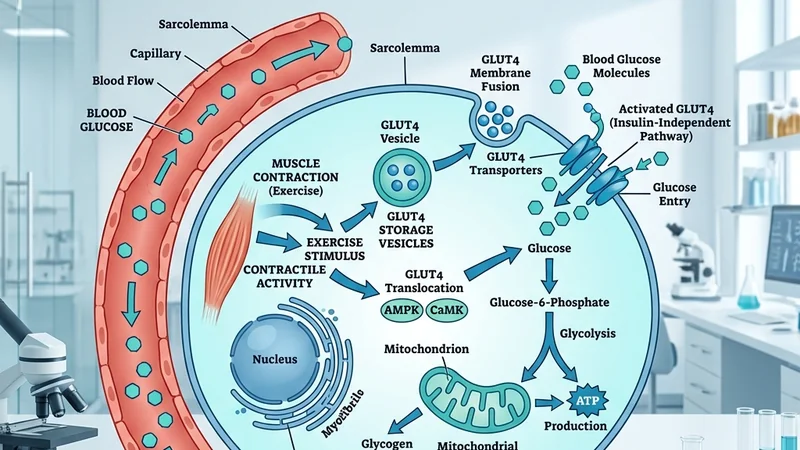
The biochemical mechanism behind this effect is centered on skeletal muscle contraction. Under resting conditions, glucose uptake into muscle cells is highly dependent on insulin binding to the insulin receptor, which initiates an intracellular signaling cascade that translocates glucose transporter 4 (GLUT4) vesicles to the cell membrane. During exercise, muscle contractions activate AMP-activated protein kinase (AMPK) and calcium-calmodulin-dependent protein kinases. This pathway triggers GLUT4 translocation to the cell surface independently of insulin. Consequently, exercising muscles directly clear glucose from the bloodstream, reducing the secretory burden on pancreatic beta-cells. You can verify your post-exercise glucose levels using our free blood sugar checker to observe this immediate clearance effect. If you are wearing a continuous glucose monitor to track these post-meal changes, verifying your metrics against a normal cgm range for non diabetics will help you determine if your postprandial spikes are within healthy, physiological limits. Another highly effective method to manage baseline glucose levels is intermittent fasting for beginners or preparing meals from our healthy recipes for diabetes management list, which helps lower overall glycemic load by limiting the daily window of postprandial insulin spikes.
The timing of post-meal movement is critical. Walking should initiate within fifteen to thirty minutes of completing a meal, matching the peak of intestinal glucose absorption. When muscle fibers contract, calcium is released from the sarcoplasmic reticulum, which acts as a signaling messenger alongside the rising AMP to ATP ratio that activates AMPK. This dual activation bypasses the insulin receptor, which is particularly beneficial for individuals with insulin resistance or type 2 diabetes, as their insulin-stimulated GLUT4 translocation pathway is impaired. Additionally, exercise stimulates nitric oxide production in vascular endothelial cells, causing vasodilation and increasing blood flow to skeletal muscles, which further enhances the delivery and disposal of glucose.
2. Reducing Refined Carbohydrates and Glycemic Index Calibration
Refined carbohydrates, including white flour, white rice, sweet beverages, and processed breakfast cereals, undergo extensive industrial milling that strips dietary fiber, germ, and bran. This structural degradation allows rapid enzymatic hydrolysis by salivary and pancreatic amylase, resulting in swift glucose absorption across the intestinal mucosa. The rapid influx of glucose into the portal vein triggers a substantial postprandial spike, requiring a corresponding surge of insulin to clear the blood, which eventually worsens insulin resistance. To prevent this metabolic stress, replacing refined starches with low-glycemic, prebiotic options from a structured high fiber foods for gut health list is essential for glycemic management. Adopting a comprehensive list of diabetic diet foods to eat and avoid is highly recommended to protect your pancreas from these sudden glucose spikes. For women managing endocrine health, integrating a targeted pcos diet plan pdf practical guide offers a complementary therapeutic protocol.
Stabilizing blood glucose requires transitioning from high-glycemic-index foods to low-glycemic-index and low-glycemic-load options. Complex, intact carbohydrates such as steel-cut oats, wild rice, and legumes contain complex polysaccharide chains that require prolonged enzymatic breakdown. This slows down the rate of gastric emptying and decelerates the delivery of glucose into the bloodstream, resulting in a gentle, prolonged curve rather than a sharp spike. Patients should aim for foods with a glycemic index of 55 or below to minimize metabolic stress. As of 2026, clinical guidelines from the American Diabetes Association, the International Society of Endocrinology, and the American Heart Association continue to emphasize this threshold as a cornerstone of prediabetes management and glycemic optimization. Emerging 2026 research highlights the value of personalized glycemic targets based on continuous glucose monitoring (CGM) data and individual metabolic phenotyping, with some individuals showing superior outcomes using targeted postprandial glucose thresholds rather than uniform population guidelines.
The molecular structure of starches determines their digestive speed. Refined grains are dominated by amylopectin, which is highly branched and easily accessible to digestive enzymes. In contrast, complex carbohydrates contain a higher ratio of amylose, a linear, tightly packed chain of glucose molecules that resists rapid enzymatic breakdown. The process of starch gelatinization and retrogradation also plays a role. When starch-rich foods like potatoes, rice, or pasta are cooked and then cooled before consumption, they undergo retrogradation. This process recrystallizes the starch chains into resistant starch, which escapes digestion in the small intestine and acts like soluble fiber. Refined sugars bypass this slow breakdown and are rapidly transported across the enterocyte membrane via sodium-glucose cotransporter 1 (SGLT1) and glucose transporter 2 (GLUT2), causing an immediate surge in portal vein glucose. This surge causes pancreatic beta-cells to over-secrete insulin, which eventually leads to beta-cell exhaustion and down-regulates insulin receptor sensitivity.
3. Increasing Dietary Soluble Fiber and GLP-1 Upregulation
Dietary fiber is categorized into soluble and insoluble forms, with soluble fiber playing the primary role in glucose calibration. Soluble fiber, found in high concentrations in psyllium husk, flaxseeds, chia seeds, Brussels sprouts, and legumes, absorbs water within the gastrointestinal tract to form a viscous, gel-like matrix. This gel coats the intestinal walls, increasing the viscosity of chyme and creating a physical barrier that slows the diffusion of glucose molecules toward the brush border membrane, where absorption occurs.
Soluble fiber travels to the large intestine, where anaerobic gut microbiota ferment it into short-chain fatty acids (SCFAs), primarily acetate, propionate, and butyrate. These SCFAs bind to free fatty acid receptors 2 and 3 on enteroendocrine L-cells in the distal gut, stimulating the release of glucagon-like peptide-1 (GLP-1) and peptide YY (PYY). GLP-1 is a key incretin hormone that enhances glucose-dependent insulin secretion, suppresses glucagon release from pancreatic alpha-cells, and delays gastric emptying, thereby reducing appetite and postprandial glucose levels naturally. (For an analysis of pharmacological GLP-1 agonists, see our comparison of ozempic vs wegovy vs mounjaro for weight loss). The American Diabetes Association recommends a minimum daily fiber intake of 25 to 30 grams for adults.
Different types of soluble fibers have varying viscosity ratings. Psyllium husk, beta-glucans (found in oats and barley), glucomannan (from konjac root), and pectins form high-viscosity gels. The gel-like matrix increases the viscosity of chyme in the stomach and small intestine, slowing down gastric emptying and creating a physical barrier. This barrier limits the diffusion of glucose molecules toward the enterocyte brush border, smoothing the glucose absorption curve. The fermentation of soluble fiber in the large intestine by anaerobic commensal bacteria (such as Bacteroides and Bifidobacterium) produces short-chain fatty acids. These short-chain fatty acids act as signaling ligands that bind to free fatty acid receptor 2 (FFAR2) and free fatty acid receptor 3 (FFAR3) expressed on the basolateral membrane of enteroendocrine L-cells. This binding stimulates the secretion of the incretin hormone glucagon-like peptide-1 (GLP-1) and peptide YY (PYY). GLP-1 travels through the bloodstream to pancreatic islets, where it binds to the GLP-1 receptor on beta-cells, enhancing glucose-dependent insulin secretion while suppressing glucagon secretion from alpha-cells. It also acts on the central nervous system to promote satiety.
4. Strategic Macronutrient Pairing to Decelerate Gastric Emptying
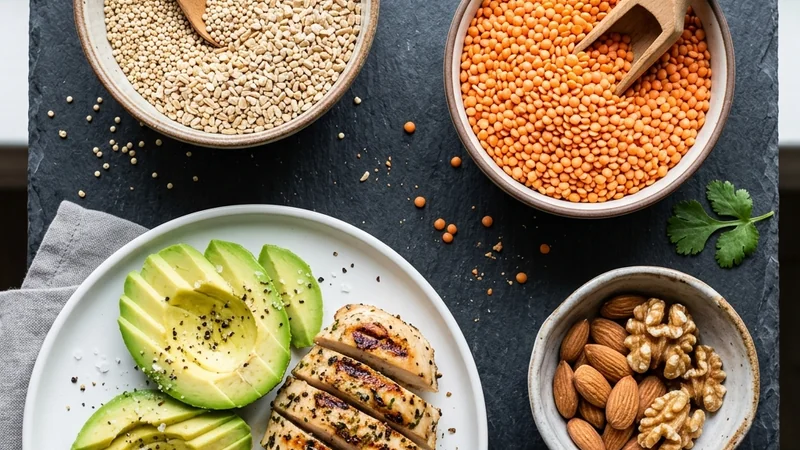
Eaten in isolation, simple carbohydrates cause rapid blood sugar spikes because there are no digestive obstacles to delay transit through the stomach and small intestine. By pairing carbohydrates with high-quality protein, healthy monounsaturated and polyunsaturated fats, or dietary fiber, you can modify the glycemic response of the meal. This technique relies on slowing the gastric emptying rate, which is the speed at which food leaves the stomach and enters the duodenum.
When fat and protein enter the duodenum, they trigger the release of cholecystokinin (CCK) and GLP-1 from the intestinal mucosa. These hormones act on the pyloric sphincter, causing it to constrict and slow gastric emptying. Furthermore, pairing carbs with fat and protein lowers the overall glycemic load of the meal. For example, eating an apple with a handful of walnuts, or brown rice with grilled wild salmon, ensures a slow, sustained release of glucose into systemic Circulation. This sequence prevents both acute hyperglycemia and the subsequent reactive hypoglycemia that causes sugar cravings.
The sequence of food consumption is just as important as the pairing itself. The science of food sequencing shows that when vegetables (fiber) and proteins or fats are consumed first, followed by carbohydrates ten to fifteen minutes later, the post-meal glucose spike is reduced by up to 37 percent. This clinical approach utilizes the initial ingestion of fats and proteins to stimulate the secretion of cholecystokinin (CCK) and GLP-1 from the upper small intestine. CCK acts on the pyloric

Ganesh G Kamble
Ganesh G. Kamble is the founder and editor of Health is Heaven. He built this site after losing his father to a preventable condition, with the mission of providing clear, trackable health indicators so others can act early. His background is in the IT industry (16 years as an enterprise consultant) and he is not a medical professional; all medical content, formulas, and guides are reviewed by a credentialed medical reviewer/board before publication.