Medically reviewed by: Health is Heaven Medical Review Board | Published by Ganesh G Kamble, Health is Heaven | Published: June 12, 2026
Medically reviewed by: Health is Heaven Medical Review Board | Published by Ganesh G. Kamble, Health is Heaven | Published: June 12, 2026 | Last updated: June 12, 2026
At the core of cardiovascular wellness is the daily management of blood pressure and arterial hemodynamics. For individuals facing primary hypertension, cardiovascular disease risk, or vascular endothelial dysfunction, daily dietary choices serve as a direct therapeutic lever. While medical management is a critical foundation, clinical research demonstrates that implementing the DASH diet, reducing sodium intake, and loading dietary potassium work synergistically to lower vascular resistance and improve arterial compliance. This guide details the biophysical pathways of cardiovascular regulation, offering 5 low-sodium, nutrient-rich recipes designed to protect your heart and blood vessels naturally.
To establish an effective heart-healthy strategy, you must first evaluate your physiological numbers. Chronic hypertension can cause silent vascular wear and tear, making it essential to monitor your baseline markers. You can use our interactive clinical suite to record your readings and calculate your metrics before starting new nutritional protocols.
SPONSORED CONTENT
Check Your Blood Pressure Instantly
If you have recently measured your blood pressure or want to calculate your daily energy expenditure, use our screening tools to evaluate your baseline metrics and track your progress.
Open Free Blood Pressure Checker →1. The Physiology of Sodium, Potassium, and Cardiovascular Hemodynamics
Cardiovascular hemodynamics refers to the forces that govern blood flow throughout the body. Blood pressure (BP) is determined by the mathematical relationship between Cardiac Output (CO) and Total Peripheral Resistance (TPR): BP = CO * TPR. Cardiac output is the volume of blood pumped by the heart per minute, which is directly influenced by circulating blood volume. Total peripheral resistance is the frictional resistance to blood flow created by the vascular walls, which is regulated by vessel diameter and arterial stiffness.
Excessive sodium intake increases blood volume by attracting water into the vascular space, raising cardiac output. Concurrently, high sodium levels reduce the availability of endothelial nitric oxide (NO), a vital gas that signals smooth muscle cells in blood vessel walls to relax. The loss of nitric oxide promotes vasoconstriction and increases peripheral resistance. In contrast, dietary potassium stimulates the sodium-potassium ATPase pump in vascular smooth muscle cells, causing hyperpolarization and vasodilation. Potassium also increases the renal excretion of sodium, directly lowering blood volume. By utilizing heart-healthy, low-sodium recipes, you can optimize this sodium-to-potassium ratio, support endothelial nitric oxide release, and promote healthy, elastic blood vessels.
Endothelial Dysfunction, Vascular Shear Stress, and Nitric Oxide: The vascular endothelium is a single layer of cells lining all blood vessels. It plays a critical role in cardiovascular health by sensing blood flow forces, known as shear stress, and releasing vasoactive substances. Under healthy conditions, endothelial nitric oxide synthase (eNOS) converts the amino acid L-arginine into nitric oxide (NO), a gas that diffuses into vascular smooth muscle cells and triggers relaxation (vasodilation). In hypertension, elevated blood pressure causes mechanical strain and endothelial damage. The resulting inflammation impairs eNOS activity and increases reactive oxygen species (ROS), which rapidly degrade nitric oxide, causing endothelial dysfunction, vasoconstriction, and arterial stiffening.
Renal Regulation of Extracellular Fluid Volume: The kidneys are the primary site for long-term blood pressure control through the regulation of sodium and water homeostasis. High dietary sodium intake increases the osmolality of the extracellular fluid, which stimulates the release of antidiuretic hormone (ADH) from the pituitary gland. ADH promotes water reabsorption in the renal collecting ducts, increasing total blood volume. Concurrently, sodium accumulation suppresses the renin-angiotensin-aldosterone system (RAAS) in an attempt to promote sodium excretion (natriuresis). However, in salt-sensitive individuals, this suppression is incomplete, leading to fluid retention, elevated cardiac filling pressures, and persistent systemic hypertension.
2. The DASH Diet Framework: Sodium Restriction and Potassium Loading
The Dietary Approaches to Stop Hypertension (DASH) eating plan is a clinically validated dietary framework developed to lower blood pressure. The DASH diet emphasizes foods rich in minerals that lower blood pressure, specifically potassium, calcium, and magnesium. Clinical targets are structured around two levels of sodium restriction:
- Standard DASH: Limits daily sodium intake to 2300 milligrams. This is the maximum recommended intake for healthy adults, which can significantly reduce blood pressure compared to a typical modern diet.
- Low-Sodium DASH: Restricts daily sodium to 1500 milligrams. This stricter limit is designed for individuals with diagnosed hypertension, older adults, or those with renal dysfunction, offering the greatest reduction in vascular strain.
The Biophysical Impact of Potassium and Magnesium Loading: While sodium restriction lowers blood volume, loading potassium and magnesium actively restores vascular function. Potassium works as a natural diuretic by blocking sodium reabsorption in the distal renal tubules, promoting sodium excretion. Magnesium acts as a natural calcium channel blocker; it blocks the influx of calcium into vascular smooth muscle cells, preventing contraction and promoting vasodilation. Furthermore, high dietary potassium intake helps prevent vascular calcification and reduces arterial stiffness. Combined with sodium restriction, this mineral balance lowers systolic blood pressure by an average of eleven mmHg and diastolic by six mmHg in hypertensive patients.

3. 5 Low-Sodium Heart-Healthy Recipes
The following recipes are formulated to support cardiovascular health by minimizing sodium and maximizing potassium, calcium, and magnesium content.
Recipe 1: Mediterranean Baked Cod with Tomatoes, Garlic, and Olive Oil
A lean, high-protein main dish rich in monounsaturated fats and vascular-supportive antioxidants, designed to minimize sodium delivery.
Ingredients:
- 6 oz fresh cod fillet (thick cut)
- 1 cup cherry tomatoes (halved)
- 2 cloves garlic (thinly sliced)
- 1 tablespoon extra virgin olive oil
- 1/4 cup fresh basil leaves (torn)
- 1 tablespoon fresh lemon juice
- 1/4 teaspoon black pepper
Preparation Steps:
1. Preheat oven to 375 degrees Fahrenheit. Lightly grease a baking dish with a drop of olive oil.
2. Place the cod fillet in the center of the baking dish. Arrange cherry tomatoes and garlic slices around the fish.
3. Drizzle the cod and tomatoes with olive oil and lemon juice, and season with black pepper.
4. Bake for 15 to 18 minutes until the cod flakes easily with a fork.
5. Garnish with fresh basil before serving.
Clinical Insight: Cod is an excellent source of lean protein that is naturally very low in sodium. Extra virgin olive oil provides oleic acid and polyphenols, which protect endothelial cells from oxidative stress and support vascular nitric oxide production.
Meal Prep & Storage: Store the baked cod in an airtight glass container in the refrigerator for up to 2 days. To reheat without drying out the fish, place it in a covered skillet over low heat with a tablespoon of unsalted vegetable broth for 5 minutes.
Clinical Modification: Other lean white fish like halibut or sea bass are excellent substitutes. You can also double the garlic content to increase the intake of active allicin, which has been shown to improve endothelial function and lower arterial stiffness.
Recipe 2: Mediterranean Lentil Soup with Baby Spinach
A comforting, high-fiber legume soup packed with potassium and magnesium to support cardiovascular hemodynamics.
Ingredients:
- 1/2 cup dry brown lentils (rinsed)
- 2 cups low-sodium vegetable broth (or water)
- 1 cup fresh baby spinach leaves
- 1/2 cup diced carrots and 1/2 cup diced celery
- 1/2 onion (diced)
- 1 clove garlic (minced)
- 1/2 tablespoon extra virgin olive oil
- 1/2 teaspoon ground cumin and a pinch of black pepper
Preparation Steps:
1. Heat olive oil in a saucepan over medium heat. Sauté onion, carrots, celery, and garlic for 5 minutes until soft.
2. Add the dry lentils, low-sodium broth, cumin, and black pepper. Bring to a boil.
3. Reduce heat, cover, and simmer for 25 to 30 minutes until the lentils are completely tender.
4. Stir in the baby spinach leaves, cooking for 1 minute until wilted.
5. Ladle into a bowl and serve warm, garnished with a lemon wedge if desired.
Clinical Insight: Lentils and spinach are exceptionally rich in potassium and magnesium. These minerals work synergistically to stimulate renal sodium excretion and lower vascular smooth muscle tension.
Meal Prep & Storage: Lentil soup is ideal for bulk meal prep. Store in the refrigerator for up to 5 days, or freeze in individual airtight containers for up to 3 months. Reheat thoroughly on the stove, adding a squeeze of fresh lemon juice just before serving.
Clinical Modification: If green lentils are unavailable, brown or French green lentils work perfectly. French green lentils retain their shape better during cooking, providing a firmer texture and a higher concentration of polyphenols.
Recipe 3: Roasted Vegetable and Quinoa Bowl with Tahini Drizzle
A nutrient-dense bowl that balances complex carbohydrates with heart-healthy monounsaturated fats and essential minerals.
Ingredients:
- 1/2 cup cooked quinoa (warm)
- 1/2 cup sweet potato (peeled and cubed)
- 1/2 cup zucchini (sliced)
- 1/2 tablespoon extra virgin olive oil
- 1 tablespoon tahini (sesame paste)
- 1 tablespoon warm water (for thinning dressing)
- 1 teaspoon fresh lemon juice
- 1/4 teaspoon black pepper
Preparation Steps:
1. Preheat oven to 400 degrees Fahrenheit. Toss sweet potato and zucchini cubes in olive oil and black pepper. Spread on a baking sheet.
2. Roast for 20 to 25 minutes until the sweet potatoes are tender and browned.
3. In a small bowl, whisk together tahini, warm water, and lemon juice to create a smooth, pourable dressing.
4. Place the cooked quinoa in a serving bowl, arrange the roasted vegetables on top, and drizzle with the tahini dressing.
Clinical Insight: Sweet potatoes and zucchini provide a natural source of potassium without added sodium. Tahini supplies calcium and magnesium, which support optimal vascular compliance and normal heart rhythms.
Meal Prep & Storage: Roast the vegetables and cook the quinoa in advance, storing them in separate glass containers for up to 4 days. Mix the tahini dressing separately and store it in a jar; whisk with a splash of warm water to re-emulsify before assembling the bowls.
Clinical Modification: Add 1 tablespoon of raw pumpkin seeds (pepitas) to the bowl. Pumpkin seeds are exceptionally rich in magnesium, which works synergistically with potassium to promote vasodilation and reduce vascular resistance.
Recipe 4: Steel-Cut Oatmeal with Walnuts and Blueberries
A heart-healthy breakfast bowl designed to lower cholesterol and support blood vessel elasticity, containing zero added salt.
Ingredients:
- 1/2 cup steel-cut oats (dry)
- 1.5 cups water (for cooking)
- 1/4 cup fresh blueberries (washed)
- 2 tablespoons raw walnuts (chopped)
- 1/4 teaspoon ground cinnamon
Preparation Steps:
1. In a small saucepan, bring water to a boil. Add the steel-cut oats and reduce heat to low.
2. Simmer for 20 to 25 minutes, stirring occasionally, until the oats are creamy and tender.
3. Transfer the cooked oatmeal to a breakfast bowl.
4. Top with fresh blueberries, chopped walnuts, and a light dusting of ground cinnamon.
Clinical Insight: Oats contain beta-glucan, a soluble fiber that binds bile acids in the digestive tract, lowering LDL cholesterol levels. Walnuts provide alpha-linolenic acid (ALA), which helps protect vascular linings from chronic inflammation.
Meal Prep & Storage: Cook a large batch of steel-cut oats on the weekend and store in the refrigerator for up to 5 days. Reheat individual portions on the stove with a splash of unsweetened almond milk. Stir in the walnuts and blueberries after reheating.
Clinical Modification: Stir in 1 tablespoon of ground flaxseeds or chia seeds. This modification increases the total soluble fiber content and supplies additional plant-based omega-3 fatty acids, which help lower circulating triglycerides and support heart health.
Recipe 5: Roasted Rosemary Turkey Breast with Steamed Asparagus
A lean, low-sodium protein meal flavored with fresh herbs and lemon juice to replace dietary salt.

Ingredients:
- 6 oz fresh turkey breast (boneless, skinless)
- 1 cup fresh asparagus spears (ends trimmed)
- 1/2 tablespoon extra virgin olive oil
- 1 teaspoon fresh rosemary (finely chopped)
- 1 tablespoon fresh lemon juice
- 1 clove garlic (minced)
- 1/4 teaspoon black pepper
Preparation Steps:
1. Preheat oven to 375 degrees Fahrenheit. Rub turkey breast with olive oil, minced garlic, chopped rosemary, and black pepper.
2. Roast the turkey breast in a baking dish for 25 to 30 minutes until the internal temperature reaches 165 degrees Fahrenheit.
3. During the last 5 minutes of roasting, steam the asparagus over boiling water for 4 to 5 minutes until tender-crisp.
4. Slice the roasted turkey breast and serve alongside the steamed asparagus, drizzling both with fresh lemon juice.
Clinical Insight: Rosemary contains rosmarinic acid, a polyphenol that exhibits cardiovascular protective effects. Asparagus acts as a natural mild diuretic, helping to reduce vascular fluid volume and ease the workload of the heart.
Meal Prep & Storage: Slice the roasted turkey breast and store it alongside the roasted asparagus in an airtight container for up to 3 days. This meal can be enjoyed cold in salads or gently reheated in a skillet over medium heat for 3 to 4 minutes.
Clinical Modification: Lean pork tenderloin or skinless chicken breast are suitable replacements for turkey. You can also utilize fresh lemon zest and cracked black pepper to enhance the flavor profile of the asparagus without adding sodium.
4. Sodium and Potassium Profiles of Key Foods
To help you structure your daily meals, the table below compares the sodium and potassium content of common food ingredients, alongside clinical recommendations for their inclusion in a heart-healthy diet.
| Food Ingredient | Sodium per 100g (mg) | Potassium per 100g (mg) | DASH Diet Recommendation | Vascular Rationale |
|---|---|---|---|---|
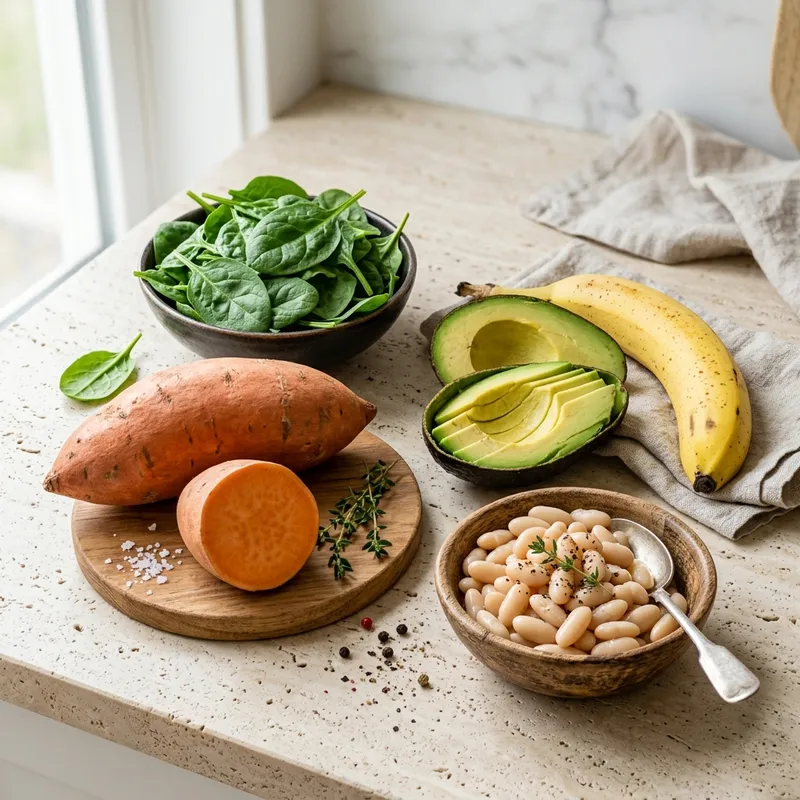
| Fresh Spinach | 79 mg | 558 mg | Highly Recommended | High potassium acts as vasodilator |
| Sweet Potato | 55 mg | 337 mg | Highly Recommended | Excellent mineral balance without added salt |
| White Beans (Cooked) | 6 mg | 561 mg | Highly Recommended | Extremely high potassium-to-sodium ratio |
| Canned Vegetables | 235 mg to 390 mg | 90 mg to 120 mg | Avoid (unless no-salt-added) | High sodium preservation fluids increase blood volume |
| Processed Meats | 850 mg to 1200 mg | 150 mg | Strictly Avoid | High sodium levels promote arterial stiffening |
| Cottage Cheese | 364 mg | 104 mg | Limit | Higher sodium content than fresh soft cheeses |
5. The 7-Day DASH Diet Kitchen Action Checklist
Setting up your kitchen for low-sodium success is crucial for long-term compliance. Follow this checklist to organize your kitchen and support your heart health:
- Verify Canned Goods: Check labels and select only "No Salt Added" or "Low Sodium" versions of beans and tomatoes. Rinse canned foods to reduce sodium by up to 40 percent.
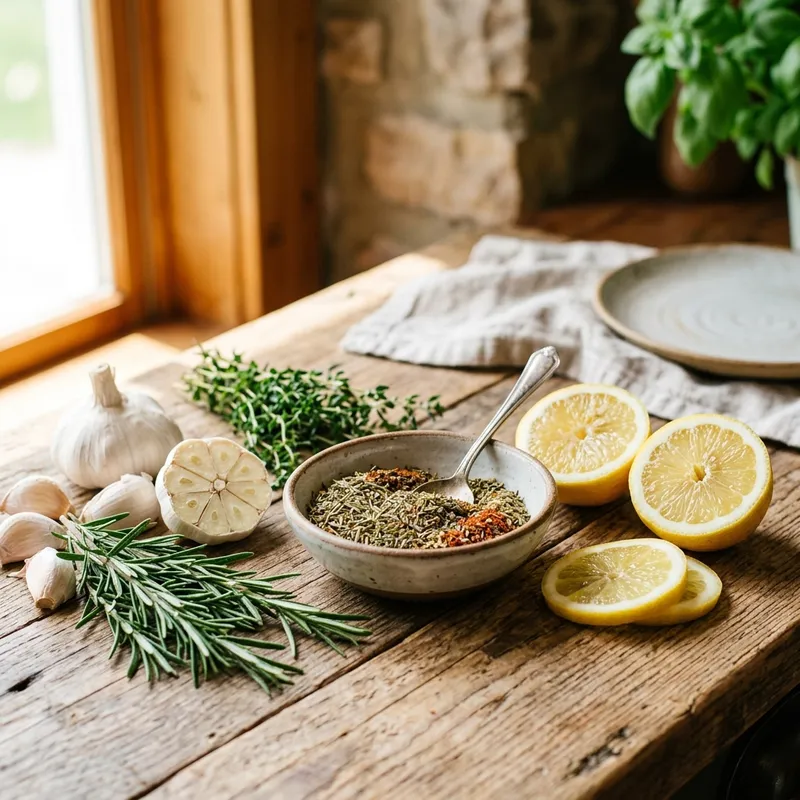
- Replace the Salt Shaker: Move the salt shaker to the pantry, replacing it on the counter with a pepper mill, lemon wedges, and fresh garlic.
- Scale Up Potassium: Include at least two servings of potassium-rich foods (such as spinach, avocado, or sweet potato) in your daily meals.
- Audit Seasoning Blends: Check spice bottle labels. Avoid blends that list salt or sodium chloride as the first ingredient, choosing pure herbs instead.
- Monitor Hydration: Drink at least 8 to 10 glasses of fresh water daily to support kidney function and help clear excess sodium from your body.
- Read Bread Labels: Check packaged bread labels, as commercial breads are a major hidden source of dietary sodium. Choose lower-sodium options.
- Cook Meals at Home: Avoid restaurant and takeout meals during your first week, as restaurant food is heavily salted for preservation and flavor.
6. Clinical Frequently Asked Questions
Why is sodium restriction important for blood pressure control?
Excessive sodium draws water into the vascular space, increasing circulating blood volume and raising cardiac output. Sodium also reduces the availability of nitric oxide in blood vessels, promoting vasoconstriction and increasing total peripheral resistance, both of which raise blood pressure.
How does dietary potassium help lower blood pressure?
Potassium stimulates the sodium-potassium ATPase pump in vascular smooth muscle cells, promoting hyperpolarization and vasodilation of blood vessels. Potassium also works in the kidneys to increase sodium excretion, helping to lower total fluid volume in the bloodstream.
What is the difference between standard and low-sodium DASH limits?
The standard DASH diet limits daily sodium intake to 2300 milligrams, which is the maximum safe level for healthy adults. The low-sodium DASH diet restricts intake to 1500 milligrams daily, which is recommended for individuals with diagnosed hypertension or high cardiovascular risk.
Are sea salt and pink Himalayan salt healthier than table salt?
No. By weight, sea salt, pink Himalayan salt, and standard table salt contain approximately the same amount of sodium chloride (roughly 40 percent sodium). The body processes the sodium in gourmet salts in the exact same way as table salt, meaning they pose identical cardiovascular risks.
How long does it take for sodium restriction to show results?
Clinical studies show that reducing sodium intake can begin to lower blood pressure within 1 to 2 weeks. Consistent adherence to low-sodium diet protocols yields the greatest improvements in arterial compliance and vascular health over a period of 4 to 12 weeks.
7. Educational Video Resources
To deepen your understanding of how sodium affects hypertension and cardiovascular pathways, watch these educational video guides from leading clinical institutions and medical professionals.
Mayo Clinic: What is High Blood Pressure?
Mayo Clinic experts explain the physiological mechanisms of hypertension and how it impacts long-term arterial health.
Mayo Clinic: Understanding Blood Pressure Ranges
A clinical breakdown of systolic and diastolic readings, vascular resistance, and healthy heart targets from Mayo Clinic.
8. Clinical Sources and References
- American Heart Association (AHA): Shaking the Salt Habit to Lower High Blood Pressure. AHA Official Portal.
- American College of Cardiology (ACC): Guidelines for the Prevention, Detection, Evaluation, and Management of High Blood Pressure. ACC Official Portal.
- National Institutes of Health (NIH): Description of the DASH Eating Plan and Clinical Study Results. NIH NHLBI Portal.
- Appel, L. J., et al. (1997): A Clinical Trial of the Effects of Dietary Patterns on Blood Pressure. New England Journal of Medicine, 336(16), 1117-1124.
Medical Review Disclaimer: The nutritional guidelines, sodium limits, and recipes outlined in this article are for general educational purposes and represent standard cardiovascular dietary benchmarks. Individual blood pressure targets and diet plans must be established under medical supervision by a qualified healthcare professional. Do not modify medication plans or sodium restrictions without consulting your physician. For additional details, see our complete Medical Disclaimer.