
Medically reviewed by: Health is Heaven Medical Review Board | Published by Ganesh G Kamble, Health is Heaven | Published: April 11, 2026 · Last updated: June 2, 2026
The ketogenic diet is a highly structured, low-carbohydrate, lipid-dominant nutritional protocol that shifts human cellular metabolism away from glucose dependency toward fatty acid oxidation and hepatic ketone synthesis. While widely popularized in modern culture as a rapid intervention for weight loss, the ketogenic diet has a robust clinical history dating back to the 1920s, when it was engineered at the Mayo Clinic as an alternative treatment for drug-resistant pediatric epilepsy. Under strict clinical supervision, this metabolic reprogramming has demonstrated significant utility in correcting glycemic imbalances, restoring peripheral insulin sensitivity, suppressing systemic inflammatory cascades, and optimizing cardiorespiratory efficiency through cellular mitochondrial adaptations.
Adopting a ketogenic protocol is not a casual dietary modification. It is a precise biochemical reconfiguration that requires an absolute commitment to metabolic mechanics, daily electrolyte balancing, and strict nutritional tracking. This comprehensive clinical guide explores the fundamental science of ketosis, the essential mathematical matrices required to sustain lipid-driven energy pathways, step-by-step initiation guidelines, and evidence-based strategies to bypass common physiological transition obstacles.
Biochemical Foundations of Metabolic Ketosis
To successfully initiate and sustain ketosis, one must understand the cellular energy transition that occurs when systemic glucose availability is deliberately restricted. Under standard nutritional patterns, the human body relies primarily on glycolysis: the enzymatic breakdown of glucose to generate adenosine triphosphate (ATP), the primary energy currency of cells. Dietary carbohydrates are converted into glucose, and any excess is stored in the liver and skeletal muscles as glycogen. The liver stores approximately 70 to 100 grams of glycogen, while skeletal muscle houses between 300 and 400 grams, depending on muscle mass and conditioning.
SPONSORED CONTENT
When daily net carbohydrate intake is restricted to less than 25 grams, the body quickly depletes its liver glycogen reserves, usually within 24 to 48 hours of strict deprivation. As circulating blood glucose levels decline, the pancreas suppresses insulin secretion and elevates the release of glucagon. This hormonal shift triggers systemic lipolysis: the mobilization of stored triacylglycerols from adipose tissue into free fatty acids (FFAs) and glycerol. These free fatty acids enter the circulatory system and are transported to the liver for metabolic processing.
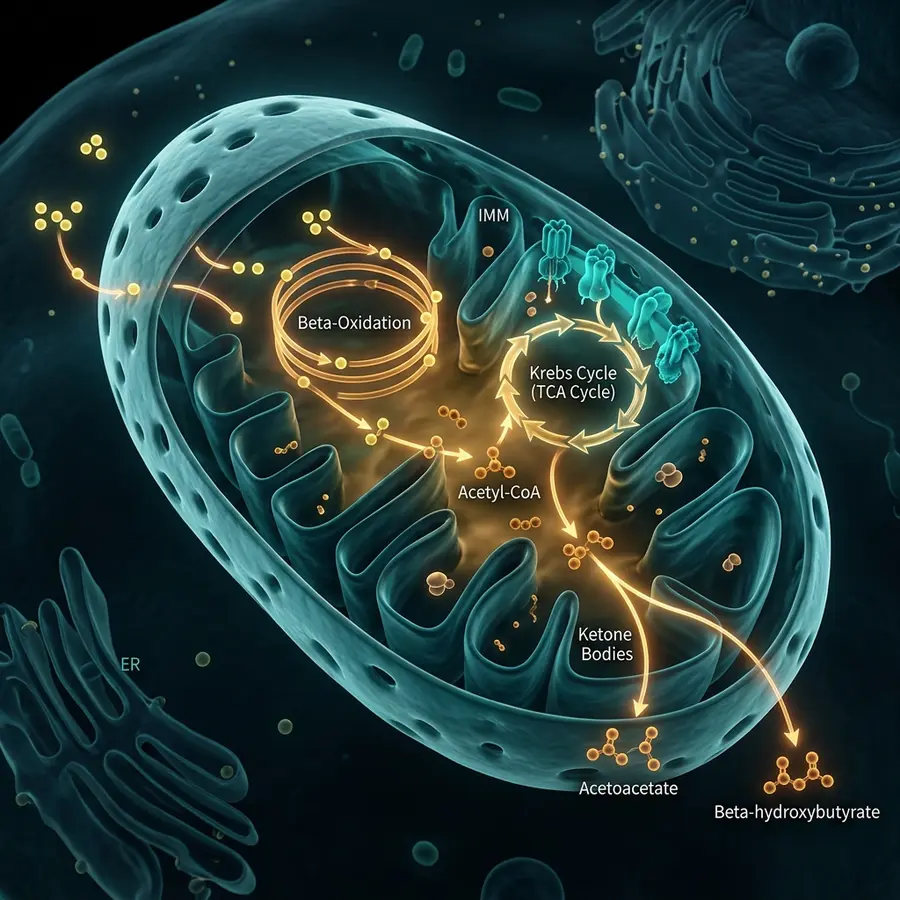
Once inside hepatic cells, fatty acids undergo a multi-step mitochondrial breakdown process known as beta-oxidation. Under normal carbohydrate-rich conditions, the entry of fatty acids into the mitochondria is regulated by malonyl-CoA, a key intermediate in fatty acid synthesis that inhibits the enzyme carnitine palmitoyltransferase-1 (CPT-1). As insulin drops and glucagon rises during carbohydrate restriction, malonyl-CoA levels plummet, lifting the inhibition on CPT-1. This allows free fatty acids to flood into the mitochondrial matrix, where they are sequentially oxidized into acetyl-CoA molecules.
Under standard metabolic states, acetyl-CoA combines with oxaloacetate to enter the citric acid cycle (TCA cycle) for ATP production. However, during glycogen depletion, oxaloacetate is diverted toward gluconeogenesis to maintain basal blood glucose levels for glucose-dependent tissues like red blood cells. This leaves an excess of acetyl-CoA in the liver. The liver mitochondria redirect this surplus acetyl-CoA into ketogenesis, synthesizing three distinct organic molecules known collectively as ketone bodies:
- Acetoacetate (AcAc): The initial ketone body synthesized from two molecules of acetyl-CoA. A portion of acetoacetate is excreted in the urine, while the majority is converted into beta-hydroxybutyrate or spontaneously decarboxylates into acetone.
- Beta-Hydroxybutyrate (BHB): Synthesized via the reduction of acetoacetate by the enzyme D-beta-hydroxybutyrate dehydrogenase. BHB is the most stable and abundant ketone body in the circulation, serving as the primary fuel source for peripheral tissues and the central nervous system.
- Acetone: A volatile byproduct created by the spontaneous non-enzymatic decarboxylation of acetoacetate. Due to its high volatility, acetone is not used as fuel; instead, it is eliminated through the lungs and kidneys, giving rise to the characteristic sweet or fruity breath associated with early ketosis.
Ketone bodies exit the liver via monocarboxylate transporters (MCTs) and circulate to extrahepatic tissues, including cardiac muscle, skeletal muscle, and the brain. Because ketones can readily cross the blood-brain barrier via MCT1 and MCT2 transporters, they provide a highly efficient alternative fuel for the central nervous system, which normally relies on glucose. In peripheral tissues, BHB is converted back into acetoacetate, then into acetoacetyl-CoA by the tissue-specific enzyme succinyl-CoA:3-ketoacid CoA-transferase (SCOT), and finally split back into two molecules of acetyl-CoA. These acetyl-CoA molecules enter the TCA cycle locally, generating abundant ATP via oxidative phosphorylation.
The Macronutrient Matrix: Calibrating Your Metabolic Ratios
Achieving nutritional ketosis requires precise mathematical calibration of daily macronutrient intake. Relying on guesswork often leads to metabolic stagnation, where insulin remains too high to allow liver glycogen depletion, or protein intake is elevated enough to stimulate gluconeogenesis to a degree that limits ketone production. To establish your starting metrics, you should utilize the clinical Keto Macros Calculator, which calculates your personalized energetic limits based on basal metabolic rate, physical activity coefficient, and specific health objectives.

A standard clinical ketogenic protocol is structured around specific caloric percentages: approximately 70 to 75 percent of daily energy from high-quality lipids, 20 to 25 percent from bioavailable proteins, and 5 to 10 percent from net carbohydrates. For therapeutic interventions, such as pediatric epilepsy management, clinical protocols are even more aggressive, employing a 4:1 or 3:1 lipid-to-non-lipid mass ratio, where up to 90 percent of calories are derived from fat. For general metabolic restoration and weight management, the standard matrix is highly effective. Let us examine the three components of this nutritional equation:
1. The Carbohydrate Ceiling: Under 25g Net Daily
Carbohydrate restriction is the absolute physiological gatekeeper of ketosis. To prevent the pancreas from secreting insulin and signaling the liver to store glycogen, total daily carbohydrate intake must remain below a hard ceiling of 20 to 25 net grams. Net carbohydrates are calculated by subtracting non-digestible dietary fibers and specific sugar alcohols from the total carbohydrate mass. Consuming high-glycemic carbohydrates (such as bread, rice, pasta, cereal, sugar, and most fruits) causes an immediate rise in blood glucose, provoking an insulin spike that halts hepatic ketogenesis and locks fat stores for up to 24 hours.
2. The Protein Calibration: 20% to 25% of Energy
Protein is critical for preserving skeletal muscle tissue, maintaining enzymatic function, and supporting cellular repair. However, protein intake must be carefully calibrated. Consuming excessive protein relative to your body's physiological requirements can trigger gluconeogenesis (GNG), a metabolic pathway where the liver converts excess amino acids (specifically glucogenic amino acids like alanine and glutamine) into glucose. While GNG is a demand-driven process necessary to supply glucose to vital tissues like red blood cells, excessive protein intake can elevate basal insulin levels, suppressing hepatic ketone synthesis. Your daily protein target should range between 0.8 and 1.2 grams per pound of lean body mass, ensuring adequate muscle preservation without metabolic disruption.
3. The Lipid Foundation: 70% to 75% of Energy
Under a ketogenic protocol, dietary fat is not merely an energy source; it is the primary driver of satiety, hormonal synthesis, and metabolic adaptation. Fats must supply the bulk of daily caloric intake. However, the quality of these lipids is of paramount clinical importance. The diet should be anchored by unrefined, single-ingredient fats rich in monounsaturated and saturated fatty acids. Examples include extra virgin olive oil, cold-pressed avocado oil, grass-fed butter, ghee, coconut oil, wild-caught salmon, and avocados. Conversely, highly processed, industrial seed oils (such as canola, corn, soybean, safflower, and sunflower oils) must be strictly eliminated. These refined oils are rich in omega-6 polyunsaturated fatty acids, which are highly susceptible to lipid peroxidation and can induce systemic mitochondrial stress and vascular endothelial inflammation.
10 Science-Backed Clinical Benefits of Ketogenic Adaptation
Transitioning into a sustained state of nutritional ketosis triggers comprehensive physiological adaptations that extend far beyond simple calorie restriction. Peer-reviewed clinical literature has documented numerous systemic benefits resulting from this metabolic shift:
1. Glycemic Control and Insulin Sensitivity
By eliminating high-glycemic carbohydrates, the ketogenic diet minimizes postprandial blood glucose excursions and reduces the demand for pancreatic insulin secretion. Over time, this down-regulation of insulin levels permits the restoration of peripheral insulin sensitivity. Clinical studies published in journals such as Diabetes Therapy demonstrate that patients with type 2 diabetes undergoing supervised ketogenic protocols experience significant reductions in glycated hemoglobin (HbA1c), often allowing for a structured reduction or complete discontinuation of exogenous insulin and oral hypoglycemic medications under medical supervision.
2. Adipose Tissue Mobilization and Visceral Fat Loss
Low levels of circulating insulin lift the physiological inhibition on hormone-sensitive lipase (HSL), the primary enzyme responsible for mobilizing fatty acids from adipose tissue. Consequently, the body is able to easily access and oxidize stored body fat. Clinical trials comparing low-carbohydrate protocols with traditional low-fat, calorie-restricted diets show that ketogenic diets lead to greater overall fat loss, particularly from visceral fat deposits. Visceral fat, which accumulates around abdominal organs, is highly immunologically active and a primary driver of systemic cardiovascular risk; reducing it is a major clinical milestone.
3. Neurological Protection and Cognitive Clarity
Ketone bodies, particularly beta-hydroxybutyrate (BHB), are highly efficient fuels for cerebral metabolism. Unlike glucose, which requires insulin-dependent transport, BHB readily enters neurons via monocarboxylate transporters. Inside brain cells, ketones increase the production of adenosine triphosphate (ATP) while reducing the generation of reactive oxygen species (ROS). Furthermore, BHB stimulates the expression of Brain-Derived Neurotrophic Factor (BDNF), a protein that supports neuronal survival and synaptic plasticity. Many individuals report improved focus, eliminated brain fog, and enhanced cognitive stamina within two to three weeks of adapting to ketosis.
4. Appetite Regulation and Satiety Signaling
One of the primary challenges of long-term weight management is the elevation of hunger hormones that occurs during traditional calorie restriction. The ketogenic diet naturally suppresses appetite by modulating key satiety signals. High levels of circulating ketones directly suppress the secretion of ghrelin, the primary hormone responsible for triggering hunger. Concurrently, the intake of dietary lipids and proteins stimulates the release of cholecystokinin (CCK) and peptide YY (PYY) in the gastrointestinal tract, signaling robust, long-lasting fullness to the brain's satiety centers.
5. Sustained Cardiorespiratory Efficiency
During steady-state aerobic exercise, the human body typically relies on a combination of muscle glycogen and fatty acids. However, glycogen stores are finite, leading to the phenomenon of hitting the wall once they are depleted. By adapting the skeletal muscles to utilize lipids as their primary fuel, a ketogenic protocol allows athletes to tap into virtually unlimited adipose tissue energy reserves. Research in sports medicine indicates that keto-adapted endurance athletes can maintain high rates of fat oxidation at elevated exercise intensities, sparing valuable muscle glycogen for terminal bursts and preserving consistent cardiovascular power output.
6. Suppression of Systemic Inflammatory Cascades
Chronic low-grade inflammation is a fundamental driver of metabolic syndrome, cardiovascular disease, and autoimmune conditions. Beta-hydroxybutyrate (BHB) acts as a highly effective endogenous signaling molecule that directly blocks the NLRP3 inflammasome, a multi-protein complex responsible for launching the inflammatory cascade and secreting pro-inflammatory cytokines like interleukin-1 beta (IL-1b) and interleukin-18 (IL-18). By inhibiting this pathway, ketosis helps lower marker levels of C-reactive protein (CRP) and systemic oxidative stress throughout the body.
7. Autophagy Induction and Cellular Repair
Autophagy is the body's essential cellular recycling system, where damaged organelles, misfolded proteins, and intracellular pathogens are degraded and cleared. The primary trigger for autophagy is nutrient deprivation, which suppresses the mammalian target of rapamycin (mTOR) pathway and activates adenosine monophosphate-activated protein kinase (AMPK). By strictly limiting carbohydrates and maintaining low insulin levels, the ketogenic diet simulates many of the metabolic pathways of fasting, promoting systemic autophagy and supporting cellular regeneration without requiring prolonged absolute caloric deprivation.
8. Vascular Endothelial Integrity and Blood Pressure Balance
Initiating a low-carbohydrate protocol causes a rapid reduction in circulating insulin, which directly impacts renal function. High insulin levels signal the kidneys to reabsorb sodium and water; when insulin falls, the kidneys excrete these excess elements in a process known as natriuresis of fasting. This fluid excretion reduces overall blood volume, which, combined with the reduction in systemic vascular inflammation, helps normalize blood pressure in individuals with pre-existing hypertension.
9. Mitochondrial Density and Efficiency
Ketogenic adaptation stimulates mitochondrial biogenesis: the creation of new mitochondria within cells. By upregulating genes associated with mitochondrial function and cellular respiration (such as PGC-1alpha), ketosis increases the overall density and efficiency of energy-producing units in skeletal muscle, cardiac tissue, and neurons. This mitochondrial enhancement improves metabolic resilience, allowing cells to produce more energy per unit of oxygen consumed.
10. Skin Barrier and Sebum Regulation
Dietary patterns high in refined carbohydrates trigger rapid spikes in insulin and Insulin-like Growth Factor 1 (IGF-1). High levels of IGF-1 stimulate sebaceous gland hyper-proliferation and elevate sebum production, which can contribute to the development of acne vulgaris. By stabilizing blood glucose and minimizing IGF-1 signaling, a clinical ketogenic protocol helps normalize sebum production and supports skin barrier function, often reducing inflammatory skin lesions.
Defeating the System Crash: The Physiological Mechanics of the Keto Flu
Despite the long-term benefits of ketosis, many individuals struggle during the initial transition phase, experiencing a cluster of temporary symptoms commonly referred to as the Keto Flu. These symptoms, which typically emerge between Day 3 and Day 7, include persistent tension headaches, muscle cramping, profound fatigue, cognitive lethargy, dizziness, and mild nausea. Bypassing this transitional hurdle requires understanding the precise physiological shifts occurring within your body.
As you restrict carbohydrates, your body depletes its stored glycogen. Because every gram of glycogen is chemically bound to three to four grams of water, glycogen depletion results in a rapid release and excretion of cellular water. Concurrently, the sharp drop in circulating insulin prompts your kidneys to excrete massive volumes of essential sodium. This rapid loss of fluids and key electrolytes decreases blood volume, causing postural hypotension (dizziness upon standing) and headaches as the body works to stabilize blood pressure. Additionally, muscle tissue can experience cramping due to localized potassium and magnesium depletion.

To prevent or mitigate these symptoms, you must implement a structured, daily electrolyte replenishment protocol. Relying on commercial sports drinks is ineffective, as they are typically low in active electrolytes and often contain hidden sugars. Instead, focus on meeting specific daily target amounts using whole food sources and high-quality mineral supplements:
Clinical Electrolyte Replenishment Protocols
| Electrolyte | Daily Target Range | Physiological Role | Best Clinical Food & Supplement Sources |
|---|---|---|---|
| Sodium (Na+) | 3,000 to 5,000 mg | Maintains osmotic pressure, blood volume, and resting membrane potential in nerves and muscles. | High-quality sea salt or pink Himalayan salt added to meals; clean bone broth; organic pickles. |
| Potassium (K+) | 2,000 to 3,500 mg | Regulates intracellular fluid balance, supports cardiac rhythm, and prevents skeletal muscle cramps. | Avocados, dark leafy greens (spinach, Swiss chard), mushrooms, wild salmon, safe potassium citrate supplements. |
| Magnesium (Mg2+) | 300 to 450 mg | Supports mitochondrial ATP synthesis, muscle relaxation, neurotransmitter regulation, and sleep quality. | Magnesium glycinate or magnesium malate supplements taken before bed. (Avoid magnesium oxide due to poor absorption). |
Maintaining adequate hydration is equally critical. You should target a minimum of 100 ounces (approximately 3 liters) of filtered water daily, sipping consistently throughout the day. To support cardiovascular adaptation, add a pinch of high-quality mineral salt to your drinking water, ensuring your kidneys have the sodium necessary to maintain optimal vascular pressure.
Clinical Protocols, Contraindications, and Safety Parameters
While the ketogenic diet is a highly effective metabolic therapy, it is a powerful biological intervention that is not suitable for everyone. Before initiating a low-carbohydrate protocol, you must review the primary medical contraindications to ensure cellular safety:
Absolute Contraindications
Individuals with specific genetic or enzymatic mutations must strictly avoid the ketogenic diet. These conditions include primary carnitine deficiency, carnitine palmitoyltransferase deficiency (CPT-I or CPT-II), carnitine translocase deficiency, fatty acid oxidation defects (such as MCAD or LCAD mutations), pyruvate carboxylase deficiency, and porphyria. In these states, the body is biochemically unable to transport or oxidize lipids inside the mitochondria, making fat-adaptation impossible and posing a severe risk of metabolic crisis.
Type 1 Diabetes and Diabetic Ketoacidosis (DKA) Risk
For individuals with Type 1 diabetes, the ketogenic diet requires strict, specialist medical supervision. In the absolute absence of endogenous insulin, a high rate of ketone production can escalate unchecked, leading to Diabetic Ketoacidosis (DKA). DKA is a life-threatening medical emergency characterized by extreme blood ketone concentrations (often exceeding 10.0 to 15.0 mmol/L) and a severe drop in blood pH. Nutritional ketosis, by contrast, is a self-regulating physiological state where blood ketones remain safely between 0.5 and 3.0 mmol/L, governed by basic feedback loops. However, individuals with compromised insulin production must exercise extreme caution.
Renal, Hepatic, and Gallbladder Considerations
Because the liver is the sole site of ketogenesis and the kidneys process the increased nitrogenous waste and fluid shifts, individuals with pre-existing hepatic failure or chronic kidney disease (stages 3 to 5) must avoid high-fat protocols unless specifically prescribed by a medical specialist. Furthermore, individuals with active gallbladder disease, biliary tract obstruction, or those who have undergone a recent cholecystectomy (gallbladder removal) may struggle to digest high-fat meals due to impaired bile flow. For post-cholecystectomy patients, fats should be introduced gradually in smaller, frequent meals, utilizing supplemental lipase and bile salts under guidance if necessary.
Self-Tracking Transition Checklist & Daily Monitoring Guide
Successfully transitioning into nutritional ketosis requires consistent tracking of key biometric indicators. To support your adaptation phase, follow this daily self-tracking checklist during the first 14 days of your protocol:
- Carbohydrate Limit Check: Verify that your total daily intake of net carbohydrates has remained below your personalized ceiling of 20 to 25 grams. Track all meals using a trusted nutritional database to identify hidden sugars in commercial dressings and sauces.
- Ketone Measurement: Measure your blood beta-hydroxybutyrate (BHB) levels using a clinical-grade blood ketone meter. Standard target ranges are:
- 0.0 to 0.4 mmol/L: Standard non-ketotic state.
- 0.5 to 1.5 mmol/L: Light nutritional ketosis (optimal for basic fat loss and metabolic transition).
- 1.6 to 3.0 mmol/L: Deep nutritional ketosis (optimal for cognitive enhancement and therapeutic support).
- Over 3.0 mmol/L: Elevated ketosis (generally unnecessary for weight management; consult a physician if levels remain high).
- Daily Hydration Target: Confirm that you have consumed a minimum of 100 ounces (3 liters) of filtered water. Ensure you have added high-quality mineral salt to your meals or water to offset renal sodium excretion.
- Electrolyte Supplementation: Verify that you have met your daily targets for potassium and magnesium. Check that you are taking a highly bioavailable magnesium supplement (such as glycinate or malate) before bed to support muscle relaxation and sleep.
- Resting Heart Rate (RHR) Monitoring: Monitor your resting heart rate. A temporary increase in RHR can occur during early hydration shifts; if this happens, increase your sodium and water intake to support blood volume.
- Sleep Duration and Quality: Ensure you are achieving a minimum of 7 to 8 hours of restorative sleep nightly. Adequate sleep is crucial for minimizing cortisol spikes, which can elevate blood glucose and temporarily disrupt ketone production.
Ketogenic Foods Matrix: What to Consume and What to Eliminate
Structuring your daily meals requires clear knowledge of which foods support hepatic ketogenesis and which will disrupt your metabolic progress. Use this comprehensive food matrix to guide your selections:
1. Foods to Consume Liberally (Metabolic Foundation)
These lipid-rich, nutrient-dense foods should form the basis of your daily dietary intake:
- Healthy Lipids: Extra virgin olive oil, cold-pressed avocado oil, unrefined coconut oil, grass-fed butter, ghee, and avocados.
- Clinical Protein Sources: Wild-caught salmon, mackerel, sardines, grass-fed beef (particularly ribeye and ground beef), pasture-raised eggs, organic chicken thighs (with skin), pork loin, and lamb.
- Non-Starchy Vegetables: Organic spinach, kale, Swiss chard, arugula, broccoli, cauliflower, Brussels sprouts, asparagus, zucchini, celery, and cucumbers.
- Nuts and Seeds (in moderation): Macadamia nuts, pecans, walnuts, chia seeds, flaxseeds, and pumpkin seeds.
2. Foods to Eliminate Completely (Metabolic Disruptors)
These high-glycemic foods must be strictly avoided to prevent insulin spikes and sustain ketosis:
- Grains and Starches: Bread, wheat, rice, barley, oats, quinoa, corn, pasta, pizza crust, and all flour-based products.
- High-Glycemic Sugars: Cane sugar, high-fructose corn syrup, honey, maple syrup, agave nectar, coconut sugar, and maltodextrin.
- Root Vegetables: Potatoes, sweet potatoes, yams, carrots, parsnips, beets, and radishes.
- High-Sugar Fruits: Bananas, apples, grapes, mangoes, pineapples, oranges, pears, and all dried fruits.
- Processed Industrial Lipids: Canola oil, soybean oil, corn oil, cottonseed oil, safflower oil, sunflower oil, margarine, and hydrogenated trans fats.
- Sweetened Beverages: Commercial sodas, sweetened fruit juices, energy drinks, sweetened coffees, and commercial sweet teas.
Frequently Asked Questions
How long does it take to enter ketosis?
The timeline for entering ketosis varies based on metabolic rate, physical activity, and initial glycogen levels. Under strict carbohydrate restriction (under 25g net daily), most individuals enter light nutritional ketosis within 48 to 72 hours. Highly active individuals who deplete glycogen rapidly may enter ketosis in less than 36 hours, while sedentary individuals with high baseline insulin levels may require up to 5 to 7 days of consistent carbohydrate restriction.
Is keto safe for long-term health?
Research suggests that well-formulated ketogenic diets are safe and highly effective for up to 12 to 24 months, particularly for reversing type 2 diabetes markers and supporting weight loss. For long-term maintenance, some individuals transition to a targeted or cyclical ketogenic protocol, incorporating periodic healthy carbohydrate feeds. Regular lipid panels, kidney function tests, and liver enzyme assessments are recommended for anyone undertaking long-term metabolic therapy.
What causes the metallic or sweet taste in my mouth?
This characteristic sensation is caused by the synthesis of acetone, one of the three primary ketone bodies. Unlike acetoacetate and beta-hydroxybutyrate, which are used as fuel, acetone is a volatile byproduct excreted through the lungs and sweat glands. This breath odor is a reliable sign of early ketosis and typically fades within three to four weeks as the body's tissues adapt to utilizing ketones more efficiently.
Can I build muscle on a ketogenic diet?
Yes, muscle building (hypertrophy) is fully achievable on a ketogenic diet. While insulin is an anabolic hormone, adequate dietary protein (0.8 to 1.2g per pound of lean mass) combined with progressive resistance training provides the stimulus needed to build muscle. Additionally, ketones exert a protein-sparing effect, preventing muscle tissue breakdown during periods of exercise or caloric deficits.
What should I do if my ketone levels are too low?
If blood ketones remain below 0.5 mmol/L, review your daily intake for hidden carbohydrates, which are common in pre-packaged foods, salad dressings, and specific dairy products. Additionally, verify that your protein intake is calibrated correctly and not excessively high. Utilizing the Keto Macros Calculator can help clarify your daily limits and support successful ketone synthesis.
Medical Disclaimer: This article is for informational and educational purposes only and does not constitute medical advice, diagnosis, or treatment. Always consult a qualified healthcare provider or metabolic specialist before initiating any major dietary modification or low-carbohydrate protocol, especially if you have pre-existing medical conditions or are taking prescription medications. See our full Medical Disclaimer and Editorial Policy.

Ganesh G Kamble
Ganesh G Kamble is the founder and editor of Health is Heaven. He spent 14 years as a techno-functional consultant on enterprise ERP systems in Bangalore before turning his attention to health publishing. His background is technical, not clinical, and he is not a medical professional. He started Health is Heaven because most online health information is either too vague to act on, too technical to understand, or too commercial to trust. The site's mission is to provide clear, evidence-based answers to common health questions, with sources you can verify, alongside free interactive calculators built using standard medical formulas published by recognised authorities including the World Health Organization, the U.S. Centers for Disease Control and Prevention, the American Heart Association, the American Diabetes Association, and the National Institutes of Health. Every article is reviewed against authoritative sources before publishing, dated with both publish and last-updated timestamps, and clearly marked as informational only when covering medical topics. Articles dealing with diagnosis, treatment, or medication recommend speaking with a qualified healthcare provider. The site does not accept paid placements that influence editorial content; any future advertising is clearly labelled and separated from articles. Ganesh is based in Bangalore, India, and connects with readers and collaborators on LinkedIn.