
Medically reviewed by: Health is Heaven Medical Review Board | Published by Ganesh G Kamble, Health is Heaven | Published: April 13, 2026 · Last updated: May 1, 2026
Determine Your Sleep Debt and Deficit
If you wake up feeling fatigued or want to track how much sleep you have missed over the past week, use our clinically designed calculator. Enter your nightly sleep duration into the Sleep Debt Calculator to instantly measure your accumulated sleep deficit.
Open Sleep Debt Calculator →1. Keep a Consistent Sleep Schedule: Circadian Biology and the SCN
Going to bed and waking up at the same time every day, including on weekends, is one of the most powerful ways to support healthy sleep. This consistency anchors your circadian rhythm, which is the internal biological clock that coordinates physiological processes over a 24-hour cycle. The master regulator of this rhythm is the suprachiasmatic nucleus (SCN), a tiny region in the brain's hypothalamus containing about 20,000 neurons.
The SCN regulates the production of key hormones, body temperature changes, and gene expression based on the time of day. When you maintain a regular sleep schedule, the SCN coordinates the release of melatonin in the evening, preparing your body to fall asleep. If you shift your sleep schedule by sleeping in on weekends, you cause a temporary misalignment similar to jet lag, which makes it harder to fall asleep on Sunday night and leads to fatigue on Monday morning.
SPONSORED CONTENT
To support SCN coordination, try to keep your wake-up time consistent within a 30-minute window every day. If you go to bed late occasionally, it is usually better to wake up at your regular time and make up for the loss later with a short nap, rather than sleeping in and disrupting your circadian rhythm.
2. Morning Light Exposure: Retinal Signaling and Melatonin Suppression
Exposure to bright light early in the day is a key signal that sets your internal clock. When sunlight hits your eyes, it is detected by specialized cells in the retina called intrinsically photosensitive retinal ganglion cells (ipRGCs). These cells contain the light-sensitive protein melanopsin, which is highly responsive to blue light wavelengths present in natural sunlight.
When ipRGCs detect light, they send electrical signals directly to the SCN via the retinohypothalamic tract. The SCN then signals the pineal gland to stop producing melatonin, the hormone that promotes sleep. This suppression of melatonin helps you wake up and increases morning alertness. It also sets a timer for the evening, ensuring that melatonin production begins at the right time to help you fall asleep later.
Aim to get 10 to 30 minutes of natural sunlight within an hour of waking up. On clear days, 10 minutes is usually sufficient, while cloudy or overcast mornings may require 20 to 30 minutes. If you wake up before sunrise, using a high-lux light therapy box (10,000 lux) can provide a similar stabilizing effect on your circadian rhythm.
3. Avoid Bright Light in the Evening: Blue Light and Pineal Suppression
Just as morning light is essential for waking up, reducing light exposure in the evening is critical for falling asleep. Exposure to artificial light in the evening, especially the blue wavelengths emitted by smartphones, tablets, computers, and energy-efficient LED bulbs, can disrupt your sleep. Blue light penetrates the eye efficiently, stimulating melanopsin-containing cells and signaling the SCN that it is still daytime.
This light exposure suppresses melatonin release from the pineal gland, delaying the onset of sleep and reducing the amount of deep sleep you get. Studies show that using a light-emitting screen in the hours before bed can shift your circadian rhythm by up to 1.5 hours, making you feel alert when you should be winding down.
To protect your melatonin production, dim household lights and turn off bright overhead fixtures two hours before bed. Limit screen use during this time, or use blue-light filtering software and amber-tinted glasses to reduce blue light exposure. Creating a dim environment in the evening supports natural melatonin synthesis, helping your body prepare for sleep.
4. Keep Your Bedroom Cool: Hypothalamic Thermoregulation
Your body temperature naturally changes throughout the day as part of your circadian cycle. In the late afternoon, your core body temperature peaks and then begins to fall, reaching its lowest point in the early morning. This drop in core temperature is a key signal that helps initiate sleep, as it is regulated by the preoptic area of the hypothalamus.
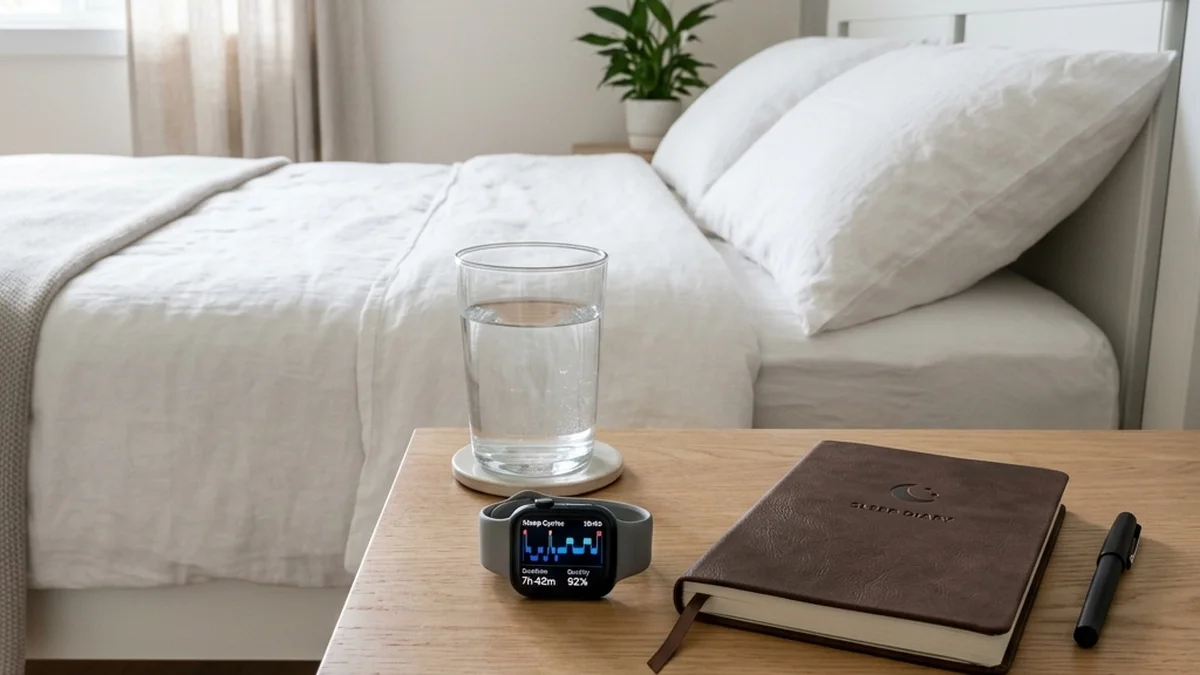
To support this drop in temperature, it is helpful to keep your bedroom cool. A room that is too warm can interfere with your body's ability to release heat, leading to restlessness and waking up during the night. Clinical research suggests that the optimal room temperature for sleep is between 60 and 67 degrees Fahrenheit (15 to 19 degrees Celsius).
If you cannot adjust your thermostat, you can support temperature regulation by using breathable cotton or linen bedding, keeping a window open, or using a fan to circulate air. Taking a warm bath or shower 90 minutes before bed can also help, as it increases blood flow to your hands and feet, allowing your core temperature to drop quickly when you get out.
5. Make the Bedroom Dark and Quiet: Minimizing Sensory Arousals
Your brain continues to process sensory information even while you sleep. Exposure to light and noise during the night can cause brief arousals, which are short bursts of brain activity that disrupt your sleep quality without fully waking you up. These disruptions can reduce the amount of deep, restorative sleep you get, leaving you feeling tired the next day.
Light entering the bedroom, such as from streetlights, electronic devices, or passing cars, can penetrate the eyelids and stimulate the SCN, suppressing melatonin and fragmenting sleep. Noise, especially sudden sounds, can activate the sympathetic nervous system, raising your heart rate and shifting you into lighter stages of sleep.
To create a quiet, dark environment, consider using blackout curtains to block outside light, or wear a comfortable eye mask. To manage noise, you can use a white noise machine or a fan to create a steady background sound, or use earplugs to block out disruptive noises.
6. Limit Caffeine After Noon: Adenosine Receptor Kinetics
To understand how caffeine affects sleep, it is helpful to look at adenosine, a chemical that builds up in the brain during the day. As you stay awake, adenosine levels rise, binding to receptors in the brain and increasing what is known as sleep pressure, which is the natural drive to sleep. During sleep, your body clears adenosine, resetting the cycle for the next day.
Caffeine works as an adenosine receptor antagonist. Because its molecular structure is similar to adenosine, it binds to these receptors without activating them, blocking adenosine from binding. This temporarily masks sleep pressure, making you feel alert. However, caffeine has a half-life of about 5 to 7 hours, and a quarter-life of up to 12 hours, meaning a significant amount remains in your system long after consumption.
To prevent caffeine from interfering with your sleep, it is best to avoid it after 12:00 PM. This cutoff gives your body enough time to clear the stimulant, allowing adenosine to bind to its receptors and support a natural transition to sleep in the evening.
7. Avoid Alcohol Close to Bedtime: Sleep Architecture Disruption
While alcohol is a sedative that can help you fall asleep faster, it has a negative impact on overall sleep quality. Alcohol disrupts your sleep architecture, which is the natural structure of sleep stages, including light sleep, deep sleep, and Rapid Eye Movement (REM) sleep. REM sleep is particularly important for cognitive processes like memory consolidation and emotional regulation.
Initially, alcohol acts as a central nervous system depressant, increasing slow-wave (deep) sleep in the first half of the night. However, as your liver metabolizes the alcohol, its sedative effects wear off, leading to a rebound effect. This metabolism can trigger mild withdrawal symptoms, increase waking, and suppress REM sleep during the second half of the night.
Furthermore, alcohol relaxes the muscles in the throat, which can worsen breathing issues like snoring and sleep apnea. To protect your sleep quality, it is best to avoid alcohol for at least 3 to 4 hours before bedtime, allowing your body to process it before you sleep.
8. Avoid Large Meals Late: Digestion and Metabolic Conflicts
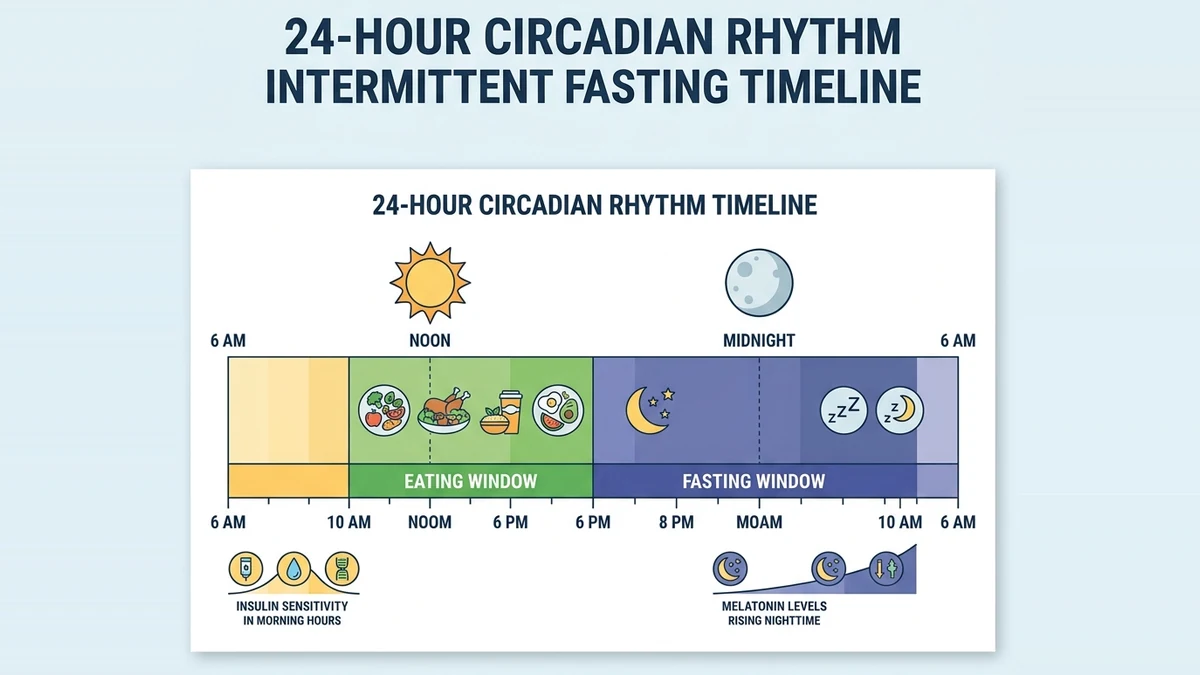
Consuming heavy meals close to bedtime can interfere with sleep quality. Digestion requires significant energy, increasing blood flow to the digestive tract and raising your metabolic rate and body temperature. This increase in temperature directly conflicts with the natural drop in core body temperature needed for deep sleep.
Additionally, lying down with a full stomach increases the risk of gastroesophageal reflux (heartburn), where stomach acid rises into the esophagus, causing discomfort that can wake you up. Late-night eating can also disrupt peripheral clocks, which are timekeeping genes in organs like the liver and pancreas, causing metabolic conflicts with the brain's master clock.
Try to finish dinner at least 2 to 3 hours before bed. If you need a snack in the evening, choose a small, light option that is easy to digest. A combination of complex carbohydrates and a small amount of protein, such as a banana with almond butter or a small bowl of oatmeal, can support sleep by providing tryptophan, an amino acid precursor to serotonin and melatonin.
9. Exercise Regularly: Adenosine Dynamics and Core Temp Post-Workout
Engaging in regular physical activity is one of the most effective lifestyle habits for improving sleep quality. Exercise increases the amount of deep slow-wave sleep you get, which is the stage where the body restores energy, repairs tissues, and supports immune function. It also helps reduce stress and anxiety, which are common causes of sleep difficulties.
At a physiological level, physical exertion increases adenosine production during the day, raising your sleep pressure and helping you fall asleep more easily in the evening. Exercise also causes a temporary increase in core body temperature, followed by a compensatory cooling period several hours later, which can help trigger sleep.
Aim for at least 30 minutes of moderate aerobic exercise most days. However, because exercise increases heart rate and body temperature, vigorous workouts within 2 hours of bedtime can be activating for some individuals. If you find late workouts interfere with your sleep, try shifting your exercise routine to earlier in the day.
10. Use the Bed Only for Sleep and Sex: Stimulus Control Conditioning
A common issue for individuals with insomnia is classical conditioning, where the brain begins to associate the bed with feelings of frustration, worry, and wakefulness rather than sleep. This association can develop when you spend long periods awake in bed, scrolling on a phone, watching TV, or worrying about not sleeping.
Stimulus control therapy, a key part of cognitive behavioral therapy for insomnia (CBT-I), aims to break this negative association. The goal is to strengthen the mental link between your bed and sleep. Under these guidelines, you should use your bed only for sleep and physical intimacy, avoiding activities like working or using screens in bed.
If you cannot fall asleep within 20 minutes of going to bed, or if you wake up and cannot fall back asleep, get out of bed and move to another room. Engage in a quiet, low-light activity like reading or listening to calm music. Avoid looking at clocks, and return to bed only when you feel sleepy, helping your brain associate the bed with rest.
11. Try a Wind-Down Routine: Parasympathetic Autonomic Shifting
Transitioning from a busy day to sleep requires a shift in your autonomic nervous system. Active daytime tasks are guided by the sympathetic branch (the fight-or-flight response), which keeps heart rate and alertness elevated. Falling asleep requires activating the parasympathetic branch (the rest-and-digest response), which slows the heart rate and relaxes muscles.
A consistent wind-down routine 30 to 60 minutes before bed helps support this autonomic shift. Engaging in calming activities signals your brain that it is safe to sleep, helping to lower cortisol and prepare the body for rest.
Your routine might include reading a physical book, practicing gentle stretching, taking a warm bath, or listening to relaxing music. The specific activities matter less than consistency, which helps your brain recognize the routine as a signal to prepare for sleep.
12. Manage Daytime Stress: Cortisol Management and Somatic Calming
High stress levels can interfere with sleep quality. Chronic stress keeps the HPA axis active, leading to elevated levels of cortisol and adrenaline. These hormones keep your heart rate and blood pressure elevated, making it difficult to fall asleep or stay asleep.
To support healthy sleep, it is helpful to address stress during the day. Practices like writing down a to-do list for the next day, journaling to process thoughts, or practicing mindfulness meditation can help manage evening worry. To manage acute stress, paced breathing exercises can help stimulate the vagus nerve and promote relaxation.
Taking a few minutes to wind down before bed can help clear mental clutter, reducing stress and helping your body transition into a restful state for sleep.
13. Optimize Naps: Managing Sleep Pressure
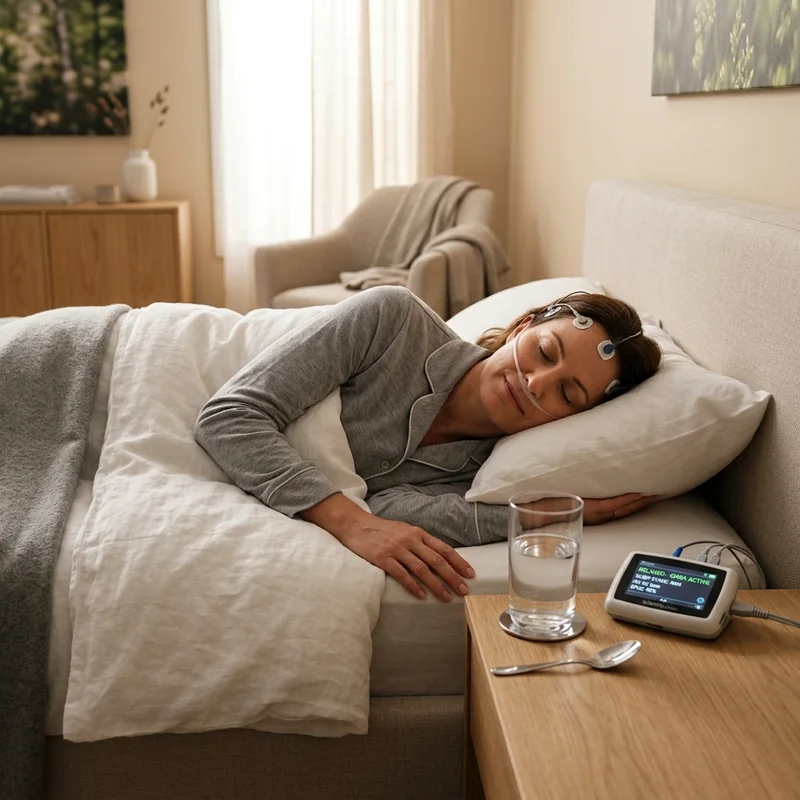
Naps can be a helpful way to recover from sleep loss, but if you struggle to fall asleep at night, they may interfere with your sleep schedule. Napping during the day clears some of the adenosine that has built up, reducing your sleep pressure and potentially making it harder to fall asleep in the evening.
If you choose to nap, keep these guidelines in mind to protect your nighttime sleep: keep naps short, typically 15 to 20 minutes, and take them before 3:00 PM. Short naps can help restore alertness without entering deep sleep stages, minimizing grogginess when you wake up.
For individuals with chronic insomnia, it is often best to avoid napping entirely. This allows sleep pressure to build up throughout the day, supporting a more natural transition to sleep at night.
14. Be Cautious With Sleep Aids: GABA Agonists and Melatonin Dosing
Many over-the-counter sleep aids contain antihistamines like diphenhydramine, which cause drowsiness but can leave you feeling groggy the next day. These aids are not recommended for long-term use, as the body can build a tolerance to them quickly.
Melatonin supplements can be helpful for specific circadian issues, such as jet lag or shift work, by signaling to the SCN that it is time to sleep. However, melatonin is not a sedative, and high doses can cause vivid dreams or daytime grogginess. Low doses of 0.5 to 3 mg taken 1 to 2 hours before bed are often sufficient to support circadian alignment.
Natural supplements like magnesium (especially L-threonate or bisglycinate) and L-theanine can also support relaxation. Magnesium helps regulate neurotransmitters like GABA to calm the nervous system, while L-theanine supports alpha brain waves associated with relaxation. Consult a healthcare provider before starting any new supplement routine.
15. Get Sunlight During the Day: Strengthening Circadian Amplitude
Your sleep quality is influenced by your total daily exposure to natural light. While morning light is crucial for setting your internal clock, spending time outdoors or near windows during the day helps strengthen your circadian amplitude, which is the difference between daytime alertness and nighttime restfulness.
Regular light exposure during the day supports serotonin production, which is a precursor to melatonin. It also helps suppress daytime melatonin, reducing fatigue and supporting natural sleep drive in the evening.
Try to spend time near windows during your workday, or take short outdoor walks during breaks to increase your daily light exposure, supporting circadian alignment and sleep quality.
16. Clinical Interventions: Comparing Behavioral, Dietary, and Medical Options
When developing a plan to improve sleep, it is helpful to compare the available options. The table below outlines common behavioral, dietary, and medical interventions, detailing their typical timeline to onset, primary mechanism, and key clinical considerations.
| Intervention | Typical Onset | Primary Mechanism | Clinical Considerations |
|---|---|---|---|
| Consistent Schedule | 1 to 2 weeks | Anchors master circadian clock in the SCN | Foundational practice; requires weekend consistency; supports overall sleep timing. |
| Morning Light Exposure | 1 to 2 weeks | Suppresses morning melatonin; sets evening timers | Free and effective; aim for 10 to 30 minutes daily; useful for managing jet lag. |
| Caffeine Restriction | 1 to 3 days | Allows adenosine to bind to brain receptors | Avoid caffeine after 12:00 PM; half-life is 5 to 7 hours; individual sensitivity varies. |
| Stimulus Control (CBT-I) | 2 to 4 weeks | Strengthens mental association between bed and sleep | Gold-standard behavioral treatment; requires getting out of bed when awake. |
| Sleep Supplements | Days | Supports neurotransmitters like GABA; relaxes muscles | Includes magnesium and L-theanine; consult a healthcare provider before use. |
17. Daily Sleep Hygiene Self-Tracking Checklist
Using a structured checklist can help you track your daily sleep habits and identify patterns in your sleep quality. Consistent tracking provides helpful information to share with your healthcare provider during checkups.
| Practice | Daily Target | Weekly Checklist (M / T / W / T / F / S / S) | Notes and Observations |
|---|---|---|---|
| Consistent Wake-Up | Same time within 30 min | [ ] [ ] [ ] [ ] [ ] [ ] [ ] | Record wake-up time and morning alertness levels. |
| Morning Sunlight | 10 to 30 minutes | [ ] [ ] [ ] [ ] [ ] [ ] [ ] | Spend time outdoors within an hour of waking up. |
| Caffeine Cutoff | Before 12:00 PM | [ ] [ ] [ ] [ ] [ ] [ ] [ ] | Note type of caffeine consumed and time of last drink. |
| Evening Dimming | 2 hours before bed | [ ] [ ] [ ] [ ] [ ] [ ] [ ] | Turn off bright lights; enable screen filters. |
| Cool Room Temp | 60 to 67 degrees F | [ ] [ ] [ ] [ ] [ ] [ ] [ ] | Record room temperature and use of breathable bedding. |
| Wind-Down Time | 30 to 60 minutes | [ ] [ ] [ ] [ ] [ ] [ ] [ ] | Note relaxation activities like reading or stretching. |
18. Clinical Frequently Asked Questions
How does sleep deprivation affect cardiovascular health and blood pressure?
Sleep deprivation affects cardiovascular health by keeping sympathetic nervous system activity elevated, which prevents the natural drop in blood pressure (nocturnal dipping) that occurs during healthy sleep. This persistent pressure can damage the lining of blood vessels, increasing the risk of hypertension, coronary artery disease, and stroke over time. Maintaining a consistent sleep schedule supports healthy blood pressure regulation.
What is the difference between slow-wave sleep and REM sleep?
Slow-wave sleep (deep sleep) and REM sleep are distinct stages of the sleep cycle. Slow-wave sleep occurs primarily in the first half of the night and is characterized by slow brain waves, during which the body repairs tissues, builds muscle, and supports immune function. REM (Rapid Eye Movement) sleep occurs mainly in the second half of the night and is characterized by active brain waves, dreaming, and muscle relaxation, supporting memory consolidation and emotional health.
How long does caffeine stay in your system, and can it cause insomnia?
Caffeine remains in your system for several hours, with a half-life of about 5 to 7 hours and a quarter-life of up to 12 hours. Consuming caffeine in the afternoon can block adenosine receptors, preventing the buildup of sleep pressure and potentially causing difficulty falling asleep. If you struggle with sleep, it is best to avoid caffeine after noon to support a natural sleep drive.
Can melatonin supplements cure chronic insomnia?
Melatonin supplements are not a cure for chronic insomnia. Melatonin is a hormone that regulates circadian timing rather than a sedative, making it most useful for issues like jet lag or shift work. For chronic insomnia, behavioral approaches like cognitive behavioral therapy for insomnia (CBT-I) are considered the gold-standard treatment, addressing the underlying habits and thoughts that disrupt sleep.
What are the signs of sleep apnea, and when should I see a doctor?
Common signs of obstructive sleep apnea (OSA) include loud snoring, gasping or choking sounds during sleep, waking up with a dry mouth or headache, and feeling excessively tired during the day despite adequate sleep. If you experience these symptoms, it is important to consult a healthcare provider for a sleep evaluation, as untreated sleep apnea is associated with cardiovascular and metabolic risks.
19. High-Authority Educational Videos
To deepen your understanding of sleep physiology and learn practical strategies for managing sleep quality, watch these educational video guides from leading clinical resources.
Mayo Clinic: Tips for Better Sleep
An educational overview from the Mayo Clinic outlining practical lifestyle and environmental adjustments to optimize sleep quality and address insomnia.
Huberman Lab: Master Your Sleep Protocol
Dr. Andrew Huberman explains the neurological basis of sleep and outlines behavioral tools, light timing, and temperature settings to improve sleep depth.
20. Clinical Sources and References
- Centers for Disease Control and Prevention (CDC): Sleep and Sleep Disorders. CDC Sleep Resources.
- National Sleep Foundation: Healthy Sleep Guidelines. National Sleep Foundation Tips.
- American Academy of Sleep Medicine (AASM): Clinical Practice Guidelines. AASM Clinical Guidelines.
- National Heart, Lung, and Blood Institute (NHLBI): Sleep Deprivation and Deficiency. NHLBI Sleep Deprivation Info.
- Spielman, A. J., et al. (1987): Treatment of chronic insomnia by restriction of time in bed. Sleep, 10(1), 45-56.
- Zeitzer, J. M., et al. (2000): Sensitivity of the human circadian pacemaker to nocturnal light: melatonin phase resetting and suppression. Journal of Physiology, 526(3), 695-702.
Medical Review Disclaimer: The sleep hygiene protocols and behavioral recommendations in this article are for general educational purposes and represent standard evidence-based practices. If you suffer from chronic insomnia, severe daytime fatigue, or suspected sleep apnea, please consult a qualified primary care provider or sleep specialist. For additional details, see our complete Medical Disclaimer.

Ganesh G Kamble
Ganesh G Kamble is the founder and editor of Health is Heaven. He spent 14 years as a techno-functional consultant on enterprise ERP systems in Bangalore before turning his attention to health publishing. His background is technical, not clinical, and he is not a medical professional. He started Health is Heaven because most online health information is either too vague to act on, too technical to understand, or too commercial to trust. The site's mission is to provide clear, evidence-based answers to common health questions, with sources you can verify, alongside free interactive calculators built using standard medical formulas published by recognised authorities including the World Health Organization, the U.S. Centers for Disease Control and Prevention, the American Heart Association, the American Diabetes Association, and the National Institutes of Health. Every article is reviewed against authoritative sources before publishing, dated with both publish and last-updated timestamps, and clearly marked as informational only when covering medical topics. Articles dealing with diagnosis, treatment, or medication recommend speaking with a qualified healthcare provider. The site does not accept paid placements that influence editorial content; any future advertising is clearly labelled and separated from articles. Ganesh is based in Bangalore, India, and connects with readers and collaborators on LinkedIn.