
Medically reviewed by: Health is Heaven Medical Review Board | Published by Ganesh G Kamble, Health is Heaven | Published: April 19, 2026 · Last updated: June 18, 2026
The therapeutic paradigm of clinical weight management has been fundamentally rewritten over the past thirty-six months. Clinical medicine has moved past the era of amphetamine-derived central nervous system stimulants, which carried substantial cardiovascular risks and poor long-term efficacy. Instead, a new era of metabolic engineering has emerged, targeting the endocrine pathways that regulate appetite, energy homeostasis, and body weight setpoints. When evaluating the clinical utility of Ozempic, Wegovy, and Mounjaro, clinicians and patients must analyze the underlying biochemical architecture rather than popular media representations.
At healthisheaven.com, chronic obesity is not diagnosed as a failure of personal willpower. It is recognized as a complex, chronic metabolic disease characterized by hormonal signaling dysfunction. The physiological mechanisms that control appetite and energy balance are frequently disrupted by insulin resistance, leptin resistance, and impaired secretion of incretin hormones. The introduction of glucagon-like peptide-1 receptor agonists and glucose-dependent insulinotropic polypeptide dual agonists represents a significant advancement. These agents act as exogenous endocrine regulators, reinforcing satiety pathways in the hypothalamus while decelerating gastric emptying.
To establish a baseline for your metabolic therapy, you must track your personal variables. Before initiating or adjusting any incretin therapy, calculate your daily energy expenditure using the Free Calorie Calculator and estimate your body composition with the Free Body Fat Calculator. These diagnostic tools allow you to establish a baseline for monitoring your tissue retention and energy demands.
SPONSORED CONTENT
This clinical guide provides a comparative analysis of the pharmacology, efficacy, dosing protocols, and metabolic impacts of semaglutide and tirzepatide. Additionally, we analyze the risk of sarcopenia (muscle loss), outline cost and prior authorization matrices, and detail a structured off-ramp protocol to prevent post-treatment weight rebound.

The Architect's Protocol
Ganesh G. Kamble - Founder & Principal Systems Strategist
"From a systems biology perspective, prescribing a GLP-1 receptor agonist without implementing a structured metabolic protocol is equivalent to patching a network memory leak without optimizing the database queries. The pharmacological intervention suppresses the biological hunger signal temporarily, but if the patient's resting metabolic rate is degraded during the process, the system will experience a severe rebound upon drug withdrawal. True metabolic calibration requires tracking body composition, protecting lean muscle mass, and establishing a clear tapering protocol."

The Biological Axis: How GLP-1 Regulates Appetite and Metabolism
To evaluate the therapeutic differences between these advanced medications, one must understand the physiology of endogenous incretin hormones. Glucagon-like peptide-1 is a peptide hormone synthesized and secreted by the enteroendocrine L-cells of the distal small intestine and colon in response to nutrient ingestion. Endogenous GLP-1 operates as a key metabolic signaling molecule, executing its biological functions through the GLP-1 receptor, a G-protein coupled receptor expressed in the pancreas, gastrointestinal tract, portal vein, and central nervous system.
Upon secretion, GLP-1 binds to pancreatic beta-cells, initiating a signaling cascade that increases intracellular cyclic adenosine monophosphate (cAMP) and triggers glucose-dependent insulin secretion. Simultaneously, GLP-1 binds to pancreatic alpha-cells, suppressing the secretion of glucagon. This dual action lowers blood glucose levels without inducing hypoglycemia. In the gastrointestinal tract, GLP-1 slows gastric emptying and reduces intestinal motility, which modulates the rate of glucose absorption into the portal Circulation.
Beyond peripheral metabolic regulation, GLP-1 serves as a direct satiety signal in the central nervous system. Circulating GLP-1 and local GLP-1 produced in the nucleus tractus solitarius of the brainstem access the arcuate nucleus of the hypothalamus. By binding to receptors in this region, GLP-1 stimulates pro-opiomelanocortin (POMC) neurons while inhibiting neuropeptide Y (NPY) and agouti-related peptide (AgRP) neurons. This shifts the central nervous system toward anorexigenic signaling, producing a persistent sensation of satiety and reducing the reward value of food.
Naturally occurring GLP-1 has a half-life of less than two minutes in the bloodstream because it is rapidly degraded by the ubiquitous enzyme dipeptidyl peptidase-4 (DPP-4). To overcome this therapeutic limitation, pharmaceutical scientists modified the peptide backbone of semaglutide. By replacing specific amino acids and attaching a spacer with a fatty diacid chain, they engineered a compound that resists enzymatic degradation by DPP-4 and binds reversibly to albumin. These modifications extend the half-life of the synthetic peptide to approximately one week, permitting steady-state pharmacological activity with once-weekly subcutaneous injections.
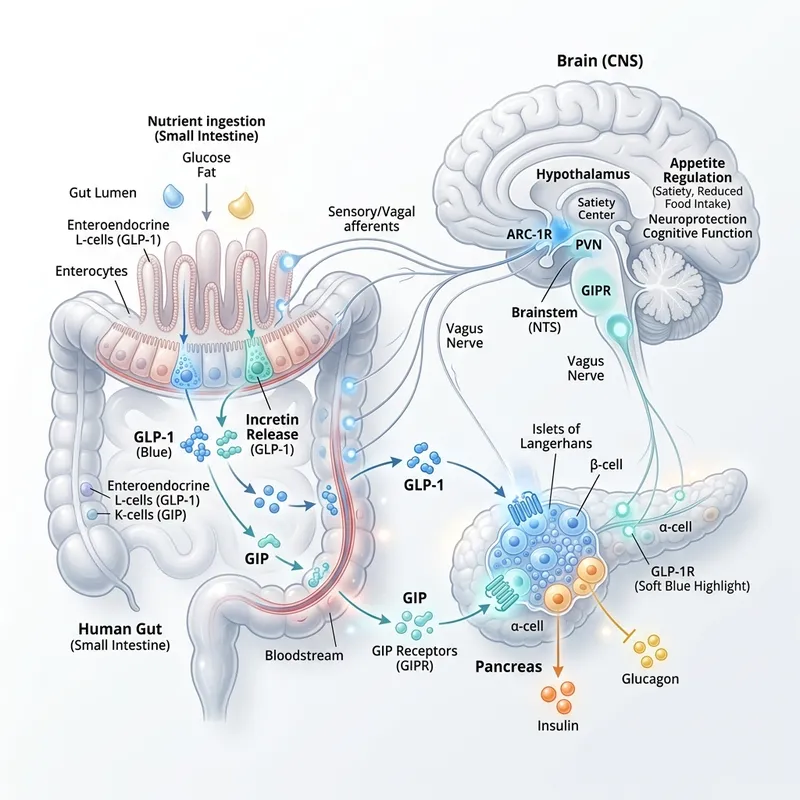
GLP-1 vs. GIP: Monotherapy vs. Dual-Agonist Pharmacology
The distinction between semaglutide and tirzepatide lies in their receptor binding profiles. Semaglutide is a selective GLP-1 receptor agonist. Its clinical action is mediated solely through the activation of the GLP-1 pathway. Tirzepatide is a dual glucose-dependent insulinotropic polypeptide (GIP) and GLP-1 receptor agonist, representing a multi-receptor targeting approach in endocrine pharmacology.
Glucose-dependent insulinotropic polypeptide is another incretin hormone, secreted by enteroendocrine K-cells in the proximal duodenum in response to fat and carbohydrate ingestion. Historically, GIP was considered lipogenic, promoting fat deposition under hyperinsulinemic conditions. However, under physiological conditions, GIP acts synergistically with GLP-1. In the pancreas, GIP stimulates insulin secretion in a glucose-dependent manner and plays a crucial role in maintaining pancreatic beta-cell health and survival.
In the central nervous system, GIP receptors are highly expressed in the hypothalamus and areas associated with energy regulation. GIP receptor activation modulates GLP-1 induced nausea, potentially improving patient tolerance to high-dose incretin therapy. More importantly, dual agonism appears to address metabolic adaptation more effectively. By activating both pathways, tirzepatide enhances insulin sensitivity in white adipose tissue, increases energy expenditure, and targets appetite centers in the brain through distinct, complementary mechanisms.
Clinical data from the STEP (Semaglutide Treatment Effect in People with Obesity) and SURPASS (Tirzepatide Clinical Trial Program) trials illustrate the therapeutic differences of these approaches. In the STEP 1 trial, adults receiving semaglutide 2.4 mg once weekly achieved an average weight loss of 14.9 percent over 68 weeks. In contrast, the SURMOUNT-1 trial demonstrated that adults receiving tirzepatide 15 mg once weekly achieved an average weight loss of 20.9 percent over 72 weeks. These outcomes suggest that dual agonism may yield greater clinical efficacy in weight reduction than selective GLP-1 monotherapy.
Looking ahead, triple-receptor agonists like retatrutide are currently under clinical investigation. Retatrutide targets the GLP-1 receptor, the GIP receptor, and the glucagon receptor. The addition of glucagon receptor agonism is intended to increase hepatic energy expenditure and lipid metabolism directly. Phase 2 clinical trials indicate that retatrutide may produce weight loss exceeding 24 percent over 48 weeks, representing the next stage in multi-receptor metabolic therapies.
Deconstructing the Big Three: Drug Profiles, Approvals, and Dosages
Understanding the clinical application of these therapies requires a clear distinction between the brand names, chemical compositions, and specific FDA approvals of the three primary medications.
1. Ozempic (Semaglutide)
Ozempic is a formulation of semaglutide approved by the FDA for the treatment of type 2 diabetes mellitus to improve glycemic control. It is also indicated to reduce the risk of major adverse cardiovascular events, such as myocardial infarction, stroke, or cardiovascular death, in adults with type 2 diabetes and established cardiovascular disease. The maximum maintenance dosage of Ozempic is 2.0 mg administered subcutaneously once weekly. While frequently prescribed off-label for weight management, its primary clinical indication is glycemic regulation and cardiovascular risk reduction.
2. Wegovy (Semaglutide)
Wegovy contains the identical active compound, semaglutide, but is formulated and approved specifically for chronic weight management. It is indicated for adults with a body mass index (BMI) of 30 kg/m² or greater, or 27 kg/m² or greater in the presence of at least one weight-related comorbidity, such as hypertension, type 2 diabetes, or dyslipidemia. Wegovy is also approved to reduce the risk of major adverse cardiovascular events in adults with established cardiovascular disease and obesity or overweight. The target maintenance dosage of Wegovy is 2.4 mg subcutaneously once weekly, which is higher than the maximum dose of Ozempic to maximize appetite suppression in the central nervous system.
3. Mounjaro and Zepbound (Tirzepatide)
Mounjaro and Zepbound share the same active pharmaceutical ingredient, tirzepatide, but carry distinct clinical indications. Mounjaro is FDA-approved for the treatment of type 2 diabetes mellitus as an adjunct to diet and exercise. Zepbound is FDA-approved specifically for chronic weight management in adults with a BMI of 30 kg/m² or greater, or 27 kg/m² or greater with a weight-related comorbidity. Both formulations are administered subcutaneously once weekly, with a maximum maintenance dosage of 15 mg. The dual-action profile of tirzepatide allows it to provide glycemic control and substantial weight reduction through a single compound.
Dose Escalation: Clinical Titration and Side Effect Mitigation
Subcutaneous incretin therapies require a structured, gradual dose escalation protocol. Titration is necessary to minimize gastrointestinal adverse effects, such as nausea, vomiting, diarrhea, constipation, and dyspepsia. These side effects are common during the initial phases of treatment and after dose increases, as the gastrointestinal tract adapts to slowed motility and delayed gastric emptying.
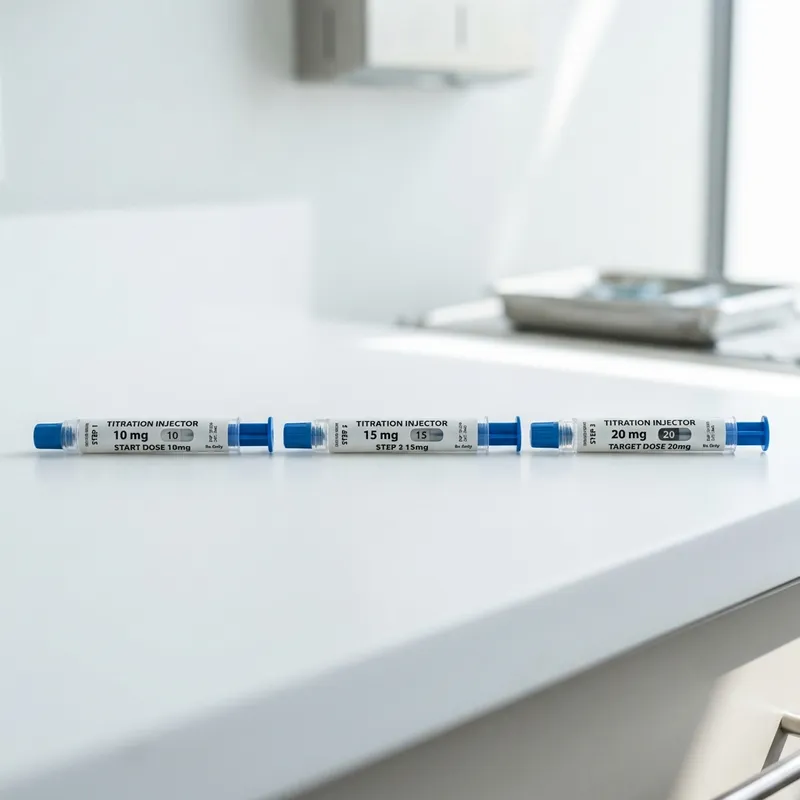
For semaglutide (Wegovy), the standard titration schedule spans sixteen weeks to reach the maintenance dose. Patients initiate therapy at a dose of 0.25 mg once weekly for four weeks. If tolerated, the dose increases to 0.5 mg weekly for another four weeks, followed by 1.0 mg weekly, 1.7 mg weekly, and finally the target maintenance dose of 2.4 mg weekly. If a patient experiences severe gastrointestinal distress during titration, the clinician may delay the dose escalation, maintaining the current dose for an additional four weeks to facilitate physiological adaptation.
For tirzepatide (Mounjaro/Zepbound), titration follows a similar progression. Therapy begins at 2.5 mg once weekly for four weeks. This initial dose serves primarily to establish gastrointestinal tolerability rather than drive glycemic control or weight loss. The dose then increases to 5.0 mg weekly for four weeks. Subsequent dose increases are performed in 2.5 mg increments (7.5 mg, 10.0 mg, 12.5 mg, and 15.0 mg) after at least four weeks at each dose level, based on clinical efficacy and patient tolerability. The maintenance dose is individualized, with patients remaining at 5.0 mg, 10.0 mg, or 15.0 mg weekly based on their therapeutic response and side effect profile.
Clinicians utilize several strategies to mitigate gastrointestinal side effects during the titration phase. Patients are advised to reduce portion sizes, eat slowly, and stop eating immediately upon experiencing initial satiety. Consuming meals high in dietary fat or simple sugars can exacerbate nausea and delayed gastric emptying, so patients should prioritize lean proteins and complex carbohydrates. Staying hydrated is essential, particularly if diarrhea or vomiting occurs, to prevent acute kidney injury. In cases of severe, transient nausea, clinicians may prescribe short-term antiemetic therapy, such as ondansetron, to support treatment adherence during titration steps.
| Medication | Starting Dose | Titration Steps (Monthly) | Maintenance Dose | Max Dose |
|---|---|---|---|---|
| Ozempic (Diabetes) | 0.25 mg weekly | 0.25 mg → 0.5 mg → 1.0 mg → 2.0 mg | 0.5 mg to 1.0 mg weekly | 2.0 mg weekly |
| Wegovy (Obesity) | 0.25 mg weekly | 0.25 mg → 0.5 mg → 1.0 mg → 1.7 mg → 2.4 mg | 2.4 mg weekly | 2.4 mg weekly |
| Mounjaro (Diabetes) | 2.5 mg weekly | 2.5 mg → 5.0 mg → 7.5 mg → 10.0 mg → 12.5 mg → 15.0 mg | 5.0 mg, 10.0 mg, or 15.0 mg weekly | 15.0 mg weekly |
| Zepbound (Obesity) | 2.5 mg weekly | 2.5 mg → 5.0 mg → 7.5 mg → 10.0 mg → 12.5 mg → 15.0 mg | 5.0 mg, 10.0 mg, or 15.0 mg weekly | 15.0 mg weekly |
The Sarcopenia Trap: Muscle Wasting and Metabolic Rate Down-Regulation
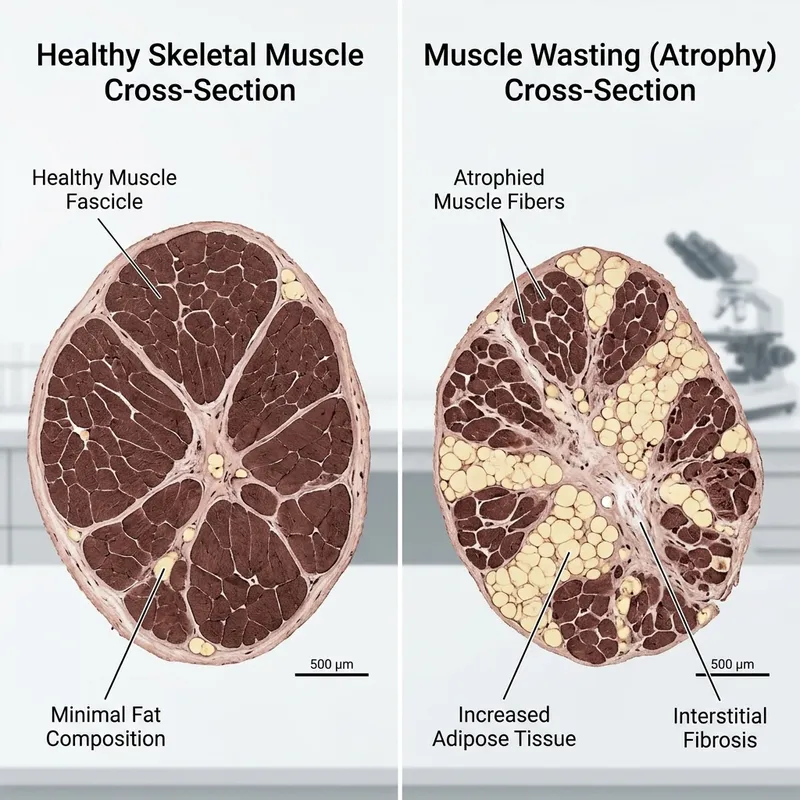
A critical clinical concern during aggressive weight loss therapy is the composition of the mass lost. When individuals experience rapid weight reduction due to severe appetite suppression, they do not lose adipose tissue exclusively. Without target interventions, a significant percentage of the weight lost comes from skeletal muscle mass. This loss of lean tissue is referred to as therapy-induced sarcopenia.
Data from clinical trials using dual energy X-ray absorptiometry (DEXA) scans to analyze body composition indicate that lean mass can account for 20 to 40 percent of total weight loss during incretin therapy. When a patient loses twenty pounds, four to eight pounds of that loss may consist of active skeletal muscle. This rapid degradation of skeletal muscle represents a major metabolic complication.
Skeletal muscle is the primary driver of basal metabolic rate (BMR) and resting energy expenditure. Muscle tissue is metabolically active, requiring energy for cellular maintenance even at rest. Adipose tissue, by comparison, has low metabolic activity. When a significant portion of skeletal muscle is lost, the patient's basal metabolic rate drops. Consequently, the daily energy expenditure required to maintain body weight decreases.
This decline in basal metabolic rate creates a physiological state called metabolic adaptation, or adaptive thermogenesis. If a patient terminates incretin therapy without resolving this metabolic down-regulation, they enter a state of positive energy balance. Because their resting metabolic rate is now lower than it was prior to treatment, they require fewer calories to maintain their weight. When they return to their previous dietary habits, they regain weight rapidly. However, the regained weight is stored almost entirely as adipose tissue, resulting in a poorer body composition and increased insulin resistance compared to their pre-treatment baseline.
Sarcopenia Prevention: Nutritional Protocols and Resistance Training
To prevent therapy-induced sarcopenia, patients must implement specific nutritional and physical protocols from the initiation of therapy. Clinicians must emphasize that weight management should focus on optimizing body composition rather than reducing body weight alone. The objective is to preserve skeletal muscle mass while promoting adipose tissue loss.
The primary nutritional intervention is the consumption of adequate dietary protein. To maintain nitrogen balance and stimulate muscle protein synthesis during periods of caloric restriction, patients should consume between 1.2 and 2.0 grams of protein per kilogram of body weight daily (approximately 1.0 gram per pound of target body weight). For example, an individual with a target body weight of 150 pounds should consume approximately 150 grams of protein per day. This intake is necessary to overcome the anabolic resistance associated with caloric deficits.
Meeting these high protein requirements can be difficult due to the appetite-suppressing effects of GLP-1 receptor agonists. Patients should prioritize protein consumption at the beginning of each meal. Dietary protein sources should feature high bioavailability and complete amino acid profiles, including essential amino acids and branched-chain amino acids, particularly leucine. Lean poultry, wild-caught fish, eggs, low-fat dairy, and high-quality protein isolates (such as whey or micellar casein) are excellent options to achieve these daily targets.
In addition to dietary protein, progressive resistance training is required to preserve skeletal muscle. Resistance exercise provides the mechanical tension necessary to activate the mammalian target of rapamycin complex 1 (mTORC1) pathway, the primary driver of cellular muscle protein synthesis. Without this mechanical stimulus, the body will catabolize muscle tissue to meet its amino acid requirements during a caloric deficit.
A structured resistance training protocol should feature at least three sessions per week, targeting major muscle groups. Exercises should include multi-joint compound movements, such as squats, deadlifts, chest presses, and rows, utilizing free weights, resistance machines, or bodyweight exercises. The protocol should employ progressive overload, gradually increasing the resistance or volume over time to stimulate muscle adaptation. Combining adequate protein intake with regular resistance training allows patients to preserve lean tissue, maintain their resting metabolic rate, and improve long-term outcomes.

The Cost and Insurance Matrix: Pricing, Prior Authorizations, and Savings Cards
The financial aspect of incretin therapy is a major consideration for patients and healthcare systems. Because these medications are synthetic peptides requiring complex manufacturing processes, their retail prices are high. Understanding the pricing structures, insurance coverage rules, prior authorization requirements, and savings programs is essential for evaluating long-term therapy feasibility.
The average wholesale price and retail cost for these medications vary, but they generally range from 900 USD to 1,400 USD per month without insurance coverage. The retail price of Wegovy is approximately 1,350 USD per month, while Mounjaro and Zepbound retail for approximately 1,000 USD to 1,100 USD per month. These costs can be prohibitive for patients who do not have coverage under commercial health insurance plans.
Commercial insurance coverage for weight loss medications is highly variable. Many insurance providers require a detailed prior authorization process before approving coverage. To obtain a prior authorization for Wegovy or Zepbound, clinicians must document that the patient meets specific criteria. Typically, these criteria include a documented BMI of 30 kg/m² or greater, or 27 kg/m² or greater with at least one weight-related comorbidity (such as hypertension or dyslipidemia). Additionally, many insurers require documentation that the patient participated in a structured, supervised lifestyle modification program for at least six months without achieving significant weight reduction.
For diabetes formulations (Ozempic and Mounjaro), prior authorization criteria are stricter. Most insurance plans require a documented diagnosis of type 2 diabetes mellitus, including laboratory confirmation of elevated hemoglobin A1c levels. Insurers frequently require patients to have tried and failed first-line oral therapies, such as metformin, before they will approve coverage for Once-weekly injectables. Prescribing these diabetes formulations off-label for weight loss typically results in prior authorization denials and high out-of-pocket costs.
Medicare coverage for weight loss medications is restricted by federal law. Under current statutes, Medicare Part D plans are prohibited from covering medications used specifically for weight management, even if a patient meets the clinical criteria for obesity. However, Medicare plans can cover these medications when they are prescribed for other FDA-approved indications, such as type 2 diabetes or to reduce cardiovascular risk in patients with established cardiovascular disease and obesity. This creates a coverage disparity for Medicare beneficiaries seeking treatment for obesity alone.
To reduce out-of-pocket costs, patients can utilize manufacturer co-pay savings cards. Eli Lilly and Novo Nordisk offer savings programs that can lower the cost of these medications for patients with commercial insurance. For patients whose commercial insurance covers the medication, savings cards can reduce the co-pay to as low as 25 USD per month. For patients whose commercial insurance does not cover the medication, these cards can provide substantial discounts, often reducing the out-of-pocket cost by 150 USD to 500 USD per month. These savings cards are not available to beneficiaries of federal healthcare programs, including Medicare, Medicaid, or TRICARE, due to federal anti-kickback statutes.
Due to insurance denials and high retail costs, some patients seek alternative options, such as compounded formulations. Compounding pharmacies prepare customized formulations of semaglutide or tirzepatide, often at a lower cost. However, the FDA has warned that compounded weight loss drugs are not FDA-approved, and the agency does not verify their safety, quality, or efficacy. Compounded formulations may contain salt forms of the active ingredients (such as semaglutide sodium), which have not been shown to be safe or effective in clinical trials. Patients must consult their healthcare providers to evaluate the safety and clinical appropriateness of compounded options.
| Medication | Average Retail Cost (Monthly) | Commercial Coverage Eligibility | Medicare Part D Coverage | Co-Pay Savings Program Details |
|---|---|---|---|---|
| Ozempic | $950 to $1,050 | High (Requires Type 2 Diabetes diagnosis) | Yes (Only for Type 2 Diabetes) | Reduces co-pay to $25 (Commercial insurance only) |
| Wegovy | $1,300 to $1,400 | Moderate (Requires BMI ≥ 30, or ≥ 27 with comorbidity) | No (Excluded by law for weight loss alone) | Saves up to $225 per month for covered/non-covered patients |
| Mounjaro | $1,000 to $1,100 | High (Requires Type 2 Diabetes diagnosis) | Yes (Only for Type 2 Diabetes) | Reduces co-pay to $25 (Commercial insurance only) |
| Zepbound | $1,000 to $1,100 | Moderate (Requires BMI ≥ 30, or ≥ 27 with comorbidity) | No (Excluded by law for weight loss alone) | Reduces cost to $25 (covered) or $550 (non-covered) |
The Clinical Off-Ramp: Establishing a Structured Tapering Protocol
One of the most critical aspects of metabolic therapy is the exit strategy. Incretin therapies are highly effective at reducing body weight while the patient is actively taking the medication. However, clinical studies show that the majority of patients regain weight once the medication is withdrawn. To achieve sustained weight loss, clinicians and patients must establish a structured off-ramp protocol.
Abruptly terminating high-dose incretin therapy can trigger metabolic and physiological challenges. As the drug is cleared from the system, gastric emptying returns to its baseline rate, and the appetite-suppressing signals in the hypothalamus diminish. This can result in a rapid return of appetite and food cravings, a phenomenon often described as hyperphagia. If the patient has not developed lifestyle modifications, they will return to a positive energy balance and regain their lost weight.
A structured tapering protocol is designed to minimize these challenges. Tapering involves gradually reducing the weekly dosage of the medication over several months under medical supervision. For example, a patient on a maintenance dose of Wegovy 2.4 mg might reduce their dose to 1.7 mg for four weeks, then to 1.0 mg for four weeks, and then to 0.5 mg for four weeks, before discontinuing the medication. This gradual reduction allows the gastrointestinal tract and central satiety centers to readapt to endogenous hormone levels, preventing a sudden increase in appetite.
During the tapering phase, monitoring caloric balance and macronutrient distribution is vital. Patients must continue to track their daily energy needs. Prioritizing protein intake is essential to maintain nitrogen balance and support muscle tissue. Consuming high-volume, low-calorie foods (such as vegetables and whole grains) can promote satiety through mechanical gastric stretch, compensating for the loss of drug-induced appetite suppression.
Physical activity must also increase during the off-ramp phase. To prevent metabolic adaptation, patients should continue their resistance training program and increase their non-exercise physical activity. This helps maintain resting energy expenditure and support metabolic health. DISCIPLINE and consistency are crucial during the off-ramp transition. Discontinuing the medication is not the end of therapy; it is a critical phase where lifestyle habits are established to maintain metabolic health.
Frequently Asked Questions
Does Medicare cover weight loss medications?
Under current statutory guidelines, Medicare Part D plans are prohibited by federal law from covering medications when they are prescribed specifically for weight loss alone. This exclusion applies to Zepbound and Wegovy when used for obesity management. However, Medicare can cover these identical compounds under their diabetes formulations (such as Mounjaro or Ozempic) when a patient has a documented diagnosis of type 2 diabetes. Additionally, Medicare may cover Wegovy for patients who have established cardiovascular disease and are classified as overweight or obese, to reduce the risk of major cardiovascular events.
Are compounded versions of semaglutide and tirzepatide safe?
Compounded formulations are prepared by compounding pharmacies to address drug shortages or customize dosages. While they often present a lower cost option, they are not approved by the FDA, and the agency does not verify their safety, quality, or efficacy. Some compounded products may use salt forms of the active ingredients, such as semaglutide sodium, which have not undergone the same clinical safety trials as the standard base formulations. Patients should use caution and consult their physicians to verify that any compounded medication is obtained from a state-licensed, reputable pharmacy that uses pharmaceutical-grade ingredients.
What is the risk of stomach paralysis or gastroparesis?
Because GLP-1 receptor agonists function by slowing down the movement of food through the digestive tract, they inherently delay gastric emptying. In some patients, this delayed emptying can become severe, leading to a condition called gastroparesis, or stomach paralysis. Symptoms include persistent nausea, severe vomiting, abdominal bloating, and undigested food remaining in the stomach. While gastroparesis is a rare side effect, it can lead to clinical complications. Patients with a history of gastroparesis or diabetic neuropathy should discuss these risks with their healthcare providers before starting therapy.
How can I prevent weight regain after discontinuing these medications?
Preventing weight regain after discontinuing incretin therapy requires a proactive, structured strategy. Patients should work with their physicians to establish a gradual tapering protocol rather than stopping the medication abruptly. During and after the taper, maintaining a high-protein diet (1.2 to 2.0 grams per kilogram of body weight daily) is critical to support muscle tissue and promote satiety. Engaging in progressive resistance training at least three times a week is essential to preserve skeletal muscle and support basal metabolic rate. Finally, tracking daily caloric balance and establishing long-term lifestyle habits are necessary to maintain metabolic health.
Conclusion: Achieving Sustained Metabolic Freedom
Incretin therapies represent a major technological advancement in endocrine medicine and weight management. By targeting the hormonal signaling pathways that govern appetite, insulin secretion, and gastric motility, these medications provide clinicians with effective tools to treat chronic obesity. However, these therapies should not be viewed as simple, standalone solutions. They are powerful interventions that must be integrated into a comprehensive metabolic protocol.
Achieving long-term metabolic health and avoiding weight regain requires a complete lifestyle strategy. Patients must focus on optimizing body composition by protecting skeletal muscle mass through adequate dietary protein intake and regular resistance training. Additionally, establishing a clear exit strategy under medical supervision is critical to transition off the medication successfully. By utilizing these advanced therapies as support while building permanent metabolic habits, patients can achieve sustained wellness and metabolic independence.
Scientific References
- National Institutes of Health (NIH). Clinical Reference database for Evidence-Based Medical Protocols.
- World Health Organization. Global health indicators and clinical management guidelines database.
- Harvard T.H. Chan School of Public Health. The Nutrition Source and Metabolic Regulation reviews.
- Mayo Clinic Proceedings. Evidence-Based Clinical Interpretations Ledger.
Medical Disclaimer: This article is for general educational purposes only and does not constitute professional medical advice, diagnosis, or treatment. Always consult a qualified healthcare provider with questions about a medical condition. Do not stop or start medications without clinical supervision. See our full Medical Disclaimer and Editorial Policy.

Ganesh G Kamble
Ganesh G Kamble is the founder and editor of Health is Heaven. He spent 14 years as a techno-functional consultant on enterprise ERP systems in Bangalore before turning his attention to health publishing. His background is technical, not clinical, and he is not a medical professional. He started Health is Heaven because most online health information is either too vague to act on, too technical to understand, or too commercial to trust. The site's mission is to provide clear, evidence-based answers to common health questions, with sources you can verify, alongside free interactive calculators built using standard medical formulas published by recognised authorities including the World Health Organization, the U.S. Centers for Disease Control and Prevention, the American Heart Association, the American Diabetes Association, and the National Institutes of Health. Every article is reviewed against authoritative sources before publishing, dated with both publish and last-updated timestamps, and clearly marked as informational only when covering medical topics. Articles dealing with diagnosis, treatment, or medication recommend speaking with a qualified healthcare provider. The site does not accept paid placements that influence editorial content; any future advertising is clearly labelled and separated from articles. Ganesh is based in Bangalore, India, and connects with readers and collaborators on LinkedIn.