Science of Hepatic Function: Understanding Liver Health and Fatty Liver Disease (NAFLD)

Medically reviewed by: Health is Heaven Medical Review Board | Published by Ganesh G Kamble, Health is Heaven | Published: April 11, 2026 · Last updated: June 11, 2026

Medically reviewed by the Health is Heaven Medical Review Board on June 4, 2026.

Your liver does not require commercial juice cleanses, liquid fasts, or unregulated herbal supplements to detoxify itself. It is a highly sophisticated, self-cleaning metabolic organ that runs continuous detoxification pathways every second of the day. However, when subjected to chronic dietary stress, environmental toxins, and insulin resistance, these pathways can become severely overloaded. Understanding the signs that your liver is under stress, and recognizing the lifestyle habits that genuinely support hepatic recovery, is essential for long-term health. This guide explores the physiology of liver stress, the warning signs of hepatic overload, and the science-backed methods to promote true cellular recovery.

The Deceptive Cleansing Industry and the Biochemical Wedge

The wellness market is saturated with liver detox teas, liquid cleanses, and herbal capsules. These products are often promoted as quick fixes to purge toxins from the body. From a clinical perspective, many of these interventions are not only useless but can actively damage your liver. Liquid juice cleanses are often rich in free fructose. While glucose can be metabolized by almost every cell in the human body, fructose is metabolized almost exclusively by hepatocytes in the liver. This difference in metabolism is critical because the pathways govern how the body stores and utilizes energy.

SPONSORED CONTENT

Fructose metabolism in the liver bypasses the key regulatory step of glycolysis, which is governed by the enzyme phosphofructokinase. Fructose is instead rapidly phosphorylated by fructokinase-C (ketohexokinase), an enzyme that lacks negative feedback inhibition. This unregulated pathway causes a rapid depletion of intracellular adenosine triphosphate (ATP). The depletion of ATP triggers adenosine degradation, which elevates uric acid production, induces oxidative stress, and stimulates de novo lipogenesis (DNL).

De novo lipogenesis is the biochemical process that converts excess carbohydrates, specifically fructose, directly into fat. These newly synthesized triglycerides pool inside hepatocytes, directly causing Metabolic Dysfunction-Associated Steatotic Liver Disease (MASLD), historically known as nonalcoholic fatty liver disease (NAFLD). In simple terms, consuming high-fructose juice cleanses to detoxify your liver is a metabolic trap that accelerates hepatic fat accumulation, leading to further cellular stress and hepatic dysfunction.

To establish your current physiological baseline and see how metabolic factors influence your cellular health, you can screen your current symptoms using a specialized assessment. Recording your baseline scores is a vital step toward recognizing early trends. Please take a moment to evaluate your metrics with the Biological Age Calculator, then record your scores in a personal log for future clinical checkups.

The 10 Sentinel Alerts: Reading the Physiological Flags

Because the liver possesses almost no sensory pain receptors within its parenchyma, it cannot signal damage through traditional pain pathways. By the time hepatic swelling stretches the surrounding fibrous capsule (Glisson's capsule) to cause physical discomfort, the structural damage is often advanced. The liver instead projects its distress outward into the peripheral systems of the body. Here are the 10 sentinel alerts that indicate your liver is struggling under a high biochemical load.

1. Jaundice (Scleral and Cutaneous Yellowing)

Jaundice is the classic dermatological marker of hepatic dysfunction. The liver is responsible for processing bilirubin, a yellow-green pigment derived from the breakdown of senescent red blood cells. In a healthy state, unconjugated bilirubin is transported to the liver, where hepatocytes conjugate it with glucuronic acid using the enzyme uridine diphosphate-glucuronosyltransferase (UGT1A1). This makes bilirubin water-soluble, allowing it to be excreted into bile and eliminated via the digestive tract. This pathway represents a key detoxification step for the body.

When hepatocytes are damaged or bile flow is obstructed (cholestasis), this conjugation and clearance mechanism breaks down. Unconjugated or conjugated bilirubin builds up in the bloodstream and diffuses into elastic tissues. This manifests first as a yellowing of the sclera (the white portion of the eyes) and subsequently as a yellowing of the skin. Scleral icterus can often be detected earlier than cutaneous jaundice due to the high concentration of elastin in the sclera, which has a strong affinity for bilirubin.
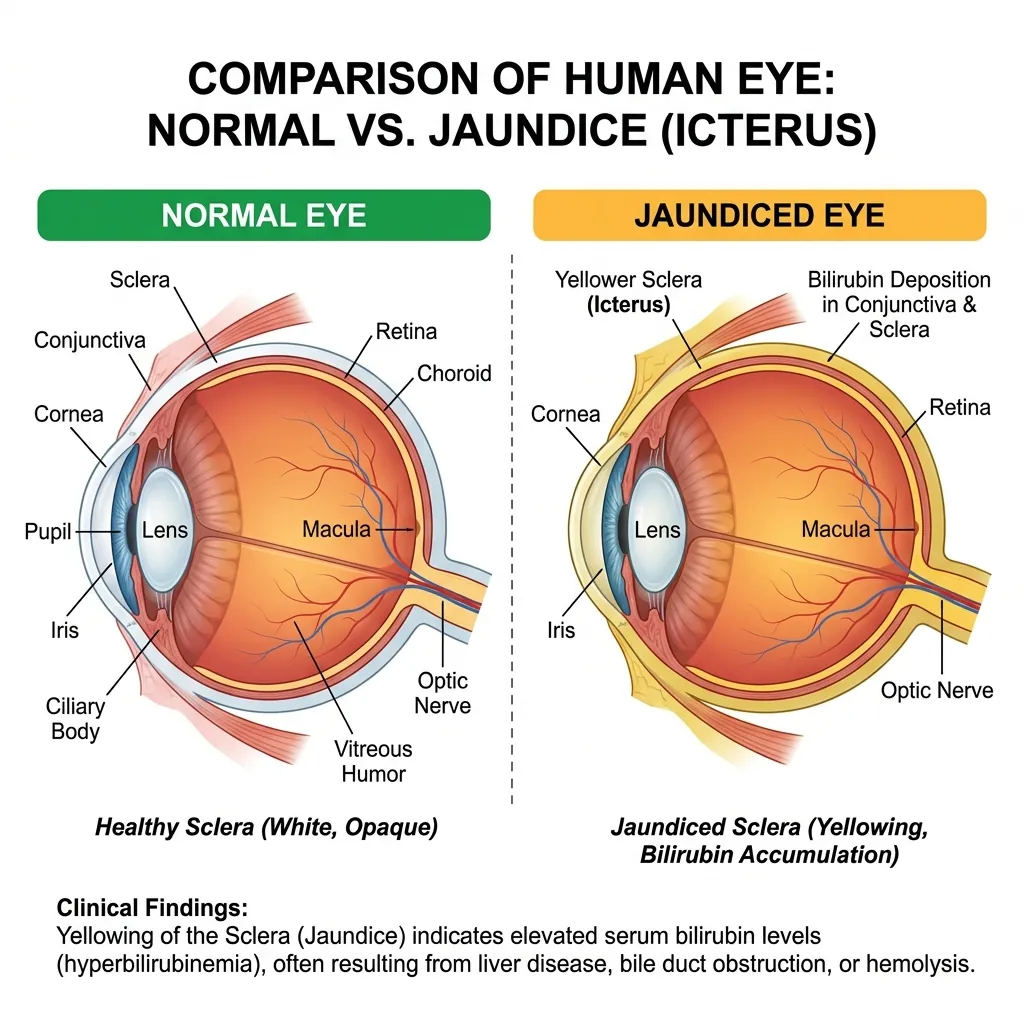
A clinical illustration comparing a normal eye with white sclera to a jaundiced eye with yellow sclera.
A side-by-side comparison of normal sclera and scleral icterus caused by elevated bilirubin levels.

2. Chronic, Unexplained Pruritus (Intense Itching)

Pruritus associated with liver stress is not caused by dry skin or external allergens. It is a systemic itching sensation that is typically most severe on the palms of the hands and the soles of the feet, and it often worsens at night. The primary biochemical driver of this condition is the systemic accumulation of bile salts, pruritogens, and endogenous opioids in the blood and interstitial tissues.

When bile secretion is impaired, bile acids back up into the systemic circulation. These bile acids interact with cutaneous nerve endings and specialized receptors, triggering a severe, refractory itch response that does not respond to standard antihistamines. Chronic pruritus is a sign that hepatic excretory functions are compromised, leading to an accumulation of waste products that would normally be eliminated through bile.

3. Spider Angiomas (Cutaneous Vascular Lesions)

Spider angiomas are abnormal clusters of dilated capillaries close to the surface of the skin. They feature a central red arteriole with thin, radiating capillary legs, resembling a spider web. These lesions typically appear on the face, neck, upper chest, and arms. They are also known as spider nevi or vascular spiders and are markers of vascular changes in the body.

Their formation is driven by hyperestrogenism. The liver is the primary site for the metabolism and clearance of circulating hormones, including estrogen. When hepatic function is impaired, estrogen clearance drops, causing hormone levels to rise. Elevated estrogen exerts a strong vasodilatory effect on cutaneous arterioles, leading to the formation of these spider-like capillary structures. The presence of multiple spider angiomas is strongly associated with progressive hepatic fibrosis.

4. Unexplained, Dark Bruising and Bleeding

If you notice large, dark bruises appearing after minor bumps, or if small cuts bleed for an unusually long time, your liver may be struggling. The liver is the sole factory for almost all blood clotting factors, including fibrinogen, prothrombin, Factor V, Factor VII, Factor IX, Factor X, and Factor XI. It also relies on vitamin K to synthesize several of these essential proteins. The synthesis of these factors is critical for maintaining proper hemostasis.

When hepatic protein synthesis is compromised, the concentration of these clotting factors in the blood drops. This deficiency delays the coagulation cascade, causing easy bruising (ecchymosis), frequent nosebleeds, and prolonged bleeding from minor injuries. A prolonging of the prothrombin time (PT) is a clinical marker used to quantify this synthetic deficit.

5. Ascites (Abdominal Fluid Retention)

Ascites is the accumulation of protein-rich fluid in the peritoneal cavity, leading to progressive abdominal swelling and discomfort. This symptom represents a major hemodynamic shift. As liver tissue undergoes damage and develops scarring (fibrosis), the normal flow of blood through the portal vein is restricted. This restriction increases portal vein blood pressure, a condition known as portal hypertension. The scarring blocks the sinusoidal channels, creating high resistance to blood flow.

To compensate, blood vessels in the abdomen dilate, which triggers the activation of the renin-angiotensin-aldosterone system (RAAS), leading to fluid retention. Simultaneously, the liver fails to synthesize sufficient albumin, the protein responsible for maintaining plasma oncotic pressure. The combination of low oncotic pressure and high hydrostatic pressure forces fluid out of the blood vessels and directly into the abdominal cavity.

6. Bilateral Ankle and Leg Edema

Similar to ascites, peripheral edema is the swelling of the lower extremities due to fluid retention in the interstitial tissues. It is characterized by pitting, where pressing a finger into the swollen skin leaves a temporary indentation. This fluid pooling can cause skin tightness, warmth, and discomfort.

The mechanism is identical to that of ascites: portal hypertension combined with hypoalbuminemia (low blood albumin). Gravity pulls this retained fluid downward, causing it to pool in the tissues of the ankles, feet, and lower legs. This swelling can make walking difficult, increases the risk of skin breakdown, and can lead to recurrent cellullitis in the lower extremities if left unmanaged.
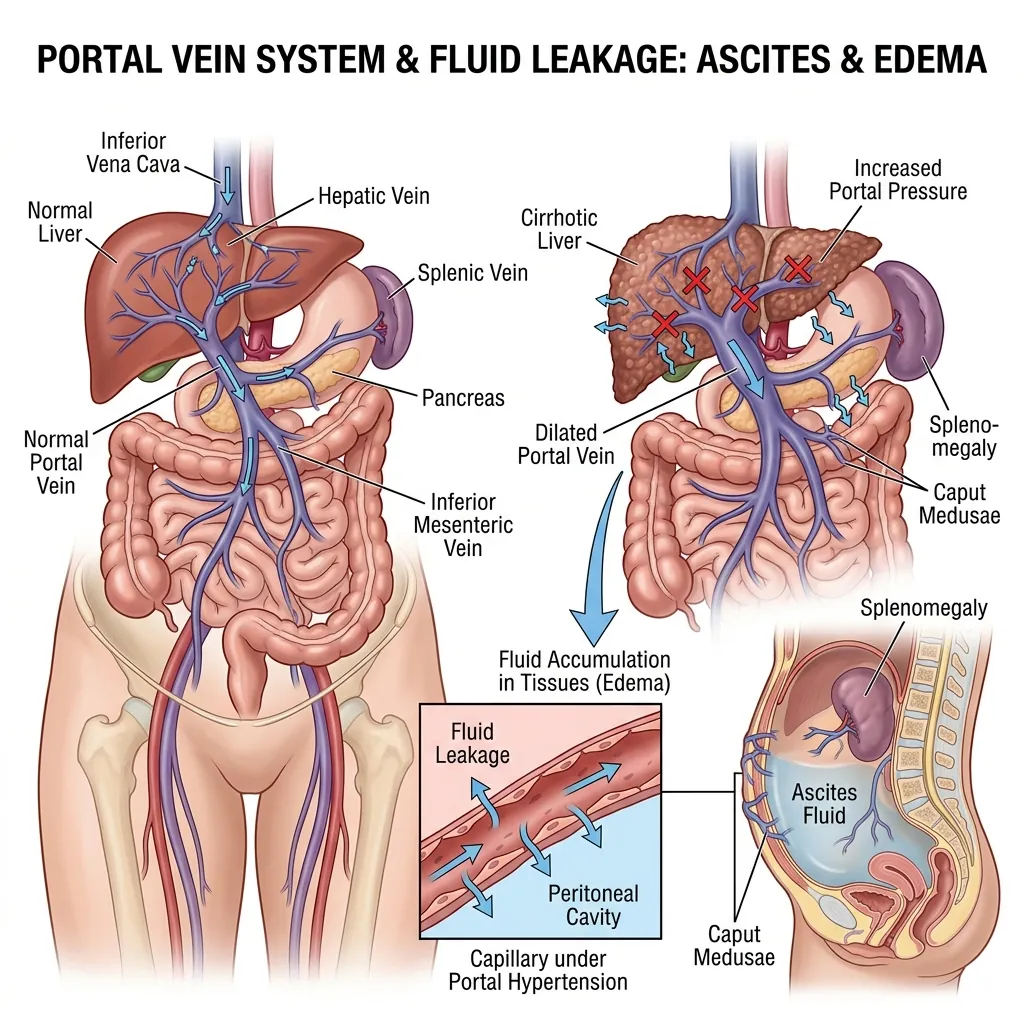
An anatomical diagram of the liver and portal vein system illustrating the development of ascites and fluid leakage.
Visualizing the pathways of portal hypertension and plasma oncotic pressure drop leading to abdominal fluid retention.

7. Pale or Clay-Colored Stools (Acholia)

The brown color of healthy stool is derived from stercobilin, a chemical byproduct of bilirubin clearance. Bile is produced in the liver, stored in the gallbladder, and secreted into the duodenum of the small intestine to emulsify fats. Once in the intestine, bilirubin is converted by gut bacteria into urobilinogen, which is subsequently oxidized into stercobilin, the pigment that colors stool.

If the liver cannot produce bile, or if there is an obstruction in the biliary tree, bile cannot reach the intestines. Without bile and its associated bilirubin metabolites, stools lose their color and appear pale, gray, or clay-colored. This symptom is a clear indicator of biliary obstruction or biliary tract disease, and it often occurs alongside malabsorption of dietary fats.

8. Dark, Tea-Colored Urine

When the normal biliary pathway is blocked, conjugated bilirubin cannot exit the body via the intestines. Because conjugated bilirubin is water-soluble, it accumulates in the bloodstream and is eventually filtered out by the kidneys. This renal clearance pathway acts as a secondary route for bilirubin excretion when the biliary system fails.

High levels of conjugated bilirubin in the urine give it a distinct dark, tea-like, or cola-like appearance. If your urine remains dark even when you are well-hydrated, it is a signal that your liver's excretion pathways are malfunctioning. This symptom is often one of the earliest signs of acute hepatitis or biliary tract obstruction.

9. Crushing, Chronic Fatigue

Chronic fatigue is one of the most common yet overlooked signs of liver stress. This exhaustion is not related to physical activity and is not relieved by rest or sleep. The liver plays a central role in energy metabolism, converting glucose into glycogen for storage and performing gluconeogenesis to maintain blood sugar levels during fasting. When hepatocytes are congested with fat or inflamed, this metabolic flexibility is lost.

Additionally, hepatic dysfunction impairs the body's ability to clear inflammatory cytokines and metabolic waste products. The accumulation of these substances, along with neurotransmitter imbalances in the central nervous system, leads to persistent, debilitating fatigue, muscle weakness, and a general lack of physical endurance.

10. Cognitive Dysfunction and Brain Fog

Severe brain fog, confusion, and difficulty concentrating can be warning signs of subclinical hepatic encephalopathy. When proteins are digested, gut bacteria produce ammonia as a byproduct. In a healthy body, ammonia is transported via the portal vein to the liver, where it is converted into urea through the urea cycle and excreted in urine. If the liver is functioning poorly, this metabolic conversion fails.

If the liver is damaged or bypassed due to portal-systemic shunting, ammonia levels in the systemic circulation rise. Ammonia readily crosses the blood-brain barrier. In the brain, astrocytes take up ammonia and combine it with glutamate to form glutamine. This accumulation of glutamine causes osmotic swelling in brain cells, disrupting neurotransmitter pathways and leading to cognitive deficits, memory lapses, and mood changes.

Clinical Liver Function Tests (LFT): The Diagnostics

To confirm whether these symptoms are related to liver stress, a medical provider will order a Liver Function Test (LFT) panel. This blood test measures specific enzyme levels and protein concentrations to assess the health of hepatocytes and the biliary system. Understanding these markers can help you interpret your clinical results and monitor your recovery.

Test MarkerStandard Reference RangeBiochemical RoleClinical Interpretation of Elevation
Alanine Aminotransferase (ALT)7 - 56 U/LAn enzyme concentrated inside hepatocytes, responsible for amino acid metabolism.Indicates hepatocyte damage or rupture, highly specific to liver injury.
Aspartate Aminotransferase (AST)10 - 40 U/LAn enzyme found in the liver, heart, and skeletal muscle tissue.Elevated in liver injury, muscle damage, or myocardial infarction. An AST to ALT ratio greater than 2 suggests alcoholic liver injury.
Alkaline Phosphatase (ALP)44 - 147 U/LAn enzyme associated with the membranes of microvilli in the bile canaliculi.Elevated levels suggest cholestasis (blocked bile flow), biliary tract disease, or bone turnover.
Gamma-Glutamyl Transferase (GGT)9 - 48 U/LAn enzyme involved in transport of amino acids and glutathione metabolism.A highly sensitive marker for biliary injury and alcohol ingestion. Used to confirm that ALP elevation is of hepatic origin.
Total Bilirubin0.2 - 1.2 mg/dLThe sum of conjugated and unconjugated bilirubin in circulation.Elevated levels cause visible jaundice, indicating clearance defects or biliary obstruction.
Serum Albumin3.5 - 5.0 g/dLThe primary protein synthesized by the liver, responsible for oncotic pressure.Low levels indicate chronic liver disease, malnutrition, or kidney loss. Linked directly to the development of edema.

The True Science of Hepatic Recovery

To reverse MASLD and support hepatic recovery, you must focus on dietary physics rather than commercial cleanses. The liver has a remarkable capacity to regenerate, but it requires the correct physiological conditions. The primary goal is to lower systemic insulin levels and empty hepatic glycogen reserves. This forces the liver to burn its accumulated fat, a process mediated by hepatic autophagy and beta-oxidation.

There are two evidence-based dietary interventions that reliably promote hepatic fat clearance: carbohydrate restriction and structured intermittent fasting. These approaches target the underlying hormonal triggers of hepatic fat storage.

1. Carbohydrate Restriction (Ketogenic Protocols)

Consuming refined carbohydrates and simple sugars keeps insulin levels high. Insulin is a powerful lipogenic hormone that inhibits lipolysis (the breakdown of fat) and stimulates de novo lipogenesis. When carbohydrate intake is restricted to less than 50 grams per day, insulin secretion drops. This hormonal shift is crucial for initiating fat breakdown.

This drop in insulin activates hormone-sensitive lipase (HSL), which allows stored fatty acids to be mobilized from hepatocytes. The liver then converts these fatty acids into ketone bodies (acetoacetate, beta-hydroxybutyrate, and acetone) to be used as alternative fuel by peripheral tissues. This shift lowers the lipid load within hepatocytes, reducing liver fat. Multiple clinical trials have shown that carbohydrate restriction can reduce liver fat by up to 30 percent in as little as two weeks.

A medical microscopic diagram showing lipid droplets accumulating inside hepatocytes in a fatty liver compared to healthy liver cells.
Microscopic view of hepatocytes showing fat accumulation (steatosis) and lipid droplet infiltration.

2. Structured Intermittent Fasting

Fasting for extended periods (typically 16 to 20 hours daily) allows insulin levels to remain low for most of the day. During fasting, the liver depletes its stored glycogen, which typically holds about 100 grams of glucose. Once liver glycogen is exhausted, the body shifts to burning fat for energy, accessing both visceral and hepatic fat depots.

Fasting also stimulates autophagy, the cellular recycling system. Hepatic autophagy helps break down damaged proteins, lipids, and cellular organelles inside hepatocytes, promoting cellular repair. This combination of carbohydrate restriction and fasting is the most effective way to address the root cause of liver steatosis, allowing hepatocytes to restore their normal metabolic and synthetic functions.

Authoritative Video Insights: Expert Discussions

To help you understand the clinical progression of liver fat accumulation and the strategies used to manage it, review these educational videos from the Mayo Clinic.

Video 1: Nonalcoholic steatohepatitis (NASH) Care at Mayo Clinic, discussing diagnosis and clinical management.

Video 2: Management of Nonalcoholic Fatty Liver Disease (MASLD), presented by Mayo Clinic Proceedings.

Daily Hepatic Recovery and Self-Tracking Checklist

To systematically support your liver's recovery, you can implement a daily tracking protocol. Consistently monitoring your lifestyle habits is key to reducing hepatic strain and tracking metabolic improvements over time. Use this checklist as a daily guide to build consistency.

A clean clinical table displaying healthy whole foods, water, and a health tracking logbook for liver recovery.
Structured lifestyle and nutritional logging to support hepatic fat clearance and autophagy.
Intermittent Fasting Window: Aim for a minimum 16-hour fasting window daily. Record your start and stop times to maintain consistency and track fasting duration.
Carbohydrate Limit: Restrict net carbohydrate intake to less than 50 grams per day to keep insulin levels low and promote ketone production.
Hydration Protocol: Consume at least 2.5 liters of filtered water daily to support renal excretion pathways and aid overall detoxification.
Fructose and Sugar Avoidance: Eliminate all high-fructose corn syrup, sweetened juices, soda, and processed foods that trigger de novo lipogenesis.
Alcohol Cessation: Avoid all alcohol intake to eliminate toxic acetaldehyde exposure in hepatocytes and reduce inflammatory stress.
LFT Monitoring: Schedule a clinical Liver Function Test panel every six months, and save your scores in your health log to track trends.

Frequently Asked Questions

Can a juice cleanse cure a fatty liver?

No, juice cleanses cannot cure fatty liver disease. In fact, many juices contain high amounts of fructose, which the liver converts directly into fat through de novo lipogenesis. This process can worsen fatty liver disease. Reversing liver fat accumulation requires reducing insulin levels and restricting carbohydrates, which allows hepatocytes to burn stored triglycerides.

How long does it take for the liver to recover?

The timeline for liver recovery depends on the extent of the damage. In cases of early-stage fatty liver (steatosis), significant reductions in liver fat can occur within two to four weeks of adopting carbohydrate restriction and fasting. More advanced fibrosis or inflammation can take several months or years of consistent lifestyle changes to improve.

Are liver detox supplements safe?

Many liver detox supplements are not regulated by the FDA and may contain contaminants or high doses of active ingredients that can strain the liver. Some herbal supplements, such as kava, comfrey, and high-dose green tea extract, have been linked to drug-induced liver injury. Consult a healthcare provider before taking any supplement, especially if you have liver disease.

What are the first signs of liver healing?

Signs of liver healing include a reduction in systemic inflammation, improved energy levels, and a decrease in abdominal bloating or edema. Clinically, the most reliable markers of recovery are a gradual normalization of liver enzymes (ALT and AST) and a reduction in liver fat as shown on an ultrasound, transient elastography, or MRI.

Medical Disclaimer: This article is for general information only and is not medical advice. Please consult a qualified healthcare provider for personalized guidance, especially if you have an existing medical condition, are taking medications, or are experiencing symptoms of hepatic dysfunction. See our full Medical Disclaimer and Editorial Policy.

Ganesh G Kamble
About the Author

Ganesh G Kamble

Ganesh G Kamble is the founder and editor of Health is Heaven. He spent 14 years as a techno-functional consultant on enterprise ERP systems in Bangalore before turning his attention to health publishing. His background is technical, not clinical, and he is not a medical professional. He started Health is Heaven because most online health information is either too vague to act on, too technical to understand, or too commercial to trust. The site's mission is to provide clear, evidence-based answers to common health questions, with sources you can verify, alongside free interactive calculators built using standard medical formulas published by recognised authorities including the World Health Organization, the U.S. Centers for Disease Control and Prevention, the American Heart Association, the American Diabetes Association, and the National Institutes of Health. Every article is reviewed against authoritative sources before publishing, dated with both publish and last-updated timestamps, and clearly marked as informational only when covering medical topics. Articles dealing with diagnosis, treatment, or medication recommend speaking with a qualified healthcare provider. The site does not accept paid placements that influence editorial content; any future advertising is clearly labelled and separated from articles. Ganesh is based in Bangalore, India, and connects with readers and collaborators on LinkedIn.

🧠Stress
Scroll to Top
Connect & Follow