
Medically reviewed by: pending clinical review | Published by Ganesh G Kamble, Health is Heaven | Published: April 13, 2026 · Last updated: May 1, 2026
About a third of adults regularly get less sleep than the 7 to 9 hours the Centers for Disease Control and Prevention recommends. Most of the time the cause is not a sleep disorder but a collection of small habits that interfere with falling asleep, staying asleep, or both. The good news is that those habits are usually fixable.
The advice below comes from sleep medicine guidelines published by the National Sleep Foundation, the CDC, and the American Academy of Sleep Medicine.
1. Keep a Consistent Sleep Schedule
Going to bed and waking up at the same time every day, including weekends, is one of the strongest predictors of sleep quality. Your circadian rhythm responds to consistency. Sleeping in for two hours on weekends pushes your internal clock back, making Sunday night insomnia and Monday morning fatigue more likely.
SPONSORED CONTENT

2. Get Bright Light Exposure in the Morning
Natural light early in the day anchors your circadian rhythm. Aim for 10 to 30 minutes of outdoor light within an hour of waking, even on cloudy days. This is one of the most effective free interventions for sleep timing.
3. Avoid Bright Light in the Evening
Bright light, particularly the blue-rich light from phones, tablets, and computer screens, suppresses melatonin and signals your brain to stay awake. In the two hours before bed, dim household lights and reduce screen time. If you must use screens, enable night mode and reduce brightness.
4. Keep Your Bedroom Cool
Body temperature naturally drops as you fall asleep. A bedroom that is too warm interferes with this. Most people sleep best between 60 and 67 degrees Fahrenheit (15 to 19 degrees Celsius). If you cannot control room temperature, breathable bedding and a fan can help.
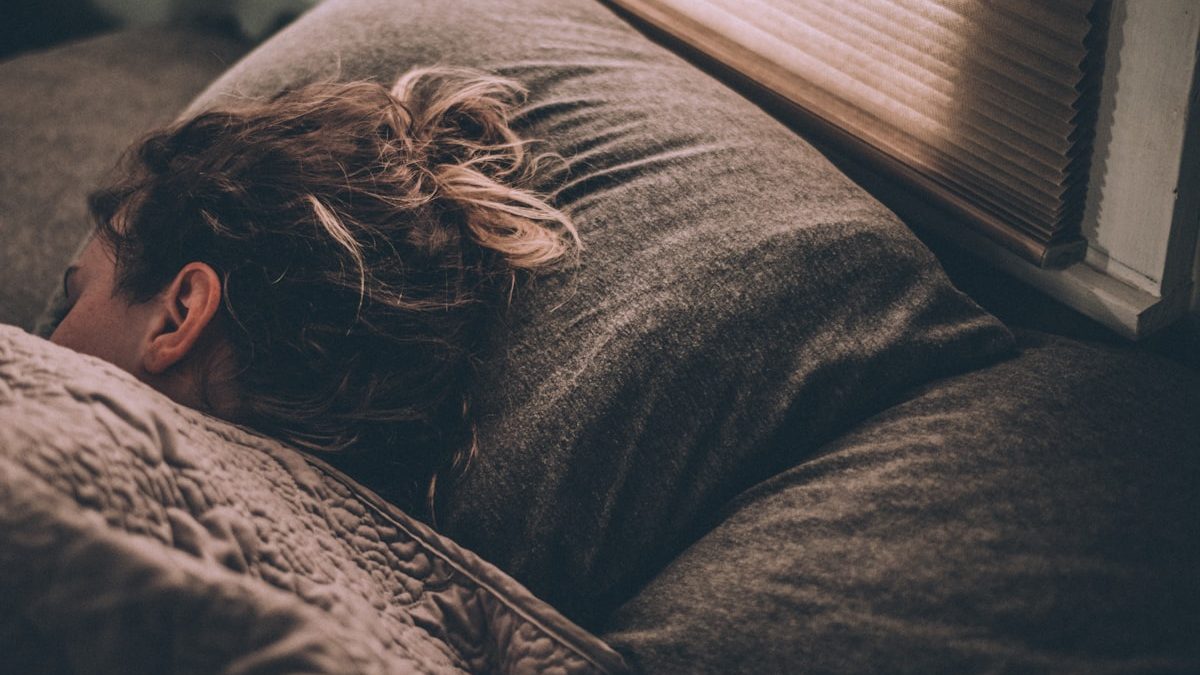
5. Make the Bedroom Dark and Quiet
Even small amounts of light can disrupt sleep quality. Blackout curtains, a sleep mask, and removing bright LEDs from electronics all help. For noise, white noise machines or simple earplugs work for most people.
6. Limit Caffeine After Noon
Caffeine has a half-life of about 5 hours, meaning half of an afternoon coffee is still in your system at bedtime. People vary widely in caffeine sensitivity. If you have trouble sleeping, try cutting off caffeine by noon for two weeks and see if it helps.
7. Avoid Alcohol Close to Bedtime
Alcohol may help you fall asleep but it disrupts sleep architecture, particularly REM sleep, in the second half of the night. You wake more often, sleep less deeply, and feel less rested. Keep at least 3 to 4 hours between your last drink and bedtime.
8. Don't Eat Large Meals Late
Heavy meals close to bedtime can cause indigestion and reflux that interferes with sleep. Try to finish dinner at least 2 to 3 hours before bed. A light snack is fine if you're hungry; complex carbs paired with a small amount of protein (like an apple with peanut butter) work well.
9. Exercise Regularly, but Not Right Before Bed
Regular physical activity is one of the most reliable interventions for better sleep. Aim for 30 minutes of moderate activity most days. Vigorous exercise within 1 to 2 hours of bedtime can be activating for some people; if that's you, shift workouts earlier.
10. Use the Bed Only for Sleep and Sex
Working, watching TV, or scrolling on your phone in bed weakens the mental link between bed and sleep. If you can't fall asleep within about 20 minutes, get up, do something boring in dim light, and return to bed when you feel sleepy. This is the core of cognitive behavioral therapy for insomnia (CBT-I), the gold-standard treatment.
11. Try a Wind-Down Routine
A consistent 30 to 60 minute pre-bed routine signals your brain that sleep is coming. Reading a physical book, gentle stretching, a warm shower or bath, or meditation all work. The specific activity matters less than the consistency.
12. Manage Daytime Stress
Anxiety and rumination at bedtime are major sleep disruptors. Writing down tomorrow's tasks before bed, brief meditation, or simple breathing exercises can help quiet the mental loop. If your sleep problems are stress-driven, addressing the daytime stress is more effective than chasing sleep itself.
13. Limit Naps
If you struggle to fall asleep at night, naps may be hurting. If you must nap, keep it under 30 minutes and before 3 PM. Longer or later naps reduce nighttime sleep pressure.
14. Be Cautious With Sleep Aids
Over-the-counter sleep aids (most contain diphenhydramine) can cause grogginess and are not recommended for long-term use. Melatonin in low doses (0.5 to 3 mg) taken about an hour before bed can help with circadian-related issues like jet lag, but it is not a sedative. Prescription sleep medications should be used only under medical supervision.
15. Get Sunlight During the Day
Total daily light exposure matters, not just morning light. Spending more time outside or near windows during the day strengthens circadian signaling and tends to deepen nighttime sleep.
When to See a Doctor
See a healthcare provider if you have persistent insomnia for more than three weeks despite good sleep habits, loud snoring with gasping or choking (signs of sleep apnea), excessive daytime sleepiness even with adequate sleep, or sleep problems that are affecting your work or mood. Sleep disorders are common, treatable, and often missed.
Try Our Free Tools
Sources and Further Reading
- CDC: Sleep and Sleep Disorders
- National Sleep Foundation: Healthy Sleep Tips
- American Academy of Sleep Medicine
- NHLBI: Sleep Deprivation and Deficiency
Disclaimer: This article is for general educational purposes only and is not medical advice. If you have persistent sleep problems, speak to a qualified healthcare provider. See our Medical Disclaimer and Editorial Policy.

Ganesh G Kamble
Ganesh G Kamble is the founder and editor of Health is Heaven. He spent 14 years as a techno-functional consultant on enterprise ERP systems in Bangalore before turning his attention to health publishing. His background is technical, not clinical, and he is not a medical professional. He started Health is Heaven because most online health information is either too vague to act on, too technical to understand, or too commercial to trust.
The site's mission is to provide clear, evidence-based answers to common health questions, with sources you can verify, alongside free interactive calculators built using standard medical formulas published by recognised authorities including the World Health Organization, the U.S. Centers for Disease Control and Prevention, the American Heart Association, the American Diabetes Association, and the National Institutes of Health.
Every article is reviewed against authoritative sources before publishing, dated with both publish and last-updated timestamps, and clearly marked as informational only when covering medical topics. Articles dealing with diagnosis, treatment, or medication recommend speaking with a qualified healthcare provider. The site does not accept paid placements that influence editorial content; any future advertising is clearly labelled and separated from articles.
Ganesh is based in Bangalore, India, and connects with readers and collaborators on LinkedIn.