
Medically reviewed by: pending clinical review | Published by Ganesh G Kamble, Health is Heaven | Published: April 9, 2026 · Last updated: May 1, 2026
The skincare industry would have you believe that glowing skin comes from a 12-step routine and a $200 serum. The reality is more boring: skin reflects what you eat, how well you sleep, how stressed you are, and how much you protect it from the sun. Diet alone will not transform your skin, but a few well-supported foods consistently come up in dermatological research for their effects on skin health.
Here are foods that are widely supported by nutrition and dermatology research for healthy skin, with a brief explanation of why each one matters.
1. Fatty Fish
Salmon, sardines, mackerel, and herring provide omega-3 fatty acids (EPA and DHA), which support skin barrier function and may reduce inflammation. The American Academy of Dermatology lists omega-3 intake as supportive for several inflammatory skin conditions, including eczema and psoriasis. Two to three servings per week is the commonly recommended target.
SPONSORED CONTENT

2. Avocados
Avocados are rich in healthy monounsaturated fat and vitamin E, an antioxidant that protects cells from oxidative damage. They also contain biotin, which is involved in maintaining skin and hair.
3. Walnuts
Walnuts are a good plant source of omega-3 (in the form of alpha-linolenic acid), as well as zinc, which is involved in wound healing and inflammation control. A small handful (about 1 ounce) per day fits easily into most diets.
4. Sweet Potatoes
Sweet potatoes are an excellent source of beta-carotene, which the body converts to vitamin A. Vitamin A is essential for skin cell turnover and is the basis for several prescription topical retinoid treatments. Other strong sources include carrots, butternut squash, and dark leafy greens.
5. Bell Peppers
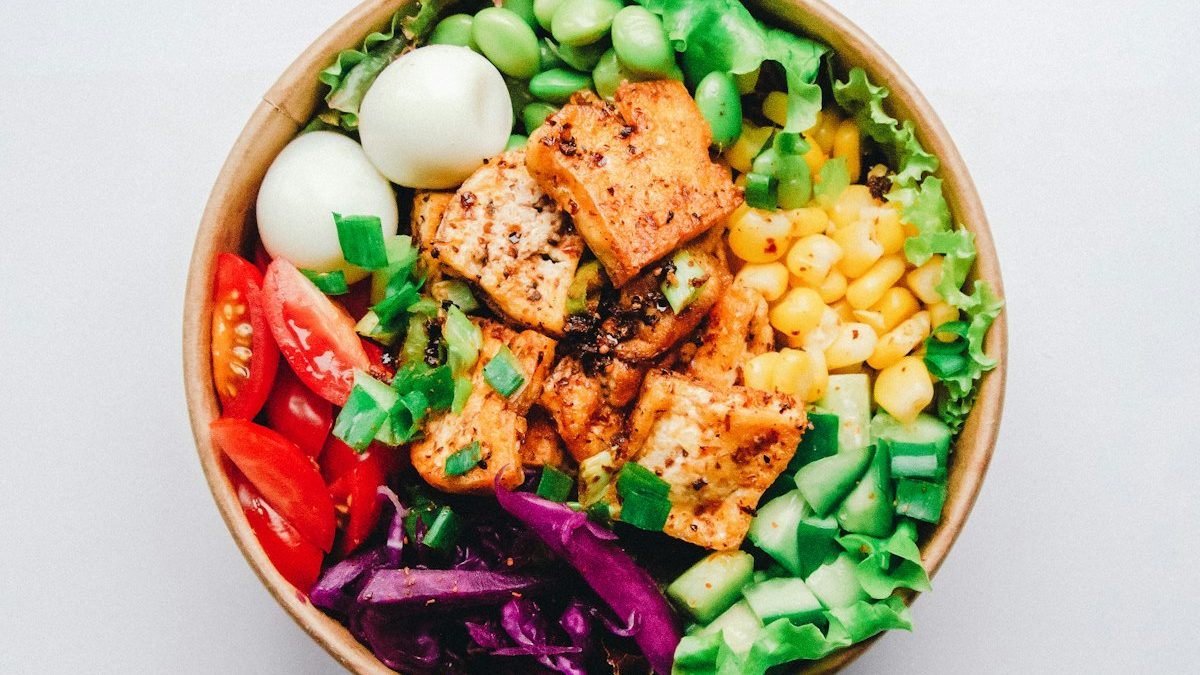
Red, yellow, and orange bell peppers are exceptionally rich in vitamin C, which is required for collagen synthesis. Collagen is the structural protein that gives skin its firmness. One medium red bell pepper contains more than the daily recommended vitamin C intake.
6. Tomatoes
Tomatoes contain lycopene, a carotenoid associated with some protection against sun damage in studies (this is not a substitute for sunscreen). Cooked tomatoes (sauces, soups) contain more bioavailable lycopene than raw tomatoes, and pairing them with a small amount of olive oil improves absorption further.
7. Berries
Blueberries, raspberries, blackberries, and strawberries are rich in antioxidants that may help protect skin from oxidative stress. They are also relatively low in sugar compared with other fruits.
8. Green Tea
Green tea contains polyphenols, particularly EGCG, that have been studied for their effects on inflammation and oxidative stress. Several small studies have suggested benefits for skin elasticity and protection from UV damage, though the effect of drinking green tea on skin appearance specifically is still modest in the available evidence.
9. Dark Chocolate (in Moderation)
Dark chocolate (70 percent cocoa or higher) contains flavonoids that may improve skin hydration and elasticity in some studies. The portion that matters: 1 ounce a few times a week, not a daily bar.
10. Yogurt and Other Probiotic Foods
The relationship between gut health and skin (the "gut-skin axis") is an active area of research. Probiotic foods like yogurt, kefir, sauerkraut, and kimchi support gut microbial diversity and may have downstream benefits for inflammatory skin conditions, though the evidence is still developing.
11. Water
Adequate hydration is necessary for skin barrier function. Most adults need around 2 to 3 liters of total fluid intake per day, including from food. Hydration alone will not transform skin appearance, but dehydration noticeably affects how skin looks and feels.
What to Limit
- High-glycemic foods. Diets high in sugar and refined carbohydrates have been associated with increased acne in several studies. Reducing sugary drinks and refined carbs is one of the most evidence-supported dietary changes for acne-prone skin.
- Excessive alcohol. Heavy drinking dehydrates skin, dilates blood vessels (contributing to redness), and may worsen rosacea.
- Smoking. Not food, but worth mentioning. Smoking accelerates skin aging more than almost any dietary factor.
What Diet Cannot Do
Diet matters, but it is not the whole picture. Sun exposure is the single biggest contributor to skin aging — daily sunscreen with SPF 30 or higher does more for long-term skin health than any food. Sleep, stress management, and a basic skincare routine (gentle cleanser, moisturizer, sunscreen) round out the picture. If you have a specific skin concern that is not improving, a dermatologist can recommend treatments that genuinely work, including prescription options.
Try Our Free Tools
- Skincare Routine Builder — build a routine matched to your skin type.
- Water Intake Calculator — hydration matters for skin.
Sources and Further Reading
- American Academy of Dermatology. Can the Right Diet Get Rid of Acne?
- Harvard T.H. Chan School of Public Health. Skin Health.
- Mayo Clinic. Skin Care: 5 Tips for Healthy Skin.
A Sample Day of Skin-Friendly Eating
To make the science practical, here is what a balanced day of skin-friendly eating might look like. This is one example, not a prescription, and total calories should fit your needs:
- Breakfast: Greek yogurt with mixed berries, walnuts, and a drizzle of honey. Provides protein, omega-3s, and antioxidants.
- Mid-morning: Green tea and an orange or kiwi for vitamin C.
- Lunch: Salad with leafy greens, cherry tomatoes, avocado, grilled salmon, olive oil dressing, and pumpkin seeds.
- Afternoon snack: A handful of almonds and a square of dark chocolate (70 percent cocoa or higher).
- Dinner: Roasted sweet potato, sauteed spinach, and a portion of grilled chicken or tofu.
- Throughout the day: Plenty of water, ideally 6 to 8 glasses depending on your size and activity.
Foods That May Worsen Skin for Some People
Just as some foods support skin health, others have been associated with skin problems in research, particularly for people prone to acne or rosacea:
- High-glycemic foods. Sugary drinks, white bread, and other refined carbohydrates can spike insulin and worsen acne in susceptible people.
- Skim and low-fat milk. Some studies link these to acne flares, possibly due to hormonal effects. Whole milk and fermented dairy show weaker associations.
- Highly processed foods. Often high in sugar, refined oils, and additives that may promote inflammation.
- Excess alcohol. Dehydrates skin, can trigger rosacea, and disrupts sleep that skin depends on for repair.
- Trigger foods for rosacea. Hot drinks, spicy foods, alcohol, and aged cheeses are common rosacea triggers, though responses are individual.
The point is not to demonize foods. It is to notice patterns. If you suspect a food triggers a skin reaction, try removing it for 4 to 6 weeks and reintroducing it to see if symptoms return.
Common Mistakes
- Expecting fast results. Skin cells turn over every 4 to 6 weeks. Diet changes need at least that long to show.
- Focusing on one "superfood". Variety matters more than any single food.
- Taking high-dose supplements instead of eating foods. Whole foods provide nutrients in balance with fiber and other compounds. Megadoses of single nutrients (especially vitamin A and E) can be harmful.
- Ignoring sun protection. No diet protects skin from UV damage the way sunscreen does. Daily sunscreen is non-negotiable.
- Underestimating sleep and stress. Both have measurable effects on skin. Diet alone cannot compensate for chronic poor sleep or unmanaged stress.
Frequently Asked Questions
Will diet alone clear my acne?
Probably not on its own. Diet can help, but most acne also requires topical or oral treatments. See a dermatologist if acne is persistent, severe, or affecting your self-esteem.
Are collagen supplements worth it?
Some studies show modest improvements in skin elasticity and hydration with daily collagen peptide supplements. Effects are small, results take 8 to 12 weeks, and the cost adds up. A diet rich in protein, vitamin C, and zinc supports your body's own collagen production.
Does drinking more water actually help skin?
Adequate hydration matters, but drinking extra water beyond your body's needs does not produce visibly more glowing skin. The hydration that visibly affects skin comes mostly from what you apply topically and your overall skin barrier function.
What about anti-inflammatory diets like the Mediterranean diet?
Several studies link Mediterranean-style eating patterns to lower rates of skin aging and certain skin conditions. The components (olive oil, fish, vegetables, fruits, whole grains, nuts) overlap heavily with the foods discussed above.
Try Our Free Tools
Build a personalized routine to complement a skin-friendly diet with our Custom Skincare Routine Builder, or check whether you are getting enough water with our Free Water Intake Calculator.
When to See a Dermatologist
- Persistent or severe acne that doesn't respond to over-the-counter treatments
- Sudden changes in skin that don't resolve within a few weeks
- Suspected eczema, psoriasis, or rosacea
- Any new, growing, or changing mole or skin lesion
- Skin issues affecting quality of life or self-esteem
Medical Disclaimer: For persistent skin concerns, please see a board-certified dermatologist. Diet alone is not a treatment for skin conditions. See our full Medical Disclaimer.

Ganesh G Kamble
Ganesh G Kamble is the founder and editor of Health is Heaven. He spent 14 years as a techno-functional consultant on enterprise ERP systems in Bangalore before turning his attention to health publishing. His background is technical, not clinical, and he is not a medical professional. He started Health is Heaven because most online health information is either too vague to act on, too technical to understand, or too commercial to trust.
The site's mission is to provide clear, evidence-based answers to common health questions, with sources you can verify, alongside free interactive calculators built using standard medical formulas published by recognised authorities including the World Health Organization, the U.S. Centers for Disease Control and Prevention, the American Heart Association, the American Diabetes Association, and the National Institutes of Health.
Every article is reviewed against authoritative sources before publishing, dated with both publish and last-updated timestamps, and clearly marked as informational only when covering medical topics. Articles dealing with diagnosis, treatment, or medication recommend speaking with a qualified healthcare provider. The site does not accept paid placements that influence editorial content; any future advertising is clearly labelled and separated from articles.
Ganesh is based in Bangalore, India, and connects with readers and collaborators on LinkedIn.