
Medically reviewed by: Health is Heaven Medical Review Board | Published by Ganesh G Kamble, Health is Heaven | Published: April 10, 2026 · Last updated: June 11, 2026
Determine Your Target Heart Rate Zones
To optimize the cardiovascular benefits of your daily walks, it is helpful to monitor your exertion level. Enter your age and resting heart rate into the Target Heart Rate Calculator to instantly measure your aerobic training zones.
Open Target Heart Rate Calculator →1. Cardiovascular Hemodynamics and Endothelial Nitric Oxide Synthesis
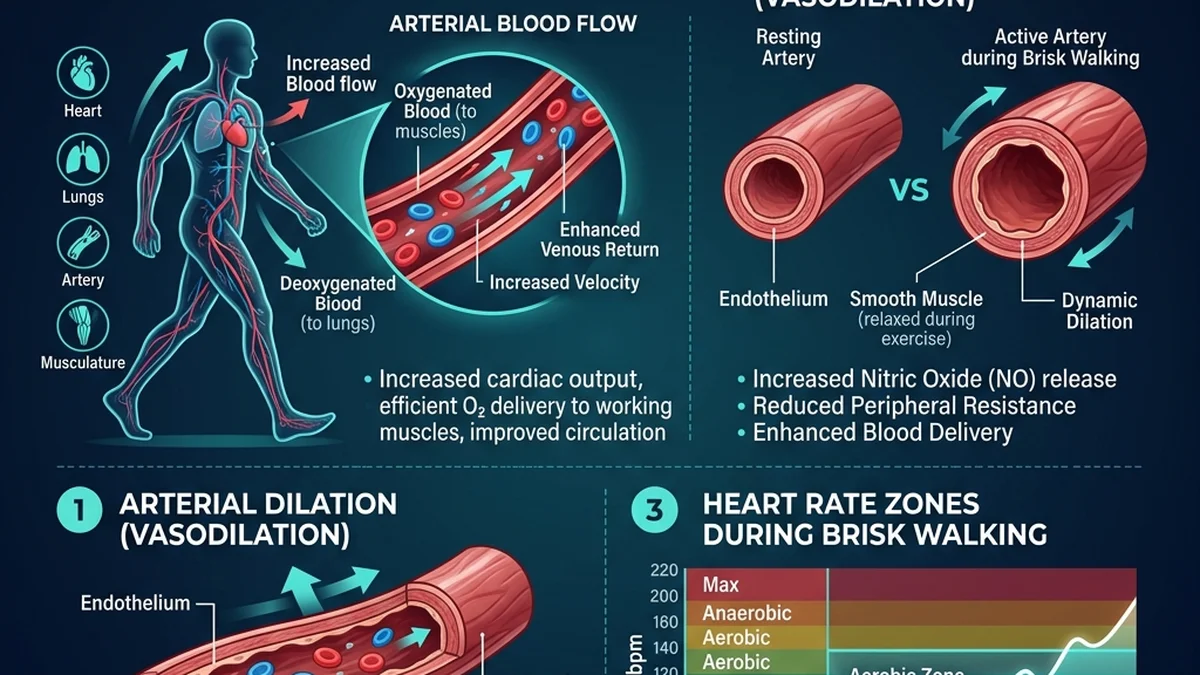
Daily brisk walking is a powerful stimulus for the cardiovascular system. As you walk, the physical demand on your skeletal muscles increases, requiring a higher supply of oxygen and nutrients. To meet this demand, the heart increases cardiac output (CO) by elevating both heart rate and stroke volume. This increase in blood flow creates frictional forces against the inner lining of your blood vessels, a phenomenon known as fluid shear stress.
Endothelial cells lining the blood vessels detect this shear stress and respond by upregulating the enzyme endothelial nitric oxide synthase (eNOS). This enzyme converts the amino acid L-arginine into nitric oxide (NO), a potent vasodilator. Nitric oxide diffuses into the surrounding vascular smooth muscle cells, stimulating them to relax. This relaxation widens the blood vessels, reducing total peripheral resistance (TPR) and helping to maintain healthy blood pressure levels.
SPONSORED CONTENT
According to Poiseuille's Law, vascular resistance (R) is inversely proportional to the fourth power of the vessel radius (r):
R = (8 * η * L) / (π * r^4)
where η represents blood viscosity and L is vessel length. This relationship means even small increases in blood vessel diameter caused by nitric oxide release can significantly reduce vascular resistance and ease the workload on the heart. By maintaining a daily walking routine, you support this endothelial function, helping to keep blood vessels flexible and reducing the risk of hypertension and atherosclerosis.
2. Lower Extremity Musculature and Venous Return (The Skeletal Muscle Pump)
Unlike the arterial system, which relies on the high pressure generated by the heart to distribute blood, the venous system is a low-pressure network. Returning blood from the lower extremities back to the heart against the force of gravity is a physical challenge. Walking solves this problem through the action of the skeletal muscle pump, primarily involving the contraction of the soleus and gastrocnemius muscles in the calves.
When you take a step, these calf muscles contract, compressing the deep veins running through the lower legs. This compression squeezes blood out of the compressed segment. Because veins contain one-way valves that prevent blood from flowing backward, this action forces the blood upward toward the heart. When the muscles relax, the valves close to prevent backflow, and the vein refills with blood from the superficial system, preparing for the next contraction.
This skeletal muscle pump is essential for maintaining venous return (VR). According to the Frank-Starling Law of the heart, an increase in venous return leads to a greater end-diastolic volume (EDV) in the heart's ventricles. This volume stretches the myocardial fibers, causing them to contract with greater force and increasing stroke volume (SV). By walking regularly, you support this muscle pump, preventing venous pooling in the lower legs and reducing the risk of varicose veins and deep vein thrombosis.
3. Insulin-Independent Glucose Disposal and Glycogen Clearance
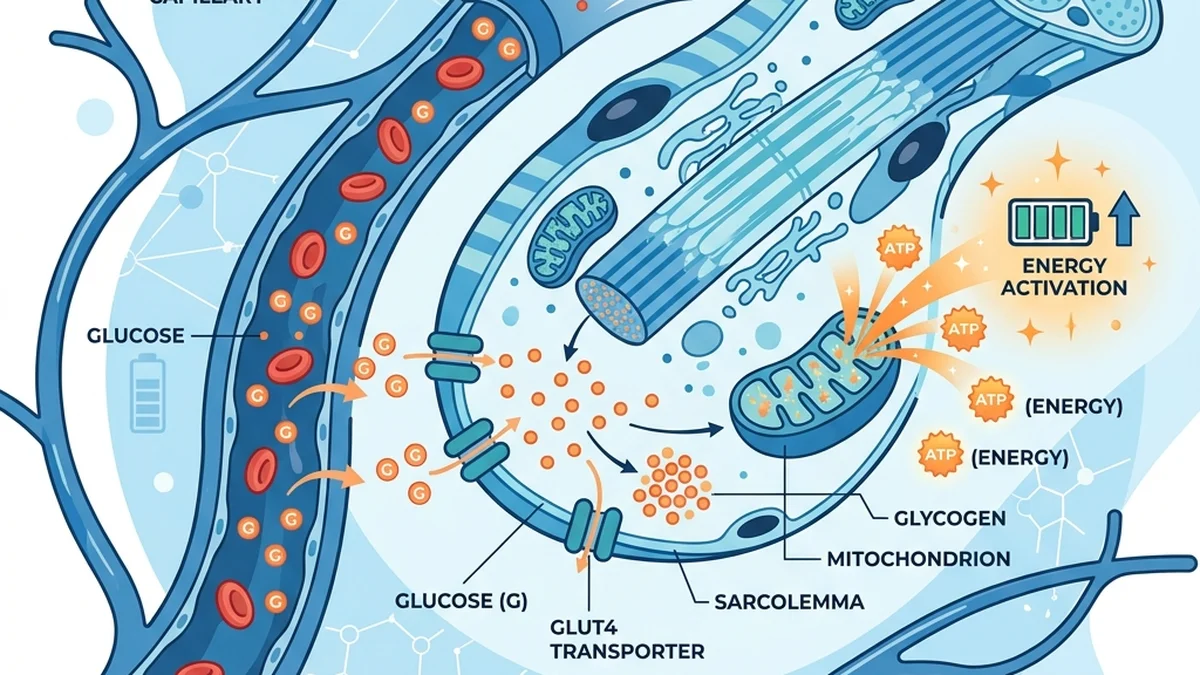
Walking is a highly effective way to manage blood sugar levels and support metabolic health. Under resting conditions, the uptake of glucose from the bloodstream into skeletal muscle cells relies primarily on insulin. When insulin binds to its receptor on the cell membrane, it initiates a signaling cascade that causes glucose transporter type 4 (GLUT4) proteins to move from storage vesicles inside the cell to the cell surface, allowing glucose to enter.
During walking, skeletal muscle contractions stimulate glucose uptake through an alternative pathway that does not require insulin. The physical contraction of the muscles alters the ratio of adenosine triphosphate (ATP) to adenosine monophosphate (AMP) inside the cells. This change activates the enzyme AMP-activated protein kinase (AMPK). Activated AMPK triggers the movement of GLUT4 transporters to the cell membrane independently of insulin signaling.
This insulin-independent glucose uptake is particularly valuable for individuals with insulin resistance, prediabetes, or type 2 diabetes. By walking, you allow working muscles to clear glucose from the bloodstream even if your cells are resistant to insulin. Additionally, walking burns stored glycogen in the muscles. As glycogen stores decrease, the cells become more sensitive to insulin to rebuild those stores, extending the metabolic benefits of your walk for hours after you finish.
4. Retinal Light Signaling, ipRGCs, and Suprachiasmatic Nucleus Entrainment
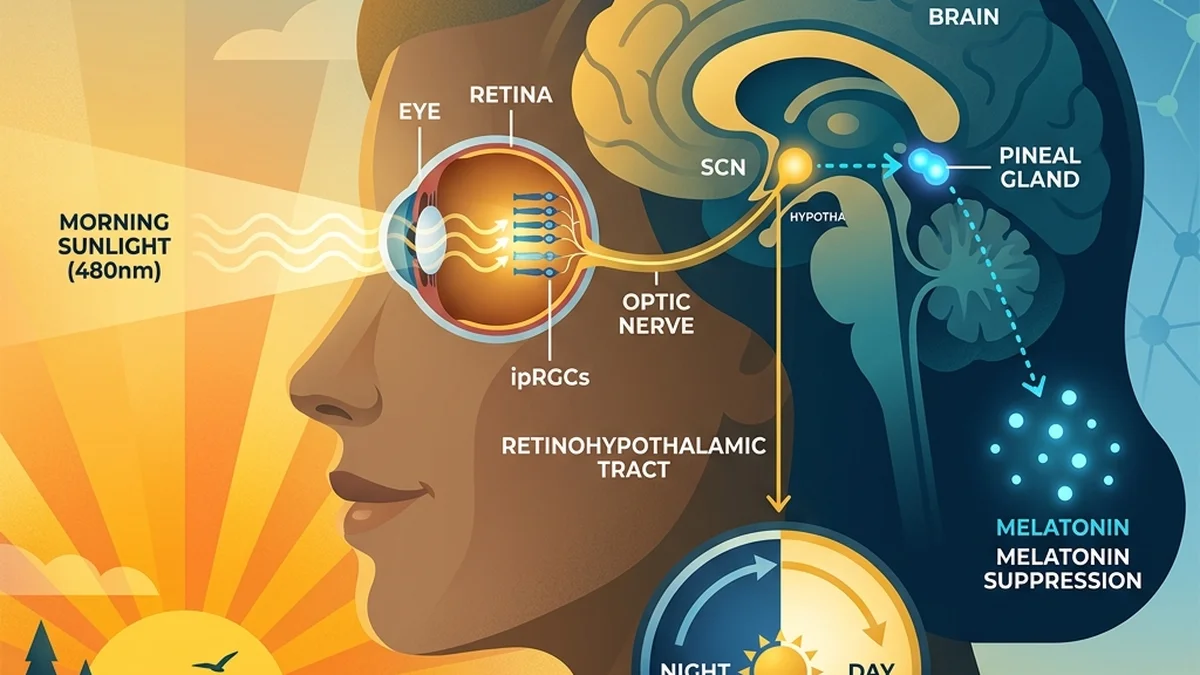
Walking outdoors, especially in the morning, offers health benefits that go beyond the physical movement itself. When you step outside, your eyes are exposed to natural sunlight. This light is detected by a specialized group of cells in the retina called intrinsically photosensitive retinal ganglion cells (ipRGCs). These cells contain the light-sensitive photopigment melanopsin, which is particularly sensitive to the blue wavelengths of light present in natural sunlight.
When melanopsin absorbs light, ipRGCs send electrical signals directly to the suprachiasmatic nucleus (SCN) in the brain's hypothalamus via the retinohypothalamic tract. The SCN is the body's master circadian clock, coordinating the timing of physiological processes over a 24-hour cycle. When the SCN receives these signals, it instructs the pineal gland to suppress the production of melatonin, the hormone that promotes sleep, which helps you wake up and increases morning alertness.
This morning suppression of melatonin also resets your biological clock, setting a timer for the evening. This reset helps ensure that melatonin production starts at the right time later in the day, making it easier to fall asleep at night. Regular morning walks help align your circadian rhythm, which supports better sleep quality, consistent hormone levels, and overall metabolic health.
5. Osteogenic Micro-strain and Piezoelectric Osteoblast Activation
Bone is a dynamic tissue that constantly remodels in response to mechanical stress. Walking is a weight-bearing exercise, meaning your bones must support your body weight against gravity. Each step you take transmits impact forces through your feet and legs, creating tiny deformations (micro-strain) in the mineralized matrix of your bones, particularly in the tibia, fibula, and femur.
These small physical deformations cause fluid to move through the tiny channels (canaliculi) within the bone matrix. Osteocytes, the cells that monitor bone structure, detect this fluid movement. The movement activates mechanosensitive ion channels on the osteocyte membranes, a process linked to the piezoelectric effect. This activation allows calcium ions to flow into the cells, triggering a chemical signaling cascade.
In response to these signals, osteocytes produce signaling molecules that recruit and activate osteoblasts, the cells responsible for building new bone tissue. Osteoblasts deposit calcium and phosphorus to strengthen the bone matrix, increasing bone mineral density (BMD). Regular weight-bearing exercise like walking helps maintain bone strength, reducing the risk of osteopenia and osteoporosis as you age.
6. Neuroplasticity, Brain-Derived Neurotrophic Factor, and Hippocampal Preservation
Walking regularly offers significant cognitive benefits. Physical exercise raises your heart rate, which increases cerebral blood flow. This elevated blood flow delivers more oxygen and nutrients to the brain, while also promoting the release of brain-derived neurotrophic factor (BDNF), a protein that plays a key role in brain health.
BDNF acts by binding to tropomyosin receptor kinase B (TrkB) receptors on neurons in the brain, particularly in the hippocampus, a region critical for learning and long-term memory. This binding activates pathways that support the survival of existing brain cells, encourage the growth of new connections (synapses), and promote neurogenesis, the creation of new neurons in the dentate gyrus of the hippocampus.
Clinical studies show that older adults who walk consistently have larger hippocampal volumes and better memory performance than those who are sedentary. By supporting BDNF production and neurogenesis, a daily walk helps maintain cognitive function, improves mental clarity, and helps protect the brain against age-related decline and dementia.
7. Pulmonary Ventilation and Oxygen Kinetics (VO2)
Walking regularly improves the efficiency of your respiratory system. When you walk, your working muscles consume more oxygen to produce energy. To meet this demand, your body increases minute ventilation (VE), which is the total volume of air inhaled and exhaled per minute. This change is driven by an increase in both breathing depth (tidal volume) and breathing rate.
This increased ventilation improves oxygen kinetics, allowing your lungs to transfer oxygen into the bloodstream more efficiently. Over time, consistent walking strengthens your respiratory muscles, including the diaphragm and intercostal muscles, reducing the physical effort required to breathe during exercise. It also helps open underutilized air sacs (alveoli) in the lungs, maximizing the surface area available for gas exchange and improving overall respiratory capacity.
8. Lipid Metabolism and Lipoprotein Lipase Activation
Daily walking helps maintain healthy cholesterol levels and supports lipid metabolism. Skeletal muscle contractions during walking activate an enzyme called lipoprotein lipase (LPL). This enzyme is located on the inner walls of capillaries in muscle and fat tissues, where it plays a key role in managing circulating fats.
When activated, LPL breaks down triglycerides carried in very-low-density lipoproteins (VLDL) and chylomicrons in the bloodstream. This process converts triglycerides into free fatty acids, which your muscles can absorb and use as fuel. This enzyme activity helps lower blood triglyceride levels. Additionally, walking is associated with an increase in high-density lipoprotein cholesterol (HDL-C), which helps transport excess cholesterol away from blood vessels back to the liver for excretion.
9. Immunological Surveillance and Lymphatic Drainage
Regular walking support immune function by promoting the circulation of immune cells throughout the body. The physical movement and increased heart rate during a walk stimulate the release of white blood cells, including natural killer (NK) cells and T-lymphocytes, into the bloodstream. This improved circulation helps these cells identify and respond to pathogens more quickly, boosting immune surveillance.
Walking also supports the lymphatic system, a network of vessels that transports immune cells and filters waste from tissues. Unlike the cardiovascular system, the lymphatic system does not have a central pump like the heart. Instead, it relies on the physical contraction of surrounding muscles and changes in tissue pressure during movement to push lymph fluid through its vessels. The rhythmic movement of walking acts as a natural pump, supporting lymphatic flow and helping to clear metabolic waste from tissues.
10. Joint Lubrication and Cartilage Imbibition
Articular cartilage is the smooth tissue that covers the ends of bones in joints, allowing them to glide over each other easily. Unlike most tissues, cartilage does not have its own blood supply to deliver nutrients and oxygen. Instead, it relies on synovial fluid, the lubricating liquid found inside joints, for its nutrition.
This nutrient delivery happens through a process called joint imbibition. When you take a step, the weight-bearing pressure compresses the joint cartilage, squeezing out fluid and metabolic waste. When you lift your foot, the pressure is released, and the cartilage expands, drawing in fresh, nutrient-rich synovial fluid. The repetitive motion of walking acts as a pump, circulating synovial fluid and supporting joint health, which helps manage stiffness and pain in weight-bearing joints.
Clinical Comparison of Low-Impact Aerobic Modalities
To understand where walking fits into a comprehensive health routine, it is helpful to compare it to other low-impact aerobic activities. The table below compares walking, cycling, swimming, and elliptical training across metabolic cost, joint impact, and primary physiological benefits.
| Activity | Typical Metabolic Cost (METs) | Joint Impact Level | Primary Physiological System | Key Clinical Benefit |
|---|---|---|---|---|
| Brisk Walking | 3.5 to 4.5 | Low (Weight-Bearing) | Cardiovascular & Skeletal | Supports bone density via osteogenic loading and stimulates venous return. |
| Outdoor Cycling | 5.5 to 7.5 | Very Low (Non-Weight-Bearing) | Cardiovascular & Muscular | Builds quadriceps strength and supports aerobic fitness with minimal joint stress. |
| Lap Swimming | 6.0 to 8.0 | Zero (Buoyant) | Cardiopulmonary & Muscular | Engages the whole body, improves lung capacity, and removes gravity-related joint stress. |
| Elliptical Trainer | 5.0 to 6.5 | Very Low (Weight-Bearing) | Cardiovascular | Provides low-impact weight-bearing exercise that mimics running mechanics. |
Daily Walking Routine and Progress Tracking Log
Using a structured checklist can help you track your daily walking habits and monitor your physical progress. Consistency is the key to achieving long-term cardiovascular and metabolic benefits.
| Daily Routine Phase | Clinical Objective | Target Duration / Metric | Completed (M / T / W / T / F / S / S) |
|---|---|---|---|
| Warm-Up Phase | Pre-activates muscle pump; increases joint synovial flow | 5 minutes at slow pace | [ ] [ ] [ ] [ ] [ ] [ ] [ ] |
| Brisk Walking Phase | Elevates heart rate into zone 2; triggers eNOS release | 20 to 30 minutes brisk pace | [ ] [ ] [ ] [ ] [ ] [ ] [ ] |
| Cool-Down Phase | Prevents venous pooling; lowers heart rate gradually | 5 minutes slow pace | [ ] [ ] [ ] [ ] [ ] [ ] [ ] |
| Posture Check | Keeps spine aligned; optimizes breathing depth | Upright spine; active core | [ ] [ ] [ ] [ ] [ ] [ ] [ ] |
| Hydration Support | Maintains blood volume and supports thermoregulation | 8 to 12 oz water post-walk | [ ] [ ] [ ] [ ] [ ] [ ] [ ] |
Clinical Frequently Asked Questions
How does daily walking help manage high blood pressure?
Daily walking helps manage high blood pressure by stimulating the release of nitric oxide from endothelial cells. Nitric oxide promotes vasodilation, which relaxes and widens blood vessels. This effect reduces total peripheral resistance, lowering the pressure within the arterial system. Regular walking also supports autonomic balance, helping to keep resting blood pressure within healthy ranges.
What is the skeletal muscle pump, and why is it important during walking?
The skeletal muscle pump is a mechanism where contractions of the calf muscles compress deep veins in the legs, squeezing blood upward toward the heart. One-way valves in the veins prevent blood from flowing backward. This action increases venous return and helps prevent blood from pooling in the lower limbs, supporting overall circulation and reducing the risk of varicose veins.
Can walking help clear blood glucose if someone is insulin resistant?
Yes, walking is highly effective for clearing blood glucose in individuals with insulin resistance. Muscle contractions activate the enzyme AMPK, which triggers the movement of GLUT4 glucose transporters to the cell membrane. This process allows skeletal muscle cells to absorb glucose directly from the blood without relying on insulin signaling, helping to lower post-meal blood sugar spikes.
Why is morning sunlight exposure beneficial during outdoor walks?
Morning sunlight exposure stimulates specialized cells in the retina (ipRGCs) that signal the brain's master clock (SCN) to suppress melatonin production, helping you feel awake. This morning light exposure also sets a timer that supports natural melatonin release in the evening, helping align your circadian rhythm for better sleep quality.
How does weight-bearing walking support bone mineral density?
Walking supports bone density by placing mechanical stress on the bone matrix. This stress causes fluid movement within the bone's microscopic channels, activating osteocytes through mechanosensitive pathways. These cells then recruit osteoblasts to deposit calcium and other minerals, strengthening the bone and helping to prevent bone loss.
High-Authority Educational Videos
To deepen your understanding of walking physiology and learn practical strategies for managing your cardiovascular health, watch these educational video guides from leading clinical resources.
Mayo Clinic: Walking for Heart Health
An educational overview from the Mayo Clinic outlining how daily walking acts as a simple step to protect cardiovascular health and lower disease risks.
Cleveland Clinic: Exercise for a Healthy Heart
Cardiology experts at the Cleveland Clinic discuss the amount and intensity of daily physical activity required to maintain cardiovascular health and lower disease risks.
Clinical Sources and References
- American Heart Association (AHA): Guidelines for Physical Activity and Cardiovascular Health. AHA Health Resources.
- Centers for Disease Control and Prevention (CDC): Physical Activity Guidelines for Americans. CDC Exercise Resources.
- Mayo Clinic: Walking: Trim your waistline, improve your health. Mayo Clinic Walking Guidelines.
- Cleveland Clinic: Cardiorespiratory exercise and vascular function. Cleveland Clinic Cardiac Care.
- Poiseuille, J. L. M. (1840): Recherches experimentales sur le mouvement des liquides dans les tubes de tres petits diametres. Comptes Rendus de l'Academie des Sciences.
- Frank, O. (1895): Zur Dynamik des Herzmuskels. Zeitschrift fur Biologie, 32, 370-447.
- Starling, E. H. (1918): The Linacre Lecture on the Law of the Heart. Longmans, Green & Co.
Medical Review Disclaimer: The cardiovascular, metabolic, and osteogenic protocols described in this article are for general educational purposes and represent standard evidence-based lifestyle practices. If you have a history of cardiovascular disease, joint disorders, or are starting a new exercise program after a long period of inactivity, please consult a qualified healthcare provider. See our full Medical Disclaimer and Editorial Policy.

Ganesh G Kamble
Ganesh G Kamble is the founder and editor of Health is Heaven. He spent 14 years as a techno-functional consultant on enterprise ERP systems in Bangalore before turning his attention to health publishing. His background is technical, not clinical, and he is not a medical professional. He started Health is Heaven because most online health information is either too vague to act on, too technical to understand, or too commercial to trust. The site's mission is to provide clear, evidence-based answers to common health questions, with sources you can verify, alongside free interactive calculators built using standard medical formulas published by recognised authorities including the World Health Organization, the U.S. Centers for Disease Control and Prevention, the American Heart Association, the American Diabetes Association, and the National Institutes of Health. Every article is reviewed against authoritative sources before publishing, dated with both publish and last-updated timestamps, and clearly marked as informational only when covering medical topics. Articles dealing with diagnosis, treatment, or medication recommend speaking with a qualified healthcare provider. The site does not accept paid placements that influence editorial content; any future advertising is clearly labelled and separated from articles. Ganesh is based in Bangalore, India, and connects with readers and collaborators on LinkedIn.