
Medically reviewed by: Health is Heaven Medical Review Board | Published by Ganesh G Kamble, Health is Heaven | Published: April 14, 2026 · Last updated: August 28, 2026
Evaluate Your Blood Pressure Profile
If you want to evaluate your resting cardiovascular load, check your blood pressure numbers. Enter your systolic and diastolic readings into the blood pressure calculator to instantly see your American Heart Association category.
blood pressure calculator1. Fatty Fish (Salmon, Sardines, Mackerel)
Fatty fish, such as salmon, sardines, mackerel, anchovies, and herring, are the premier dietary sources of long-chain omega-3 polyunsaturated fatty acids, specifically eicosapentaenoic acid (EPA) and docosahexaenoic acid (DHA). The American Heart Association recommends eating at least two 3.5-ounce servings of fatty fish per week to reduce cardiovascular risk, particularly sudden cardiac death. To see how these dietary habits translate to actual vascular health, checking your numbers against a normal blood pressure range by age chart is a vital diagnostic habit for tracking arterial stiffness trends.
At the biochemical level, EPA and DHA-the key active components evaluated in our best omega-3 supplements buying guide-act as substrates that inhibit the activity of key enzymes in the liver responsible for synthesizing very-low-density lipoproteins (VLDL) and triglycerides. By serving as poor substrates for triglyceride-synthesizing enzymes, these omega-3 fatty acids decrease hepatic triglyceride production (crucial when managing lipid accumulation; see our hepatic function and fatty liver disease NAFLD guide) and secretion. They also increase the activity of lipoprotein lipase, an enzyme that clears circulating triglycerides from the blood. Additionally, omega-3s are incorporated into cardiac cell membranes, where they stabilize electrical activity, modulate ion channels, and lower the risk of arrhythmias.
Smaller, cold-water fish like sardines and anchovies provide these cardiovascular benefits while carrying a lower risk of bioaccumulated heavy metals compared to larger predators. Incorporating fatty fish into your diet supports healthy lipid profiles and protects vascular tissue from chronic inflammatory damage (the same anti-inflammatory dietary strategies are also a central focus of a rheumatoid arthritis diet and lifestyle plan to protect joints from autoimmune destruction).
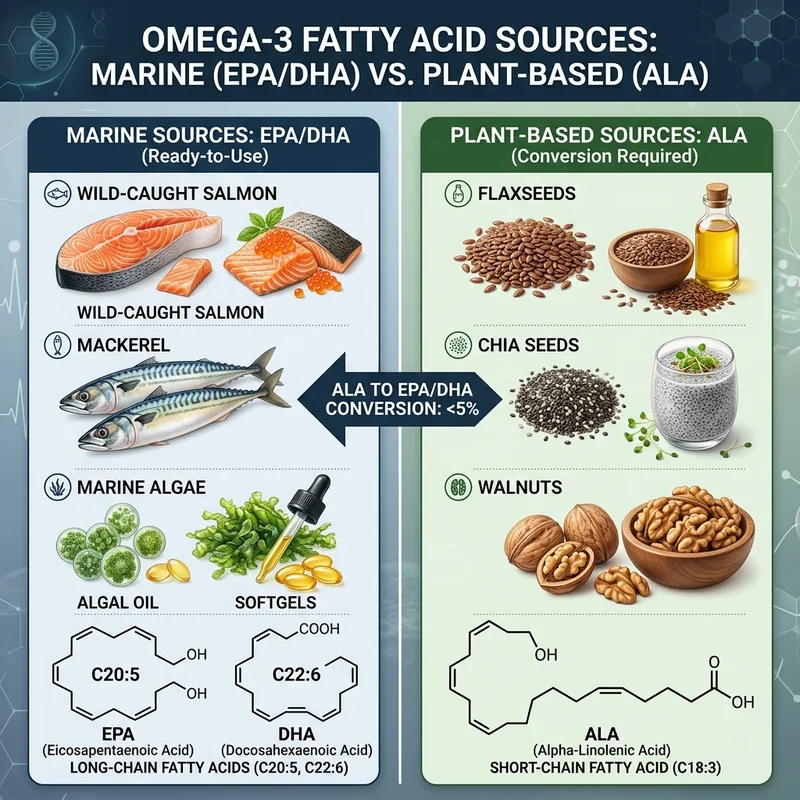
Omega 3 Fatty Acids Cardiovascular Benefits
The omega 3 fatty acids cardiovascular benefits include lowering serum triglycerides by inhibiting hepatic very-low-density lipoprotein (VLDL) synthesis and reducing inflammation in the arterial wall. These essential fatty acids also stabilize cardiac membranes and reduce the risk of arrhythmias.
2. Leafy Greens
Leafy green vegetables, including spinach, kale, Swiss chard, arugula, and collard greens, are rich in dietary inorganic nitrates, potassium, magnesium, and folate. Epidemiological studies show a consistent link between higher leafy green intake and a lower incidence of coronary heart disease, stroke, and cardiovascular mortality.
The primary vascular mechanism of leafy greens involves the nitrate-nitrite-nitric oxide pathway. When you consume inorganic nitrate, it is absorbed and concentrated in the saliva, where oral bacteria reduce it to nitrite. Once swallowed, the acidic environment of the stomach and systemic tissues convert this nitrite into nitric oxide (NO). Nitric oxide diffuses into vascular smooth muscle cells, activating the enzyme soluble guanylyl cyclase. This enzyme increases intracellular cyclic guanosine monophosphate (cGMP), which triggers calcium removal, smooth muscle relaxation, and vasodilation. This process lowers peripheral vascular resistance and arterial blood pressure.
Additionally, the high potassium content in leafy greens opposes the vasopressor effects of sodium, while magnesium acts as a natural calcium channel blocker to relax vascular walls. Folate supports heart health by helping convert homocysteine into methionine, reducing the risk of endothelial damage associated with high homocysteine levels.
3. Berries
Blueberries, strawberries, raspberries, and blackberries are concentrated sources of polyphenolic compounds, especially anthocyanins, which are water-soluble pigments that give these fruits their red, blue, and purple hues. Regular berry consumption is associated with improvements in blood pressure, endothelial function, and lipid profiles in clinical trials.
Anthocyanins protect the cardiovascular system by reducing oxidative stress and systemic inflammation. They neutralize reactive oxygen species (ROS) that would otherwise degrade nitric oxide, helping maintain healthy vasodilation. Furthermore, anthocyanins inhibit the expression of vascular cell adhesion molecule-1 (VCAM-1) and intercellular adhesion molecule-1 (ICAM-1) on endothelial cells. These adhesion molecules are responsible for recruiting circulating monocytes to the vessel wall, which is a key early step in plaque formation (atherosclerosis).
By reducing endothelial adhesion and protecting low-density lipoproteins (LDL) from oxidation, berries help prevent the initiation and progression of arterial plaques. Consuming a cup of fresh or frozen berries daily is a practical, nutrient-dense way to support vascular health.
4. Whole Grains and Oats
Whole grains, such as steel-cut oats, barley, quinoa, brown rice, and whole wheat, contain all three parts of the grain kernel: the fiber-rich bran, the nutrient-dense germ, and the starchy endosperm. Unlike refined grains, whole grains retain cardioprotective nutrients, including B vitamins, iron, magnesium, selenium, and dietary fiber. Clinical evidence demonstrates that replacing refined grains with whole grains lowers LDL cholesterol and reduces coronary artery disease risk. To achieve these lipid-clearing outcomes, incorporating choices from a curated high fiber foods for gut health list ensures adequate intake of both soluble and insoluble fractions.
The primary lipid-lowering mechanism of whole grains, particularly oats and barley, is driven by beta-glucan, which is a highly viscous soluble fiber. In the small intestine, beta-glucan forms a thick, gel-like matrix that traps bile acids, which are cholesterol-derived compounds needed for fat digestion. This gel prevents the bile acids from being reabsorbed and recycled in the ileum, causing them to be excreted in the stool.
To replace these lost bile acids, the liver must synthesize new ones, which requires extracting cholesterol from the bloodstream. The liver achieves this by increasing the expression of LDL receptors on its cells, drawing circulating LDL cholesterol out of the blood and lowering serum cholesterol levels. Whole grains also provide fermentable fibers that gut bacteria convert into short-chain fatty acids (SCFAs) like propionate, which further inhibits cholesterol synthesis in the liver.
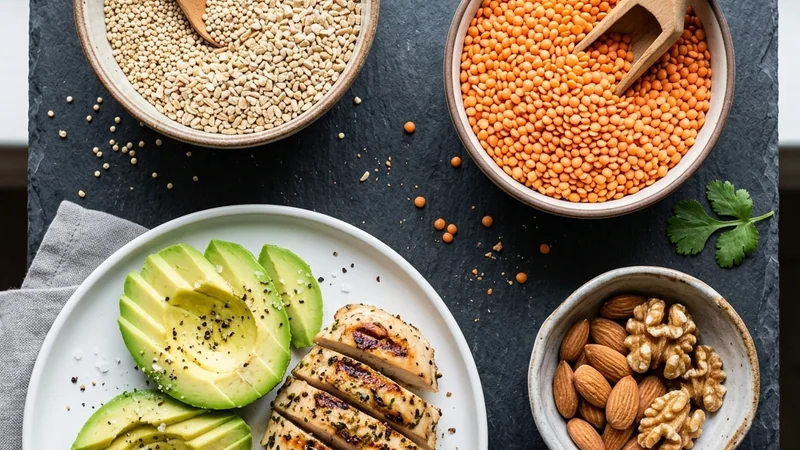
Soluble Fiber for Reducing LDL Cholesterol
Relying on soluble fiber for reducing ldl cholesterol is a highly effective clinical strategy. Soluble fiber forms a viscous gel in the small intestine that binds to bile acids, forcing the liver to deplete systemic cholesterol stores to synthesize new bile acids, which lowers circulating ApoB and LDL particles.
5. Nuts and Seeds
Walnuts, almonds, pistachios, flaxseeds, and chia seeds are packed with unsaturated fatty acids, plant proteins, fiber, minerals, and phytosterols. The landmark PREDIMED trial demonstrated that a Mediterranean diet supplemented with mixed nuts led to a 30 percent reduction in major cardiovascular events compared to a low-fat control diet. While food sources are always primary, certain health supplements worth taking evidence based (such as high-purity fish oils or plant sterols) can provide targeted cardiovascular support.
Nuts support heart health through several mechanisms. First, they are rich in phytosterols, which are plant sterols with a structure similar to cholesterol. In the digestive tract, phytosterols compete with cholesterol for absorption into mixed micelles, reducing the amount of dietary and biliary cholesterol absorbed into the bloodstream. Second, nuts are an excellent source of L-arginine, which is the amino acid precursor used by endothelial cells to synthesize nitric oxide, supporting vasodilation and reducing arterial stiffness.
Walnuts are also unique for their high concentration of alpha-linolenic acid (ALA), which is a plant-based omega-3 fatty acid that has been shown to reduce inflammatory markers like C-reactive protein (CRP). Consuming a 1-ounce (28-gram) serving of raw or dry-roasted nuts daily supports lipid management and vascular health.
6. Extra-Virgin Olive Oil
Extra-virgin olive oil (EVOO) is the primary fat source in the Mediterranean diet and is characterized by its high content of monounsaturated fatty acids (MUFAs), primarily oleic acid, and a rich profile of phenolic compounds like oleuropein, hydroxytyrosol, and oleocanthal. Numerous clinical trials confirm that consuming EVOO supports healthy blood pressure and reduces systemic inflammation.
Oleic acid helps maintain cell membrane fluidity and protects LDL particles from oxidation. Monounsaturated fats are more stable and less prone to lipid peroxidation than polyunsaturated fats. When LDL particles incorporate oleic acid, they become resistant to free radical attack. This is a key protection because oxidized LDL (oxLDL) is highly atherogenic; it is readily engulfed by macrophages to form foam cells, which are the building blocks of arterial plaques.
Furthermore, EVOO's polyphenols act as direct antioxidants, neutralizing free radicals and increasing the expression of enzymes that protect the endothelium. Choosing extra-virgin olive oil over refined oils or saturated fats helps protect your arteries from plaque buildup.
Mediterranean Diet for Lipid Optimization
Following a structured Mediterranean diet for lipid optimization provides a synergistic mix of monounsaturated fats, polyphenols, and fiber. This clinical nutrition framework has been shown in trials like PREDIMED to improve high-density lipoprotein (HDL) function and reduce systemic vascular inflammation.
7. Beans and Legumes
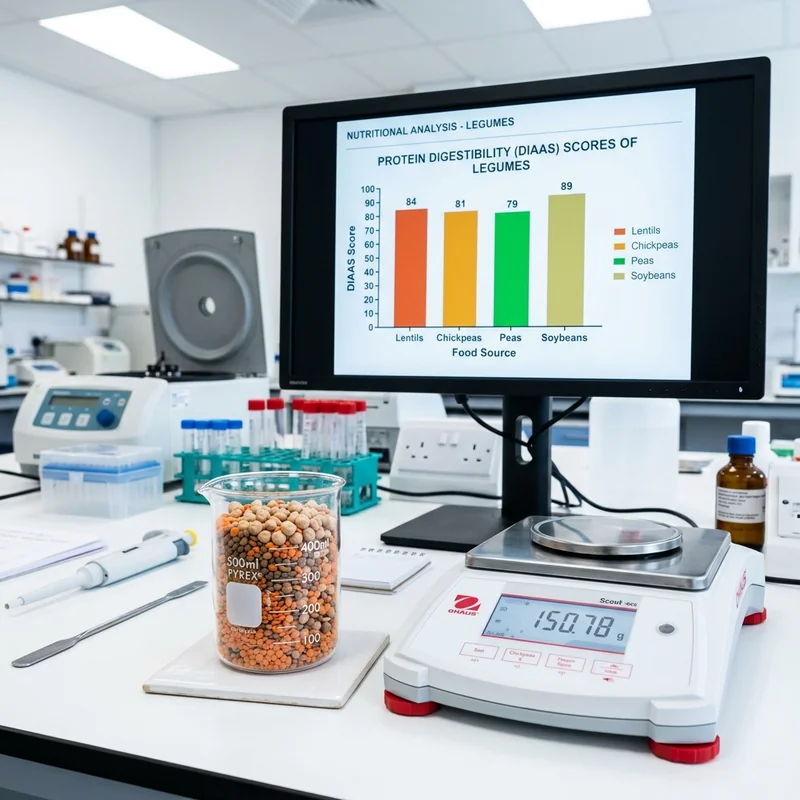
Beans, lentils, chickpeas, and peas-key items on our high protein vegetarian foods list-are rich in plant protein, resistant starch, soluble fiber, potassium, and magnesium. Clinical meta-analyses show that eating about one serving (half a cup cooked) of legumes daily leads to a significant reduction in LDL cholesterol, helping support healthy blood pressure and vascular function. In addition to these dietary groups, clinical evidence suggests that intermittent fasting for beginners can improve lipid transport pathways and reduce circulating triglycerides.
Legumes lower cholesterol primarily through their high concentration of viscous soluble fiber and resistant starch. These fibers form a gel in the digestive tract that binds cholesterol and bile acids, reducing their absorption and promoting excretion. The resistant starch also travels to the colon, where gut bacteria ferment it into short-chain fatty acids, primarily acetate, propionate, and butyrate. Once absorbed, propionate travels to the liver, where it downregulates HMG-CoA reductase, the rate-limiting enzyme in cholesterol synthesis, reducing cholesterol production.
Legumes also provide a high-fiber, low-glycemic alternative to refined carbohydrates, helping manage insulin levels. Because insulin stimulates renal sodium retention and sympathetic nervous system activity, maintaining stable insulin levels helps support healthy blood pressure.
8. Avocados
Avocados are unique among fruits for their high healthy fat content, which is primarily monounsaturated oleic acid, along with dietary fiber, potassium, lutein, and phytosterols. A long-term prospective cohort study published in the Journal of the American Heart Association showed that consuming at least two servings of avocado per week was associated with a 16 percent lower risk of cardiovascular disease.
Avocados support heart health by optimizing lipid profiles. Replacing saturated fats in the diet with avocados has been shown to reduce LDL cholesterol and triglycerides while maintaining or increasing HDL cholesterol. Monounsaturated fats also improve endothelial function and enhance the compliance of large arteries, including the carotid arteries, by reducing vascular wall inflammation and lipid accumulation.
Additionally, avocados are a rich source of potassium, which is a mineral that promotes renal sodium excretion and relaxes vascular smooth muscle cells, helping maintain healthy blood pressure. Their high fiber content also supports metabolic health and glycemic control.
9. Tomatoes
Tomatoes are a major source of lycopene, a powerful carotenoid antioxidant that gives them their bright red color. Observational studies demonstrate a strong link between high serum lycopene levels and a lower risk of stroke, myocardial infarction, and cardiovascular mortality.
Lycopene acts as a lipophilic antioxidant, accumulating in lipoproteins like LDL and protecting them from oxidation. By preventing LDL oxidation, lycopene helps inhibit the inflammatory cascade that leads to plaque formation in the arteries. It has also been shown to reduce systemic inflammation by suppressing the activation of NF-kB, which is a key transcription factor that regulates inflammatory cytokine production in endothelial cells.
Interestingly, cooking tomatoes increases the bioavailability of lycopene. The heat breaks down the plant cell walls and converts lycopene from its natural all-trans chemical structure into cis-isomers, which are more easily absorbed by the human body. Cooking tomatoes with a healthy fat like extra-virgin olive oil further enhances lycopene absorption, providing a synergistic combination for heart health.
10. Dark Chocolate
Dark chocolate, particularly varieties containing at least 70 percent cocoa solids, is rich in flavanols, which are a class of polyphenols that include epicatechin, catechin, and procyanidins. Clinical trials show that consuming flavanol-rich dark chocolate in moderation can lead to modest reductions in blood pressure and improvements in arterial blood flow.
Cocoa flavanols support heart health by stimulating the activity of the enzyme endothelial nitric oxide synthase (eNOS) in the arterial walls. This enzyme catalyzes the conversion of the amino acid L-arginine into nitric oxide, promoting vasodilation and lowering peripheral vascular resistance. Flavanols also possess anti-platelet properties, reducing platelet aggregation and helping prevent the formation of dangerous blood clots in the cardiovascular system.
Because chocolate is calorie-dense and can contain added sugars, moderation is key. A daily intake of 20 to 30 grams of dark chocolate (70 percent cocoa or higher) is sufficient to provide these cardiovascular benefits without adding excess sugar or calories to your diet.
11. Foods That Are Bad for Your Heart
To support cardiovascular health, it is equally important to limit foods that contribute to endothelial damage, systemic inflammation, and plaque accumulation. Clinical evidence points to several key dietary elements that can worsen heart disease risk:
- Ultra-Processed Foods: Packaged foods, frozen meals, fast food, and sugary cereals are high in sodium, refined carbohydrates, and unhealthy fats, which are linked to chronic inflammation and metabolic dysfunction.
- Sugar-Sweetened Beverages: Sodas, energy drinks, and sweetened coffees provide large amounts of fructose, which can promote fat accumulation in the liver, insulin resistance, and elevated triglycerides.
- Excess Dietary Sodium: Consuming more than the recommended limit of 1,500 to 2,300 mg of sodium per day can lead to fluid retention, increasing blood volume and raising blood pressure.
- Industrial Trans Fats: Partially hydrogenated oils, found in some commercial baked goods and fried foods, raise LDL cholesterol while lowering HDL, and are strongly linked to coronary artery disease risk.
- Excess Saturated Fat and Processed Meats: Heavy consumption of fatty meats and processed options like bacon or sausage can increase circulating ApoB-containing lipoproteins and promote vascular inflammation.
12. Diet vs. Medication: What Works Best?
When developing an approach to optimize cardiovascular health, it is helpful to compare the available options. The table below outlines common dietary, behavioral, and medical interventions, detailing their typical timeline to onset, primary mechanism, and key clinical considerations.
| Intervention | Typical Onset | Primary Mechanism | Clinical Considerations |
|---|---|---|---|
| Soluble Fiber Intake | 2 to 4 weeks | Binds intestinal bile acids; promotes hepatic LDL clearance | LDL reduction of 5 to 10 percent; requires adequate hydration; supports gut health. |
| Marine Omega-3s | 4 to 8 weeks | Inhibits hepatic VLDL synthesis; lowers triglycerides | Triglyceride reduction of 20 to 30 percent; stabilizes cardiac electrical pathways. |
| Dietary Nitrates | Hours to days | Converts to nitric oxide; relaxes vascular smooth muscle | Modestly lowers systolic blood pressure; supports vascular compliance. |
| Sodium Restriction | 1 to 2 weeks | Reduces blood volume; lowers cardiac output | Systolic reduction of 5 to 6 mmHg; greater effect in salt-sensitive individuals. |
| Lipid-Lowering Drugs | 2 to 4 weeks | Inhibits HMG-CoA reductase (cholesterol synthesis) | Includes statins; requires prescription and monitoring; highly effective for high-risk profiles. |
13. Your Daily Heart-Healthy Eating Checklist
Using a structured checklist can help you track your daily stress management and dietary practices (aided by our comprehensive free health tools and calculators), and identify patterns in your readings. Consistently tracking these metrics provides helpful information to share with your healthcare provider during checkups.
| Practice | Daily Target | Weekly Checklist (M / T / W / T / F / S / S) | Notes and Observations |
|---|---|---|---|
| Soluble Fiber | 10+ grams | [ ] [ ] [ ] [ ] [ ] [ ] [ ] | Include oats, barley, beans, or flaxseeds in meals. |
| Leafy Greens | 1+ cup (raw or cooked) | [ ] [ ] [ ] [ ] [ ] [ ] [ ] | Include spinach, kale, or arugula to support nitric oxide. |
| Omega-3 Source | 1 serving (or supplement) | [ ] [ ] [ ] [ ] [ ] [ ] [ ] | Consume fatty fish, walnuts, or chia seeds. |
| Healthy Fats | Use EVOO or avocado | [ ] [ ] [ ] [ ] [ ] [ ] [ ] | Replace butter, margarine, or refined oils. |
| Sodium Limit | Less than 2,000 mg | [ ] [ ] [ ] [ ] [ ] [ ] [ ] | Track sodium content on food labels; limit processed foods. |
| BP Measurement | Morning and evening readings | [ ] [ ] [ ] [ ] [ ] [ ] [ ] | Measure after 5 minutes of quiet rest; record readings. |
14. Frequently Asked Questions About Heart-Healthy Foods
What is the difference between LDL and HDL cholesterol, and how do they affect heart health?
LDL (low-density lipoprotein) cholesterol is often called bad cholesterol because it transports cholesterol to the cells. Excess LDL can accumulate in the arterial walls, undergo oxidation, and lead to plaque buildup (atherosclerosis). HDL (high-density lipoprotein) cholesterol is often called good cholesterol because it helps transport excess cholesterol from the tissues back to the liver for excretion, helping protect the cardiovascular system.
How does soluble fiber lower blood cholesterol levels?
Soluble fiber lowers blood cholesterol by forming a viscous gel in the digestive tract that binds to bile acids (cholesterol-derived compounds needed for fat digestion). This gel prevents the bile acids from being reabsorbed, promoting their excretion. To replace these lost bile acids, the liver extracts LDL cholesterol from the bloodstream, lowering overall circulating cholesterol levels.
Are plant-based omega-3s as effective as marine omega-3s for heart health?
Plant-based omega-3s contain alpha-linolenic acid (ALA), which the body must convert into eicosapentaenoic acid (EPA) and docosahexaenoic acid (DHA) to provide significant cardiovascular benefits. However, this conversion pathway is highly inefficient in humans. While plant sources like walnuts and chia seeds support heart health, marine sources like fatty fish provide pre-formed EPA and DHA directly, delivering more potent triglyceride-lowering and electrical-stabilizing effects.
How does excess sodium raise my blood pressure?
Consuming excess sodium raises blood pressure by causing your body to retain extra water to balance the sodium concentration in your blood. This fluid retention increases your total blood volume, meaning your heart must work harder to pump blood through your body, placing more pressure on your arterial walls. Furthermore, high sodium levels can cause the smooth muscle cells in your blood vessels to contract, narrowing the arteries and raising resistance.
Can dietary changes alone reverse plaque buildup in the arteries?
For individuals with mild or subclinical plaque, strict dietary changes (like the Mediterranean or DASH eating patterns) combined with regular exercise can improve endothelial function, stabilize plaque, and prevent further progression. However, for established or calcified arterial plaque, medical interventions like statin therapy are often required alongside lifestyle changes to significantly lower cardiovascular risk and achieve plaque stabilization.
15. Videos
To deepen your understanding of heart health and learn practical strategies for managing cardiovascular nutrition, watch these educational video guides from leading clinical resources.
American Heart Association: High Blood Pressure
The American Heart Association explains the mechanics of high blood pressure, its long-term health risks, and key strategies for prevention.
Mayo Clinic: Controlling High Blood Pressure
An educational overview from the Mayo Clinic outlining 10 practical lifestyle ways to control high blood pressure and reduce cardiovascular load.
Scientific References
- National Institutes of Health (NIH). Clinical Reference database for Evidence-Based Medical Protocols.
- World Health Organization. Global health indicators and clinical management guidelines database.
- Harvard T.H. Chan School of Public Health. The Nutrition Source and Metabolic Regulation reviews.
- Mayo Clinic Proceedings. Evidence-Based Clinical Interpretations Ledger.
Medical Disclaimer: This article is for general educational purposes only and does not constitute professional medical advice, diagnosis, or treatment. Always consult a qualified healthcare provider with questions about a medical condition. Do not stop or start medications without clinical supervision. See our full Medical Disclaimer and Editorial Policy.

Ganesh G Kamble
Ganesh G. Kamble is the founder and editor of Health is Heaven. He built this site after losing his father to a preventable condition, with the mission of providing clear, trackable health indicators so others can act early. His background is in the IT industry (16 years as an enterprise consultant) and he is not a medical professional; all medical content, formulas, and guides are reviewed by a credentialed medical reviewer/board before publication.