
Medically reviewed by: Health is Heaven Medical Review Board | Published by Ganesh G Kamble, Health is Heaven | Published: April 14, 2026 · Last updated: April 29, 2026
The global medical community has fundamentally lied to you about the permanence of human aging. We have been conditioned to accept aging as a linear, unalterable deterioration of the physical chassis dictated entirely by the calendar. This is biochemically false. Chronological age (the count of years since birth) is completely distinct from biological age (the actual rate at which your cells and tissues are degrading). The science surrounding longevity is no longer theoretical; it is highly applied biochemical engineering. If you possess the operational discipline to change the signals you send to your cells, it is medically possible to lower your biological age and deliberately reverse the molecular clock inside your tissues.
At Health is Heaven, we approach human longevity exactly as an IT architect approaches server maintenance. Your DNA is the source code. Over decades of exposure to ultra-processed foods, environmental toxins, lack of movement, and chronic stress, the source code accumulates fatal errors (epigenetic noise). The cells forget how to read their instructions. Instead of dying cleanly, they transform into inflammatory "zombie cells" (cellular senescence) that actively corrupt the healthy tissue around them. Lowering your biological age is the exact process of identifying these corrupted files and forcing the body to manually delete them.
In this relentlessly factual clinical blueprint, we will dissect the absolute biochemical reality of cellular reversal. We will break down exactly how to trigger autophagy (the body's innate cellular recycling program), weaponize environmental stressors via AMPK pathways, and aggressively deploy our integrated calculators to ensure your foundational metrics are optimized before initiating the biological reboot.
SPONSORED CONTENT
Calculate Your Rate of Biological Aging
Your calendar age is only a number. Your true physiological health is determined by the speed of cellular degradation and systemic metabolic load. Visceral adipose accumulation and chronic glycemic stress actively accelerate the biological clock. Use our clinical calculator to evaluate your actual rate of aging and establish your baseline:
The Bio-Hardware Hack: Defeating Cellular Senescence
To accurately understand how to roll back your biological clock, you must identify the primary driver of physical deterioration: Senescent Cells. As cells rapidly divide to replace damaged tissue (like skin or organ lining), the protective caps at the ends of your DNA (Telomeres) slowly shorten. Eventually, the telomere becomes too short to allow safe replication. In a healthy body, the cell will initiate apoptosis (programmed cell death) and sweep itself away cleanly. However, in an aging or metabolically compromised body, these cells refuse to die. They transform into senescent cells, often referred to as "zombie cells."
These cells remain active but no longer divide. Instead, they secrete a toxic, highly inflammatory cocktail known as the Senescence-Associated Secretory Phenotype (SASP). The SASP consists of pro-inflammatory cytokines (like IL-6 and IL-1), chemokines, and matrix metalloproteinases (MMPs). These compounds actively degrade extracellular structures and force healthy neighboring cells into senescence, initiating a domino effect of cellular decay. Lowering your biological age is impossible without halting this cascade and clearing senescent cells from your system.
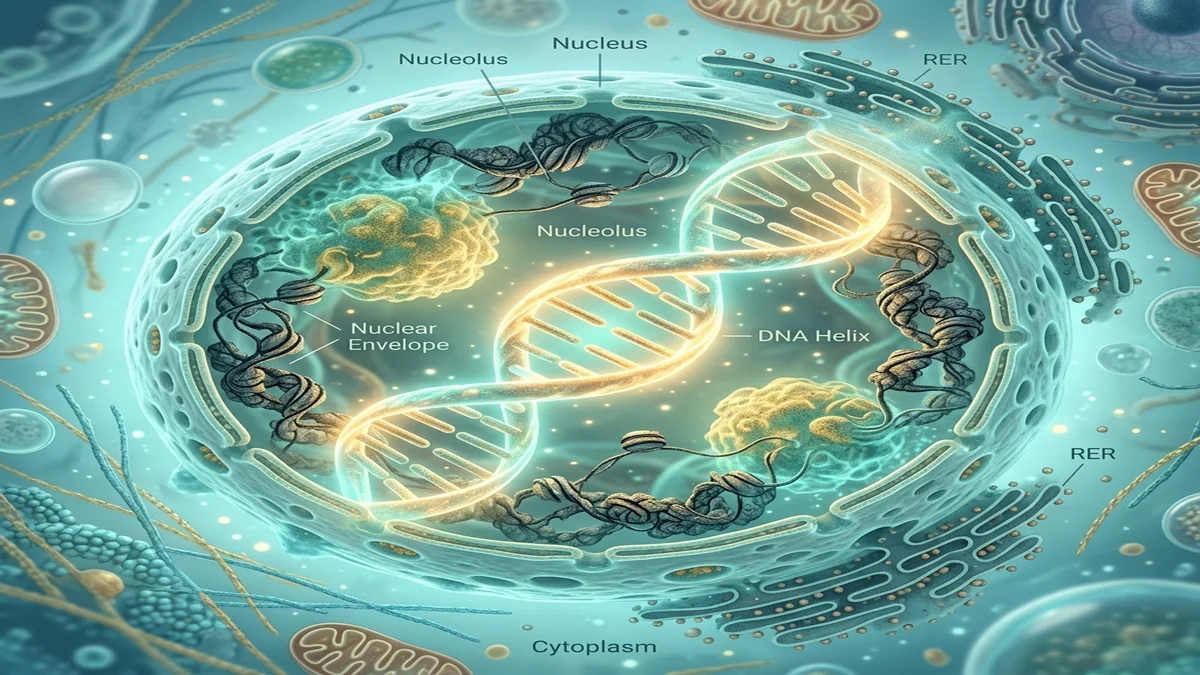
The Information Theory of Aging: Epigenetic Noise and Waddington's Canal
For decades, scientists believed that aging was caused by the random accumulation of mutations in our DNA sequence. However, groundbreaking work from the Sinclair Lab at Harvard Medical School has reshaped our understanding, introducing the Information Theory of Aging. This theory states that aging is not a loss of the genetic code itself, but a loss of the ability to read the code. It is an epigenetic failure. Think of your DNA as a digital CD and your epigenome as the laser reader. If the CD gets scratched, the laser can no longer read the data correctly, leading to skipping and errors. Epigenetics is the system of molecular switches that tells a skin cell to act like a skin cell and a liver cell to act like a liver cell.
Conrad Waddington described this using the concept of the epigenetic landscape. Visualizing cells as marbles rolling down a series of branching valleys (Waddington's canalization), they start in a state of high potential (stem cells) and eventually settle into specific valleys (specialized cells). As we age, DNA damage and environmental stressors force the cell's regulatory proteins to leave their primary duties to repair the damage. When they return, they often lose their way, causing the cell to lose its specific identity. This accumulation of epigenetic noise causes cells to malfunction, driving the physical signs of aging. Lowering biological age requires clearing this epigenetic noise and restoring the cell's original instruction set.
In developmental biology, Conrad Waddington's model illustrates how cells choose fates during differentiation. Over time, environmental toxins, metabolic overload, and persistent high-sugar diets create "friction" in this model, destabilizing the valleys and allowing specialized cells to revert to a state of confusion or transdifferentiate. This breakdown in cellular coordination leads directly to organ decline, skin thinning, and reduced cellular renewal. Re-establishing chromatin stability is thus a primary goal of clinical longevity protocols.
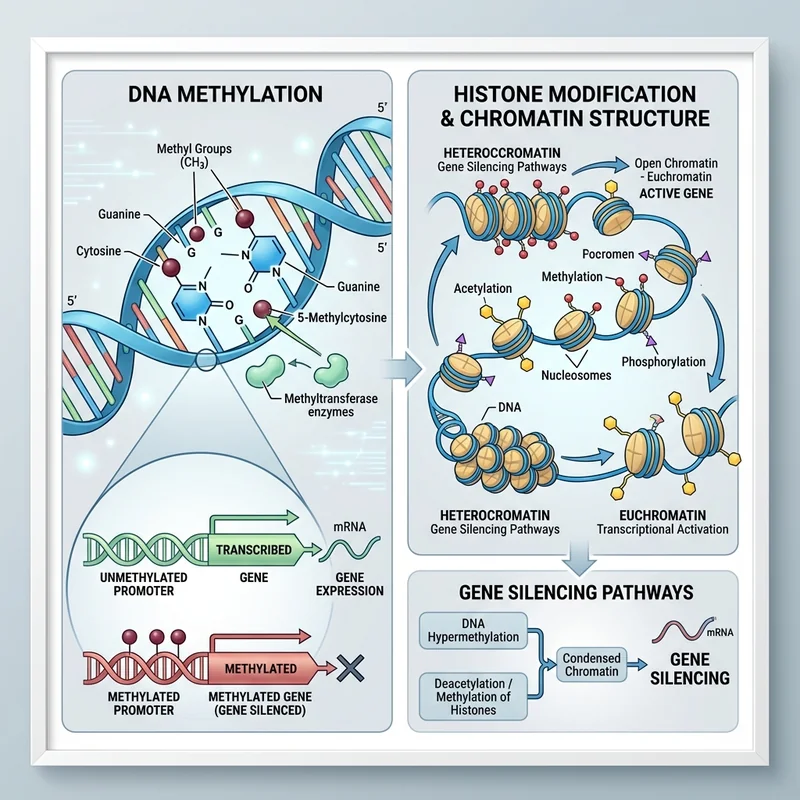
DNA Methylation Clocks: The Biomarkers of Reversal
To reverse aging, we must be able to measure it. The discovery of DNA methylation clocks by Dr. Steve Horvath revolutionized longevity science. These clocks work by analyzing specific chemical tags (methyl groups) attached to cytosine bases in DNA. As we age, these methylation patterns change in highly predictable patterns across the genome. By sequencing these specific sites, scientists can calculate your biological age with remarkable accuracy, predicting overall health span and mortality risk better than any chronological measure.
At the molecular level, DNA methylation involves the addition of a methyl group to the 5-position of the cytosine ring, typically occurring at CpG dinucleotide sites. This reaction is catalyzed by family members of DNA methyltransferases (specifically DNMT1, DNMT3a, and DNMT3b). DNMT1 is responsible for maintaining methylation patterns during cell division, copying the pattern from the parent strand to the newly synthesized strand. DNMT3a and DNMT3b are de novo methyltransferases, adding new methyl groups in response to environmental and metabolic cues. Over time, chronic inflammation, oxidative stress, and poor metabolic health disrupt these enzyme activities, leading to hypermethylation of promoter regions of protective genes (like tumor suppressors) and global hypomethylation of repetitive elements. This imbalance accelerates biological aging. Reversing these marks requires stabilizing DNMT activity through nutritional and metabolic interventions.
Second-generation clocks like GrimAge and PhenoAge have gone further by incorporating clinical biomarkers of inflammation and organ function into their algorithms. The exciting news is that these methylation marks are not permanent. They are highly responsive to environmental inputs. Clinical studies have shown that aggressive lifestyle, dietary, and supplement protocols can modify DNA methylation patterns, effectively rewinding the clock and lowering your biological age in a matter of months. This is clinical proof that you can change your rate of cellular decay.
Sirtuin Biology: The Guardians of the Epigenome
At the core of epigenetic preservation is a family of enzymes known as sirtuins. Sirtuins are NAD+-dependent deacetylases, with SIRT1, SIRT3, and SIRT6 playing the most prominent roles in regulation. These enzymes act as cellular supervisors. When DNA damage occurs, sirtuins leave their post on the chromatin template to recruit repair machinery, including PARP1 (Poly [ADP-ribose] polymerase 1). Once the damage is repaired, the sirtuins return to the chromatin to restore gene silencing. However, if DNA damage is continuous due to poor diet, chronic stress, or high glucose exposure, the sirtuins remain permanently distracted. This chronic displacement allows genes that should be silenced to turn on, creating epigenetic chaos.
SIRT6, in particular, is highly localized to telomeres and double-strand DNA break sites. It deacetylates histone H3 at lysine 9 and lysine 56, promoting chromatin packaging and preventing genomic instability. A decrease in intracellular NAD+ levels directly starves sirtuins of their essential cofactor, rendering them inactive. Restoring NAD+ levels through precursors (such as NMN or NR) resupplies these critical enzymes, enabling them to return to the chromatin template, repress inflammatory genes, and repair damaged DNA, thereby directly lowering your biological age.
Metabolic Synergy: How Insulin Resistance Speeds Up the Biological Clock
Clinical science has firmly established that metabolic dysfunction is one of the most powerful accelerators of the epigenetic clock. Chronic hyperinsulinemia (elevated fasting insulin levels) and high glycemic variability drive systemic oxidation and non-enzymatic glycation of structural proteins. When blood insulin remains chronically elevated, it signals constant nutrient abundance to the cell, keeping the mTOR growth pathway locked in the "on" position. This prevents the activation of AMPK and blocks the initiation of autophagy. Consequently, cellular waste, damaged proteins, and dysfunctional mitochondria accumulate, generating high levels of reactive oxygen species (ROS).
These reactive molecules attack the DNA strand, causing double-strand breaks and promoting DNA damage. Sirtuin enzymes are forced to repeatedly leave the chromatin to assist in DNA repair, accelerating the accumulation of epigenetic noise. Furthermore, advanced glycation end-products (AGEs) bind to their receptor (RAGE), activating the inflammatory transcription factor NF-kB. This chronic, low-grade inflammatory state (known as "inflammaging") accelerates the rate of telomere shortening and CpG methylation drift. Reversing biological aging is mathematically impossible unless systemic insulin resistance is resolved, restoring metabolic homeostasis and lowering cellular stress.
Weaponizing the Pathways: Autophagy and AMPK
To clear senescent cells and restore epigenetic clarity, you must activate specific survival pathways that have kept humans alive for millions of years. Your biology operates on a master switch that responds to nutrient availability: AMPK and mTOR.
1. Activating Autophagy (The Cellular Recycling Center)
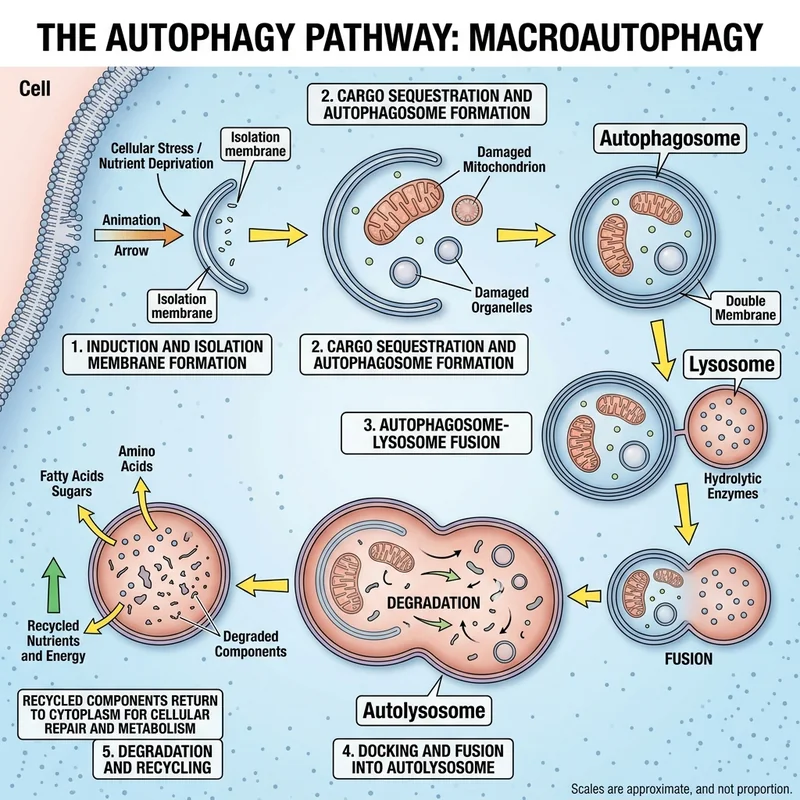
Autophagy translates literally to "self-eating." When you deprive the body of external calories (specifically amino acids and proteins) for extended periods (typically 18 to 24+ hours via intermittent fasting), nutrient sensors within the cell signal an energy crisis. The cell immediately initiates a self-cleaning protocol, constructing a double-membrane structure called an autophagosome. This structure sweeps through the cell, enclosing damaged proteins, misfolded structures, and dysfunctional mitochondria (mitophagy), then fuses with a lysosome to break them down into raw amino acids and fatty acids for energy. You are literally digesting your own cellular garbage, clearing the path for cellular renewal.
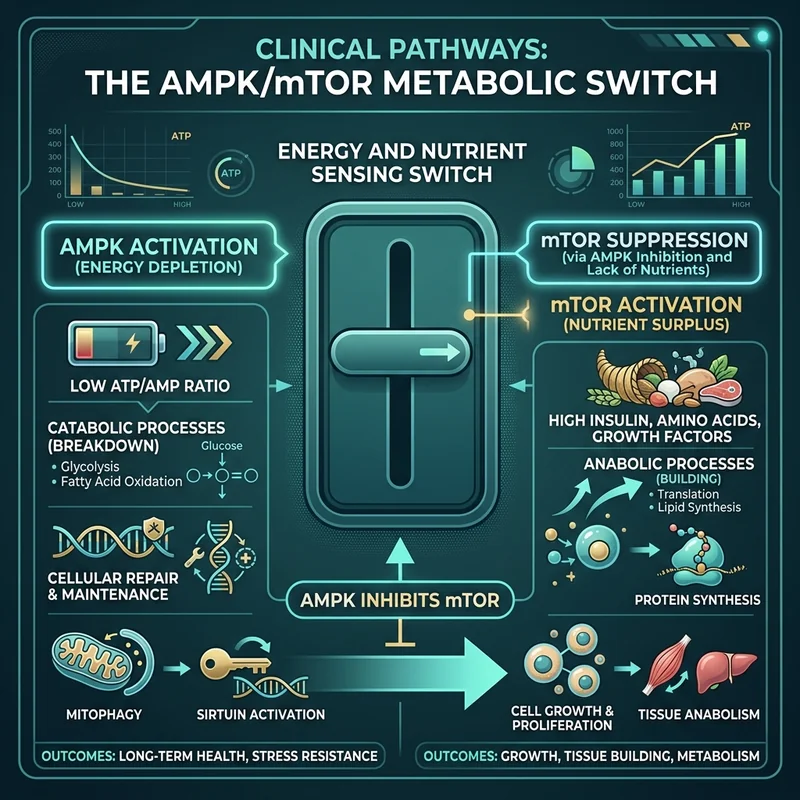
2. The AMPK/mTOR Seesaw
Your cellular metabolism is regulated by a balanced seesaw. mTOR (mechanistic target of rapamycin) is the growth pathway. When you eat, you trigger mTOR, instructing cells to grow, synthesize protein, and divide. While necessary for building muscle, chronic mTOR activation is disastrous for longevity, as it prevents cellular repair and allows damaged or mutated cells to replicate. AMPK (AMP-activated protein kinase) is the energy sensor that activates during nutrient deprivation, exercise, or cold exposure. AMPK activation forcefully shuts down mTOR, shifts the cell from growth to repair, and activates sirtuins, a family of NAD+-dependent deacetylases (SIRT1, SIRT3, SIRT6) that repair DNA and maintain epigenetic stability.
Targeted Longevity Interventions: The Cellular Reversal Protocols
To actively lower your biological age, you must systematically apply controlled physiological stressors, a concept known as hormesis. These brief, acute stressors trigger cellular defense mechanisms that leave the cell stronger than before.
- Hyperthermic Conditioning (Sauna): Exposing the body to extreme heat (174-200 Fahrenheit) for 20 minutes triggers a massive release of Heat Shock Proteins (HSPs), specifically HSP70. These proteins act as molecular chaperones, binding to damaged or misfolded proteins and forcing them back into their correct structural shapes. Regular sauna use is linked to a significant reduction in all-cause mortality and supports cellular proteostasis.
- Cold-Shock Hormesis (Ice Bath): Submerging the body in cold water (39-50 Fahrenheit) for 3 to 5 minutes spikes norepinephrine, activates brown adipose tissue (BAT), and triggers Cold-Shock Proteins (like CIRBP). Cold-shock proteins help maintain the stability of RNA molecules and support rapid cellular stress responses, while BAT activation improves insulin sensitivity and metabolic efficiency.
- Zone 2 Cardiovascular Training: Exercising at a heart rate where lactate production matches clearance (Zone 2) stimulates mitochondrial biogenesis. It forces the body to burn fatty acids for fuel, improving metabolic flexibility and clearing the cellular lipid accumulation that drives insulin resistance. Use our Target Heart Rate Calculator to lock in your Zone 2 heart rate range.
The Glymphatic Clearance System: Brain Rejuvenation in Deep Sleep
Biological age reversal is incomplete without protecting the central nervous system. During waking hours, the brain metabolic activity produces significant waste, including beta-amyloid and tau proteins. Unlike the rest of the body, the brain lacks a traditional lymphatic system. Instead, it relies on a specialized waste clearance pathway known as the glymphatic system, which operates almost exclusively during deep, slow-wave sleep (N3 stage).
This system utilizes convective flow of cerebrospinal fluid (CSF) entering the brain parenchyma through periarterial spaces, passing through cell interstitial space, and exiting via perivenous channels. This fluid movement is driven by the polarized distribution of aquaporin-4 (AQP4) water channels situated on the endfeet of astrocytes. During deep sleep, the interstitial space expands by nearly 60%, allowing CSF to sweep through the brain tissue and flush metabolic waste into the general circulation for renal clearance. Chronic sleep debt directly compromises this AQP4 polarization and reduces glymphatic flow, leading to waste accumulation, neuro-inflammation, and accelerated brain aging. Restoring circadian sleep architecture is thus a primary protocol to lower your overall biological age.
Somatic Self-Tracking and Clinical Biomarker Reference Ranges
To accurately monitor your biological age reversal journey, you must cross-reference your lifestyle habits with objective blood-based biological markers. The following reference table outlines the key metabolic and inflammatory markers that dictate your rate of physiological aging:
| Biomarker | Chronological 'Normal' | Optimal Longevity Range | Biological Significance for Aging |
|---|---|---|---|
| Fasting Insulin | < 24.9 uIU/mL | < 5.0 uIU/mL | Prevents chronic mTOR activation, allows AMPK/autophagy. |
| hs-CRP (Inflammation) | < 3.0 mg/L | < 0.5 mg/L | Measures systemic inflammaging and cardiovascular strain. |
| HbA1c (Glycation) | < 5.7% | 4.8% to 5.2% | Minimizes AGE-RAGE pathway activation and arterial stiffening. |
| Triglyceride / HDL Ratio | < 2.0 | < 1.0 | Indicates metabolic flexibility and insulin sensitivity. |
| ApoB (Atherogenic Lipids) | < 90 mg/dL | < 60 mg/dL | Minimizes risk of endothelial damage and cardiovascular aging. |
| eGFR (Kidney Function) | > 60 mL/min | > 90 mL/min | Ensures efficient renal clearance of metabolic waste. |
Clinical Supplementation: NAD+ Precursors and Senolytics
While lifestyle protocols form the foundation, targeted supplementation can accelerate biological age reversal by directly supporting cellular repair machinery. Sirtuin enzymes require Nicotinamide Adenine Dinucleotide (NAD+) to function. As we age, NAD+ levels decline dramatically, leaving sirtuins without the fuel they need to repair DNA and maintain epigenetic silencing. Precursors such as Nicotinamide Mononucleotide (NMN) and Nicotinamide Riboside (NR) raise systemic NAD+ levels, restoring sirtuin activity and improving mitochondrial efficiency.
In addition, natural senolytic compounds help target and clear senescent cells. Fisetin, a polyphenol found in strawberries, has been shown in clinical models to selectively induce apoptosis in senescent cells while leaving healthy cells unharmed. Quercetin, often combined with dasatinib in clinical trials, works synergistically to disable the survival networks that keep senescent cells alive. Berberine, a natural plant compound, acts as a potent AMPK activator, helping to lower blood sugar and activate longevity pathways when dietary fasting is not possible.
Metformin and Longevity: The TAME Trial Controversy
In the scientific community, Metformin (a first-line prescription drug for Type 2 diabetes) has sparked major discussion as a potential anti-aging drug. The landmark Targeting Aging with Metformin (TAME) trial, led by Dr. Nir Barzilai and backed by the American Federation for Aging Research (AFAR), is designed to evaluate Metformin's ability to delay the onset of age-related chronic diseases in non-diabetic adults. The mechanism of Metformin involves weak inhibition of Complex I in the mitochondrial electron transport chain, which raises the intracellular AMP-to-ADP ratio, thereby activating AMPK and mimicking caloric restriction.
However, clinical caveats exist. While Metformin is excellent for individuals with metabolic syndrome, insulin resistance, or poor glycemic control, it can blunt key adaptations to physical exercise in healthy, active individuals. A clinical study showed that Metformin co-administration during aerobic training partially prevented the increase in skeletal muscle mitochondrial respiration and blocked improvements in VO2 max. This highlights that longevity pharmacology is not a one-size-fits-all protocol; metabolic baselines must be carefully mapped before initiating long-term drug interventions.
Comparative Analysis of Longevity Compounds
The following table provides a comparison of key longevity compounds, their mechanisms of action, and clinical applications:
| Compound | Primary Mechanism | Longevity Target | Clinical Application |
|---|---|---|---|
| NMN / NR | Direct NAD+ precursor, boosting intracellular NAD+. | Sirtuin activation, mitochondrial biogenesis. | Improves cellular energy production and DNA repair. |
| Fisetin | Selective senolytic, inducing apoptosis in zombie cells. | Clearance of cellular senescence and SASP. | Reduces systemic inflammation and tissue aging. |
| Berberine | Potent AMPK activator, mimics caloric restriction. | mTOR suppression, GLUT4 translocation. | Lowers blood glucose, improves insulin sensitivity. |
| Resveratrol | STAC (Sirtuin Activating Compound), mimics hormesis. | SIRT1 activation, antioxidant defense. | Protects cardiovascular system, supports mitochondrial health. |
Authoritative Longevity Education
To deepen your understanding of the biology of aging and cellular reprogramming, review these expert educational videos from leading scientific institutions:
The Biology of Slowing & Reversing Aging - Dr. David Sinclair
Rewinding the biological clock: How to reverse ageing - Nature Video
The 7-Day Cellular Reversal Checklist
This daily checklist is structured to help you apply these clinical longevity concepts. Track your compliance to kickstart your biological clock reset:
- [ ] Fasting Protocol: Complete an 18-hour fast to stimulate autophagy and AMPK pathways.
- [ ] Melatonin Stabilization: Avoid blue light exposure for 2 hours before bed to optimize sleep architecture.
- [ ] Hormetic Thermal Stress: Complete a 20-minute sauna session (heat shock) or a 3-minute cold plunge (cold shock).
- [ ] Mitochondrial Stimulus: Engage in 45 minutes of Zone 2 cardiovascular exercise (use target heart rate guidelines).
- [ ] NAD+ Support: Take your daily NAD+ precursor (NMN/NR) and sirtuin-activating compounds in the morning.
- [ ] Autophagy Hydration: Consume at least 3 liters of water to support renal clearance of cellular debris.
- [ ] Glycation Defense: Avoid all processed sugars and refined carbohydrates to prevent advanced glycation end-product (AGE) formation.
Clinical FAQs: Lowering Your Biological Age
What is the difference between chronological age and biological age?
Chronological age is the exact measure of time since your birth, dictated solely by the calendar. Biological age is a physiological measure of the rate of cellular degradation, tissue damage, and epigenetic noise inside your body. While chronological age is unalterable, biological age can be slowed, stopped, or even reversed through targeted metabolic and hormetic interventions.
How does fasting lower your biological age?
Extended fasting (typically 18 to 24+ hours) lowers biological age by depleting cellular energy and nutrient stores. This process deactivates the growth-promoting mTOR pathway and activates the AMPK survival pathway. AMPK triggers autophagy, a cellular recycling program that sweeps away damaged organelles, misfolded proteins, and dysfunctional mitochondria, replacing them with newly synthesized, functional components.
What are senescent cells and how do we clear them?
Senescent cells, often called zombie cells, are damaged cells that have permanently stopped dividing but refuse to die. Instead, they secrete a toxic, inflammatory cocktail known as the Senescence-Associated Secretory Phenotype (SASP), which damages surrounding tissue. We can clear senescent cells naturally through autophagy-inducing fasts or by utilizing natural senolytic compounds such as fisetin and quercetin.
How do DNA methylation clocks measure biological aging?
DNA methylation clocks, such as the Horvath Clock and GrimAge, analyze specific chemical tags (methyl groups) attached to your DNA. As cells divide and undergo stress, these methylation patterns change in predictable ways. By sequencing these epigenetic markers, laboratory tests can determine your biological age with high clinical accuracy, projecting overall health span and mortality risk.
Can biological age reversal be clinically verified?
Yes, biological age reversal can be clinically verified using blood-based epigenetic clocks (like TruDiagnostic or GlycanAge) and standard metabolic panels that measure systemic inflammation (hs-CRP), fasting insulin levels, lipid particle counts, and liver and kidney function markers.
Conclusion: Reclaiming Metabolic Sovereignty
Lowering your biological age is not a matter of quick fixes, miracle cures, or superficial treatments. It requires a fundamental shift in how you interact with your cellular hardware. By shifting from a state of chronic nutrient surplus to controlled, hormetic stress, you activate the repair pathways that have kept our species alive for millennia.
Commit to the lifestyle shifts, track your progress with our clinical calculators, and take control of your health span. The molecular clock is ticking, but the speed at which it moves is entirely in your hands.
Scientific References & Clinical Sources
- National Institute on Aging (NIA): Clinical frameworks defining the biological benchmarks of cellular senescence and the epigenetic aging clock. Explore NIA Aging Data
- Cell Metabolism: Peer-reviewed publications documenting the molecular pathways through which caloric restriction and AMPK activation slow epigenetic decay. Access Cell Metabolism Research
- Nature Video & Research: Scientific journals detailing advancements in cellular reprogramming, telomere preservation, and reversing tissue senescence. Explore Nature Scientific Reports
Health is Heaven maintains absolute clinical integrity by sourcing data exclusively from high-authority, peer-reviewed medical and longevity research institutions. Every calculation and recommendation is cross-referenced against the latest biological benchmarks.

Ganesh G Kamble
Ganesh G Kamble is the founder and editor of Health is Heaven. He spent 14 years as a techno-functional consultant on enterprise ERP systems in Bangalore before turning his attention to health publishing. His background is technical, not clinical, and he is not a medical professional. He started Health is Heaven because most online health information is either too vague to act on, too technical to understand, or too commercial to trust. The site's mission is to provide clear, evidence-based answers to common health questions, with sources you can verify, alongside free interactive calculators built using standard medical formulas published by recognised authorities including the World Health Organization, the U.S. Centers for Disease Control and Prevention, the American Heart Association, the American Diabetes Association, and the National Institutes of Health. Every article is reviewed against authoritative sources before publishing, dated with both publish and last-updated timestamps, and clearly marked as informational only when covering medical topics. Articles dealing with diagnosis, treatment, or medication recommend speaking with a qualified healthcare provider. The site does not accept paid placements that influence editorial content; any future advertising is clearly labelled and separated from articles. Ganesh is based in Bangalore, India, and connects with readers and collaborators on LinkedIn.