Medically reviewed by: Health is Heaven Medical Review Board | Published by Ganesh G Kamble, Health is Heaven | Published: April 15, 2026 · Last updated: August 25, 2026
This clinical review explores the ultimate high protein vegetarian foods list to help optimize muscle protein synthesis, support cellular repair, and maintain endocrine balance. For decades, individuals transitioning to or maintaining a vegetarian lifestyle have faced the recurring query: "Where do you get your protein?" Within the landscape of clinical nutrition and metabolic medicine, this question is no longer a matter of concern, but rather one of strategic calculation. Sourcing sufficient protein on a plant-inclusive diet is clinically viable, nutritionally complete, and highly supportive of long-term physiological health. By combining these protein sources with a high fiber foods for gut health list, you can optimize your digestion and metabolic balance. According to the Dietary Guidelines for Americans, properly planned vegetarian eating patterns are capable of meeting all macronutrient and essential micronutrient requirements across all life stages, including infancy, pregnancy, lactation, and elite athletic training.
The best vegetarian protein sources include Greek yogurt, cottage cheese, eggs, lentils, tofu, tempeh, and edamame — all providing 10–25 grams of protein per serving with a complete or near-complete amino acid profile. The full list below covers 20 options with exact protein counts per serving.
However, moving from a standard omnivorous diet to a vegetarian protocol requires more than simply removing meat and increasing carbohydrate portion sizes. To optimize muscle protein synthesis, support cellular repair, maintain endocrine balance, and prevent metabolic stagnation, you must understand the underlying biochemistry of plant-based proteins. This involves looking beyond raw protein numbers on food labels and examining amino acid profiles, digestibility scores, and absorption kinetics. Adequate protein is also a key structural building block for dermal tissue repair; choosing the right amino acid profiles supports a healthy dermatological nutrition skin barrier diet for barrier synthesis. To establish a personalized foundation for your daily nutritional targets, it is highly recommended to compute your baseline energy expenditure and macronutrient requirements. You can calculate your specific needs by utilizing our calorie calculator for daily needs, determine your baseline expenditure with a free tdee calculator, and evaluate your weight-to-height metrics with our bmi calculator for adults to construct a calibrated dietary framework.
The 20 Best High-Protein Vegetarian Foods
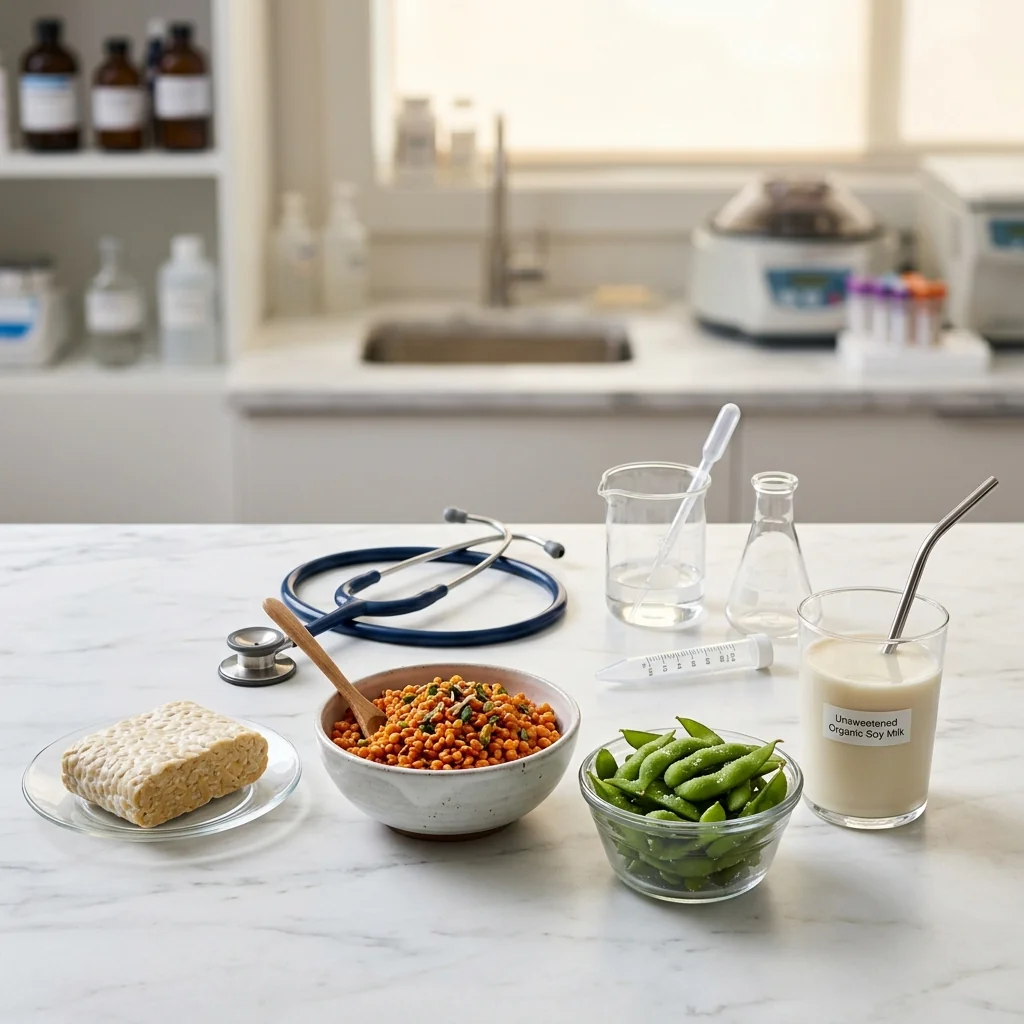
The list below spans legumes, dairy, eggs, soy foods, seeds, and grains — deliberately varied, since combining sources across these categories is what actually solves the amino-acid completeness question raised earlier, rather than relying on any single "miracle" food.
1. Greek Yogurt
A standard 6-ounce (170g) container provides approximately 17-20g of complete, high-bioavailability dairy protein, along with calcium and, in live-culture varieties, probiotic bacteria that support gut health.
2. Cottage Cheese
One cup delivers roughly 24g of protein, dominated by casein, a slow-digesting dairy protein that provides an extended amino acid release — a useful property for an evening meal supporting overnight muscle protein synthesis.
3. Eggs
A single large egg contains about 6g of protein with the highest biological value of any commonly eaten food, meaning its amino acid profile is used with exceptional efficiency by the body; two eggs provide roughly 12g along with choline and lutein.
4. Lentils
One cooked cup provides about 18g of protein along with 15g of fiber, making lentils one of the most efficient plant sources for pairing protein intake with digestive and cardiovascular benefit in a single food.
5. Chickpeas
A cooked cup contains roughly 15g of protein and pairs well with grains like rice to complete its amino acid profile, since chickpeas are relatively low in methionine — the same complementary-protein principle discussed above in practice.
6. Black Beans
One cooked cup delivers about 15g of protein alongside significant potassium and folate, and like other legumes benefits from pairing with a grain source to offset its relatively lower methionine content.
7. Tofu
Firm tofu provides approximately 20g of complete protein per cup — soy is one of the few plant proteins that independently meets all essential amino acid requirements without needing to be paired with another source.
8. Tempeh
Fermented whole soybeans yield roughly 31g of protein per cup, the highest of any food on this list, and fermentation partially breaks down the phytic acid discussed earlier, improving mineral bioavailability relative to unfermented soy.
9. Edamame
A cup of cooked edamame (whole soybeans) provides about 17g of complete protein along with fiber and iron, making it a convenient snack-format way to hit soy's complete amino acid profile.
10. Seitan
Made from wheat gluten, seitan provides an unusually dense 25g of protein per 100g serving — among the highest protein-density foods on this list by weight — though it is unsuitable for anyone with celiac disease or gluten sensitivity.
11. Quinoa
A cooked cup contains about 8g of protein and is one of the few grains that is a complete protein on its own, making it a useful base for grain bowls that also need to contribute to daily amino acid completeness.
12. Chia Seeds
Two tablespoons (28g) provide roughly 5g of protein plus 10g of fiber and a substantial dose of plant-based omega-3 fatty acids, making chia a useful addition to smoothies or overnight oats for both protein and fiber.
13. Hemp Seeds
Three tablespoons deliver about 10g of complete protein — hemp is one of the few seeds that independently supplies all essential amino acids — along with a favorable omega-6 to omega-3 ratio compared to most other seed oils.
14. Pumpkin Seeds
A 30g serving (about a quarter cup) provides roughly 9g of protein along with magnesium and zinc, two minerals that are otherwise harder to source adequately on a vegetarian diet.
15. Peanut Butter
Two tablespoons contain about 7g of protein alongside healthy monounsaturated fats, though its relatively high calorie density means portion awareness matters more here than with most other entries on this list.
16. Almonds
A 30g serving (roughly 23 almonds) provides about 6g of protein along with vitamin E and a favorable ratio of unsaturated to saturated fat, making almonds a useful snack-format protein contributor.
17. Dairy Milk
One cup of cow's milk provides about 8g of complete protein along with calcium and vitamin D (when fortified), making it one of the simplest ways to add protein to a meal without additional preparation.
18. Cheddar Cheese
One ounce (roughly a single slice) delivers about 7g of protein, though its saturated fat and sodium content mean it works best as a protein contributor in moderate portions rather than a primary source.
19. Nutritional Yeast
Two tablespoons provide about 8g of complete protein, and nutritional yeast is frequently fortified with vitamin B12 — a nutrient of particular concern on vegetarian and especially vegan diets, since B12 is naturally found almost exclusively in animal products.
20. Pea Protein Powder
A standard scoop (about 30g) typically provides 20-25g of protein and is a common base for vegetarian and vegan protein supplements — pea protein's amino acid profile is complementary to rice protein, which is why the two are frequently blended in commercial powders to approximate a complete profile.
Combining several of these foods across a day — rather than relying on a single large serving of one — is the most reliable way to meet both total protein targets and complete amino acid needs on a vegetarian diet. Readers tracking overall caloric and macronutrient intake alongside protein can use our calorie calculator to set an appropriate daily target for their goals.
Can vegetarians get enough protein without supplements?
Yes. A varied vegetarian diet including legumes, dairy, eggs, soy foods, and whole grains can meet standard protein requirements for most adults without supplementation, though very high training volumes or specific muscle-building goals may still benefit from a protein powder for convenience.
What is a complete protein and why does it matter?
A complete protein contains all nine essential amino acids in sufficient amounts. Animal products, soy, and quinoa are complete on their own; many other plant proteins are not, which is why combining sources such as beans with rice, or lentils with a grain, is recommended for those relying primarily on incomplete protein sources.
Do I need to eat complementary proteins in the same meal?
No. Research has shown the body maintains an amino acid pool over the course of a day, so complementary proteins eaten at different meals still combine effectively. Eating a variety of protein sources across the day is sufficient; it does not need to happen in a single sitting.
How much protein does a vegetarian need per day?
General population guidelines suggest approximately 0.8g of protein per kilogram of body weight per day for a sedentary adult, with higher intakes commonly recommended for those who are physically active or focused on building or maintaining muscle mass — often in the range of 1.2 to 1.6g per kilogram.
Which vegetarian protein source has the best amino acid profile?
Soy-based foods (tofu, tempeh, edamame), quinoa, dairy, and eggs are considered complete proteins with a favorable amino acid profile comparable to animal proteins, generally regarded as the strongest standalone options among common vegetarian foods.
Why is B12 a concern on a vegetarian diet?
Vitamin B12 is naturally found almost exclusively in animal products, so vegetarians who consume dairy and eggs typically get adequate B12 through those foods, while those eating more plant-exclusively should ensure intake through fortified foods like nutritional yeast or a supplement, since B12 deficiency can cause serious neurological and blood-related complications.
Does cooking or fermenting plant proteins improve their nutritional value?
Yes, in several cases. Fermentation, as in tempeh, reduces phytic acid content and improves mineral bioavailability. Soaking and cooking legumes similarly reduces antinutrient content, which is why properly prepared legumes and fermented soy products tend to have better real-world nutrient absorption than raw or undercooked versions.
Is it possible to build muscle on a vegetarian diet?
Yes. Muscle protein synthesis depends on adequate total protein intake, sufficient leucine per meal, and resistance training stimulus — none of which require animal meat specifically. Vegetarian athletes and bodybuilders commonly build muscle successfully by prioritizing protein-dense plant and dairy foods and, when needed, a plant-based protein supplement.
Which vegetarian proteins are easiest to digest?
Tofu, tempeh, pea protein powder, eggs, and Greek yogurt are generally the easiest vegetarian proteins to digest, since they contain little to no fermentable fiber. Legumes like lentils, chickpeas, and black beans are more likely to cause gas or bloating due to their higher fiber and oligosaccharide content, though soaking and gradual introduction can reduce this.
Protein Quality and Digestibility, Explained
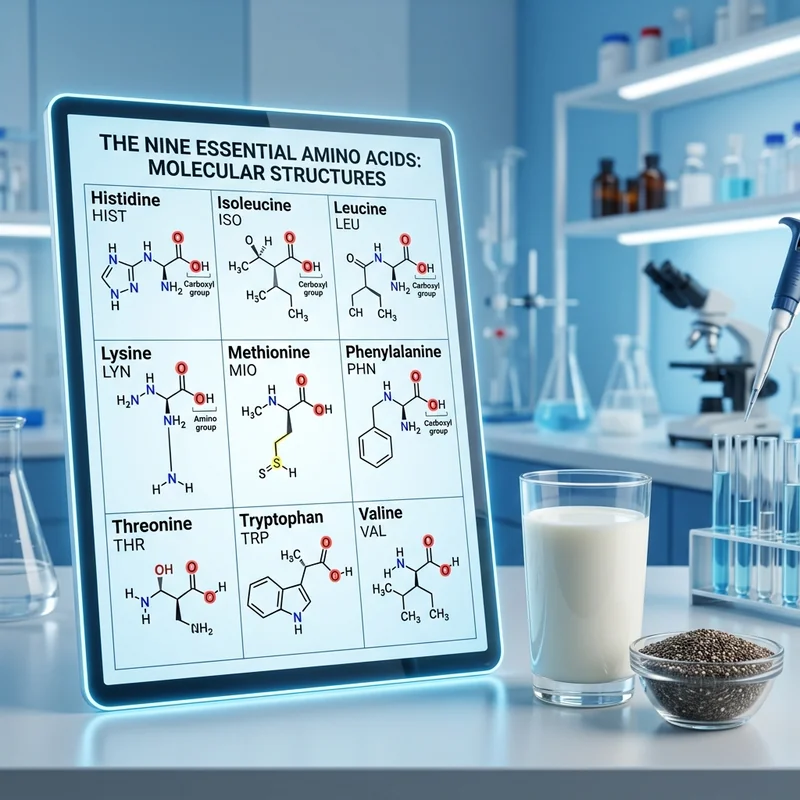
Proteins are complex macromolecular structures composed of long chains of amino acids, which serve as the fundamental structural units of human tissue. While the human body can synthesize certain amino acids internally (non-essential amino acids), there are nine essential amino acids (EAAs) that must be obtained directly through dietary intake: histidine, isoleucine, leucine, lysine, methionine, phenylalanine, threonine, tryptophan, and valine. When we consume protein, the digestive tract does not absorb the protein molecule intact. Instead, the stomach and small intestine utilize hydrochloric acid and proteolytic enzymes (such as pepsin, trypsin, and chymotrypsin) to break down these macromolecules into individual amino acids and small peptides (dipeptides and tripeptides) for absorption into the portal circulation.
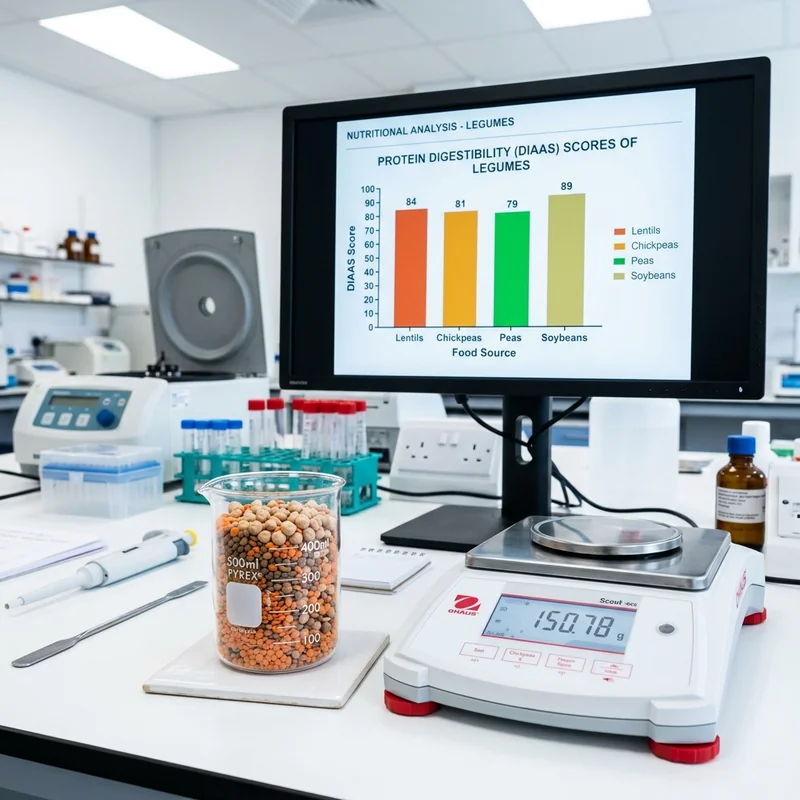
In clinical science, protein quality is determined by two main factors: the amino acid profile and the digestibility of the source. Historically, the Protein Digestibility-Corrected Amino Acid Score (PDCAAS) was the standard method for evaluating protein quality. However, the Food and Agriculture Organization (FAO) has adopted the Digestibility-Corrected Amino Acid Score (DIAAS) as the preferred diagnostic index since 2011. Unlike PDCAAS, which measures digestibility across the entire digestive tract (fecal digestibility), DIAAS measures the digestibility of each individual amino acid at the end of the small intestine (ileal digestibility). This distinction is critical because bacteria in the large intestine can consume amino acids, leading to an overestimation of protein absorption in fecal measurements. As of 2026, the DIAAS methodology remains the gold standard for evaluating protein quality in clinical and nutritional research.
When comparing plant and animal proteins, plant-based sources generally present lower DIAAS scores. This is primarily due to the cellular structure of plant foods, where proteins are bound within rigid cellulose and fiber matrices, and the presence of natural compound inhibitors. For example, while dairy whey protein isolates exhibit DIAAS scores well above 1.15, cooked lentils score around 0.55 to 0.65, and cooked chickpeas score approximately 0.70. This does not mean plant proteins are ineffective; rather, it highlights that you may need to consume slightly larger serving sizes or combine diverse high-protein sources across the day to compensate for lower individual digestibility rates.
A central concept to understand is the transient free amino acid pool. The body maintains a floating pool of free amino acids in the bloodstream and intracellular fluids. This pool is constantly replenished by dietary protein absorption and the breakdown of body tissues, and it is drawn upon for protein synthesis and metabolic processes. Because this pool is active, the old nutritional theory that vegetarians must combine proteins at every meal (such as eating beans and rice together in a single bite to form a "complete" protein) has been disproven. As long as a diverse spectrum of amino acids is consumed across a twenty-four-hour window, the liver and skeletal tissues can draw from this pooled resource to build and repair proteins effectively.
How to Improve Plant Protein Absorption
One of the primary challenges of a plant-centric diet is the presence of naturally occurring compounds known as antinutrients. These substances serve defensive roles in plant biology, protecting seeds and leaves from pests, but they can interfere with human digestion and nutrient absorption. The primary antinutrients affecting plant-based protein diets are phytates (phytic acid), tannins, polyphenols, and protease inhibitors (specifically trypsin and chymotrypsin inhibitors found in raw soybeans and legumes).
Phytates are highly structured organic acids that bind tightly to minerals (such as iron, zinc, calcium, and magnesium) and proteins in the digestive tract, forming insoluble complexes that the body cannot absorb. Protease inhibitors directly block the activity of our digestive enzymes, preventing the complete breakdown of proteins into absorbable amino acids, which can lead to mild digestive discomfort, bloating, and incomplete protein utilization. To maximize the nutritional yield of your vegetarian foods, you should implement clinical preparation methodologies that deactivate these inhibitors and boost bioavailability:
- Extended Soaking: Soaking dried legumes, grains, nuts, and seeds in warm, slightly acidic water (such as water with a squeeze of lemon juice or apple cider vinegar) for twelve to twenty-four hours activates the plant's internal phytase enzymes. These enzymes naturally break down phytic acid, releasing bound minerals and proteins.
- Sprouting (Germination): Allowing seeds or grains to sprout for one to three days triggers a complete biochemical shift. During germination, the plant breaks down its storage proteins into free amino acids to support growth, while simultaneously reducing phytate and tannin levels by up to fifty percent.
- Fermentation: Utilizing microbial action (such as in the production of tempeh, miso, or sourdough) is the most effective method for enhancing protein bioavailability. The lactic acid bacteria and yeast produce enzymes that pre-digest complex plant proteins, dismantle phytates, and deactivate protease inhibitors, resulting in a highly absorbable food source.
Protein and Muscle Building on a Vegetarian Diet
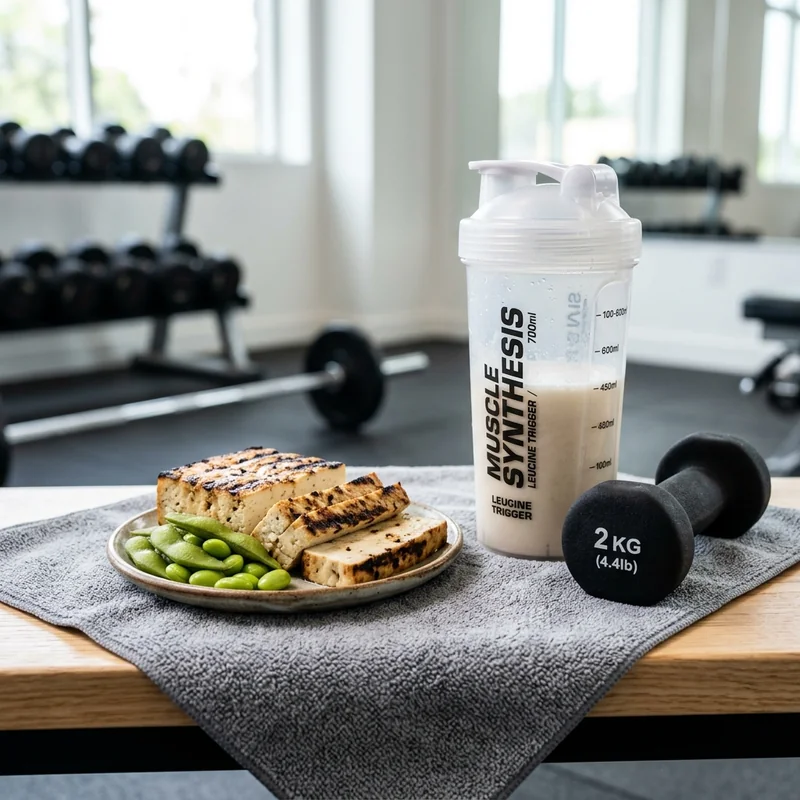
To maintain skeletal muscle mass, support metabolic rate, and promote physical recovery, your dietary protocol must regularly activate muscle protein synthesis (MPS). The primary molecular switch that controls muscle building is a protein kinase complex called mTORC1 (mammalian target of rapamycin complex 1). While resistance exercise primes this pathway, nutritional activation is governed almost entirely by the availability of essential amino acids, with the branched-chain amino acid leucine serving as the primary initiator. This biological mechanism is known as the leucine trigger hypothesis.
To activate the mTORC1 pathway and initiate muscle protein synthesis, your bloodstream must experience a rapid rise in leucine concentration, reaching a threshold of approximately 2.5 to 3.0 grams of leucine in a single meal. If a meal provides less than this threshold, even if the total protein count seems high, the muscle-building pathway remains largely inactive, and the absorbed amino acids are instead oxidized for energy or used for other systemic tissues. This presents a unique challenge for vegetarians, as plant-based proteins contain lower relative concentrations of leucine compared to animal proteins (typically six to eight percent in plants versus nine to eleven percent in dairy and meat).
To reach the leucine trigger on a vegetarian or vegan protocol, you must adjust either your portion sizes or your ingredient selection. For example, while twenty-five grams of whey protein isolate easily supplies three grams of leucine, you may need to consume thirty-five grams of soy protein or a combination of forty grams of pea and rice protein to reach the same leucine threshold. Spreading your protein intake evenly across three to four meals throughout the day (ensuring each meal contains at least thirty to thirty-five grams of total protein alongside a rich source of leucine) is clinically superior for muscle retention and satiety compared to consuming low-protein meals during the day and back-loading all your protein at dinner.
Which Vegetarian Proteins Are Easiest to Digest?
If beans and lentils cause bloating or discomfort, several vegetarian proteins are gentler on digestion because they contain little to no fermentable fiber or gas-producing oligosaccharides:
- Tofu and tempeh — soy proteins that are largely broken down during processing and fermentation, making them easier to digest than whole soybeans.
- Pea protein powder — an isolated protein with the fiber and oligosaccharides removed, well tolerated even by people sensitive to whole legumes.
- Eggs and Greek yogurt — animal-sourced complete proteins with no plant fiber to ferment, generally the gentlest options for sensitive digestion.
- Hemp seeds — lower in fermentable fiber than beans or lentils while still providing a complete amino acid profile.
By contrast, legumes and pulses (lentils, chickpeas, black beans) are higher in fiber and raffinose-family oligosaccharides, which feed gut bacteria and can cause gas or bloating, especially when introduced quickly. Soaking, rinsing canned beans thoroughly, and increasing portions gradually over 1–2 weeks can reduce this effect substantially.
Sources
- U.S. Department of Agriculture. FoodData Central.
- Dietary Guidelines for Americans 2020-2025. Vegetarian Dietary Patterns.
- National Institutes of Health, Office of Dietary Supplements. Vitamin B12 Fact Sheet for Health Professionals.
- Academy of Nutrition and Dietetics. Position Paper on Vegetarian Diets.
Medical Disclaimer: This article is for general educational purposes only and does not constitute professional medical or nutritional advice. Always consult a qualified healthcare provider or registered dietitian before making significant dietary changes, especially if you have a medical condition affecting nutrient absorption. See our full Medical Disclaimer and Editorial Policy.

Ganesh G Kamble
Ganesh G. Kamble is the founder and editor of Health is Heaven. He built this site after losing his father to a preventable condition, with the mission of providing clear, trackable health indicators so others can act early. His background is in the IT industry (16 years as an enterprise consultant) and he is not a medical professional; all medical content, formulas, and guides are reviewed by a credentialed medical reviewer/board before publication.