
Medically reviewed by: Health is Heaven Medical Review Board | Published by Ganesh G Kamble, Health is Heaven | Published: April 22, 2026 · Last updated: August 28, 2026
This clinical review explores key evidence-based protocols regarding signs. Modern clinical diagnostics fail the public by focusing almost exclusively on fasting blood glucose levels instead of comparing them against standard normal blood sugar levels chart ranges. Blood sugar is a lagging indicator. It only rises significantly after the pancreas has spent years or even decades struggling to produce massive amounts of insulin to compensate for cellular resistance. The single most vital, predictive biological metric of human longevity is not your blood sugar, but the exact test millions of doctors omit: Fasting Insulin. Learn how to implement structured protocols to lower fasting insulin levels naturally to prevent progressive metabolic damage. However, before you even request a clinical blood panel, your body is already projecting its internal metabolic state onto its largest organ: the skin. The cosmetic industry aggressively profits from treating dermal symptoms instead of systemic illnesses. Millions of individuals execute internet searches aiming to scrub away dark patches on their neck or chemically freeze off multiple skin tags. This fundamentally approaches the human body as a disjointed machine. Skin tags and darkened neck creases are not cosmetic failures requiring expensive exfoliation creams; they are blazing red alarms triggered by your pancreas. Identifying the exact skin signs of insulin resistance allows you to definitively diagnose profound metabolic engine stress years before it appears on standard fasting bloodwork.
At Health is Heaven, we view the epidermis exactly as we view the physical warning lights on a massive server rack. If a server starts glowing red, you do not paint over the light; you investigate the internal temperature algorithm. When your diet consists of chronic ultra-processed carbohydrates, reference a structured list of diabetic diet foods to eat and avoid or select from our healthy recipes for diabetes management to prevent metabolic strain; otherwise, your pancreas must forcefully pump out massive amounts of insulin simply to keep your blood sugar stable. But insulin is not just a storage hormone; it is a violent growth hormone. When your bloodstream is chronically flooded with extreme levels of baseline insulin (Hyperinsulinemia), that excess insulin begins actively binding to IGF-1 (Insulin-like Growth Factor) receptors located directly in your skin layer. Consequently, learning how to lower blood sugar naturally fast is a vital step to reduce this chronic secretory demand on your pancreas and reverse these cutaneous signs. In this relentlessly factual clinical blueprint, we will dissect the absolute reality of structural dermatological endocrinology, explain how a dermatological nutrition skin barrier diet targets the exact mechanisms behind Acanthosis Nigricans, skin tags, and adult acne, and guide you on using our integrated calculators to reverse these signs at their metabolic roots. Before these dermatological signs manifest, tracking your daily interstitial glucose patterns and comparing them to a normal cgm range for non diabetics can serve as an early metabolic warning system.
Analyze Your Metabolic Skin Metrics
Dermatological markers are physical readouts of your internal insulin and glucose homeostasis. Visceral fat is the primary driver of peripheral insulin resistance, while poor cellular turnover worsens skin health. Use our clinical calculators to evaluate your current metabolic baselines:
How Insulin Resistance Shows Up on Your Skin
To accurately decode what your external hardware is signaling, you must understand the exact biological pathways insulin manipulates. The skin is not just a passive shield; it is a complex, active endocrine organ. The epidermis is composed of layers of keratinocytes, while the dermis contains fibroblasts, blood vessels, and appendages like sebaceous glands and hair follicles. Almost all of these cell types express receptors for both insulin and insulin-like growth factors (specifically IGF-1). Under healthy metabolic conditions, baseline insulin binds to its own receptor, regulating glucose uptake and cell growth. However, when circulating insulin levels spike to compensate for cellular resistance, this hormonal surge spills over and begins binding to IGF-1 receptors. The affinity of insulin for the IGF-1 receptor is lower than that of IGF-1 itself, but under conditions of chronic hyperinsulinemia, the sheer volume of circulating insulin overcomes this difference, driving accelerated cellular growth pathways.
This cross-activation of IGF-1 receptors stimulates mitogen-activated protein kinase (MAPK) pathways in skin cells. This pathway is responsible for cellular proliferation and differentiation, directing cells to replicate rapidly. At the same time, the phosphoinositide 3-kinase (PI3K) pathway, which normally controls cell metabolism and survival, becomes hyperactive. Together, these signals prevent normal, programmed cell death (apoptosis) and stimulate the uncontrolled growth of skin layers, resulting in the characteristic lesions of insulin resistance on the skin.
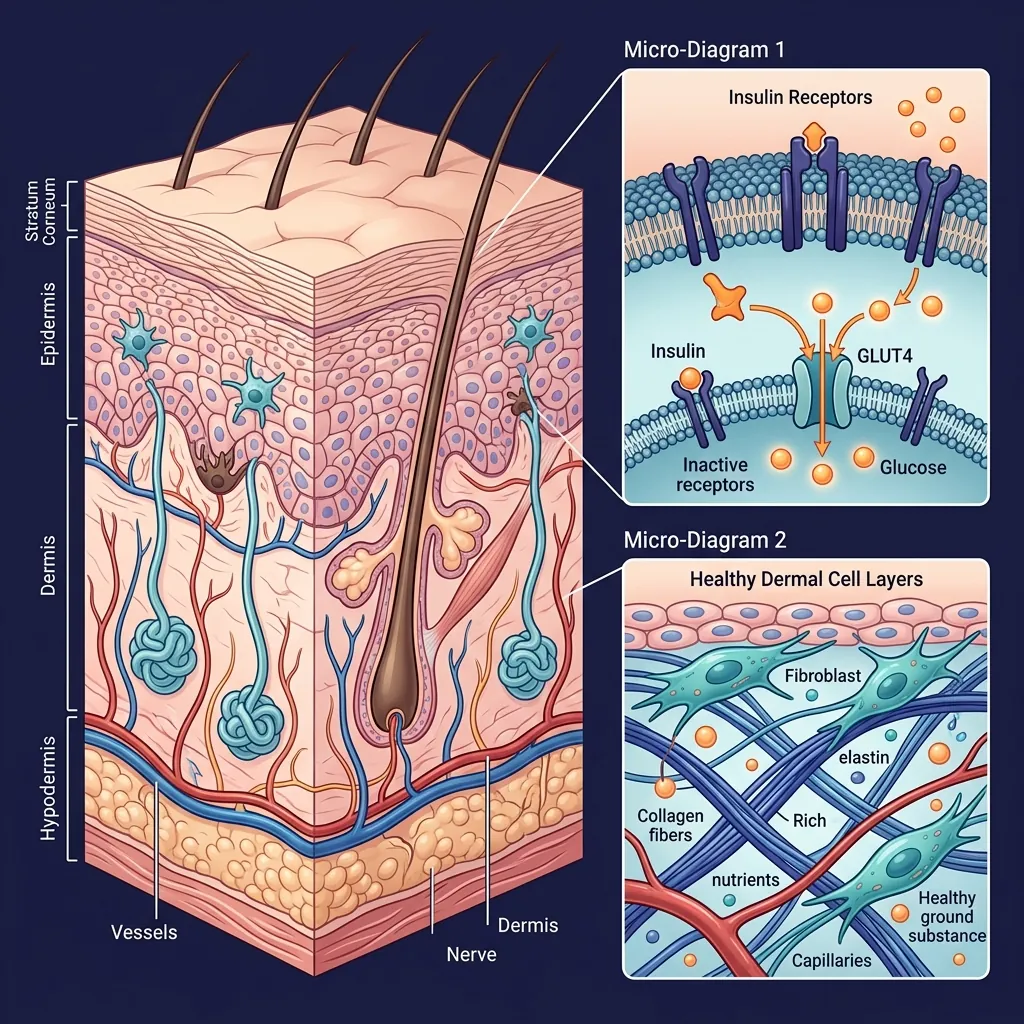
Dark, Velvety Patches (Acanthosis Nigricans)
If you observe dark, thick, velvety patches of skin appearing on the back of the neck, underneath the armpits, or within the groin creases, you are witnessing Acanthosis Nigricans. This is not dirt that can be washed or scrubbed away. The excessive insulin in your bloodstream binds directly to the IGF-1 receptors on the skin, accelerating the reproduction rate of epidermal skin cells (keratinocytes) and melanin-producing cells (melanocytes). The skin thickens and darkens because it is replicating rapidly in a concentrated, folded area. This is a definitive diagnostic marker for severe internal hyperinsulinemia.
Histological examination of acanthosis nigricans lesions reveals papillomatosis, hyperkeratosis, and increased epidermal fold thickness. Despite the dark appearance, there is no significant increase in the number of melanocytes; rather, the hyperpigmentation is caused by the compact layering of keratinocytes containing melanin. This creates a rough, velvety surface that scatters light differently, producing a dark appearance. Clinical studies show that the severity and surface area of acanthosis nigricans correlate directly with fasting insulin levels, making it a reliable physical marker of metabolic dysfunction.
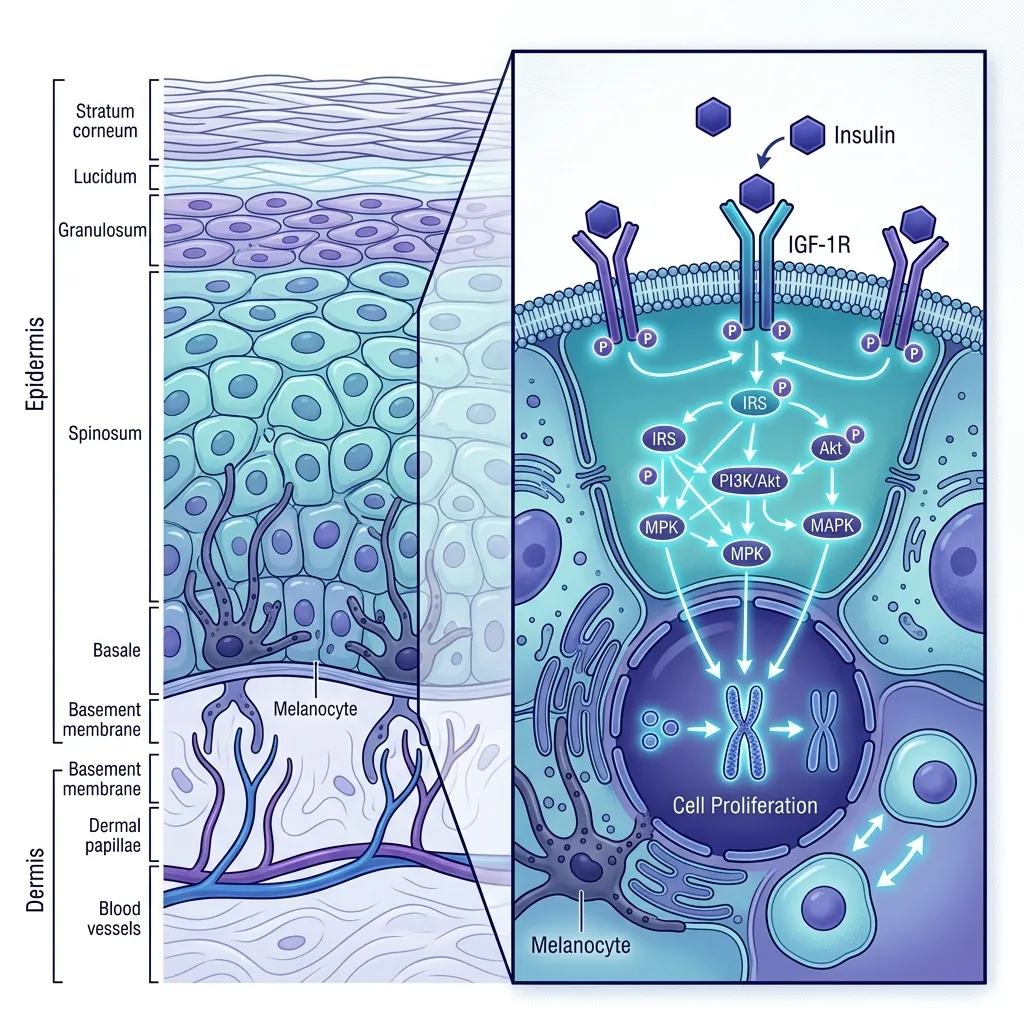
Acanthosis Nigricans Causes and Treatment
Understanding acanthosis nigricans causes and treatment begins with resolving the systemic hyperinsulinemia that stimulates epidermal keratinocyte and dermal fibroblast growth. Treatment must focus on restoring insulin sensitivity through dietary carbohydrate restriction and weight management, which gradually reduces the velvety skin thickening and hyperpigmentation.
Skin Tags (Acrochordons)
Skin tags, or acrochordons, are small, benign skin growths that protrude like tiny balloons on a thin stalk. While genetics and localized friction play a minor role, explosive outbreaks of skin tags around the neck, eyelids, and underarms are directly tied to prolonged baseline insulin elevation. The insulin overrides the normal cellular apoptosis cycle. Instead of the skin cells dying and shedding normally, the IGF-1 receptor stimulation forces the fibroblasts (connective tissue cells) to grow outward. If you surgically remove them without fixing your visceral fat composition, your body will simply grow them back.
Fibroblasts are the primary cellular engines of the dermis, secreting collagen, elastin, and extracellular matrix components. When insulin binds to the fibroblast IGF-1 receptors, it activates cell division and increases collagen production. This leads to the formation of a core of loose connective tissue covered by a hyperplastic epidermis. Studies in patients with multiple skin tags have shown a high prevalence of glucose intolerance and hyperinsulinemia. A count of more than 5 to 10 skin tags, especially when accompanied by acanthosis nigricans, serves as a strong clinical signal of underlying insulin resistance.
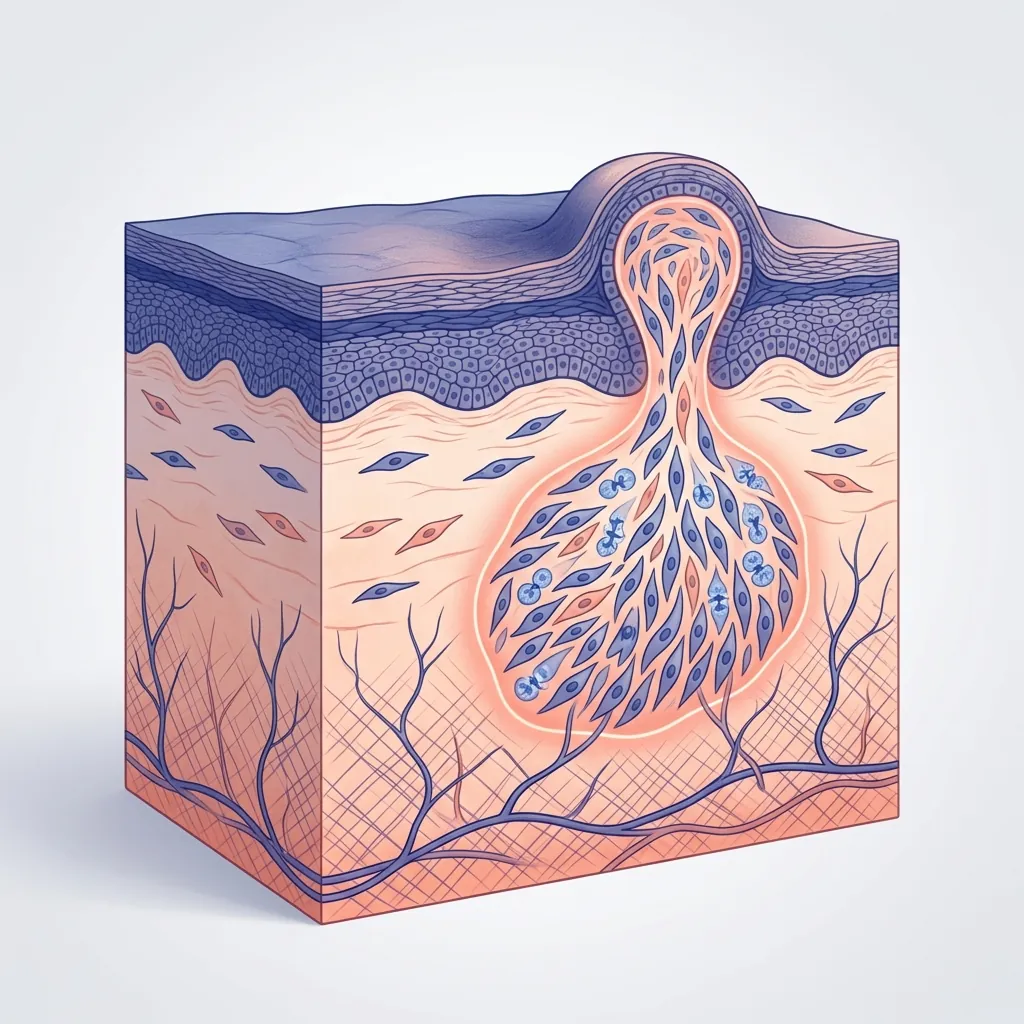
Acrochordons Skin Tags Metabolic Syndrome
The relationship between acrochordons skin tags metabolic syndrome is well-documented in clinical literature. Multiple skin tags, particularly around the neck and axillae, serve as physical markers of elevated insulin levels which bind to insulin-like growth factor-1 (IGF-1) receptors, signaling rapid tissue proliferation.
Adult Acne and Oily Skin
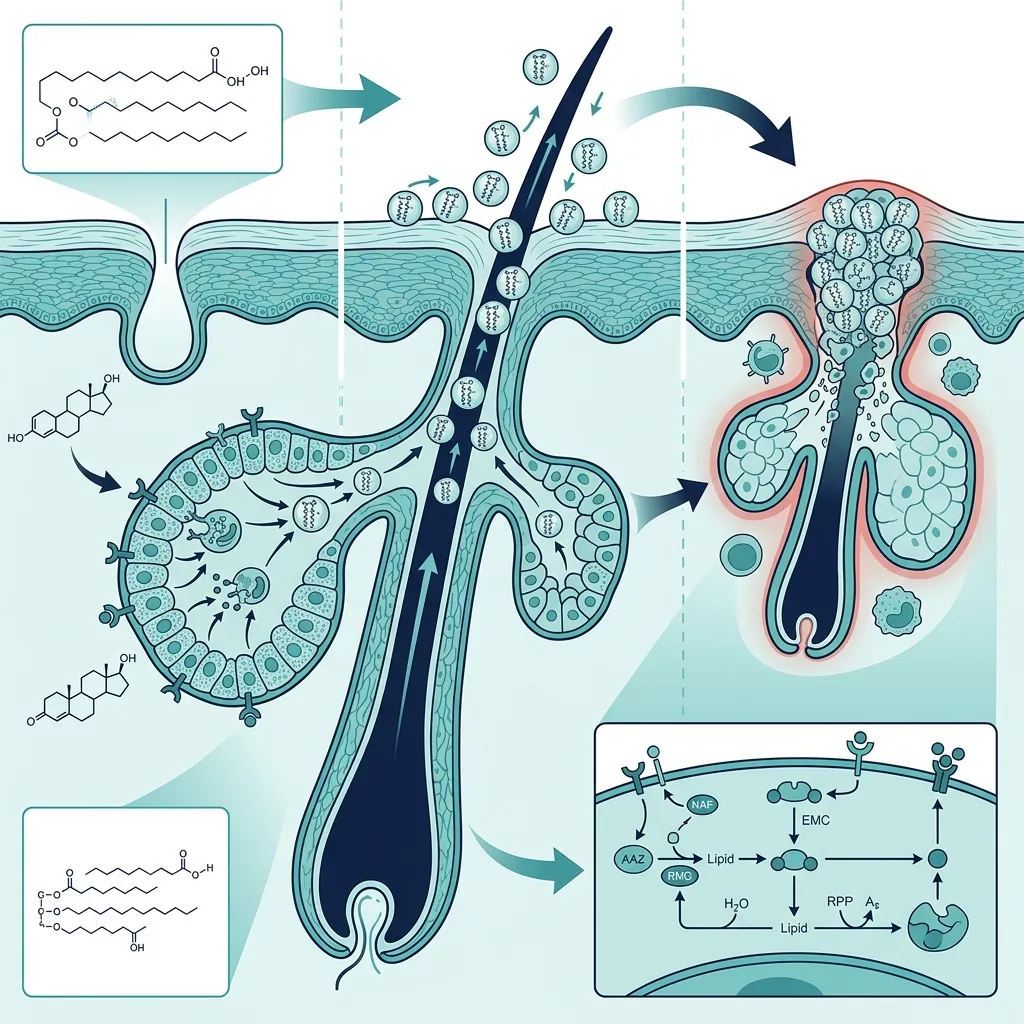
Chronic insulin spikes disrupt the hepatic (liver) production of Sex Hormone Binding Globulin (SHBG). When SHBG drops, free testosterone and deep androgens spike in both men and women (frequently manifesting as PCOS in females - download our comprehensive pcos diet plan pdf practical guide for clinical food protocols). These unleashed androgens target the sebaceous glands in the jawline and chin, forcing them to produce heavy, thick sebum (oil). This oil clogs pores, trapping bacteria inside and generating deep cystic acne that ignores standard topical face washes. The relationship between insulin and sebum is mediated by the intracellular signaling pathway mTORC1 (mammalian target of rapamycin complex 1). High insulin and IGF-1 levels activate mTORC1, which in turn upregulates lipid synthesis pathways in sebocytes, the lipid-producing cells of the sebaceous glands.
Furthermore, insulin promotes the conversion of weaker androgens, like androstenedione, into more potent ones, like testosterone and dihydrotestosterone (DHT), directly within the skin tissue. This local androgen synthesis, combined with reduced SHBG-bound systemic pool availability, causes localized hyper-androgenism in the skin. The result is sebaceous gland enlargement, excessive sebum production, and altered follicular keratinization. This creates a blocked pore environment that favors the colonization of Cutibacterium acnes, leading to inflammatory acne lesions. Reversing this pathway requires addressing the systemic hyperinsulinemia that drives the hormone imbalance.
Diabetic Dermopathy Skin Manifestations
Recognizing diabetic dermopathy skin manifestations is crucial for detecting advanced microvascular impairment. These small, light brown, scaly patches on the shins result from localized microvascular leakage and collagen degeneration, reflecting the chronic endothelial damage associated with long-term insulin resistance.
Why Normal Blood Sugar Can Hide Insulin Resistance
To fully grasp why these skin signs manifest when blood glucose is normal, we must study the work of Dr. Joseph Kraft. Dr. Kraft performed over 14,000 oral glucose tolerance tests with simultaneous insulin measurements. He discovered that a normal glucose curve is not necessarily a sign of metabolic health. He identified five distinct patterns of insulin response to a glucose load. Pattern I is the normal, healthy curve, showing a rapid peak in insulin followed by a quick return to baseline. Patterns II, III, and IV show varying degrees of hyperinsulinemia, where the pancreas must produce massive amounts of insulin to maintain normal glucose ranges. Pattern V represents insulin deficiency.
Many individuals with normal fasting glucose and normal HbA1c exhibit Kraft Patterns II or III. These individuals are metabolically insulin-resistant, and their organs, including their skin, are exposed to chronic, high circulating levels of insulin. The dermal tissue reacts to this endocrine stress, generating acanthosis nigricans and skin tags. Thus, these skin markers are physical readouts of a Kraft Pattern II or III curve. Looking for these signs allows clinicians to identify patients with hidden metabolic syndrome years before their fasting glucose levels rise or their HbA1c tests register abnormal results.
How to Check Your Own Skin for These Signs
In a clinical setting, evaluating these skin signs requires a systematic physical examination. The examiner must carefully inspect the flexural regions, including the posterior neck, axillae, groin, and submammary folds. In addition to assessing color changes, the clinician should palpate the skin to evaluate texture. The velvety, thickened texture of acanthosis nigricans is distinct from simple hyperpigmentation. The examiner should also count and record the location of all skin tags, noting if they are clustered in high-friction areas or appearing in unusual locations.
When assessing adult acne, the clinician must determine if the distribution is primarily mandibular (jawline and chin) and if the lesions are deep-seated, painful cysts. This distribution is characteristic of androgen-mediated sebum production. Standard diagnostic testing should include a fasting insulin panel, a fasting blood glucose test, and an HbA1c test. If the fasting insulin is elevated (above 8.0 uIU/mL) despite a normal blood glucose and HbA1c, the patient has compensated insulin resistance, explaining the presence of the skin signs. A homeostatic model assessment of insulin resistance (HOMA-IR) should be calculated to establish a clear baseline and track progress over time.
Insulin Resistance Skin Signs Compared
To help you distinguish between these various metabolic skin presentations, we have compiled a clinical comparison table mapping their primary features, underlying pathways, and standard resolution times:
| Skin Marker | Primary Presentation | Primary Cellular Pathway | Est. Resolution Time |
|---|---|---|---|
| Acanthosis Nigricans | Velvety, dark plaques in folds (neck, axilla, groin). | IGF-1 receptor activation on keratinocytes/melanocytes. | 3 to 6 months of insulin suppression. |
| Acrochordons (Skin Tags) | Pedunculated, soft skin growths in high-friction areas. | Dermal fibroblast division and collagen overgrowth. | Permanent unless removed; new growth stops. |
| Adult Cystic Acne | Deep, painful inflammatory lesions on jawline and chin. | Reduced SHBG, high free androgens, mTORC1 activation. | 4 to 8 weeks of metabolic correction. |
| Seborrheic Keratosis | Waxy, stuck-on skin lesions that can multiply quickly. | Epidermal growth factor receptor cross-activation. | Requires dermatologist removal; slows with lower insulin. |
How to Reverse These Skin Signs
Effectively reversing clinical skin markers requires that you stop treating your epidermis as a separate organ. It is the direct readout monitor of your pancreatic stress. You cannot scrub away high blood sugar. The body is signaling that it is struggling with highly processed carbohydrates. Refuse to rely solely on chemical peels until your fasting insulin numbers are brought down below 5.0 uIU/mL. The following three protocols are designed to address insulin resistance at its source:
- Therapeutic Carbohydrate Restriction: Restricting total carbohydrate intake to less than 30 to 50 grams per day shifts the body from glucose utilization to ketone body production. In this state, the liver converts free fatty acids into beta-hydroxybutyrate (BHB) and acetoacetate, which serve as alternative fuel sources. Ketones produce nearly zero insulin response, giving pancreatic beta cells a physiological break that allows them to recover. During the initial adaptation phase (1 to 2 weeks), the downregulation of insulin allows for a significant reduction in water retention, as insulin promotes sodium reabsorption in the kidneys.
- Extended Fasting: The liver acts as a buffer for blood glucose, storing excess energy as glycogen. In typical adults, the liver stores approximately 70 to 100 grams of glycogen. When these hepatic stores are full, the liver becomes resistant to insulin signals, forcing the pancreas to increase output. By extending your fasting window to 16 to 20 hours, the body depletes its liver glycogen to maintain baseline blood sugar, shifting from glucose oxidation to fat oxidation. The rate of depletion depends on basal BMR and physical activity levels during the fast.
- Skeletal Muscle Contraction: Skeletal muscle accounts for roughly 80% of insulin-stimulated glucose disposal. During physical inactivity, glucose entry into muscle depends on the insulin-signaling cascade. However, muscular contraction activates an independent pathway. When skeletal muscle contracts, the intracellular AMP-to-ATP ratio rises, activating AMP-activated protein kinase (AMPK). Activated AMPK stimulates the translocation of GLUT4 vesicles to the cell membrane, bypassing the insulin receptor entirely. This allows active muscles to clear glucose from Circulation without requiring insulin release.
Vitamins and Minerals That Help
In addition to dietary macronutrient manipulation, specific micronutrients and supplements play a key role in supporting dermal health and metabolic function. Zinc is an essential cofactor for superoxide dismutase, a vital antioxidant enzyme, and plays a role in insulin synthesis and secretion. Zinc deficiency is commonly observed in individuals with inflammatory skin conditions like acne and has been linked to impaired glucose tolerance. Supplying adequate zinc helps regulate local androgen production in the skin and supports general tissue repair.
Vitamin A (retinol) is crucial for regulating cell differentiation and turnover in the epidermis. It helps prevent follicular hyperkeratinization, the process where dead skin cells accumulate in pores and trap sebum, leading to acne. Retinoids also help downregulate the activity of sebaceous glands. When combined with metabolic therapies that address the underlying hyperandrogenism, maintaining optimal Vitamin A levels provides a synergistic effect, accelerating the clearance of metabolic skin lesions. Vitamin E, a potent fat-soluble antioxidant, works alongside Vitamin A to protect skin cell membranes from lipid peroxidation and oxidative stress induced by high circulating glucose levels.
Scientific References
- American Diabetes Association Professional Practice Committee. Standards of Care in Diabetes. Diabetes Care.
- Battelino T, et al. Clinical Targets for Continuous Glucose Monitoring Data Interpretation: Recommendations From the International Consensus on Time in Range. Diabetes Care.
- Zeevi D, et al. Personalized Nutrition by Prediction of Postprandial Glycemic Responses. Nature Metabolism.
- Buse JB, et al. 2019 Update to: Management of Hyperglycemia in Type 2 Diabetes: A Consensus Report by the ADA and EASD. Diabetes Care.
The 7-Day Metabolic Skin Reset Checklist
This daily checklist is designed to help you integrate these metabolic protocols into your routine. Track your consistency over the next week to kickstart your metabolic recovery:
- [ ] Fasting Window: Maintain a minimum 16-hour fasting window, consuming only water, black coffee, or plain tea.
- [ ] Carbohydrate Limit: Restrict net carbohydrate intake to under 50 grams for the day.
- [ ] Meal Sequencing: Consume vegetables and proteins first, leaving starches or sugars for the end of the meal.
- [ ] Postprandial Walking: Complete a 10 to 15 minute brisk walk immediately following your largest meal.
- [ ] Skeletal Muscle Load: Engage in 30 minutes of resistance training or bodyweight exercises to stimulate GLUT4 translocation.
- [ ] Circadian Buffer: Finish your last meal at least 3 hours before going to bed.
- [ ] Restorative Sleep: Secure 7 to 8 hours of sleep in a cool, dark room.
Insulin Resistance Skin Signs: FAQ
What are the first skin signs of insulin resistance?
The earliest clinical signs of insulin resistance on the skin are acanthosis nigricans (velvety darkening of skin folds, particularly around the neck and armpits) and the sudden eruption of skin tags (acrochordon) around the eyelids, neck, or underarms.
Can skin signs of insulin resistance be reversed?
Yes, they can. These skin markers are metabolic readouts of internal insulin levels. When fasting insulin levels are brought down to optimal levels (under 5.0 uIU/mL) through dietary and lifestyle protocols, the cellular signals driving the skin overgrowth stop, allowing the skin to gradually clear.
Why does insulin resistance cause adult acne?
Hyperinsulinemia suppresses the liver production of Sex Hormone Binding Globulin (SHBG). When SHBG drops, free androgens rise, which stimulate the sebaceous glands in the skin to produce excessive, thick sebum. This sebum clogs pores and leads to persistent adult cystic acne.
How does insulin act as a growth hormone on the skin?
Chronically elevated insulin levels cross-react with and bind directly to Insulin-like Growth Factor 1 (IGF-1) receptors on keratinocyte skin cells and fibroblast cells, stimulating rapid cellular proliferation and tissue overgrowth.
Are skin tags always a sign of insulin resistance?
While isolated skin tags can occur due to friction or genetics, a sudden outbreak of multiple skin tags in areas like the neck, underarms, and chest is strongly associated with high circulating insulin and metabolic dysfunction.
Key Takeaways
Lowering fasting insulin is not a matter of quick fixes or superficial cleanses. It requires understanding your body's metabolic hardware and feeding it signals of metabolic calm. By implementing targeted strategies like muscle GLUT4 stimulation, fasting liver glycogen depletion, and circadian meal timing, you address insulin resistance at its root.
Commit to consistent tracking and utilize Health is Heaven's tools to guide your progress. Restoring your cellular insulin sensitivity is a process that rewards consistency, helping you build a stable foundation for long-term health and vitality.
Scientific References & Endocrine Sources
- American Academy of Dermatology (AAD): Authoritative clinical standards defining the precise cellular mechanism where hyperinsulinemia triggers keratinocyte proliferation resulting in Acanthosis Nigricans. Explore AAD Clinical Directives
- Journal of Clinical Endocrinology & Metabolism: Peer-reviewed research and longitudinal studies validating fasting serum insulin as a primary predictive metric for cardiovascular health and metabolic syndrome. Search JCEM Clinical Studies
- The Endocrine Society: Actuarial health analyses and cellular research detailing the metabolic pathways of hepatic lipogenesis, omental adiposity, and endocrine beta-cell function. Explore The Endocrine Society Archives
Health is Heaven maintains absolute clinical integrity by sourcing data exclusively from high-authority, peer-reviewed medical and psychiatric institutions. Every calculation and recommendation is cross-referenced against the latest biological benchmarks.
Medical Disclaimer: This article is for general educational purposes only and does not constitute professional medical advice, diagnosis, or treatment. Always consult a qualified healthcare provider with questions about a medical condition. Do not stop or start medications without clinical supervision. See our full Medical Disclaimer and Editorial Policy.

Ganesh G Kamble
Ganesh G. Kamble is the founder and editor of Health is Heaven. He built this site after losing his father to a preventable condition, with the mission of providing clear, trackable health indicators so others can act early. His background is in the IT industry (16 years as an enterprise consultant) and he is not a medical professional; all medical content, formulas, and guides are reviewed by a credentialed medical reviewer/board before publication.