✅ Medically Reviewed by HealthisHeaven Editorial Team | Updated April 2026
Polycystic Ovary Syndrome (PCOS) affects an estimated 1 in 10 women of reproductive age worldwide, making it one of the most common hormonal disorders. Symptoms include irregular periods, weight gain (especially around the midsection), acne, thinning hair, excess body hair, and difficulty getting pregnant. At its core, PCOS is driven by insulin resistance and chronic inflammation - and both of these can be significantly improved through diet.
Research consistently shows that dietary changes are one of the most effective treatments for PCOS, often as impactful as medication. This comprehensive guide covers exactly what to eat, what to avoid, which supplements may help, and provides a practical 7-day meal plan.
How Diet Affects PCOS
Up to 70% of women with PCOS have insulin resistance, meaning their cells do not respond properly to insulin. This forces the body to produce more insulin, which in turn stimulates the ovaries to produce excess androgens (male hormones like testosterone). These elevated androgens cause many of the visible symptoms of PCOS - acne, hair loss, excess body hair, and irregular ovulation.
The foods you eat directly influence your insulin levels and inflammatory markers. A diet that keeps insulin low and reduces inflammation can break this hormonal chain reaction, leading to more regular periods, reduced symptoms, easier weight management, and improved fertility. Studies published in the Journal of Clinical Endocrinology and Metabolism show that even a 5-10% reduction in body weight through dietary changes can restore ovulation in many women with PCOS.
Best Foods for PCOS
Anti-Inflammatory Foods
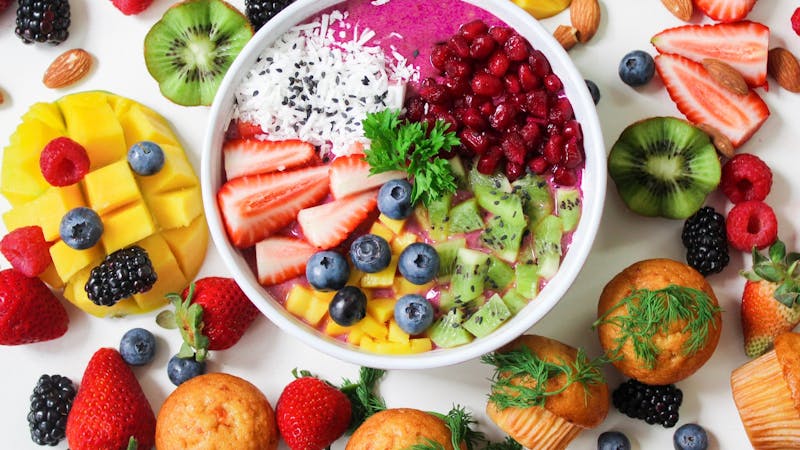
Chronic low-grade inflammation is a hallmark of PCOS and worsens insulin resistance. Focus on foods with proven anti-inflammatory properties. Fatty fish like salmon, mackerel, and sardines provide omega-3 fatty acids that powerfully reduce inflammation. Berries - blueberries, strawberries, and raspberries - are packed with antioxidants. Extra virgin olive oil contains oleocanthal, a compound with anti-inflammatory effects comparable to ibuprofen. Leafy greens like spinach, kale, and Swiss chard are rich in magnesium and folate. Turmeric with black pepper provides curcumin, one of nature's strongest anti-inflammatory compounds. Aim to include 2-3 of these foods at every meal.
High-Fiber, Low-Glycemic Carbohydrates
You do not need to go low-carb or keto to manage PCOS (though some women find these helpful). What matters most is choosing carbohydrates that release glucose slowly, keeping insulin levels stable. The best options include oats (steel-cut or rolled), quinoa, sweet potatoes, legumes (lentils, chickpeas, black beans), barley, and bulgur wheat. These foods are high in fiber, which slows digestion and prevents the insulin spikes that worsen PCOS symptoms. Aim for at least 25-30 grams of fiber daily.
Quality Protein at Every Meal
Protein helps stabilize blood sugar by slowing carbohydrate absorption and promoting satiety. It also supports muscle mass, which improves insulin sensitivity. Include a protein source at every meal and snack. The best options for PCOS include eggs, chicken and turkey breast, fish and seafood, Greek yogurt, tofu and tempeh, legumes, and nuts and seeds. Research suggests that slightly higher protein diets (around 30% of calories from protein) may be particularly beneficial for women with PCOS.
Healthy Fats
Healthy fats are essential for hormone production and reducing inflammation. Avocados provide monounsaturated fats and potassium. Nuts and seeds (especially walnuts, almonds, and flaxseeds) offer omega-3s and fiber. Extra virgin olive oil is the gold standard cooking oil for PCOS. Coconut oil in moderation contains medium-chain triglycerides that may improve insulin sensitivity. Do not fear dietary fat - it does not spike insulin and helps keep you satisfied between meals.
Foods to Avoid with PCOS
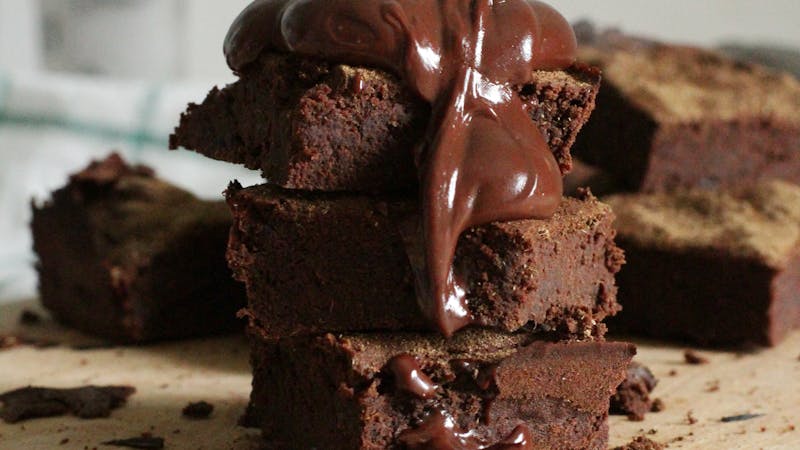
Sugary foods and beverages are the worst offenders for PCOS. Soda, candy, pastries, sweetened coffee drinks, and fruit juices cause rapid insulin spikes that directly worsen hormonal imbalance. Even "natural" sugars like honey and agave should be used sparingly.
Refined carbohydrates including white bread, white pasta, white rice, and most breakfast cereals behave like sugar in your body. Replace them with whole grain alternatives.
Processed and ultra-processed foods contain inflammatory seed oils, preservatives, and hidden sugars that worsen both insulin resistance and inflammation. This includes fast food, packaged snacks, frozen meals, and most convenience foods.
Excessive dairy - this is debated, but some research suggests that dairy (especially skim milk) may increase androgen levels in some women with PCOS. If your symptoms are severe, try eliminating dairy for 30 days to see if you notice improvement. Full-fat dairy in moderation is generally better tolerated than low-fat versions.
Alcohol increases inflammation, disrupts hormone metabolism in the liver, and can worsen sleep quality - all of which exacerbate PCOS. If you drink, limit to occasional moderate amounts.
Supplements That May Help PCOS
While food should always come first, certain supplements have clinical evidence supporting their use for PCOS. Always discuss with your doctor before starting any supplement.
Inositol (Myo-Inositol and D-Chiro-Inositol) is the most researched PCOS supplement. Multiple clinical trials show it improves insulin sensitivity, reduces androgen levels, restores ovulation, and improves egg quality. A typical dose is 4,000 mg myo-inositol with 100 mg D-chiro-inositol daily (40:1 ratio). Some studies show it is as effective as metformin for improving insulin sensitivity.
🌸 Map Your Hormonal Cycles Precisely
PCOS makes tracking your cycle difficult but mandatory. Our advanced Fertility & Ovulation Predictor helps you identify your fertile window and track late or irregular cycles to gain control over your reproductive health.
Omega-3 fatty acids reduce inflammation and may improve insulin resistance. Aim for 1,000-2,000 mg of combined EPA and DHA daily from fish oil or algae-based supplements.
Vitamin D - up to 85% of women with PCOS are vitamin D deficient. Supplementation has been shown to improve insulin resistance, menstrual regularity, and fertility. Get your levels tested and supplement accordingly (many women need 2,000-4,000 IU daily).
Magnesium supports insulin sensitivity and over 300 enzymatic reactions in the body. Many women with PCOS are deficient. 200-400 mg of magnesium glycinate before bed can improve sleep, reduce anxiety, and support blood sugar control.
Watch: PCOS Diet and Lifestyle Guide
Lifestyle Factors Beyond Diet

Diet is the foundation, but these lifestyle factors amplify results significantly. Regular exercise - both cardio and strength training - improves insulin sensitivity independently of weight loss. Aim for 150 minutes per week. Stress management through meditation, yoga, or deep breathing reduces cortisol, which worsens insulin resistance and inflammation. Quality sleep of 7-9 hours per night is essential because sleep deprivation directly impairs insulin sensitivity and increases cravings. Maintaining a healthy weight - even a 5-10% reduction if overweight - can dramatically improve PCOS symptoms and restore ovulation.
7-Day PCOS-Friendly Meal Plan
Day 1: Breakfast - Greek yogurt with walnuts, flaxseed, and blueberries. Lunch - large salad with grilled salmon, avocado, mixed greens, and olive oil dressing. Dinner - chicken stir-fry with broccoli, bell peppers, and cauliflower rice. Snack - apple with almond butter.
Day 2: Breakfast - veggie omelette with spinach, mushrooms, and feta. Lunch - lentil and vegetable soup with whole grain bread. Dinner - baked cod with roasted sweet potato and steamed green beans. Snack - mixed nuts and an orange.
Day 3: Breakfast - overnight oats with chia seeds, cinnamon, and berries. Lunch - chickpea and quinoa bowl with cucumber, tomatoes, and tahini dressing. Dinner - grilled turkey burger (no bun) with large side salad and avocado. Snack - hummus with carrot and celery sticks.
Day 4: Breakfast - smoothie with spinach, protein powder, frozen mango, and almond milk. Lunch - tuna salad with mixed greens, olives, and boiled eggs. Dinner - tofu curry with cauliflower, spinach, and brown rice. Snack - dark chocolate (85%+) and strawberries.
Day 5: Breakfast - scrambled eggs with avocado and tomato on whole grain toast. Lunch - grilled chicken wrap with lots of vegetables and hummus. Dinner - baked salmon with asparagus and quinoa. Snack - pear with a handful of almonds.
Day 6: Breakfast - chia pudding with coconut milk and mango. Lunch - black bean and sweet potato bowl with salsa and Greek yogurt. Dinner - grilled shrimp with zucchini noodles and pesto. Snack - cottage cheese with walnuts and cinnamon.
Day 7: Breakfast - banana oat pancakes (3 ingredients) with berries. Lunch - Mediterranean salad with grilled halloumi, chickpeas, olives, and olive oil. Dinner - slow-cooked chicken with roasted root vegetables. Snack - green smoothie with spinach, banana, and flaxseed.
The Bottom Line
PCOS is a complex condition, but diet is one of the most powerful tools you have to manage it. By focusing on anti-inflammatory, low-glycemic foods, getting adequate protein and healthy fats, and avoiding sugar and processed foods, you can significantly improve your insulin sensitivity, reduce symptoms, and support hormonal balance.
Remember that progress takes time - give any dietary changes at least 3 months before evaluating results, as hormonal shifts happen gradually. Be patient with yourself, focus on progress rather than perfection, and celebrate every positive change you make.
Are you managing PCOS through diet? Share what has worked for you in the comments below.
Disclaimer: This article is for informational purposes only and is not a substitute for professional medical advice. PCOS management should be overseen by a qualified healthcare provider. Always consult your doctor before starting supplements or making significant dietary changes, especially if you are on medication.
Scientific References & Clinical Accuracy
At HealthisHeaven, we adhere to strict editorial standards. Every claim is cross-referenced against peer-reviewed medical journals and high-authority health databases to ensure biological accuracy.