✅ Medically Reviewed by HealthisHeaven Editorial Team | Updated April 2026
Stress and anxiety have become an epidemic of modern life. The World Health Organization estimates that over 300 million people worldwide suffer from anxiety disorders, making it the most common mental health condition on the planet. If you are feeling overwhelmed, constantly worried, or physically tense, you are far from alone.
The good news is that there are powerful, natural methods to reduce stress and anxiety that don't require a prescription. These strategies are backed by clinical research and can be started today, right from your home. Here are 12 proven methods that work.
1. Practice Mindfulness Meditation

Mindfulness meditation is one of the most extensively researched natural anxiety treatments. It involves sitting quietly, focusing on your breath, and observing your thoughts without judgment. You are not trying to empty your mind - you are learning to notice your thoughts without getting swept away by them.
A landmark meta-analysis published in JAMA Internal Medicine reviewed 47 clinical trials with 3,515 participants and concluded that mindfulness meditation significantly reduces anxiety, depression, and pain. Even 10 minutes a day can make a measurable difference. Start with a guided meditation app like Headspace, Calm, or Insight Timer, then gradually build up to 20 minutes daily.
2. Exercise Regularly
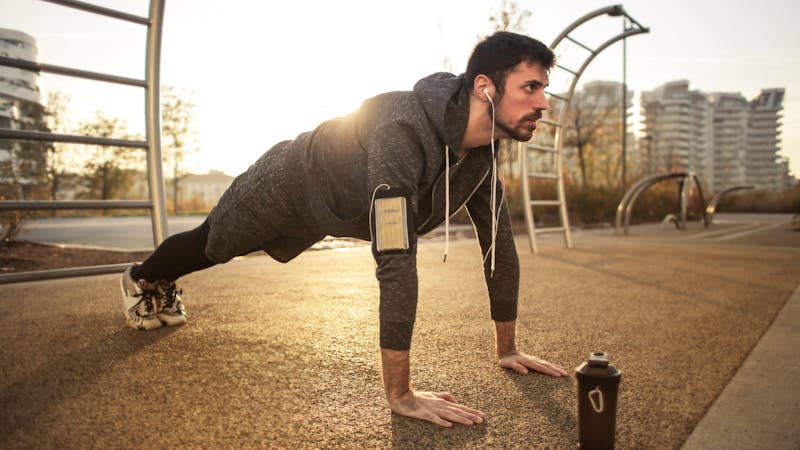
Exercise is nature's most potent anti-anxiety medicine. When you move your body, it releases endorphins, serotonin, and norepinephrine - neurotransmitters that directly improve your mood and reduce stress hormones like cortisol and adrenaline.
You do not need to run marathons. Research from Harvard Medical School shows that just 30 minutes of moderate exercise - a brisk walk, a bike ride, a swim, or a yoga session - can reduce anxiety symptoms for hours afterward. The key is consistency. Aim for at least 150 minutes of moderate exercise per week, spread across 4-5 days. Walking is an excellent starting point if you are not currently active.
3. Practice Deep Breathing Exercises
When you feel anxious, your breathing becomes shallow and rapid, which triggers your body's fight-or-flight response and makes anxiety worse. Deep breathing reverses this cycle by activating the parasympathetic nervous system - your body's built-in calm-down mechanism.
Try the 4-7-8 technique: Inhale through your nose for 4 seconds, hold for 7 seconds, exhale slowly through your mouth for 8 seconds. Repeat 4 times. This technique was developed by Dr. Andrew Weil and has been shown to reduce heart rate and blood pressure within minutes. Practice it twice daily and whenever you feel anxiety rising.
4. Prioritize Quality Sleep
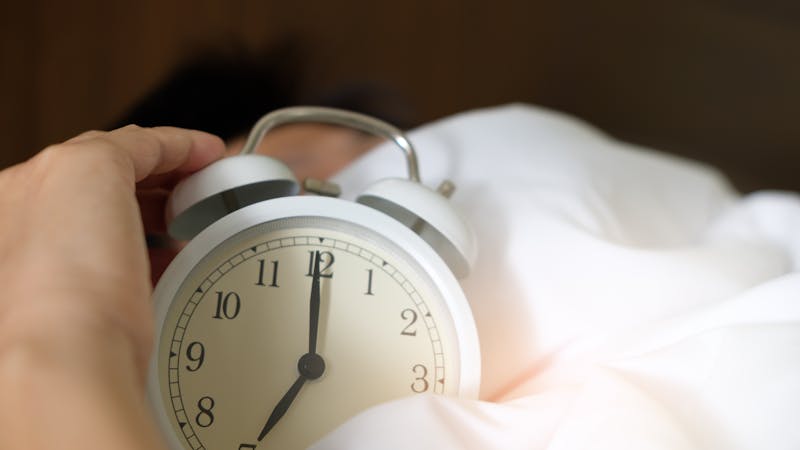
Sleep and anxiety have a bidirectional relationship - anxiety makes it harder to sleep, and poor sleep makes anxiety worse. Breaking this cycle is essential. Research from the University of California, Berkeley found that a single night of sleep deprivation can increase anxiety levels by up to 30%.
Create a sleep-friendly routine: go to bed and wake up at the same time every day, keep your bedroom cool (65-68 degrees F / 18-20 degrees C), dark, and quiet. Avoid screens for at least 30 minutes before bed. Limit caffeine after 2 PM. If racing thoughts keep you awake, try writing them in a journal before bed - getting worries out of your head and onto paper can be remarkably effective.
5. Limit Caffeine and Alcohol
Caffeine is a stimulant that can trigger and worsen anxiety symptoms, especially in sensitive individuals. It increases heart rate, causes jitteriness, and can disrupt sleep - all of which fuel the anxiety cycle. Alcohol, while it may seem to relax you temporarily, is actually a depressant that disrupts neurotransmitter balance and significantly worsens anxiety the following day (known as "hangxiety").
If you struggle with anxiety, try limiting coffee to 1-2 cups before noon and observe how it affects your symptoms. Consider switching to green tea, which contains L-theanine - an amino acid that promotes calm alertness without the anxiety spike. Reduce alcohol to occasional moderate amounts, or try eliminating it for 30 days to see the difference.
6. Spend Time in Nature
Nature is a powerful antidote to stress and anxiety. The Japanese practice of "shinrin-yoku" (forest bathing) has been scientifically validated - spending time among trees reduces cortisol levels, lowers blood pressure, decreases heart rate, and boosts immune function.
You do not need a forest. Any green space works - a park, a garden, even a tree-lined street. A study published in the Proceedings of the National Academy of Sciences found that a 90-minute walk in a natural setting significantly reduced activity in the brain region associated with repetitive negative thinking. Aim for at least 20 minutes outdoors in a natural setting daily. Leave your phone behind or put it on silent.
7. Build a Journaling Practice
Writing down your thoughts and feelings is one of the simplest yet most effective tools for managing anxiety. Journaling helps you process emotions, identify patterns in your thinking, and gain perspective on situations that feel overwhelming in the moment.
Research from the University of Rochester Medical Center confirms that expressive writing reduces anxiety, improves immune function, and enhances emotional processing. Try these approaches: write freely about whatever is on your mind for 10 minutes each morning ("brain dump" journaling), keep a gratitude journal noting 3 things you are thankful for each day, or practice "worry time" journaling where you designate 15 minutes to write all your worries, then close the journal and move on.
8. Eat a Brain-Healthy Diet
What you eat directly affects how you feel. The gut-brain axis is a well-established connection in neuroscience - your gut produces approximately 95% of your body's serotonin, the neurotransmitter most associated with mood regulation. An unhealthy gut means unhealthy mood chemistry.
A study published in the British Medical Journal found that a Mediterranean-style diet - rich in vegetables, fruits, whole grains, fish, nuts, and olive oil - reduced the risk of depression and anxiety by 33% compared to a typical Western diet. Foods particularly beneficial for anxiety include fatty fish (omega-3s reduce inflammation), fermented foods like yogurt, kimchi, and sauerkraut (probiotics for gut health), dark leafy greens (magnesium deficiency is linked to anxiety), blueberries (antioxidants protect brain cells), and dark chocolate in moderation (flavonoids improve blood flow to the brain).
🧠 Assess Your Current Mental Health Baseline
Natural methods are vital, but knowing your clinical distress level is the first step toward recovery. Use our scientifically validated PHQ-4 screener to determine if your current stress levels require professional therapeutic support.
9. Practice Progressive Muscle Relaxation
Anxiety lives in the body as much as the mind. Progressive Muscle Relaxation (PMR) is a technique where you systematically tense and then release different muscle groups, teaching your body to recognize and release physical tension.
Here is how to do it: Start with your feet. Tense the muscles as tightly as you can for 5 seconds, then release and notice the contrast. Move up to your calves, thighs, abdomen, chest, hands, arms, shoulders, neck, and face. The entire sequence takes about 15 minutes. Clinical studies show PMR significantly reduces anxiety, improves sleep quality, and lowers blood pressure. Practice it before bed for the best results.
10. Build Strong Social Connections
Human beings are wired for connection. Loneliness and social isolation are among the strongest risk factors for anxiety and depression. When you spend quality time with people you trust, your body releases oxytocin - a hormone that directly counteracts the stress response.
You do not need a huge social circle. Research from Brigham Young University found that even a few close, supportive relationships can significantly reduce anxiety and improve overall mental health. Prioritize face-to-face interactions over digital communication. Schedule regular catch-ups with friends or family. Consider joining a group activity - a sports team, book club, volunteer organization, or class - where you naturally meet people with shared interests.
11. Reduce Screen Time and News Consumption
Constant exposure to news, social media, and digital notifications is a modern anxiety trigger that our brains were not designed to handle. The 24-hour news cycle is engineered to keep you alarmed, and social media often promotes unhealthy comparison and FOMO (fear of missing out).
A study in the journal Preventive Medicine Reports found that adults who used social media for more than 2 hours daily had significantly higher rates of anxiety and depression. Try these strategies: set specific times for checking news and social media rather than constant scrolling, turn off non-essential push notifications, use screen time tracking tools to monitor your usage, establish phone-free zones (bedroom, dining table), and replace scrolling time with reading, walking, or creative activities.
12. Try Herbal Supplements (With Caution)
Several herbal supplements have research supporting their use for mild to moderate anxiety. These are not magic pills, but they can be helpful as part of a comprehensive approach.
Ashwagandha is an adaptogenic herb with multiple clinical trials showing significant anxiety reduction. A study in the Indian Journal of Psychological Medicine found a 56% reduction in anxiety scores after 60 days. Magnesium is not technically an herb, but many people are deficient, and supplementation has been shown to improve anxiety symptoms. L-theanine, found naturally in green tea, promotes calm without drowsiness. Chamomile extract has been shown in clinical trials to reduce generalized anxiety disorder symptoms. Always consult your doctor before starting any supplement, especially if you take other medications.
When to Seek Professional Help
These natural methods are effective for everyday stress and mild to moderate anxiety. However, if your anxiety is severe, persistent, or significantly interfering with your daily life, work, or relationships, please seek help from a mental health professional. There is no shame in getting support - therapy (especially Cognitive Behavioral Therapy) and, when appropriate, medication can be life-changing. These natural methods work wonderfully alongside professional treatment.
Watch: Science-Backed Ways to Reduce Anxiety
A Daily Anti-Anxiety Routine
Morning (15 minutes): Wake up, drink warm water, 10-minute meditation, write 3 gratitudes.
Midday (30 minutes): 30-minute walk or exercise session outdoors. Eat a nutritious lunch rich in vegetables and whole grains.
Afternoon: Take a 5-minute breathing break (4-7-8 technique) between tasks. Limit caffeine. Stay hydrated.
Evening: Reduce screen time after dinner. Spend quality time with family or friends. Journal for 10 minutes.
Before bed: Progressive Muscle Relaxation or gentle stretching. No screens 30 minutes before sleep. Herbal tea (chamomile or lavender). Consistent bedtime.
The Bottom Line
Stress and anxiety are not inevitable consequences of modern life - they are manageable conditions that respond powerfully to consistent natural interventions. You do not need to implement all 12 methods at once. Start with 2-3 that resonate with you, practice them daily for 2-3 weeks, and gradually add more.
The most important step is the first one. Choose one method from this list and commit to trying it today. Your nervous system will thank you.
Which stress-relief method works best for you? Share your experience in the comments below.
Disclaimer: This article is for informational purposes only and is not a substitute for professional mental health advice. If you are experiencing severe anxiety, panic attacks, or thoughts of self-harm, please contact a mental health professional or crisis helpline immediately.
Scientific References & Clinical Accuracy
At HealthisHeaven, we adhere to strict editorial standards. Every claim is cross-referenced against peer-reviewed medical journals and high-authority health databases to ensure biological accuracy.