✅ Medically Reviewed by HealthisHeaven Editorial Team | Updated April 2026
Your liver is a true powerhouse organ, quietly performing over 500 essential functions every day. From filtering toxins and producing bile to storing vitamins and metabolizing medications, this 3-pound organ is critical to your survival. Yet most people do not think about their liver until something goes wrong.
The concerning reality? Non-alcoholic fatty liver disease (NAFLD) affects nearly 25% of the global population, and many people do not know they have it because the early stages often have no symptoms. Here are the warning signs that your liver may need attention - and what science says you can actually do about it.
What Does Your Liver Actually Do?
Before we look at warning signs, it helps to understand why your liver is so important. Your liver:
- Filters blood: Processes about 1.4 liters of blood per minute, removing toxins, bacteria, and old blood cells.
- Produces bile: Essential for digesting fats and absorbing fat-soluble vitamins (A, D, E, K).
- Metabolizes nutrients: Converts food into energy, stores glycogen, and regulates blood sugar.
- Processes medications: Breaks down drugs and supplements so your body can use or eliminate them.
- Produces proteins: Makes albumin (regulates blood volume) and clotting factors that prevent excessive bleeding.
- Stores vitamins and minerals: Acts as a warehouse for iron, copper, and vitamins A, D, B12, and K.
Because the liver is involved in so many processes, problems with it can show up in surprising ways throughout your body.
10 Warning Signs Your Liver Needs Attention
1. Persistent Fatigue and Low Energy
Feeling tired all the time, even after a full night of sleep, is one of the most common early signs of liver stress. When your liver is not functioning optimally, it struggles to process toxins efficiently, leaving you feeling drained. Liver-related fatigue often feels different from normal tiredness - it is a deep, unrelenting exhaustion that does not improve with rest.
2. Digestive Issues and Bloating
Your liver produces bile, which is essential for breaking down fats. When liver function declines, you may experience bloating after meals, excessive gas, nausea (especially after fatty foods), acid reflux, or a feeling of fullness in the upper right abdomen. Recurring digestive discomfort that does not respond to typical remedies could signal a liver issue.
3. Skin Changes and Yellowing (Jaundice)
Yellowing of the skin or eyes (jaundice) is a classic sign of liver problems. It occurs when the liver cannot properly process bilirubin, a yellow pigment produced when old red blood cells break down. Other skin-related signs include unexplained itching (pruritus), spider-like blood vessels on the skin (spider angiomas), easy bruising, and a dull or grayish complexion.
4. Dark Urine and Pale Stools
Changes in urine and stool color can indicate liver problems. Dark, tea-colored urine (when you are well hydrated) may suggest excess bilirubin being filtered through the kidneys. Pale, clay-colored, or grayish stools can indicate that bile is not reaching the intestines properly, which points to liver or bile duct issues.
5. Unexplained Weight Changes
Sudden weight gain, particularly around the midsection, or unexplained weight loss can both be linked to liver dysfunction. A struggling liver may lead to fluid retention in the abdomen (ascites), causing your belly to swell. Conversely, advanced liver disease can cause loss of appetite and muscle wasting, leading to weight loss.
6. Pain or Discomfort in the Upper Right Abdomen
Your liver is located in the upper right part of your abdomen, just below the rib cage. A dull, throbbing, or stabbing pain in this area can indicate liver inflammation (hepatitis), fatty liver disease, or an enlarged liver. The discomfort may also radiate to your right shoulder or back.
7. Brain Fog and Difficulty Concentrating
When the liver cannot filter toxins effectively, they can build up in the bloodstream and affect brain function. This condition, known as hepatic encephalopathy in severe cases, can cause confusion, difficulty concentrating, memory problems, mood changes, and impaired judgment. Even mild liver dysfunction can contribute to mental fogginess.
8. Frequent Headaches
Recurring headaches, especially ones that do not respond well to over-the-counter painkillers, can be associated with liver overload. When the liver is struggling to process toxins, these substances circulate longer in the blood and can trigger inflammation and headaches.
9. Hormonal Imbalances
The liver plays a key role in metabolizing hormones, including estrogen and testosterone. When liver function is impaired, hormonal imbalances can occur, leading to symptoms like acne flare-ups, irregular periods, mood swings, reduced libido, and gynecomastia (enlarged breast tissue in men).
10. Weakened Immunity and Frequent Infections
A struggling liver can weaken your immune system. If you find yourself catching colds and infections more often than usual, or if wounds heal slowly, your liver may not be supporting your immune function properly. The liver produces immune factors and helps remove bacteria from the bloodstream.
Common Liver Detox Myths: What Science Actually Says
The wellness industry is flooded with "liver detox" products and programs, but many claims are not supported by science. Here is what you need to know:
🍺 How Hard Is Alcohol Hitting Your Liver?
If your liver is showing signs of distress, understanding your Blood Alcohol Concentration after drinking is critical. Our BAC Calculator reveals exactly how long your liver needs to fully metabolize each session.
Myth: You need special juices or supplements to "detox" your liver. Reality: Your liver is a self-cleaning organ. It does not need special products to do its job. Most commercial "liver detox" supplements have limited scientific evidence supporting their claims.
Myth: A juice cleanse will "reset" your liver. Reality: Juice cleanses can actually stress your liver due to high fructose content. Your liver processes fructose, and flooding it with fruit sugar is counterproductive.
Myth: Liver detox teas are medicinal. Reality: While some herbal teas may have mild benefits, many "detox teas" contain laxatives that can cause dehydration and electrolyte imbalances. Some herbal supplements can actually harm the liver.
Evidence-Based Ways to Support Liver Health
Instead of expensive detox products, focus on these proven strategies:
1. Eat a Liver-Friendly Diet
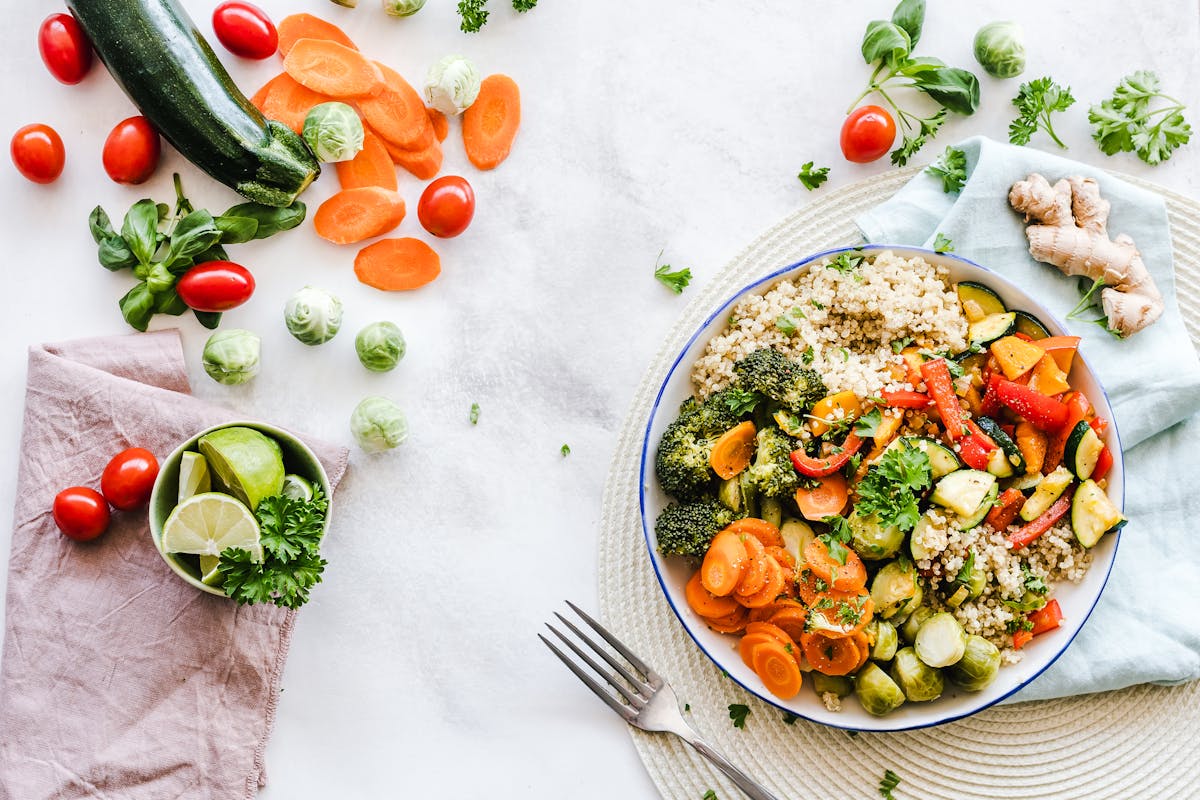
Focus on whole, unprocessed foods. Research supports these liver-friendly foods: cruciferous vegetables (broccoli, Brussels sprouts, cauliflower) which contain compounds that support liver detox enzymes, leafy greens rich in chlorophyll that help neutralize toxins, fatty fish (salmon, sardines, mackerel) providing anti-inflammatory omega-3s, garlic which activates liver enzymes that help flush out toxins, and green tea which contains catechins that improve liver function.
2. Limit Alcohol Consumption
Alcohol is one of the biggest stressors on your liver. Even moderate drinking can contribute to fatty liver over time. If you have signs of liver stress, consider eliminating alcohol completely for at least 30 days to give your liver a chance to recover. Research shows the liver can regenerate significantly when alcohol is removed.
3. Reduce Sugar and Processed Foods
Excessive sugar, especially fructose from processed foods and sugary drinks, is a leading cause of non-alcoholic fatty liver disease. Cut back on sodas, packaged snacks, white bread, and foods with added sugars. Your liver processes fructose similarly to alcohol, so reducing sugar intake can have an effect similar to cutting back on drinking.
4. Exercise Regularly
Regular physical activity helps reduce liver fat, improve insulin sensitivity, and decrease inflammation. Studies show that both aerobic exercise and resistance training can reduce liver fat by 20-30% even without significant weight loss. Aim for at least 150 minutes of moderate exercise per week.
5. Stay Hydrated
Water helps your liver flush out waste products efficiently. Aim for 8-10 glasses daily. Adding lemon to warm water in the morning is a gentle way to support digestion, though it is not a miracle cure as some claim.
6. Be Careful with Medications and Supplements
Your liver processes every pill you take. Overuse of acetaminophen (paracetamol/Tylenol), certain herbal supplements, and unnecessary medications can strain or damage your liver. Always follow dosing instructions, never mix medications with alcohol, and consult your doctor before taking new supplements.
When to See a Doctor
See your healthcare provider if you experience:
- Persistent jaundice (yellowing of skin or eyes)
- Severe or worsening abdominal pain in the upper right area
- Significant unexplained weight changes
- Dark urine lasting more than a few days
- Chronic fatigue that does not improve with rest
- Swelling in the abdomen or legs
- Easy bruising or bleeding
A simple blood test (liver function panel) can check your ALT, AST, ALP, and bilirubin levels to assess how well your liver is working. An ultrasound can detect fatty liver disease. Early detection is key - the liver has a remarkable ability to heal itself when problems are caught early.
The Bottom Line
Your liver is incredibly resilient, but it is not invincible. Pay attention to the warning signs listed above, skip the expensive detox products, and instead focus on proven lifestyle strategies: eat whole foods, limit alcohol and sugar, exercise regularly, and stay hydrated. These simple changes do more for your liver than any supplement ever could.
If you are experiencing multiple symptoms from this list, do not ignore them. A quick visit to your doctor and a liver function blood test can give you peace of mind or catch a problem early when it is most treatable.
Disclaimer: This article is for educational purposes only and should not replace professional medical advice. If you suspect liver problems, consult a qualified healthcare provider for proper diagnosis and treatment.
Scientific References & Clinical Accuracy
At HealthisHeaven, we adhere to strict editorial standards. Every claim is cross-referenced against peer-reviewed medical journals and high-authority health databases to ensure biological accuracy.