
✅ Medically Reviewed by HealthisHeaven Editorial Team | Updated April 2026
Yoga has been practiced for over 5,000 years, and its popularity continues to grow worldwide for good reason. It builds strength, flexibility, and balance while simultaneously reducing stress, improving sleep, and promoting mental clarity. But walking into a yoga class or browsing online videos as a complete beginner can feel overwhelming - there are hundreds of poses with unfamiliar names, and everyone else seems to know what they are doing.
This guide cuts through the complexity. Here are the 10 best yoga poses for beginners - the foundational postures that every yoga practice is built upon. Master these, and you will have the confidence and body awareness to tackle any class or video.
What You Need to Get Started
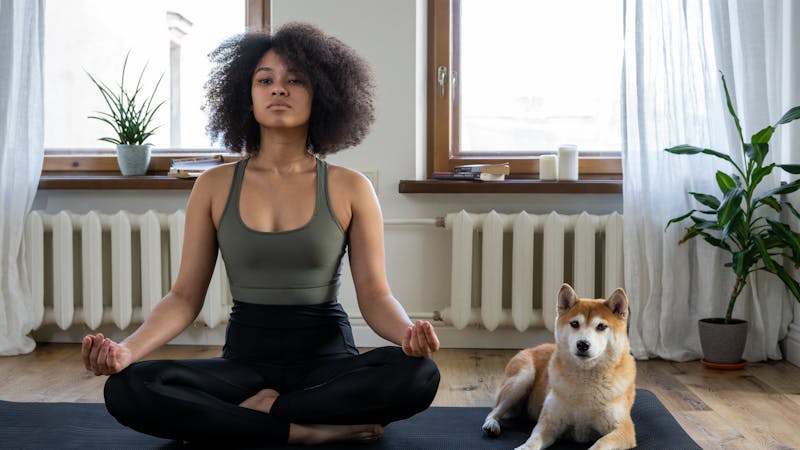
The beauty of yoga is that you need very little to start. A yoga mat provides cushioning and grip (any basic mat under $20 works fine). Comfortable, stretchy clothing that does not restrict movement. A yoga block (optional but helpful for modifications - a thick book works as a substitute). A quiet space with enough room to extend your arms and legs in all directions. That is it. No gym membership, no expensive equipment, no special fitness level required.
The 10 Essential Yoga Poses for Beginners
1. Mountain Pose (Tadasana)

Mountain Pose is the foundation of all standing poses. It looks simple - you are essentially standing - but when done mindfully, it teaches proper alignment that carries into every other posture.
How to do it: Stand with your feet hip-width apart, toes pointing forward. Distribute your weight evenly across both feet. Engage your thigh muscles gently. Lengthen your spine by imagining a string pulling the crown of your head toward the ceiling. Roll your shoulders back and down. Arms hang naturally at your sides, palms facing forward. Breathe deeply and hold for 5-10 breaths.
Benefits: Improves posture, body awareness, and balance. Strengthens thighs, ankles, and core.
2. Downward-Facing Dog (Adho Mukha Svanasana)
This is arguably the most recognized yoga pose and one of the most beneficial. It stretches and strengthens the entire body simultaneously.
How to do it: Start on your hands and knees. Tuck your toes under, press your hands firmly into the mat, and lift your hips up and back, straightening your legs to form an inverted V shape. Your hands should be shoulder-width apart, fingers spread wide. Press your chest gently toward your thighs. It is perfectly fine if your heels do not touch the floor - this flexibility comes with time. Bend your knees slightly if your hamstrings are tight. Hold for 5-10 breaths.
Benefits: Stretches hamstrings, calves, shoulders, and spine. Strengthens arms and legs. Calms the nervous system and relieves stress.
3. Warrior I (Virabhadrasana I)

Warrior poses build strength, confidence, and stamina. Warrior I is the most accessible variation and is a staple in virtually every yoga class.
How to do it: From Mountain Pose, step your right foot forward about 3-4 feet. Turn your left foot out at a 45-degree angle. Bend your right knee until it is directly over your ankle (do not let it go past your toes). Keep your hips facing forward as much as possible. Raise both arms overhead, palms facing each other. Look up between your hands. Hold for 5 breaths, then switch sides.
Benefits: Strengthens legs, core, and arms. Opens hips and chest. Improves balance and focus.
4. Warrior II (Virabhadrasana II)
How to do it: From Warrior I, open your hips and torso to the side. Extend your arms out parallel to the floor, reaching in opposite directions. Your front knee stays bent over the ankle. Turn your head to gaze over your front fingers. Keep your shoulders relaxed and your core engaged. Hold for 5 breaths, then switch sides.
Benefits: Builds stamina and leg strength. Opens hips and groin. Improves concentration and balance.
5. Tree Pose (Vrksasana)
Tree Pose is the classic balance pose and a wonderful way to build stability and focus. Wobbling is completely normal - balance improves with practice.
How to do it: Stand in Mountain Pose. Shift your weight onto your left foot. Place the sole of your right foot on your left inner thigh or calf (never on the knee joint). Press your foot and leg into each other for stability. Bring your palms together at your chest, or extend your arms overhead like branches. Fix your gaze on a non-moving point for balance. Hold for 5-10 breaths, then switch sides.
Beginner modification: Place your foot on your ankle (with toes touching the floor) instead of your thigh. Use a wall for support until your balance improves.
6. Child's Pose (Balasana)
Child's Pose is yoga's ultimate resting position. It is your safe haven - whenever you feel tired, overwhelmed, or need a break during any practice, you can always return to Child's Pose.
How to do it: Kneel on the floor with your big toes touching and knees spread apart. Sit your hips back toward your heels. Extend your arms forward on the mat and rest your forehead on the floor. Breathe deeply into your back. Stay for as long as you need - 30 seconds to several minutes.
🧘 Is Your Yoga True Active Recovery?
Yoga is best when it keeps you in Zone 1 for active blood flow and neuroplastic repair. Use our Target Heart Rate calculator to find your exact recovery zone beats-per-minute.
Benefits: Gently stretches hips, thighs, and back. Calms the mind and relieves stress. Releases tension in the neck and shoulders.
7. Cat-Cow Stretch (Marjaryasana-Bitilasana)
This gentle flowing movement warms up the spine and is the perfect way to start any yoga session. It connects movement with breath, which is the essence of yoga.
How to do it: Start on your hands and knees in a tabletop position. For Cow: inhale, drop your belly toward the floor, lift your chest and tailbone, and look up. For Cat: exhale, round your spine toward the ceiling, tuck your chin to your chest, and draw your belly button in. Flow between these two positions with your breath for 5-10 rounds.
Benefits: Increases spine flexibility. Relieves back tension and pain. Massages abdominal organs. Connects breath to movement.
8. Cobra Pose (Bhujangasana)
How to do it: Lie face down with your palms flat on the floor under your shoulders. Press your legs and hips into the floor. On an inhale, gently press into your palms and lift your chest off the floor. Keep your elbows slightly bent and close to your body. Do not push too high - a gentle backbend is sufficient for beginners. Hold for 3-5 breaths, then lower down slowly.
Benefits: Strengthens the spine and back muscles. Opens the chest and shoulders. Counteracts the effects of sitting and hunching over screens all day.
9. Seated Forward Fold (Paschimottanasana)
How to do it: Sit on the floor with your legs extended straight in front of you. Inhale and lengthen your spine. Exhale and hinge forward from your hips (not your waist), reaching toward your toes. It does not matter how far you reach - the goal is to feel a stretch in the backs of your legs and spine, not to touch your toes. Use a strap or towel around your feet if you cannot reach. Hold for 5-10 breaths.
Benefits: Stretches the entire back body - hamstrings, calves, and spine. Calms the nervous system. Relieves stress and mild depression.
10. Corpse Pose (Savasana)

Every yoga practice ends with Savasana, and many teachers consider it the most important pose of all. It is where your body absorbs the benefits of your practice and your nervous system fully relaxes.
How to do it: Lie flat on your back with your legs extended and feet falling open naturally. Place your arms alongside your body, palms facing up. Close your eyes. Consciously relax every muscle in your body, starting from your toes and moving up to the crown of your head. Let go of all effort. Breathe naturally. Stay for at least 5 minutes.
Benefits: Activates the parasympathetic nervous system (deep rest mode). Reduces blood pressure and heart rate. Integrates the physical and mental benefits of your practice.
20-Minute Beginner Yoga Routine
Do this sequence in order for a complete, balanced practice you can do every morning or evening. Cat-Cow (1 minute, 5-8 rounds). Downward-Facing Dog (1 minute, hold 5 breaths). Mountain Pose (30 seconds). Warrior I - right side (1 minute). Warrior I - left side (1 minute). Warrior II - right side (1 minute). Warrior II - left side (1 minute). Tree Pose - right side (1 minute). Tree Pose - left side (1 minute). Cobra Pose (1 minute, 2 rounds of 5 breaths). Downward-Facing Dog (1 minute). Seated Forward Fold (2 minutes). Child's Pose (2 minutes). Savasana (5 minutes).
Total time: approximately 20 minutes. Practice this 3-5 times per week for noticeable improvements in flexibility, strength, and stress levels within 2-4 weeks.
Tips for Yoga Beginners
Listen to your body - yoga should never cause sharp pain. Mild discomfort and stretching sensation are normal; pain is not. Breathe through your nose and never hold your breath during poses. Consistency matters more than intensity - 15 minutes daily is better than one 90-minute class per week. Do not compare yourself to others or to what you see online. Everyone's body is different, and flexibility comes with time. Practice on an empty stomach or wait at least 1-2 hours after eating. Stay hydrated before and after your practice.
The Bottom Line
Yoga is one of the most accessible, effective, and enjoyable forms of exercise available to anyone at any fitness level. These 10 poses give you everything you need to start a meaningful practice at home today. You do not need to be flexible (that is what yoga develops), you do not need to be fit (yoga meets you where you are), and you do not need to spend a single dollar beyond a basic mat.
Roll out your mat, start with the 20-minute routine above, and experience the difference for yourself. Your body and mind will thank you.
Are you new to yoga or a regular practitioner? Share your favorite pose in the comments below!
Disclaimer: This article is for informational purposes only. If you have injuries or medical conditions, consult your healthcare provider before starting yoga. Consider taking a beginner class with a certified instructor to ensure proper form.
Scientific References & Clinical Accuracy
At HealthisHeaven, we adhere to strict editorial standards. Every claim is cross-referenced against peer-reviewed medical journals and high-authority health databases to ensure biological accuracy.