✅ Medically Reviewed by HealthisHeaven Editorial Team | Updated April 2026
The supplement industry is worth over $150 billion globally, and it is filled with products that promise everything from superhuman energy to eternal youth. The reality? Most supplements are unnecessary if you eat a balanced diet. But a select few have strong scientific evidence behind them and can fill genuine nutritional gaps that even healthy eaters face.
This guide focuses on the 7 supplements that are most worth taking based on clinical research, nutritional science, and real-world deficiency data. No hype, no affiliate-driven recommendations of 47 products you do not need - just the ones that actually matter.
Before You Buy: Important Principles
Supplements should supplement a healthy diet, not replace one. No pill can compensate for poor eating habits. Get blood work done before supplementing - you may not need what you think you need, and you may be deficient in something you did not expect. Look for third-party testing certifications like USP, NSF, or ConsumerLab on the label - these verify that the product actually contains what it claims. More expensive does not always mean better, but the cheapest options often use inferior ingredient forms with poor absorption. Consult your doctor before starting any supplement, especially if you take medications.
1. Vitamin D - The Sunshine Vitamin Most People Lack

Why it matters: An estimated 1 billion people worldwide are vitamin D deficient. Unless you live near the equator, spend significant time outdoors without sunscreen, and eat fatty fish daily, you are likely not getting enough. Vitamin D is essential for bone health, immune function, mood regulation, and muscle function. Deficiency is linked to depression, weakened immunity, osteoporosis, and increased risk of several cancers.
Who needs it: Most adults, especially those who live in northern latitudes (above 35 degrees N), have darker skin, work indoors, are over 50, or wear sunscreen regularly.
Recommended dose: 1,000-4,000 IU daily for most adults. Get your levels tested (25-hydroxyvitamin D blood test) and supplement accordingly. The optimal range is 40-60 ng/mL.
What to look for: Vitamin D3 (cholecalciferol) is significantly better absorbed than D2. Take with a fat-containing meal for best absorption. Liquid and softgel forms tend to absorb better than tablets.
2. Omega-3 Fatty Acids (Fish Oil or Algae Oil)
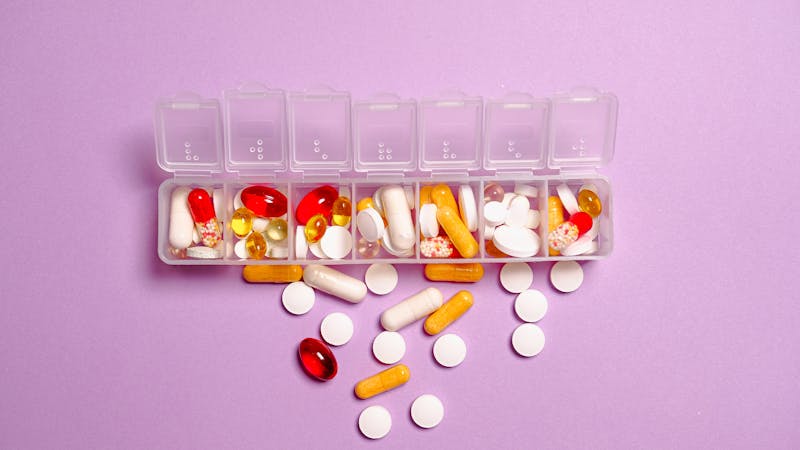
Why it matters: Omega-3 fatty acids (EPA and DHA) are critical for heart health, brain function, eye health, and reducing chronic inflammation. The modern diet is dramatically skewed toward omega-6 fats (from processed foods and vegetable oils) and deficient in omega-3s. Unless you eat fatty fish (salmon, mackerel, sardines) 2-3 times per week, supplementation is likely beneficial.
Who needs it: Most adults who do not regularly eat fatty fish. Especially important for heart health, brain health, pregnant women (DHA supports fetal brain development), and anyone with inflammatory conditions.
Recommended dose: 1,000-2,000 mg of combined EPA and DHA daily. Look at the EPA and DHA content specifically - not the total "fish oil" amount on the label (a 1,000 mg fish oil capsule may only contain 300 mg of actual EPA+DHA).
What to look for: Choose triglyceride form over ethyl ester form for better absorption. Look for IFOS (International Fish Oil Standards) certification. For vegetarians, algae-based omega-3 supplements provide DHA and sometimes EPA without fish. Store in the refrigerator to prevent oxidation.
3. Magnesium - The Mineral Most Adults Are Missing

Why it matters: Magnesium is involved in over 300 biochemical reactions in your body including energy production, muscle and nerve function, blood sugar control, and blood pressure regulation. Despite its importance, an estimated 50-80% of the population does not meet the recommended daily intake. Modern soil depletion, food processing, and stress all contribute to widespread deficiency.
Signs of deficiency: Muscle cramps and twitches, poor sleep, anxiety, fatigue, headaches, and constipation.
Recommended dose: 200-400 mg daily. The best time to take it is in the evening, as it promotes relaxation and better sleep.
What to look for: The form matters significantly. Magnesium glycinate is the best for sleep, anxiety, and general supplementation (well-absorbed, gentle on the stomach). Magnesium citrate is good for constipation relief. Avoid magnesium oxide - it has the poorest absorption (only 4%) despite being the cheapest and most common form on shelves.
4. Probiotics - For Gut and Overall Health
Why it matters: Your gut microbiome - the trillions of bacteria living in your digestive tract - influences everything from digestion and immunity to mental health and weight management. A diverse, balanced microbiome is linked to better health outcomes across virtually every measure. Stress, antibiotics, processed foods, and poor sleep can all damage your gut bacteria.
Who needs it: Anyone who has recently taken antibiotics, experiences regular digestive issues (bloating, gas, irregular bowel movements), has taken a course of antibiotics recently, or eats a diet low in fermented foods.
Recommended dose: Look for products with at least 10-30 billion CFU (colony-forming units) and multiple strains. Lactobacillus and Bifidobacterium strains have the most research behind them.
What to look for: Choose products with specific, named strains (e.g., Lactobacillus rhamnosus GG, not just "Lactobacillus"). Check the expiration date and storage requirements. Some probiotics need refrigeration. Look for delayed-release capsules that survive stomach acid. Better yet, prioritize probiotic-rich foods: yogurt, kefir, sauerkraut, kimchi, and kombucha.
🧬 Get Your Personalized Supplement Protocol
Stop buying supplements randomly. Our diagnostic quiz analyzes your activity, sleep, and metabolic load to tell you exactly which compounds will provide the highest ROI for your physical and mental performance.
5. Vitamin B12 - Essential for Vegans and Older Adults
Why it matters: Vitamin B12 is crucial for nerve function, DNA synthesis, and red blood cell formation. It is found almost exclusively in animal products, making deficiency very common among vegetarians and vegans (up to 86% of vegans are deficient). Additionally, absorption decreases with age, so adults over 50 are at increased risk regardless of diet.
Signs of deficiency: Fatigue, weakness, numbness or tingling in hands and feet, difficulty concentrating, mood changes, and megaloblastic anemia. Severe deficiency can cause irreversible nerve damage.
Who needs it: All vegans and most vegetarians (this is non-negotiable). Adults over 50. People taking metformin (diabetes medication) or proton pump inhibitors (acid reflux medication), both of which reduce B12 absorption.
Recommended dose: 500-1,000 mcg of methylcobalamin or cyanocobalamin daily, or 2,500 mcg once weekly. Sublingual (under the tongue) forms may be better absorbed than standard pills.
6. Zinc - Immune Support and More
Why it matters: Zinc is essential for immune function, wound healing, protein synthesis, and cell division. It also plays a crucial role in taste, smell, and hormonal balance. Mild zinc deficiency is surprisingly common and can impair immune function before other symptoms appear.
Who needs it: Vegetarians and vegans (plant-based zinc is poorly absorbed due to phytates), older adults, pregnant women, people who exercise intensely (zinc is lost through sweat), and anyone who gets sick frequently.
Recommended dose: 15-30 mg daily. Do not exceed 40 mg daily long-term, as excessive zinc can interfere with copper absorption. Take with food to prevent nausea.
What to look for: Zinc picolinate and zinc citrate are well-absorbed forms. Zinc gluconate is also acceptable. Avoid zinc oxide (poor absorption). If taking zinc long-term, consider a supplement that includes a small amount of copper (1-2 mg) to prevent copper depletion.
7. Creatine - Not Just for Bodybuilders
Why it matters: Creatine is the single most researched sports supplement in history, with over 500 studies confirming its safety and effectiveness. But it is not just for athletes - emerging research shows benefits for brain health, cognitive function, depression, and healthy aging. Creatine helps your cells produce energy (ATP) more efficiently, which benefits every tissue in your body.
Who needs it: Anyone who exercises regularly (it improves strength, power, and recovery). Older adults (it helps maintain muscle mass and cognitive function). Vegetarians and vegans (creatine is found naturally in meat, so plant-based eaters have lower baseline levels). People interested in cognitive performance (studies show creatine can improve short-term memory and reasoning, especially under stress or sleep deprivation).
Recommended dose: 3-5 grams of creatine monohydrate daily. No loading phase is necessary - consistent daily use reaches full saturation within 3-4 weeks. Take at any time of day with water.
What to look for: Creatine monohydrate is the gold standard - it is the most researched, most effective, and cheapest form. Fancy forms like creatine HCl, buffered creatine, or creatine ethyl ester offer no proven advantages. Look for Creapure-certified creatine monohydrate for guaranteed purity.
Supplements You Probably Do NOT Need
For most healthy adults eating a balanced diet, these commonly marketed supplements are unnecessary. Multivitamins - large-scale studies (including the JAMA 2022 review of 84 studies) found no significant benefit for most adults. You are better off taking specific supplements you are actually deficient in. Biotin - unless you have a diagnosed deficiency (rare), supplemental biotin does not improve hair, skin, or nails. Detox supplements - your liver and kidneys already detox your body. No supplement "cleanses" your organs. Collagen supplements - the evidence is mixed and generally weak. Your body breaks down collagen into amino acids before rebuilding it, and you can get these amino acids from any protein source. Fat burners - most are caffeine-based and provide minimal benefit beyond what coffee gives you, often with added risks.
How to Buy Supplements Safely
The supplement industry is poorly regulated in most countries. Products may contain more or less of an ingredient than labeled, or include contaminants. Protect yourself by looking for third-party testing seals: USP (United States Pharmacopeia), NSF International, ConsumerLab, or Informed Sport. Buy from reputable retailers and established brands. Be suspicious of supplements with proprietary blends that do not disclose individual ingredient amounts. Check the "Other Ingredients" list for unnecessary fillers, artificial colors, or allergens. Read independent reviews on ConsumerLab.com (subscription-based but worth it for supplement buyers).
The Bottom Line
You do not need a cabinet full of supplements. Most people will benefit from just 2-4 of the seven on this list, depending on their diet, lifestyle, and blood work results. Start with vitamin D and magnesium (the two most common deficiencies), add omega-3s if you do not eat fish regularly, and consider the others based on your specific needs.
Remember: food first, supplements second. No supplement can replace a diet rich in whole foods, vegetables, fruits, lean proteins, and healthy fats. Use supplements to fill specific gaps, not as insurance against a poor diet.
Which supplements do you currently take? Have they made a noticeable difference? Share your experience in the comments below.
Disclaimer: This article is for informational purposes only and is not a substitute for professional medical or nutritional advice. Always consult your healthcare provider before starting any supplement, especially if you take medications or have existing health conditions. Supplement recommendations may not be appropriate for everyone.
Scientific References & Clinical Accuracy
At HealthisHeaven, we adhere to strict editorial standards. Every claim is cross-referenced against peer-reviewed medical journals and high-authority health databases to ensure biological accuracy.