Healthy Recipes for Diabetes: A Clinical Guide to Glycemic-Friendly Meals

Medically reviewed by: Health is Heaven Medical Review Board | Published by Ganesh G Kamble, Health is Heaven | Published: June 12, 2026

Medically reviewed by: Health is Heaven Medical Review Board | Published by Ganesh G. Kamble, Health is Heaven | Published: June 12, 2026 | Last updated: June 12, 2026

At 7:00 AM, managing your blood sugar begins before you take your first bite of breakfast. For individuals navigating prediabetes, insulin resistance, or type 2 diabetes, selecting daily meals is not just a matter of calorie count. It represents a critical clinical intervention designed to regulate pancreatic beta cell demand and restore insulin receptor sensitivity. While medical therapy remains an essential baseline, clinical evidence demonstrates that structured meal sequencing, therapeutic carbohydrate restriction, and nutrient anchoring are vital tools to prevent toxic postprandial glucose excursions. This guide details the biophysical pathways of glycemic regulation, offering 5 clinical-grade recipes and meal planning strategies designed to support healthy blood sugar control and protect your long-term cardiovascular health.

To build an effective nutritional strategy, you must first establish your baseline biological metrics. Daily blood glucose spikes can silently accelerate microvascular complications and elevate your cardiovascular risk profile, making routine tracking essential. You can utilize our digital clinical suite to monitor your physiological markers and interpret your glycemic trends before starting new dietary protocols.

SPONSORED CONTENT

Interactive Tool

Check Your Glycemic Health Instantly

If you have recently measured your blood sugar or received laboratory HbA1c percentages, use our clinical screening tools to interpret your readings and evaluate your long-term metabolic health.

Open Free Blood Sugar Checker →

1. The Physiology of Glycemic Control and Insulin Sensitivity

To understand why specific recipes support metabolic health, it is necessary to examine how the body manages glucose. When you digest carbohydrates, they are broken down into glucose molecules, which enter the bloodstream. Pancreatic beta cells detect this rise and release insulin. Insulin acts as a molecular key, binding to receptors on muscle and fat cells, which triggers glucose transporter 4 (GLUT4) vesicles to move to the cell membrane. This pathway allows cells to clear glucose from the blood, returning your blood sugar levels to normal. This homeostasis protects vascular walls from damage.

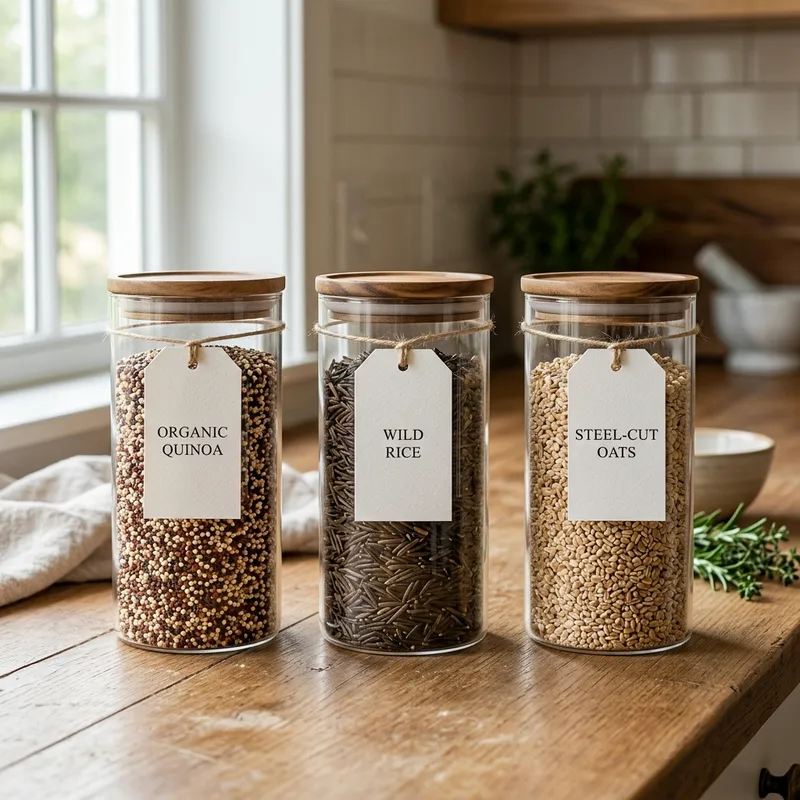
Low glycemic index ancient grains in glass jars
Substituting refined carbohydrates with complex, fiber-anchored ancient grains helps minimize postprandial glucose surges.

In states of insulin resistance, this signaling cascade is compromised. Receptors on skeletal muscle and adipose tissues become unresponsive, forcing the pancreas to increase massive, compensatory amounts of insulin. Over time, this chronic hyperinsulinemia promotes visceral fat deposition, visceral inflammation, and beta cell exhaustion, leading to prediabetes and type 2 diabetes. By utilizing glycemic-friendly recipes that focus on low glycemic index carbohydrates, high-viscosity dietary fiber, and healthy lipids, you can lower the demand placed on the pancreas, allow beta cells to recover, and support cellular insulin sensitivity naturally.

Insulin-Independent Pathway: AMPK Activation via Muscular Contraction: Beyond the insulin signaling cascade, the human body possesses a primary secondary mechanism for glucose clearance. During skeletal muscle contraction (such as aerobic exercise or resistive training), the cellular ratio of AMP to ATP rises, which triggers the activation of AMP-activated protein kinase (AMPK). Once activated, AMPK initiates the translocation of GLUT4 storage vesicles to the cell membrane entirely independent of insulin. This insulin-independent pathway is highly significant for diabetic patients, as it bypasses receptor-level insulin resistance and allows direct clearing of blood glucose, reducing the overall workload of the pancreatic beta cells.

Lipotoxicity and Beta-Cell Dysfunction: Chronic hyperinsulinemia is frequently accompanied by elevated levels of circulating free fatty acids. When skeletal muscle and adipose tissues exceed their storage capacity, lipids accumulate ectopically in the liver and pancreas, a state known as lipotoxicity. In pancreatic islets, lipid accumulation triggers cellular stress, mitochondrial dysfunction, and apoptosis of insulin-producing beta cells. This shifts the metabolic state from compensated insulin resistance to progressive beta-cell failure and hyperglycemia. Consuming monounsaturated fats and anchoring them with amino acids prevents rapid fat deposition and preserves beta-cell function over time.

2. The Clinical Meal Structure: Anchor, Buffer, and Sequence

Creating a diabetes-friendly meal requires more than simply choosing low-sugar ingredients. You must construct a protective food matrix using three clinical principles:

  • Protein Anchoring: Never consume carbohydrates in isolation. Anchoring carbohydrates with lean protein (such as wild salmon, chicken breast, or tofu) stimulates the secretion of peptide hormones like GLP-1 and PYY. These hormones slow gastric emptying, reduce appetite, and promote stable insulin secretion.
  • Fiber Buffering: Soluble fiber (found in chickpeas, chia seeds, and non-starchy vegetables) forms a viscous gel in the digestive tract. This gel matrix physically slows the enzymatic breakdown of starches, delaying glucose absorption and flattening postprandial glucose spikes.
  • Lipid Pairing: Healthy monounsaturated and polyunsaturated fats (from avocados, olive oil, and walnuts) slow digestion and increase the fluidity of target cell membranes. Flexible, fluid membranes facilitate the binding of insulin to its receptors, improving overall clearance rates.

The Clinical Efficacy of Food Sequencing: Clinical trials have shown that the order in which foods are consumed during a meal significantly alters postprandial glucose excursions. When fiber-rich vegetables are eaten first, followed by proteins and fats, and lastly complex carbohydrates, the glycemic curve is flattened. This sequence delays gastric emptying and creates a gel-like mesh in the small intestine, slowing down the enzymatic absorption of glucose. Consuming meals in this specific order reduces the post-meal glucose spike by up to forty percent and reduces the subsequent insulin demand on the pancreas.

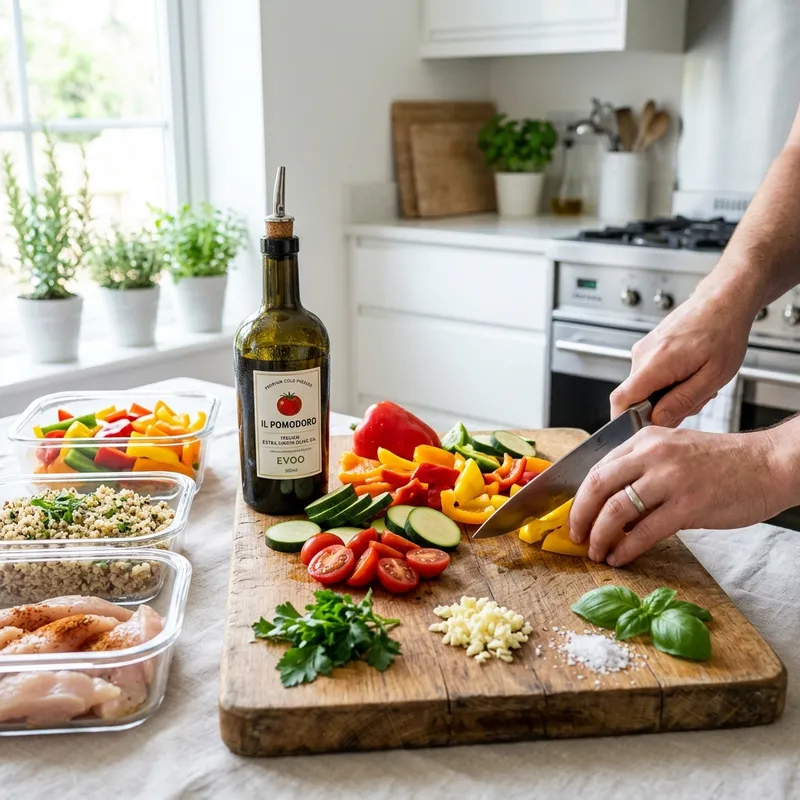
Fresh vegetables being chopped on a cutting board representing diabetes meal prep
Preparing whole food ingredients in advance reduces reliance on processed foods and supports consistent glycemic control.

3. 5 Clinical-Grade Diabetes-Friendly Recipes

The following recipes are structured to optimize these metabolic pathways, featuring precise ingredient lists, preparation steps, and clinical breakdowns of their nutritional impact.

Recipe 1: Pan-Seared Wild Salmon with Herb Quinoa and Roasted Asparagus

This recipe provides a high-potency dose of omega-3 fatty acids and lean protein to anchor blood sugar, paired with slow-burning complex carbohydrates and prebiotic fiber.

Ingredients:
- 6 oz wild-caught salmon fillet (with skin)
- 1/2 cup cooked quinoa (rinsed)
- 1 cup fresh asparagus spears (woody ends trimmed)
- 1 tablespoon extra virgin olive oil
- 1 clove garlic (minced)
- 1 tablespoon fresh lemon juice
- 1/4 teaspoon black pepper and a pinch of dried dill

Preparation Steps:
1. Preheat oven to 400 degrees Fahrenheit. Toss asparagus with 1/2 tablespoon olive oil, minced garlic, and black pepper. Spread on a baking sheet.
2. Roast asparagus for 12 to 15 minutes until tender-crisp.
3. Heat remaining olive oil in a non-stick skillet over medium-high heat. Season salmon with dill and lemon juice. Place skin-side down in the skillet.
4. Sear for 4 to 5 minutes until skin is crispy, flip, and cook for an additional 3 minutes.
5. Serve the salmon alongside the warm quinoa and roasted asparagus.

Clinical Insight: Salmon supplies EPA and DHA, which improve cell membrane fluidity and support GLUT4 translocation. Asparagus contains inulin, a prebiotic fiber that feeds beneficial gut bacteria, promoting short-chain fatty acid production that supports systemic insulin sensitivity.

Meal Prep & Storage: Cooked salmon should be stored in an airtight glass container and consumed within 3 days. Keep the quinoa in a separate container for up to 5 days to preserve texture. When reheating, use a low-heat oven or skillet with a splash of water to keep the fish moist and prevent oxidation of delicate omega-3 fatty acids.

Clinical Modification: If wild-caught salmon is unavailable, high-quality sardines or mackerel can be used. These fish offer similar densities of anti-inflammatory eicosapentaenoic acid (EPA) and docosahexaenoic acid (DHA) with a low glycemic impact and minimal heavy metal accumulation.

Recipe 2: Lemon-Herb Chickpea and Avocado Salad Bowl

A plant-based, fiber-rich salad that leverages the gel-forming properties of legumes to blunt glucose absorption in the small intestine.

Chickpea and avocado salad in a ceramic bowl
Avocado fats and legume fiber work synergistically to slow digestion and support receptor sensitivity.

Ingredients:
- 1 cup cooked chickpeas (drained and rinsed)
- 1/2 medium avocado (diced)
- 1/2 cup English cucumber (diced)
- 1/4 cup red onion (finely chopped)
- 2 tablespoons fresh parsley (chopped)
- 1 tablespoon fresh lemon juice
- 1/2 tablespoon extra virgin olive oil
- 1/4 teaspoon black pepper

Preparation Steps:
1. Combine chickpeas, cucumber, red onion, and parsley in a medium salad bowl.
2. Drizzle with lemon juice and olive oil, and gently toss to distribute the dressing.
3. Add the diced avocado and gently fold to avoid mashing the avocado cubes.
4. Season with black pepper and let sit for 10 minutes before serving to allow flavors to combine.

Clinical Insight: Chickpeas are rich in soluble amylose starch, which digests slowly. The monounsaturated oleic acid in avocado triggers the release of oleoylethanolamide in the small intestine, promoting early satiety via central nervous system pathways.

Meal Prep & Storage: The chickpea and vegetable mixture can be tossed with the lemon-herb dressing and stored in the refrigerator for up to 4 days, which actually increases the resistant starch content as it cools. However, slice and add the avocado fresh immediately before serving to prevent enzymatic browning and lipid oxidation.

Clinical Modification: For individuals seeking to maximize protein and further reduce the glycemic load, chickpeas can be replaced with edamame (steamed soybeans) or black beans, which offer a higher protein-to-carbohydrate ratio.

Recipe 3: Spinach and Mushroom Egg White Omelet

An ultra-low-carbohydrate, high-protein breakfast option designed to minimize morning insulin spikes and optimize glycemic baseline.

Ingredients:
- 4 large egg whites (or 1/2 cup liquid egg whites)
- 1 cup fresh baby spinach leaves
- 1/2 cup white button mushrooms (sliced)
- 1/2 tablespoon avocado oil
- 1 tablespoon spring onions (sliced)
- 1/4 teaspoon black pepper

Preparation Steps:
1. Heat avocado oil in a non-stick pan over medium heat. Add mushrooms and sauté for 3 to 4 minutes until golden.
2. Add spinach and cook for 1 minute until wilted. Remove vegetables from pan and set aside.
3. Pour egg whites into the pan. Cook for 2 minutes until the edges begin to set.
4. Place the sautéed spinach and mushrooms on one half of the omelet. Fold the other half over the filling.
5. Cook for another minute, slide onto a plate, and garnish with spring onions and black pepper.

Clinical Insight: This meal contains less than 4 grams of active carbohydrates, leading to a negligible postprandial insulin response. The high protein content supports muscle mass and stimulates glucagon release, counterbalancing morning cortisol surges.

Meal Prep & Storage: Omelets are best consumed immediately after cooking. However, to optimize morning efficiency, you can chop the spinach and slice the mushrooms ahead of time, storing them in a paper-towel-lined container in the refrigerator for up to 3 days.

Clinical Modification: To enhance the nutrient profile and add a cheese-like flavor without introducing saturated fats, stir in 1 tablespoon of nutritional yeast. This addition supplies essential B-vitamins, including B12 and B6, which act as cofactors in cellular energy metabolism.

Recipe 4: Vanilla Chia Seed Pudding with Fresh Raspberries

A nutrient-dense dessert or breakfast bowl packed with prebiotic fiber and alpha-linolenic acid (ALA) to support metabolic health.

Ingredients:
- 3 tablespoons black chia seeds
- 1 cup unsweetened almond milk (original flavor)
- 1/2 teaspoon pure vanilla extract
- 1/4 cup fresh raspberries (gently washed)
- A pinch of ground cinnamon

Preparation Steps:
1. In a glass jar or bowl, whisk together chia seeds, almond milk, and vanilla extract.
2. Let the mixture sit for 5 minutes, then stir again to prevent clumping.
3. Cover and refrigerate for at least 4 hours (or overnight) until a thick pudding consistency is achieved.
4. Top with fresh raspberries and a dusting of cinnamon before serving.

Clinical Insight: Chia seeds absorb up to 12 times their weight in water, forming a thick mucilage gel in the gut. This gel slows carbohydrate absorption, flatlines glucose curves, and provides essential polyunsaturated lipids.

Meal Prep & Storage: Divide the chia pudding into individual 8-ounce glass mason jars before refrigerating. The pudding keeps exceptionally well for up to 5 days, making it an excellent grab-and-go clinical breakfast or snack. Add fresh raspberries and a fresh pinch of cinnamon just before eating.

Clinical Modification: If unsweetened almond milk is not preferred, swap it with unsweetened coconut milk or light kefir. Kefir introduces active probiotics that support gut microbiome diversity and improve insulin sensitivity through the gut-brain axis.

Recipe 5: Lemon Herb Chicken Breast with Steamed Broccoli and Wild Rice

A classic, balanced clinical meal that anchors carbohydrates with high-density protein and sulfur-rich cruciferous vegetables.

Ingredients:
- 6 oz skinless chicken breast
- 1 cup broccoli florets
- 1/3 cup cooked wild rice
- 1 tablespoon extra virgin olive oil
- 1 tablespoon fresh lemon juice
- 1 clove garlic (crushed)
- 1/4 teaspoon dried oregano and black pepper

Preparation Steps:
1. Marinate chicken breast in lemon juice, crushed garlic, oregano, and olive oil for 15 minutes.
2. Heat a grill pan or skillet over medium-high heat. Grill chicken for 6 to 7 minutes per side until the internal temperature reaches 165 degrees Fahrenheit.
3. Steam broccoli florets over boiling water for 4 to 5 minutes until bright green and tender-crisp.
4. Plate the sliced chicken breast alongside the wild rice and steamed broccoli, drizzling any pan juices over the chicken.

Clinical Insight: Wild rice is technically a grass and has a lower glycemic index and higher protein content than white or brown rice. Broccoli contains sulforaphane, a bioactive compound that has been shown to reduce glucose production in hepatocytes, supporting hepatic insulin sensitivity.

Meal Prep & Storage: Grill the chicken and steam the wild rice in bulk. Divide into portion-controlled glass containers with 6 oz chicken, 1/3 cup wild rice, and 1 cup broccoli. Keeps fresh for up to 4 days. Steam broccoli fresh when possible to preserve heat-sensitive enzymes.

Clinical Modification: If broccoli causes gastrointestinal discomfort, it can be substituted with steamed Brussels sprouts or asparagus, both of which maintain a low glycemic index while offering sulfur-rich compounds that support liver detoxification pathways.

4. Glycemic Comparison of Common Grains and Carbohydrates

To help you make informed substitutions in your daily cooking, the table below compares the glycemic index (GI), glycemic load (GL) per standard serving, dietary fiber content, and metabolic impact of various carbohydrate sources.

Carbohydrate SourceGlycemic Index (GI)Glycemic Load (GL)Fiber per 100g (g)Primary Metabolic Impact
Wild Rice (Cooked)57 (Medium)11 (Medium)2.1gSlow glucose release; high magnesium content
Quinoa (Cooked)53 (Low)9 (Low)2.8gComplete protein profile anchors carbohydrates
Steel-Cut Oats (Cooked)52 (Low)9 (Low)3.8gBeta-glucan fiber slows gastric emptying rate
White Rice (Cooked)73 (High)22 (High)0.4gRapid glucose absorption; causes sharp insulin spikes
Brown Rice (Cooked)68 (Medium)16 (High)1.8gModerate absorption; higher fiber than white rice
Instant Oatmeal79 (High)15 (High)1.2gRapid digestion due to starch pre-gelatinization
Glycemic index and load comparison of dietary carbohydrates.

5. The 7-Day Diabetes Kitchen and Calibration Checklist

Transforming your nutrition requires setting up your kitchen and testing equipment for success. Follow this clinical checklist to calibrate your lifestyle and maximize your results:

  1. Calibrate Your Glucometer: Verify your meter accuracy once a week using control solution. Check strip expiration dates to prevent dosing errors.
  2. Practice Meal Sequencing: Always eat non-starchy vegetables first, followed by proteins and fats, and save starches for the end of the meal.
  3. Anchor Every Snack: Never eat fruit or starches alone. Pair them with almonds, walnuts, or pumpkin seeds to buffer the glucose surge.
  4. Implement Post-Meal Movement: Take a 10 to 15 minute walk immediately after your largest meal to stimulate GLUT4 translocation.
  5. Stop Late-Night Eating: Finish your last meal at least 3 hours before bed to prevent late-night insulin surges when insulin sensitivity is low.
  6. Optimize Hydration: Drink 12 to 16 ounces of water before meals to assist fiber in forming viscous gels in the digestive tract.
  7. Audit Your Pantry: Remove refined sugars, high-fructose corn syrups, and white flour, replacing them with whole grains and healthy fats.

6. Clinical Frequently Asked Questions

Why is meal sequencing effective for lowering blood sugar?

Consuming vegetables and protein before carbohydrates slows gastric emptying and delays glucose absorption in the small intestine. This sequencing reduces postprandial glucose peaks by up to 30 percent and insulin spikes by 40 percent compared to eating the same foods in reverse order, protecting pancreatic beta cells from strain.

Can I eat ancient grains daily if I have type 2 diabetes?

Yes, but portion control and anchoring are essential. Ancient grains like quinoa and wild rice have a lower glycemic index and higher fiber content than refined grains, leading to a flatter glucose curve. Always pair them with a clean protein source and healthy fats to slow digestion further.

How do healthy fats help lower fasting insulin levels?

Healthy monounsaturated and polyunsaturated fats slow down gastric motility, preventing glucose from rushing into the bloodstream. Additionally, these fats incorporate into cell membranes, increasing fluidity and making it easier for insulin receptors to bind insulin, which improves clearance rates.

What is the difference between Glycemic Index and Glycemic Load?

Glycemic Index (GI) measures how rapidly a carbohydrate raises blood glucose compared to pure glucose. Glycemic Load (GL) takes into account the actual amount of carbohydrates in a typical serving size, providing a more realistic measurement of a food's impact on your blood sugar.

How does exercise bypass the need for insulin to clear glucose?

During muscular contraction, the ratio of AMP to ATP rises, activating AMP-activated protein kinase (AMPK). Activated AMPK stimulates GLUT4 glucose transporters to move to the cell membrane, allowing active skeletal muscle to clear glucose directly from circulation without requiring insulin release.

7. Educational Video Resources

To deepen your understanding of how nutrition affects insulin resistance and glycemic pathways, watch these educational video guides from leading clinical institutions and medical professionals.

Cleveland Clinic: 7 Insulin Resistance Diet Tips

Cleveland Clinic nutritionists share the best dietary habits to manage and reverse insulin resistance.

Mayo Clinic: Carbohydrate Counting for Diabetes

A clinical tutorial on carbohydrate counting, meal planning, and glycemic tracking from Mayo Clinic experts.

8. Clinical Sources and References

  1. American Diabetes Association (ADA): Standards of Care in Diabetes-2026. Lifestyle Medicine and Nutrition Guidelines. ADA Official Portal.
  2. National Institute of Diabetes and Digestive and Kidney Diseases (NIDDK): Prevent Type 2 Diabetes through Lifestyle Interventions. NIDDK Portal.
  3. Harvard T.H. Chan School of Public Health: The Nutrition Source - Glycemic Index and Glycemic Load. Harvard Nutrition Resource.
  4. Shukla, A. P., et al. (2015): Food Order Has a Significant Impact on Postprandial Glucose and Insulin Levels in Type 2 Diabetes. Diabetes Care, 38(7), 98-99.

Medical Review Disclaimer: The dietary protocols, recipes, and glycemic targets outlined in this article are for general educational purposes and represent standard metabolic guidelines. Individual nutritional plans must be established under medical supervision by a qualified healthcare professional. Do not modify medication dosages or insulin plans without consulting your physician. For additional details, see our complete Medical Disclaimer.

Ganesh G Kamble
About the Author

Ganesh G Kamble

Ganesh G Kamble is the founder and editor of Health is Heaven. He spent 14 years as a techno-functional consultant on enterprise ERP systems in Bangalore before turning his attention to health publishing. His background is technical, not clinical, and he is not a medical professional. He started Health is Heaven because most online health information is either too vague to act on, too technical to understand, or too commercial to trust. The site's mission is to provide clear, evidence-based answers to common health questions, with sources you can verify, alongside free interactive calculators built using standard medical formulas published by recognised authorities including the World Health Organization, the U.S. Centers for Disease Control and Prevention, the American Heart Association, the American Diabetes Association, and the National Institutes of Health. Every article is reviewed against authoritative sources before publishing, dated with both publish and last-updated timestamps, and clearly marked as informational only when covering medical topics. Articles dealing with diagnosis, treatment, or medication recommend speaking with a qualified healthcare provider. The site does not accept paid placements that influence editorial content; any future advertising is clearly labelled and separated from articles. Ganesh is based in Bangalore, India, and connects with readers and collaborators on LinkedIn.

🧠Stress
Scroll to Top
Connect & Follow